Why Mold in Your Bathroom Is a Bigger Problem Than You Think and How to Address It
Bathroom mold might look like a minor cleaning hassle, but it usually means something bigger is going on. It often points to hidden moisture, possible structural issues, or even health risks most f...
Why Mold in Your Bathroom Is a Bigger Problem Than You Think and How to Address It
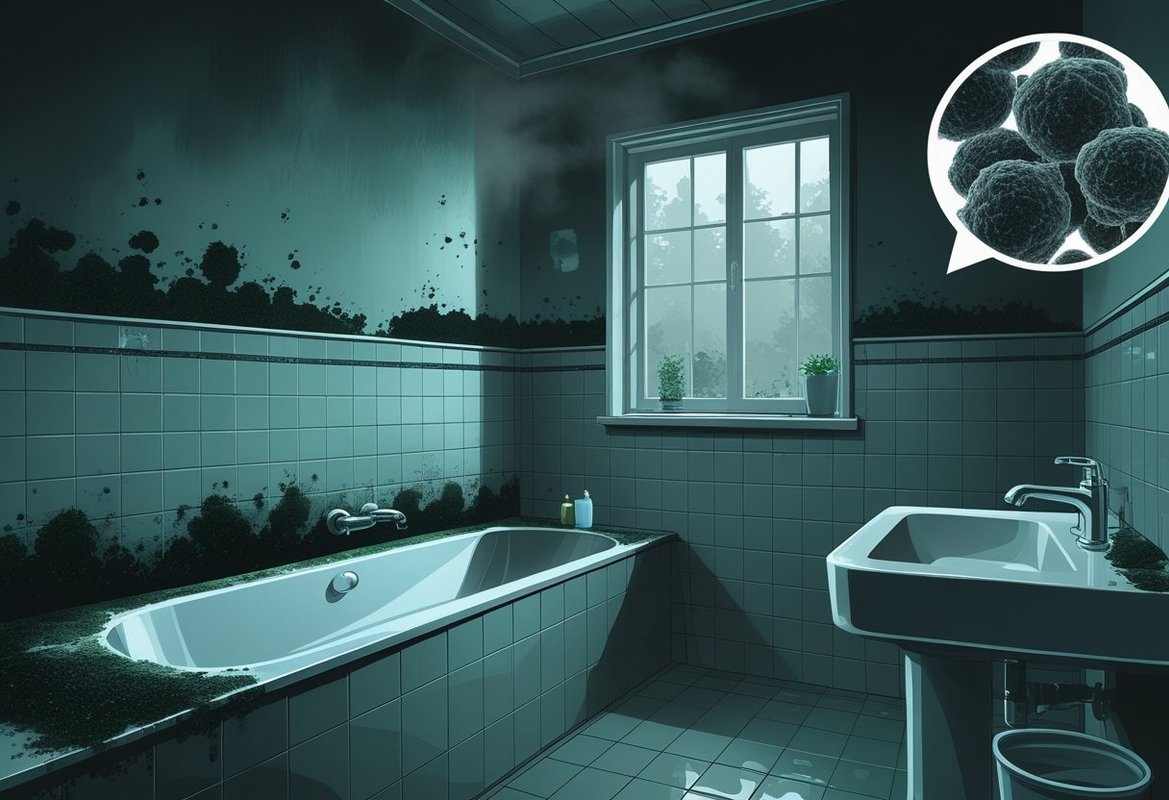
Bathroom mold might look like a minor cleaning hassle, but it usually means something bigger is going on. It often points to hidden moisture, possible structural issues, or even health risks most folks overlook.
If you ignore it, mold spreads fast and can creep into places that are way more expensive and difficult to fix—think inside walls or under floors.
Mold loves warm, damp spots, so mold in bathrooms in places like Decatur, or Sandy Springs are perfect for bathroom mold. Bad ventilation, leaky pipes, and trapped humidity let mold grow and come back, even after scrubbing.
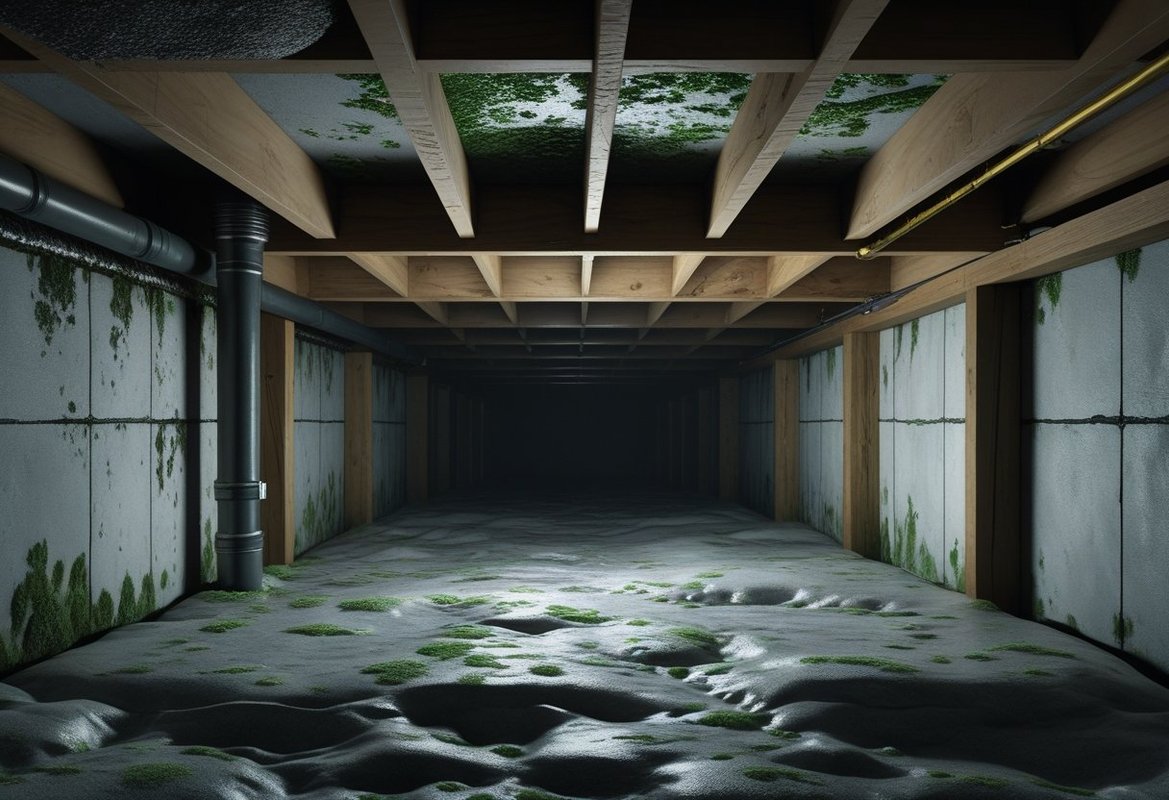
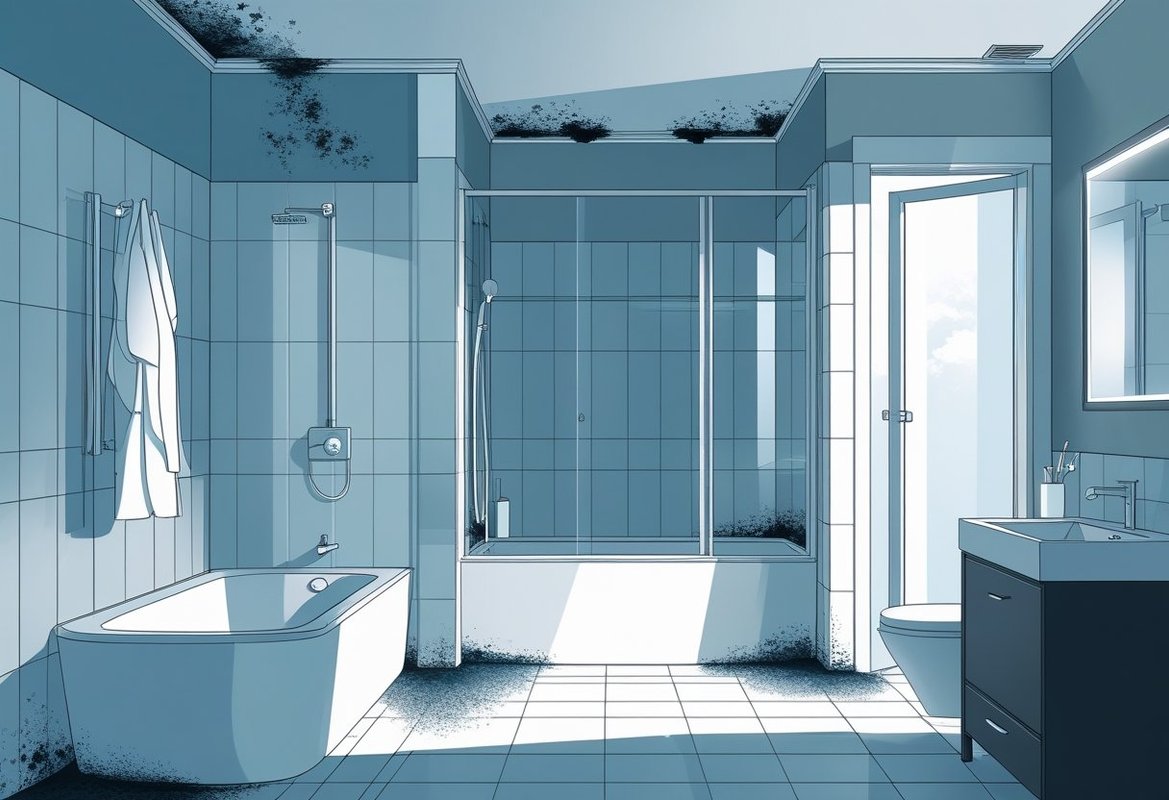
Most of the time, those ugly black or green patches are just the tip of the iceberg. There’s usually more hiding out of sight—behind tile, under the tub, or inside cabinets.
Why Bathroom Mold Is More Dangerous Than It Appears
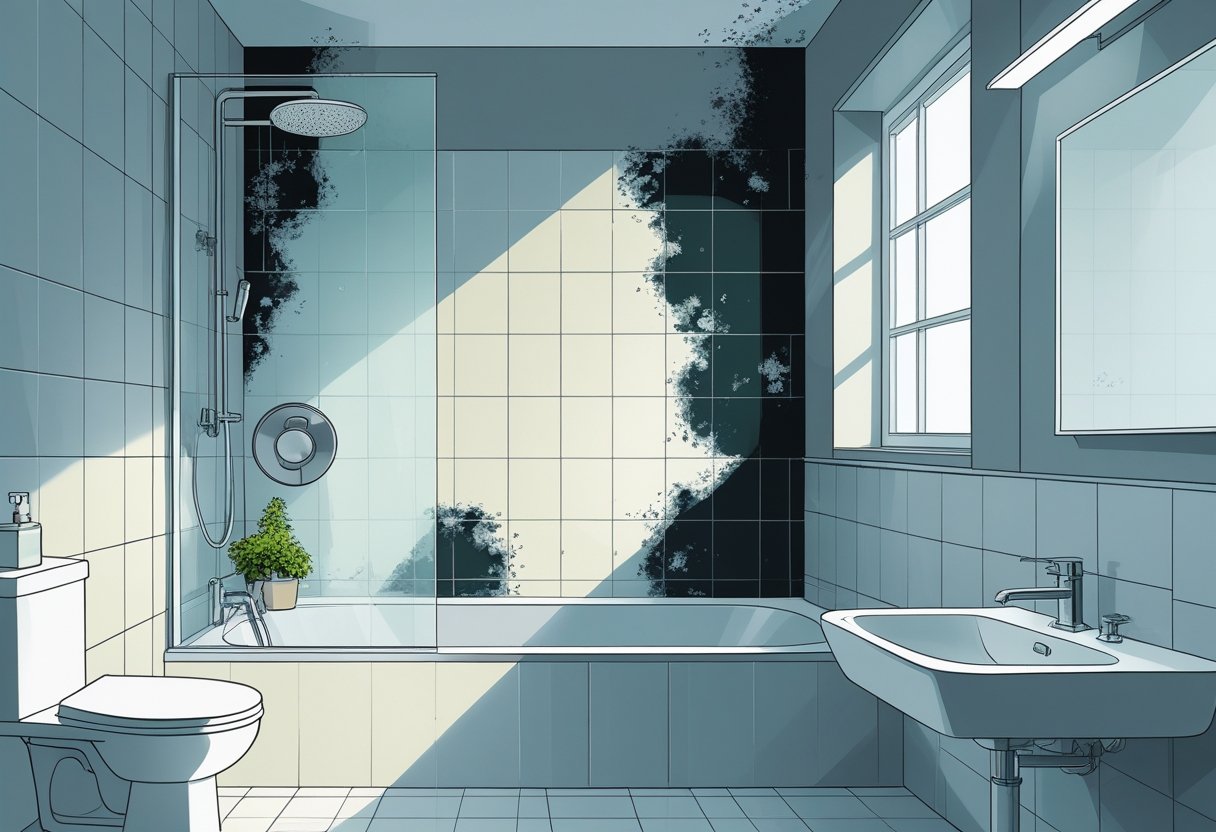
Bathroom mold doesn’t just look gross—it can mess with your health and damage your home. It can trigger allergies, break down building materials, and sometimes even release toxins.
Hidden Health Risks of Mold Exposure
Common bathroom molds like Aspergillus, Cladosporium, and Penicillium send spores into the air. You breathe these in just by using the bathroom.
If you’re sensitive, you might sneeze, get watery eyes, or notice itchy skin. People with asthma or breathing problems could have more trouble, like wheezing or shortness of breath.
If the bathroom’s always muggy and moldy, you might end up with sinus issues that just won’t quit. Folks with weaker immune systems could even get fungal infections, though that’s rare.
Structural Damage and Property Value Impact
Mold eats away at drywall, grout, wood, and caulk. Over time, you might notice soft walls, warped floors, or cracked tiles—all signs that mold’s been busy.
Once it gets deep into porous stuff, you can’t just wipe it away. Sometimes, you’ll need to rip out and replace chunks of wall or floor.
If you’re thinking of selling your home in Alpharetta or Roswell, visible mold and water stains will scare buyers off. People see it as a red flag for bigger, hidden problems.
The Role of Mycotoxins and Black Mold
Some molds, like Stachybotrys chartarum (black mold), can make mycotoxins—nasty chemicals that can cause more than just allergies.
Black mold usually shows up on things like drywall or wood if they stay wet for a long time. It’s slimy and dark, almost greenish-black.
Exposure to mycotoxins can give you headaches, make you tired, or irritate your eyes and throat. Not all black mold is toxic, but if you spot it, there’s definitely a moisture problem that needs fixing—fast.
How Mold Thrives in Bathrooms
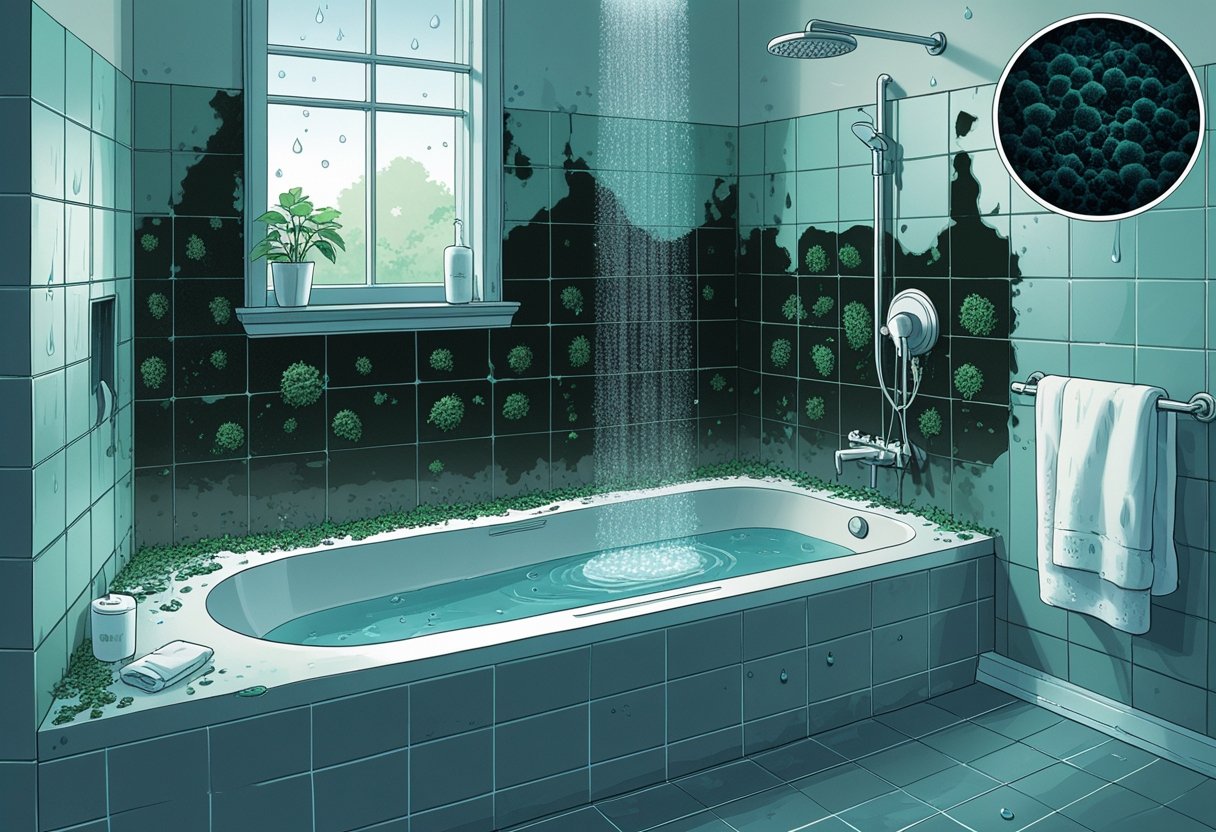
Bathrooms are basically mold playgrounds. All it takes is moisture, warmth, and something organic to snack on.
Steamy showers, poor airflow, and damp surfaces let mold spores settle and multiply. If you don’t get the moisture under control, mold just keeps coming back.
Moisture and Humidity as Key Factors
Hot showers and baths crank up humidity, especially in homes around Atlanta. Steam turns into water on walls and ceilings, making everything damp. Mold can start growing in just a day or two.
Leaks from faucets, pipes, or toilets keep some spots wet all the time. That’s extra risky because the water can soak in behind walls or under floors where you can’t see it.
If you keep humidity below 50%, mold has a harder time growing. Using a hygrometer to check the air and drying wet spots fast really helps.
The Importance of Proper Ventilation
Bad ventilation keeps moist air trapped in the bathroom. With nowhere for steam to go, condensation builds up and feeds mold.
An exhaust fan that vents outside (not into your attic! this can create attic mold) works best. Run it during showers and for 20 minutes after.
If you don’t have a fan, crack a window or leave the door open a bit. Make sure the fan isn’t clogged up with dust, or it won’t do much.
Organic Materials and Mold Growth
Mold needs something organic to eat. In bathrooms, that’s usually:
| Material | Common Source in Bathrooms |
|---|---|
| Cellulose | Paper-backed drywall, wallpaper |
| Cotton | Towels, bath mats |
| Wood | Cabinets, trim |
| Soap scum | Residue on tiles and tubs |
If these things stay damp, mold can set up shop. Even soap scum is food for some mold types because it’s got fats and organic bits in it.
Switching to tile or vinyl and cleaning with mild detergent stops mold from finding food.
Common and Overlooked Places Mold Hides
Mold grows in places you rarely check—especially where moisture and warmth hang around.
Behind Tiles, Wallpaper, and Grout
Cracked grout or loose tiles let water sneak behind walls. Once it’s back there, it doesn’t dry out easily, and mold starts growing on the drywall or cement board.
Tiny cracks in grout can let enough water through to start a problem. Mold can spread for months before you notice anything.
If you smell a musty odor, see stained grout, or notice loose tiles, you might have hidden mold. Sometimes you’ll need to pull out damaged sections to find it.
Under Sinks and Around Fixtures
Under-sink cabinets don’t get much air, so a slow leak or even condensation can keep the wood damp.
Water also pools around toilet bases, faucets, and showerheads if seals or caulking fail. These spots can stay wet for ages if you don’t clean them often.
Look for black, green, or white spots inside cabinets or on the floor. If the wood feels soft or swollen, that’s a red flag for moisture damage.
Shower Curtains and Seals
Fabric shower curtains soak up water and, if you don’t wash them, mold grows fast. Even plastic liners can get moldy in the folds or at the bottom.
Rubber seals around shower doors and tubs trap water, soap scum, and hair. They’re tough to dry out completely.
Clean these areas with a mold-safe cleaner and swap out old seals when needed. Wash or replace shower curtains every few months.
Recognizing the Signs of a Serious Mold Problem
Mold pops up in spots that never seem to dry out. You’ll see it as stains, smell it as musty air, or notice it comes back even after a deep clean.
Visual and Odor Indicators
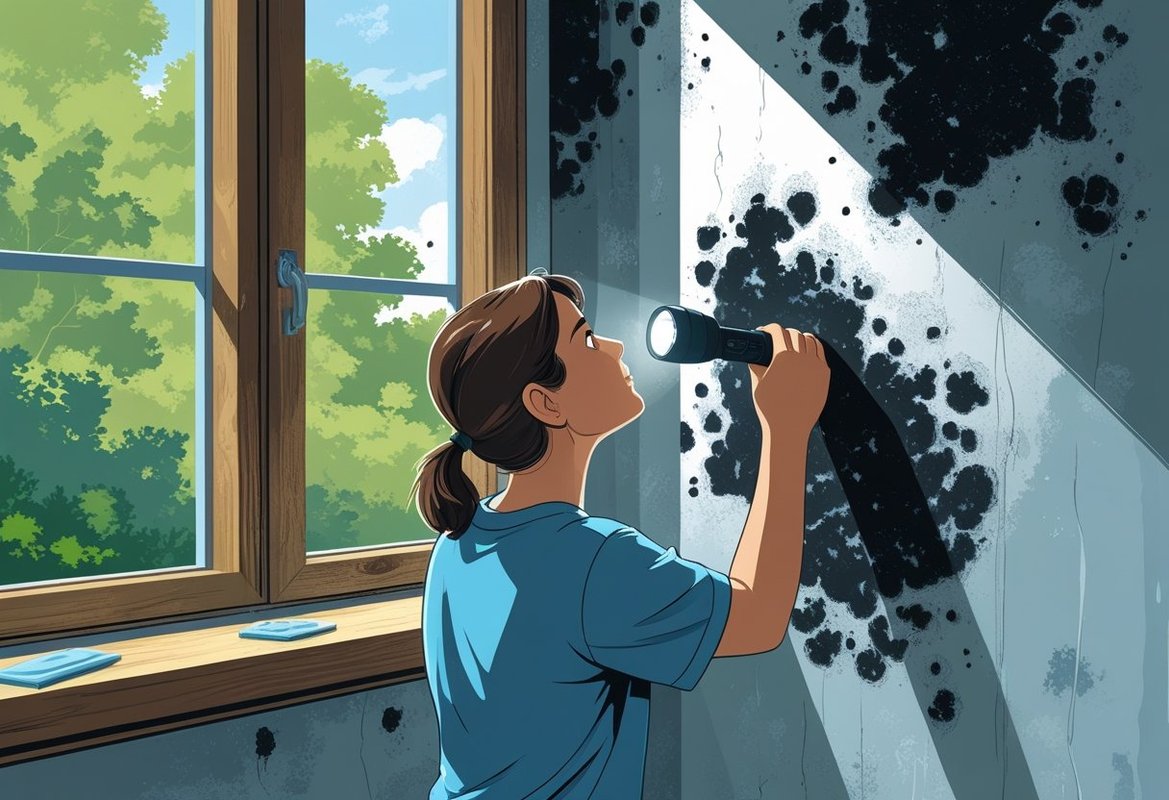
You can spot mold as black, green, or brown patches on grout, tile, ceilings, or around sinks. Sometimes it hides under wallpaper or paint, causing bubbles or peeling.
A musty smell is a big giveaway, especially in small spaces like under vanities or inside cabinets. Mold releases mVOCs that stink up the place, even if you can’t see anything.
Stains on walls or ceilings—yellow, tan, or dark—often mean there’s water damage supporting mold.
Recurring Mold Despite Cleaning
If you scrub and mold comes back in a week, you’ve got a moisture problem. It might be a leaky pipe, bad ventilation, or water sneaking through cracked grout.
When mold keeps showing up in the same spots—shower corners, under sinks, around windows—it’s because those areas stay damp. Fixing leaks and boosting airflow is the only way to stop it for good.
Effective Mold Removal and Remediation Strategies
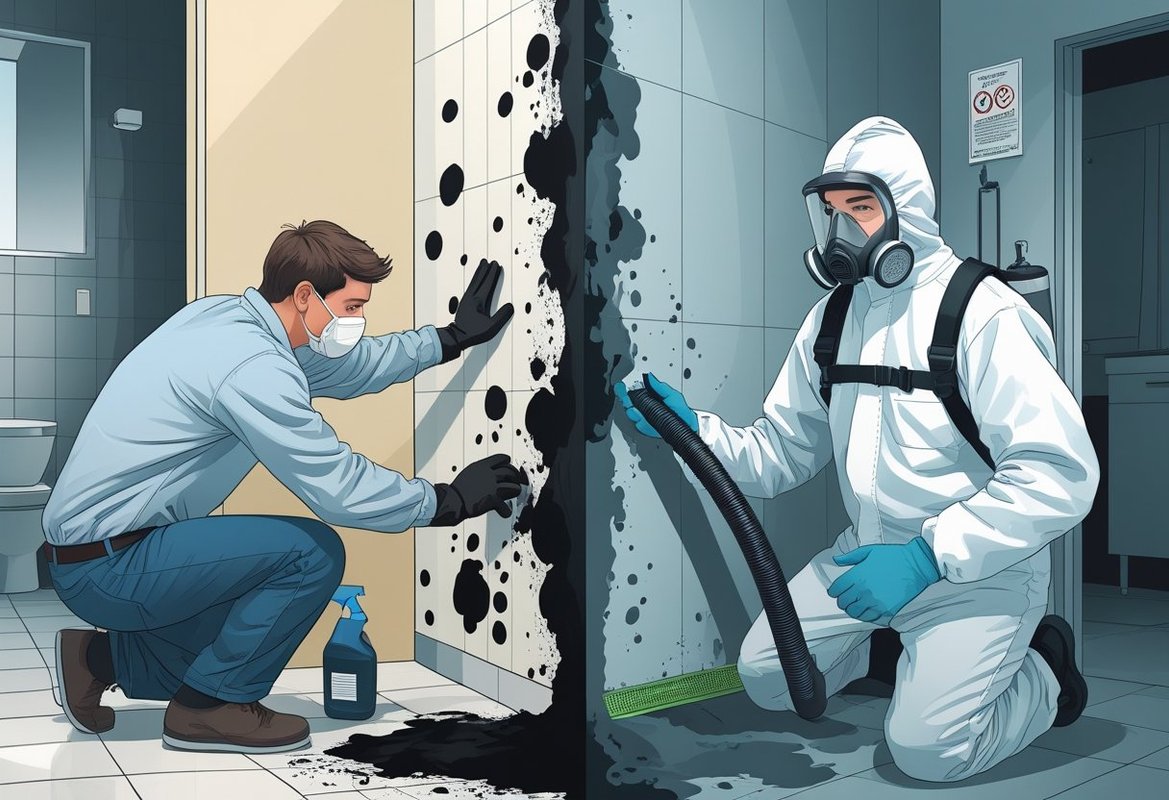
Getting rid of mold means using the right cleaning methods and stopping it from coming back. Small patches are a DIY job, but bigger or toxic mold needs pros.
DIY Cleaning Methods and Safety Precautions
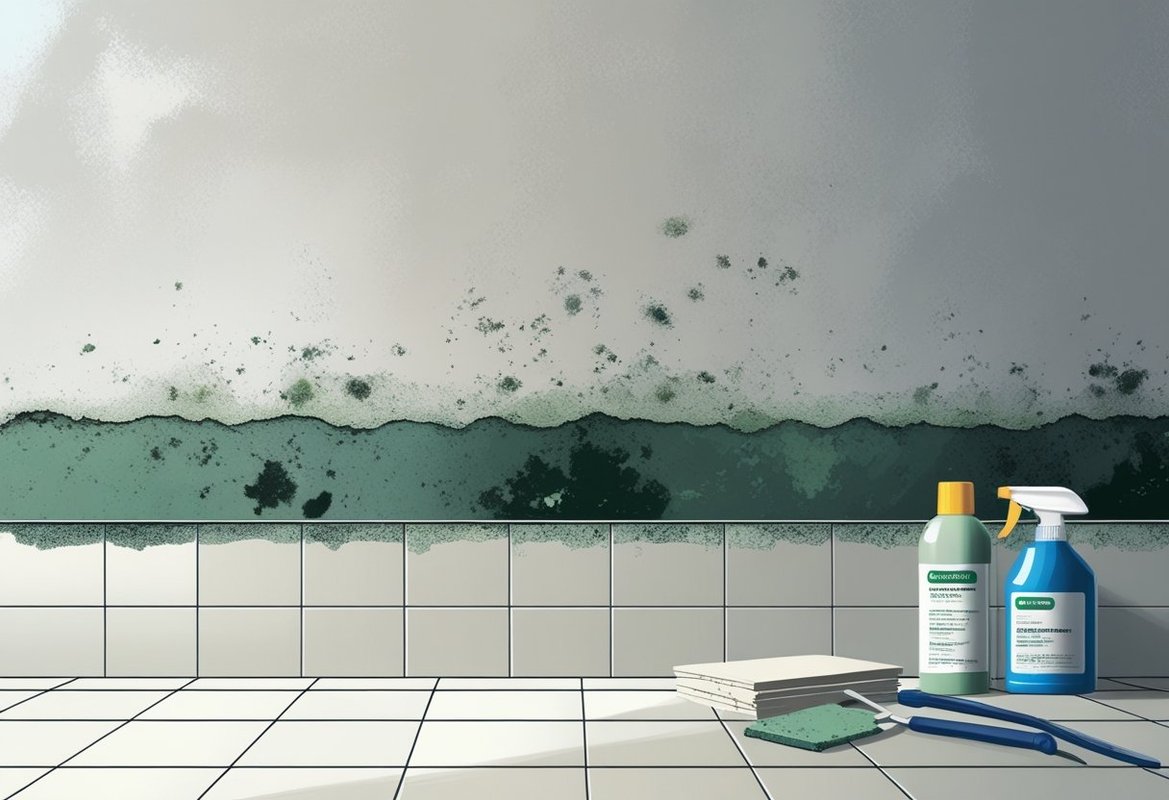
For small spots on tile or grout, try white vinegar or mix 1 cup bleach in 1 gallon of water. Scrub with a stiff brush, then rinse.
Wear gloves, eye protection, and an N95 mask so you don’t breathe in spores. Open a window or run the fan while you work.
Wet the surface before scrubbing—dry scrubbing just sends spores flying. Throw away any sponges or rags you used.
If you see black mold (the really nasty kind), only clean it yourself if it’s under 10 square feet. Anything bigger? Time to call a pro.
When to Call Professional Mold Remediation
You should call a professional for:
- Large infestations (over 10 square feet)
- Mold that keeps coming back
- Mold inside walls, ceilings, or HVAC
- Suspected black mold
Pros use HEPA vacuums, negative air machines, and special treatments to get rid of spores and keep them from coming back. They’ll also find and fix the source of moisture.
Sometimes, they need to pull out drywall or flooring to get rid of all the mold. That’s the only way to make sure it’s really gone.
If you’re in Buckhead or East Point, it’s worth finding a local Atlanta mold remediation company that knows the area’s climate and common bathroom setups.
Preventing Mold from Returning in Your Bathroom
Controlling moisture, keeping air moving, and fixing leaks are the real secrets to stopping mold. Small daily habits make a big difference.
Improving Bathroom Ventilation
Humidity hangs around after showers, so you need to get that moist air out. An exhaust fan that vents outside is your best friend.
Run the fan during your shower and for 20 minutes after. If the fan’s old or weak, upgrade to a stronger one.
Opening a window helps, but it’s not enough by itself. Leaving the bathroom door open after use lets the air circulate and dries things out faster.
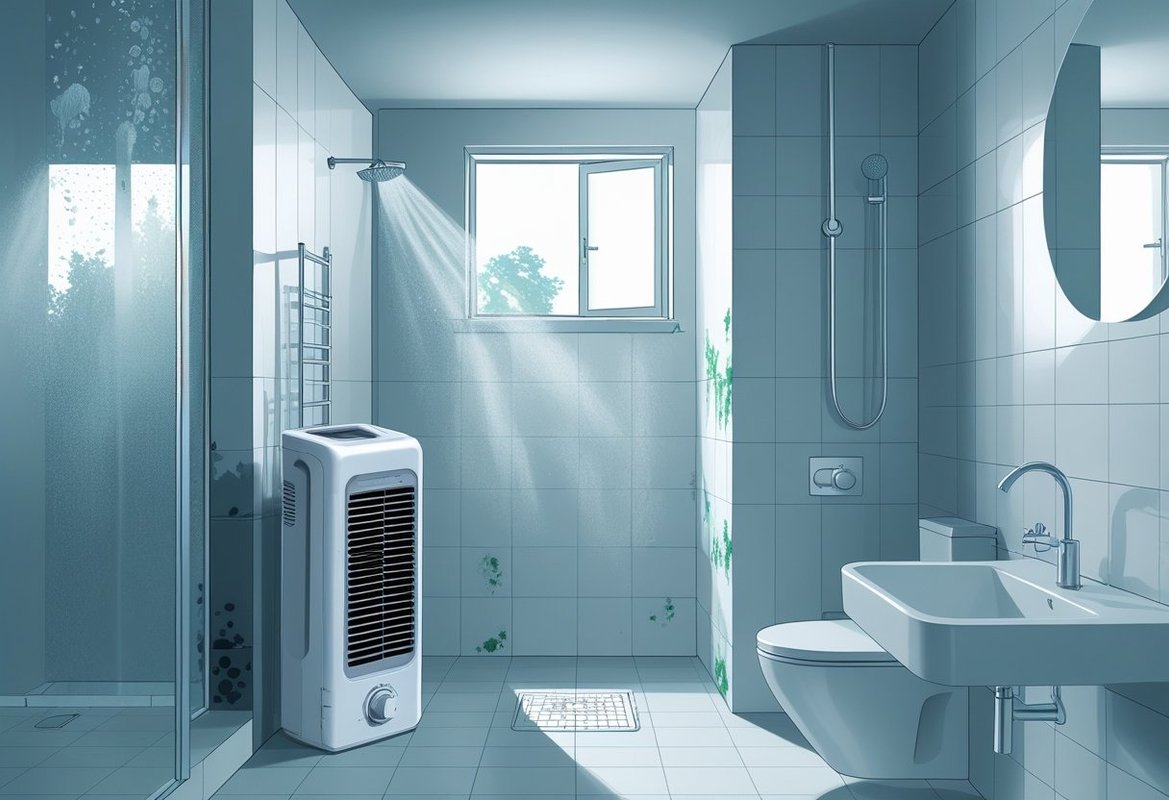
No fan? Try a portable dehumidifier to keep humidity under 50%. Mold just can’t compete in dry air.
Routine Cleaning and Maintenance
Clean regularly to get rid of soap scum and other gunk mold likes to eat. Wipe down wet surfaces—tile, grout, shower doors—after each use with a towel or squeegee.
Use a mild cleaner or vinegar-water mix weekly. Focus on corners, grout, and around fixtures where water tends to stick around.
Here’s a simple checklist:
| Task | Frequency |
|---|---|
| Wipe shower walls | Daily |
| Clean grout and tile | Weekly |
| Wash shower curtain liner | Monthly |
| Inspect caulk for mold | Monthly |
Swap out moldy caulk or grout right away to keep the problem from spreading. Keeping cleaning supplies handy makes it easier to stay on top of things.
Addressing Leaks and Moisture Sources
Even tiny leaks can cause sneaky mold problems. Check under sinks, behind toilets, and around tubs in places like Buckhead or Decatur for damp spots or water stains.
Fix dripping faucets, loose seals, or cracked tiles right away. Water that slips behind walls or under floors can spark stubborn mold growth that's tough to get rid of.
Condensation on mirrors, windows, or walls usually means high humidity. Try better insulation or anti-condensation paint on trouble spots—sometimes that's all it takes.
Fix leaks, seal up gaps, and dry any wet surfaces fast. If you do that, your bathroom in Sandy Springs or East Point stays less moldy and a lot easier to keep clean.
Frequently Asked Questions
Mold in bathrooms can mess with indoor air quality, damage surfaces, and even cause health problems. It thrives in damp, stuffy spots and spreads faster than you'd think if you let it go.
What are the health risks associated with mold in the bathroom?
Bathroom mold can set off allergy symptoms—think sneezing, coughing, and itchy eyes.
If you have asthma or breathing issues, mold might make things worse.
How can one effectively remove mold from bathroom surfaces?
Use water and detergent or a diluted bleach mix to clean small moldy areas. Scrub the spot, rinse it, and dry it all the way.
If mold has gotten into things like ceiling tiles or drywall, you might need to replace those.
What are the signs that indicate a serious mold problem in the bathroom?
If there's a musty smell that lingers after cleaning, mold could be hiding somewhere.
Watch for big dark patches or spots spreading on walls, ceilings, or grout. Peeling paint, warped areas, or constant moisture usually mean trouble.
How does mold develop on bathroom ceilings and how can it be prevented?
Mold likes ceilings when warm, humid air hits cooler surfaces. Poor ventilation and steamy showers make it worse.
Run an exhaust fan, wipe down condensation, and keep the air moving—especially in older homes in Midtown Atlanta.
What specific dangers does black mold present in a shower area?
Black mold can trigger stronger allergic reactions for some people.
Sensitive folks might get skin irritation or breathing issues. The dark color stands out, but the real risk depends on how much you're exposed.
What strategies can prevent mold growth in bathrooms with poor ventilation?
Run a portable dehumidifier to help lower moisture.
Wipe down wet surfaces after showers or baths—yeah, it’s a hassle, but it really helps.
If you can swing it, install a vent fan.
Or just crack a window to get some air moving.
This goes for anyone in the Atlanta, GA area, whether you’re in Decatur or Sandy Springs—these tricks might save you a headache later.

Water Damage Atlanta Editorial Team
Restoration & Home Services Expert
We help Atlanta homeowners recover from water damage with trusted advice and local resources.