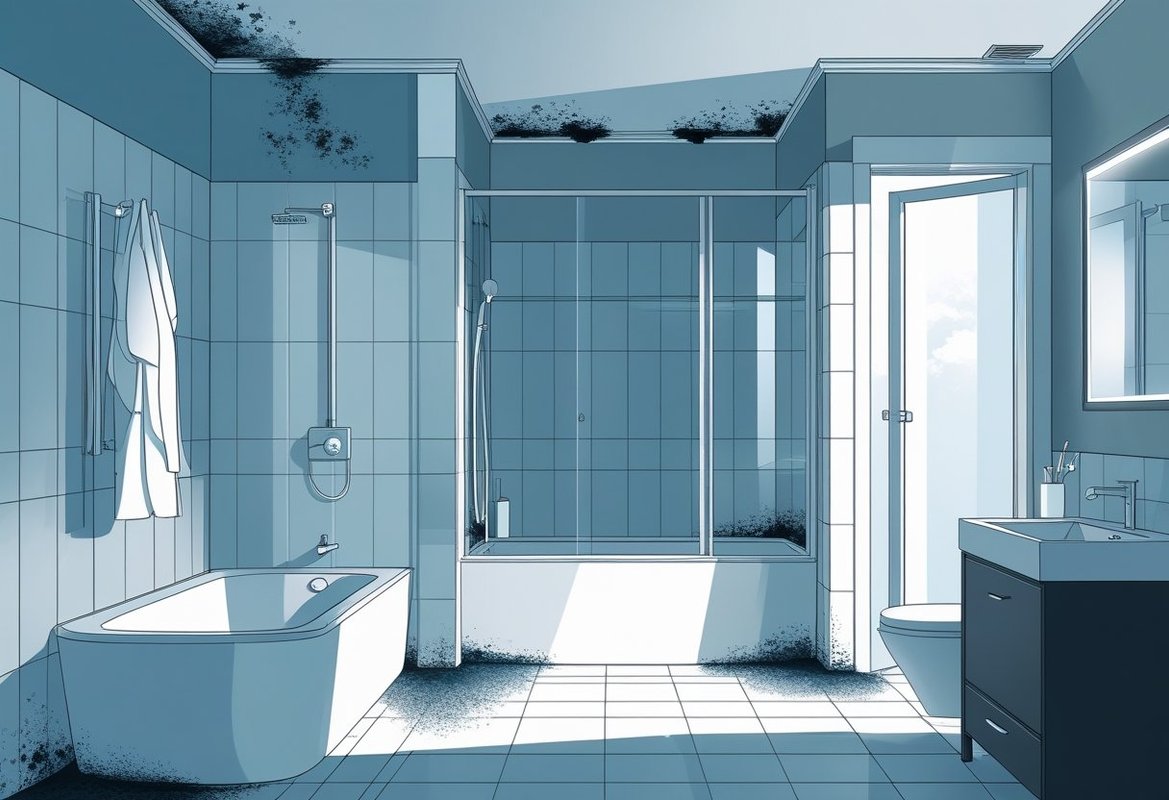
That Musty Smell: Why Your Crawl Space Attracts Mold and Moisture
A musty smell drifting up from your crawl space isn’t just annoying. It usually means there’s too much moisture, bad ventilation, and mold is starting to grow.
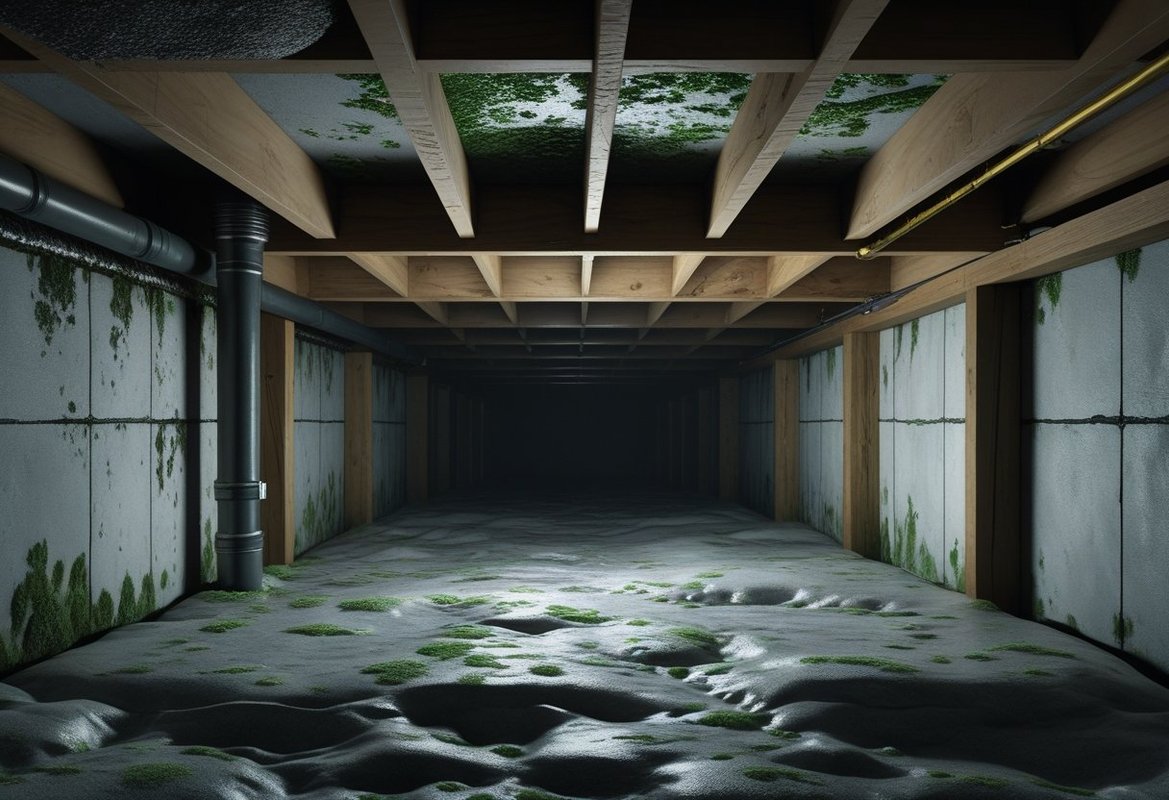
That Musty Smell: Why Your Crawl Space Attracts Mold and Moisture
A musty smell drifting up from your crawl space isn’t just annoying. It usually means there’s too much moisture, bad ventilation, and mold is starting to grow.
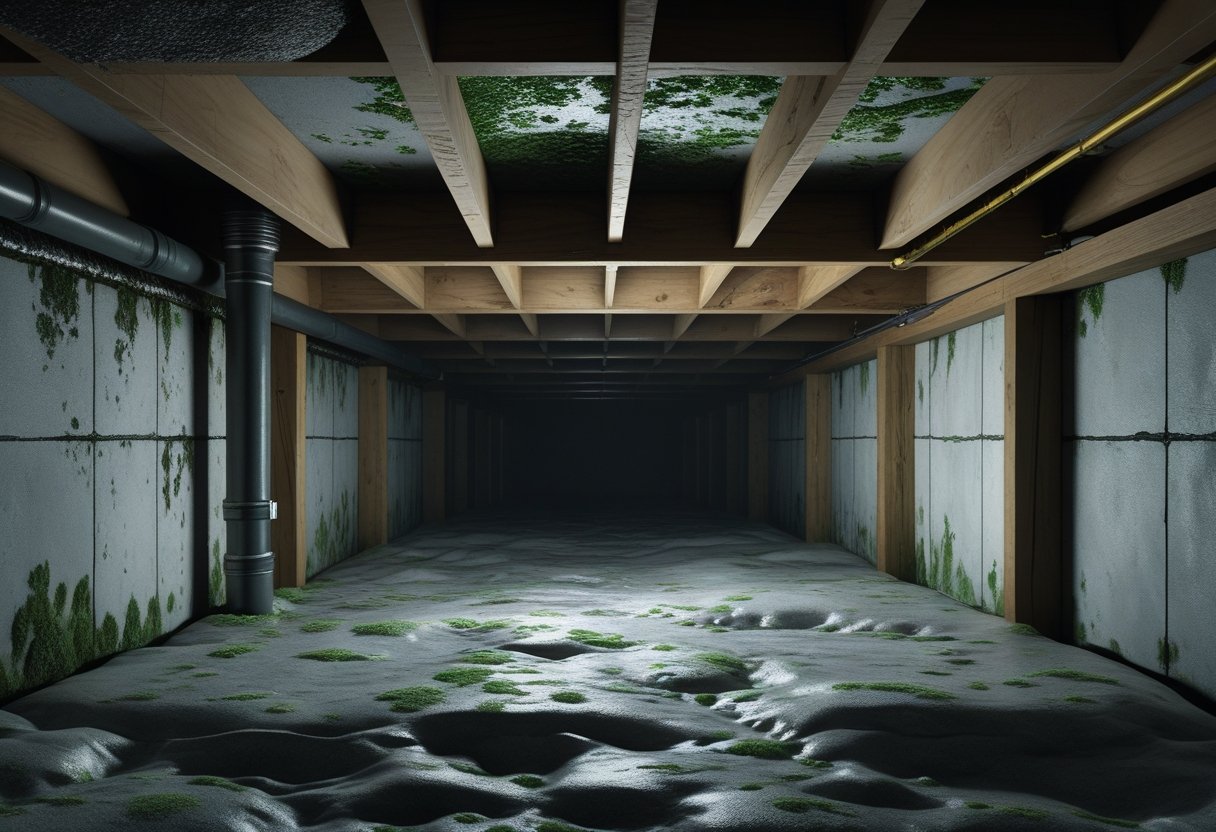
Moisture under your home creates the perfect spot for mold and mildew to take over. If you ignore it, indoor air quality can get worse, and the structure might suffer real damage.
Many homes, especially around Atlanta and Marietta, GA, pull air up from the crawl space into living areas. Mold spores, odors, and allergens can drift right into your house.
The problem might start small, but it spreads fast if you don’t find and fix the source. If you’re in Roswell, Alpharetta, or Smyrna, that crawl space could be the culprit behind your home’s persistent smell.
Understanding the Musty Smell in Crawl Spaces
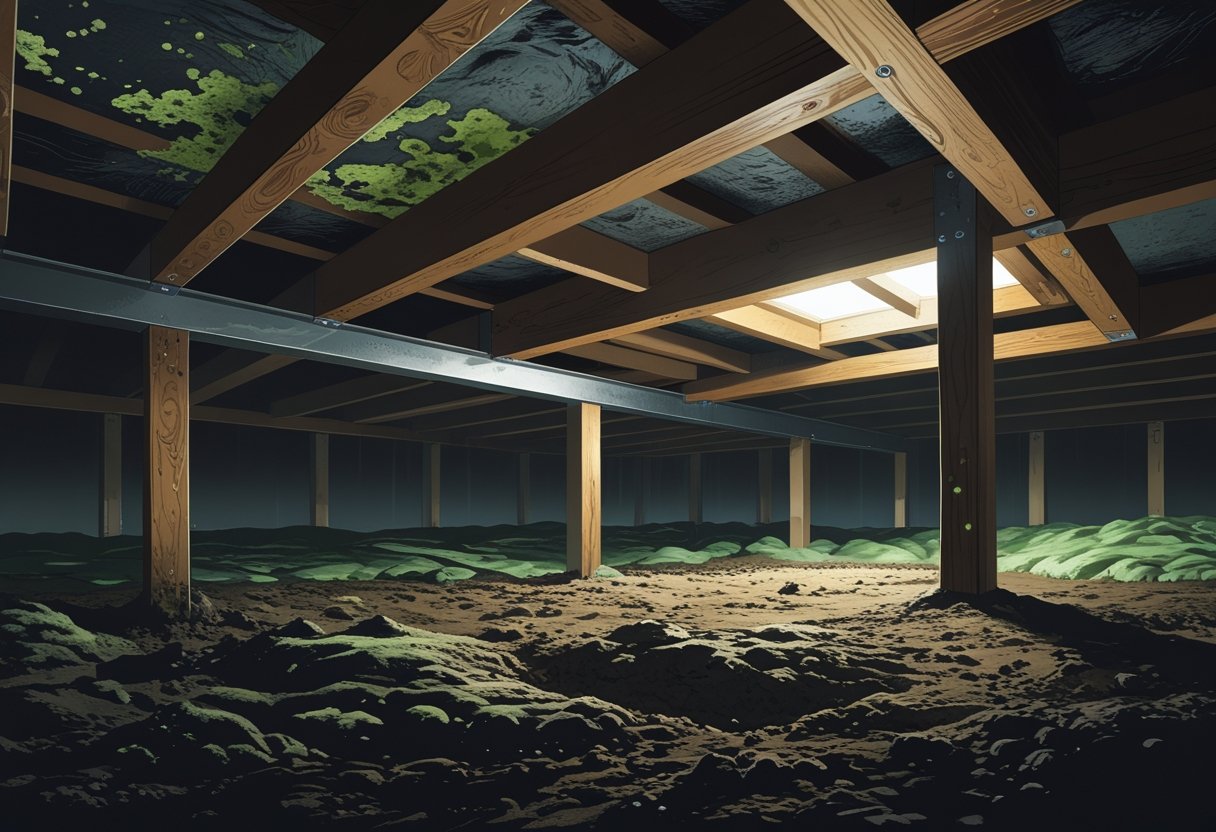
A musty smell in your crawl space usually means there’s too much moisture and not enough air moving around. Mold and other microbes love these conditions.
You might notice damage, weird smells indoors, and even health issues. It’s not something you want to let slide.
What Is a Musty Odor?
A musty odor is that damp, earthy smell that never quite goes away. In crawl spaces, it often comes from water sneaking in, condensation, or high humidity.
Moist air lets wood and insulation soak up water. Over time, this gives odor-causing microbes a cozy place to grow.
Unlike sharp chemical smells, musty odors are subtle but stick around. They can float up into your home through vents, ductwork, or even tiny gaps.
Common sources of musty odors in crawl spaces:
- Standing water from bad drainage
- Wet soil or mud under the house
- Damp wood or subfloor
- Stagnant air from poor ventilation
How Mold and Mildew Contribute to Odors
Mold and mildew are fungi that love moist, dark corners. In crawl spaces, they grow on wood, insulation, and anything organic if humidity stays above 60%.
As mold grows, it releases microbial volatile organic compounds (MVOCs). That’s the main reason for the musty smell you notice.
Mold can show up within 24–48 hours after moisture appears. Mildew is a bit different—usually powdery or flat—but it smells about the same.
Even a small patch can stink up the whole place. If spores stick around, the smell can linger long after things look dry.
Conditions that help mold and mildew grow:
- Humidity over 60%
- Stale, trapped air
- Organic material (like wood)
- Ongoing moisture
Health Risks of Musty Crawl Spaces
Breathing air from a moldy crawl space can irritate your lungs. Folks with allergies, asthma, or weaker immune systems feel it more.
Symptoms might include coughing, sneezing, itchy eyes, and stuffy noses. Kids and older adults are especially at risk.
Some molds create allergens and irritants. A few even make mycotoxins, though not every mold is toxic.
If you live in Decatur or Dunwoody, and notice these issues, it’s time to dry out and clean up your crawl space.
Why Crawl Spaces Attract Mold
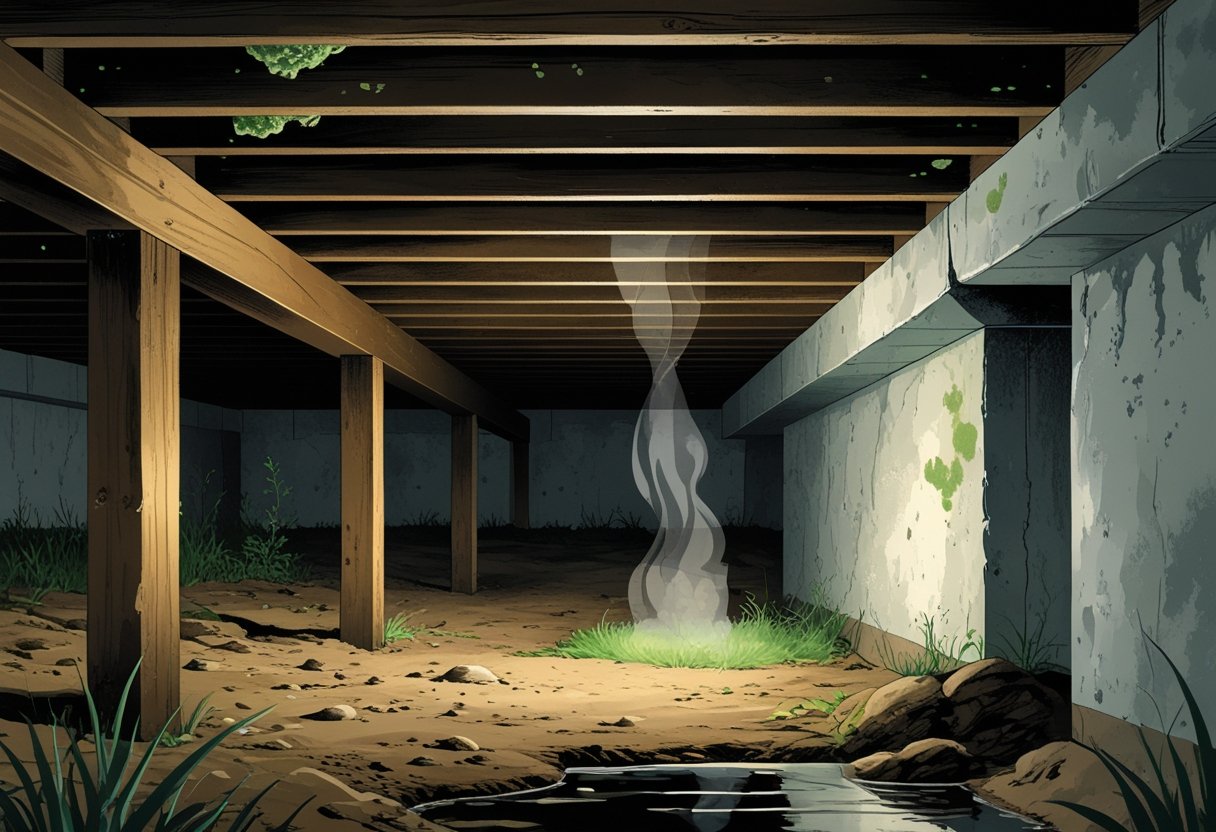
Crawl spaces trap damp air and keep organic materials exposed to moisture. High humidity, poor ventilation, and unsealed soil let mold spores settle and multiply.
Moisture and Humidity Issues
Moisture is the main reason mold shows up in crawl spaces. Water sneaks in from rain, leaky pipes, or even groundwater.
Even small puddles or damp insulation raise humidity. When humidity goes above 60%, mold spores can start growing in a day or two.
In summer, warm air from outside can hit the cool crawl space and cause condensation on pipes and walls.
Common moisture sources:
- Leaky pipes
- Bad grading around your foundation
- Missing or thin vapor barriers over soil
If you don’t control moisture, mold keeps coming back.
Lack of Sunlight and Air Circulation
Crawl spaces are dark—no sunlight means surfaces stay damp longer. Mold doesn’t care about light, so it thrives.
Bad air circulation keeps humidity trapped. Sometimes vents make it worse by letting in humid Atlanta air, which cools down and creates more condensation.
Signs of poor airflow: stale smells, damp insulation, visible mold on beams. Adding a fan or sealing and conditioning the space can help.
Exposed Dirt and Dust Build-Up
Many crawl spaces have exposed dirt floors. Bare soil lets moisture rise into the air, pushing humidity higher.
Dust and debris settle on surfaces, giving mold spores something to eat. Wood and insulation just add to the buffet.
A thick layer of polyethylene sheeting (at least 6-mil) over the soil blocks ground moisture. Cleaning out dust and junk helps too.
Sealing the crawl space over time reduces both dust and moisture problems in places like Sandy Springs and Kennesaw.
Common Causes of Musty Odors
Moisture build-up in a crawl space leads to mold and bad smells. Usually, it happens when water seeps in, air can’t circulate, or leaks go unnoticed.
Water Intrusion and Groundwater Leakage
Rain and groundwater can sneak into your crawl space through cracks or unsealed vents. Without proper waterproofing or drainage, water pools up and soaks wood, insulation, and soil.
This damp spot is perfect for mold and mildew. The odor can move right up into your home.
A sump pump helps get rid of standing water. Perimeter drains and vapor barriers lower moisture levels.
After heavy rain in East Point or Brookhaven, check your crawl space for leaks.
Plumbing Leaks and Drainage Problems
Leaky pipes or loose drains under your house drip water into the crawl space. Even a tiny leak keeps things damp enough for mold to grow.
Bad gutters or downspouts can dump water near your foundation. Redirecting runoff with better grading and longer downspouts helps.
Regularly check pipes and joints. If you find a leak, fix it fast and dry things out with fans or a dehumidifier.
Poor Ventilation and Stagnant Air
Crawl spaces without enough airflow trap humidity and stale air. This lets moisture sit on surfaces and feeds mold.
Older homes in College Park or Peachtree Corners, often have blocked vents or ones that are just too small. Sometimes, vents stay closed all year, making things worse.
To improve ventilation, you might add more vents, install a fan, or seal the crawl space and use a dehumidifier. The best fix depends on your climate and home style.
Keep humidity under 60% to stop mold and musty smells.
Identifying and Inspecting Mold Problems
Mold usually pops up in damp, stuffy crawl spaces where humidity stays high. Finding it early prevents damage to wood and insulation.
A careful inspection can reveal visible growth, hidden moisture, and warning signs of bigger problems.
Signs of Mold and Mildew Growth
A lingering musty odor is the most obvious sign. It comes from mold or mildew breaking down wood or insulation.
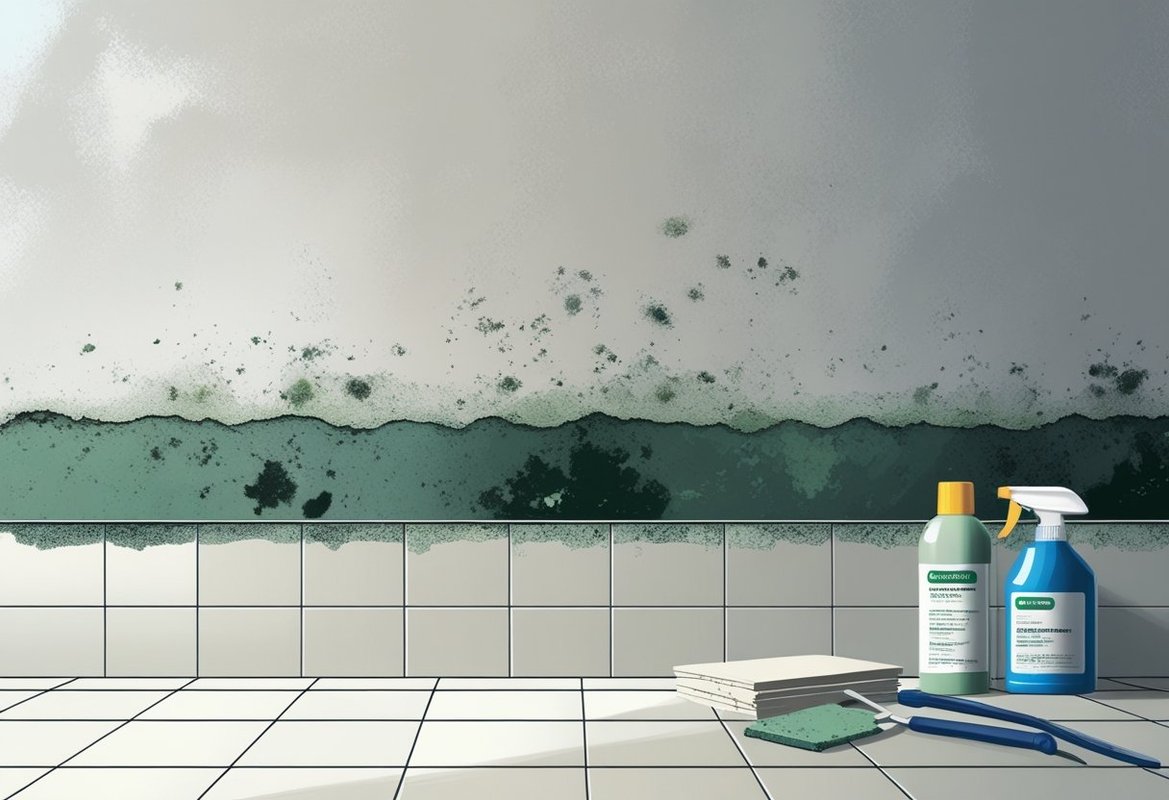
You might spot black, green, white, or gray patches on beams or vapor barriers. Mildew looks more like a thin, powdery layer.
Other signs:
- Discolored wood or concrete
- Peeling paint or warped boards
- More allergy symptoms indoors—coughing, itchy eyes, stuff like that
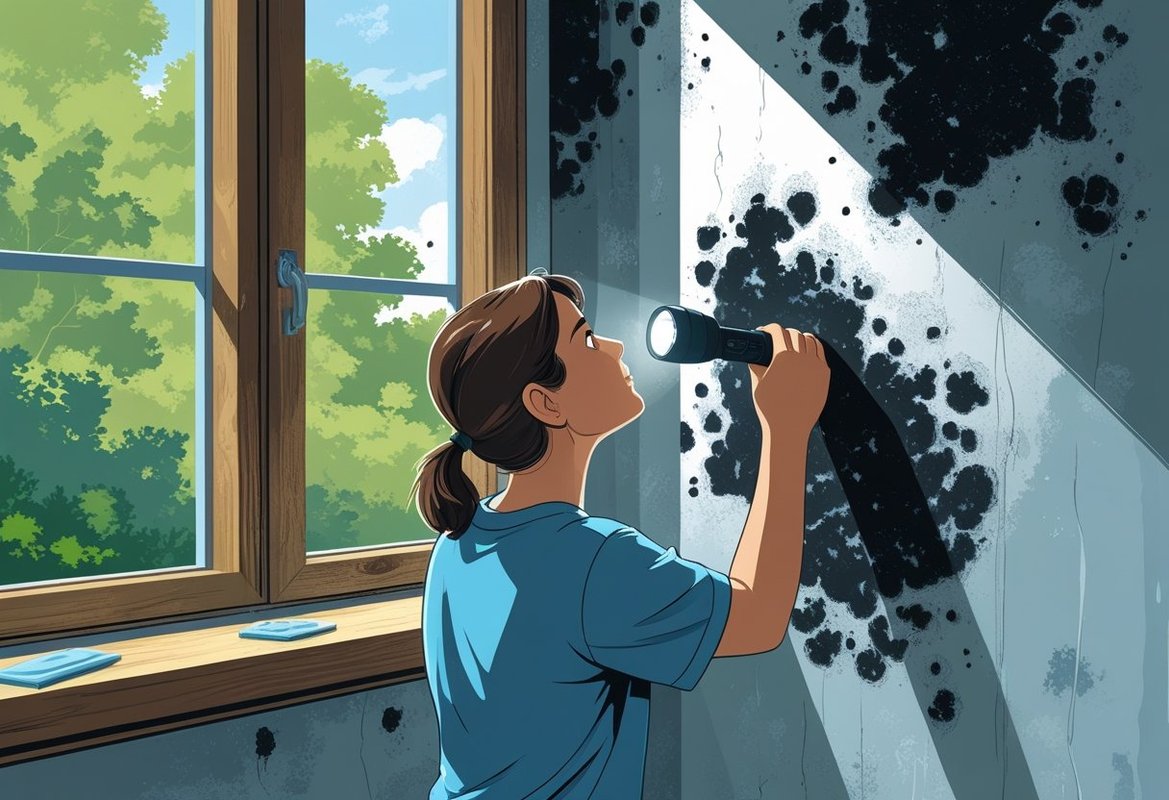
A flashlight and a mask are smart when checking for mold, since disturbing it releases spores.
Detecting Excess Moisture and Humidity
High humidity keeps mold happy. If your crawl space has relative humidity over 60%, spores can spread fast.
Moisture might come from:
- Leaky pipes or condensation
- Groundwater sneaking through walls
- Vents that let in humid air
A digital hygrometer gives you a clear read on humidity. Also check for damp soil, wet insulation, or condensation on beams.
Installing a vapor barrier or fixing drainage helps, but you’ve got to stop the source of moisture.
Recognizing Structural and Air Quality Issues
Mold weakens wooden beams by breaking down fibers. Over time, you might notice sagging floors or soft spots.
Air quality drops when mold spores drift into your home. This can happen through gaps around ductwork or plumbing.
Look for:
- Wood rot or crumbling beams
- Cracks or gaps letting air move up
- Dust or debris on insulation (a sign that air’s moving from below)
Fixing these issues protects your house and everyone living in it.
Effective Solutions to Eliminate Musty Smells
Moisture and bad airflow let mold and mildew take over crawl spaces. Tackling the dampness, cleaning surfaces, and putting up barriers can kick those odors and lower health risks.
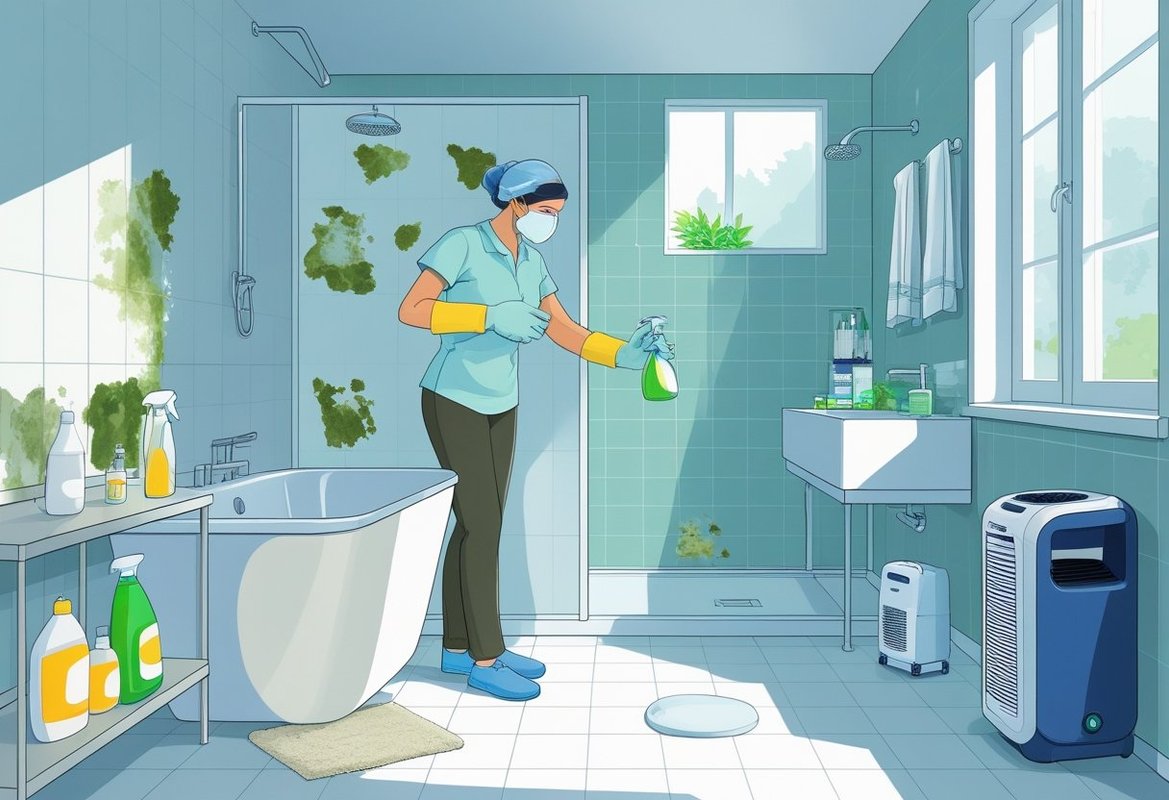
Cleaning and Removing Mold and Mildew
Start by finding every spot with mold or mildew. Usual suspects: floor joists, insulation, walls near vents or pipes.
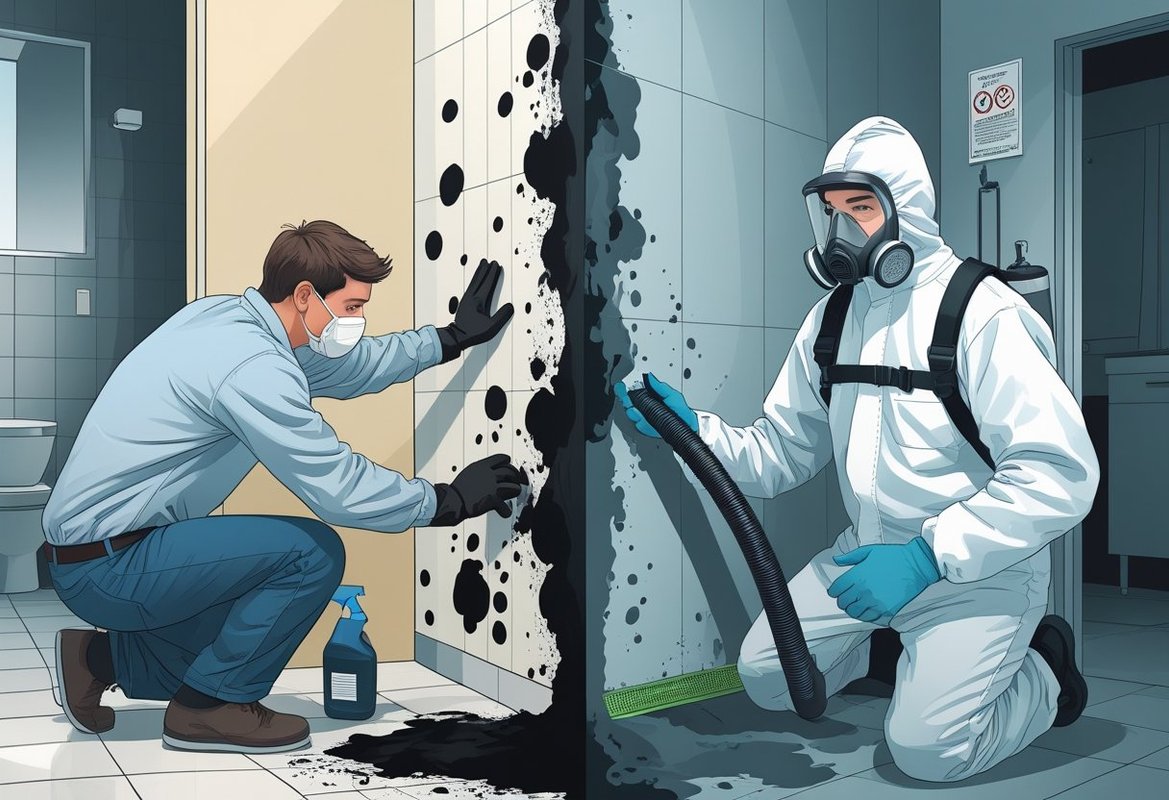
You can use white vinegar or a diluted bleach solution to kill mold spores and scrub away stains. Don’t forget gloves, goggles, and a mask.
Scrub with a stiff brush. If you use bleach, rinse with clean water and let the area dry completely.
For bigger messes, call a pro—they’ve got special cleaners and foggers to keep spores from spreading.
Improving Ventilation and Air Circulation
Bad airflow traps moisture and stale air. More ventilation dries things out and slows mold growth.
Add vent fans or passive vents to move air in and out. Set fans to pull damp air outside and bring in fresh air.
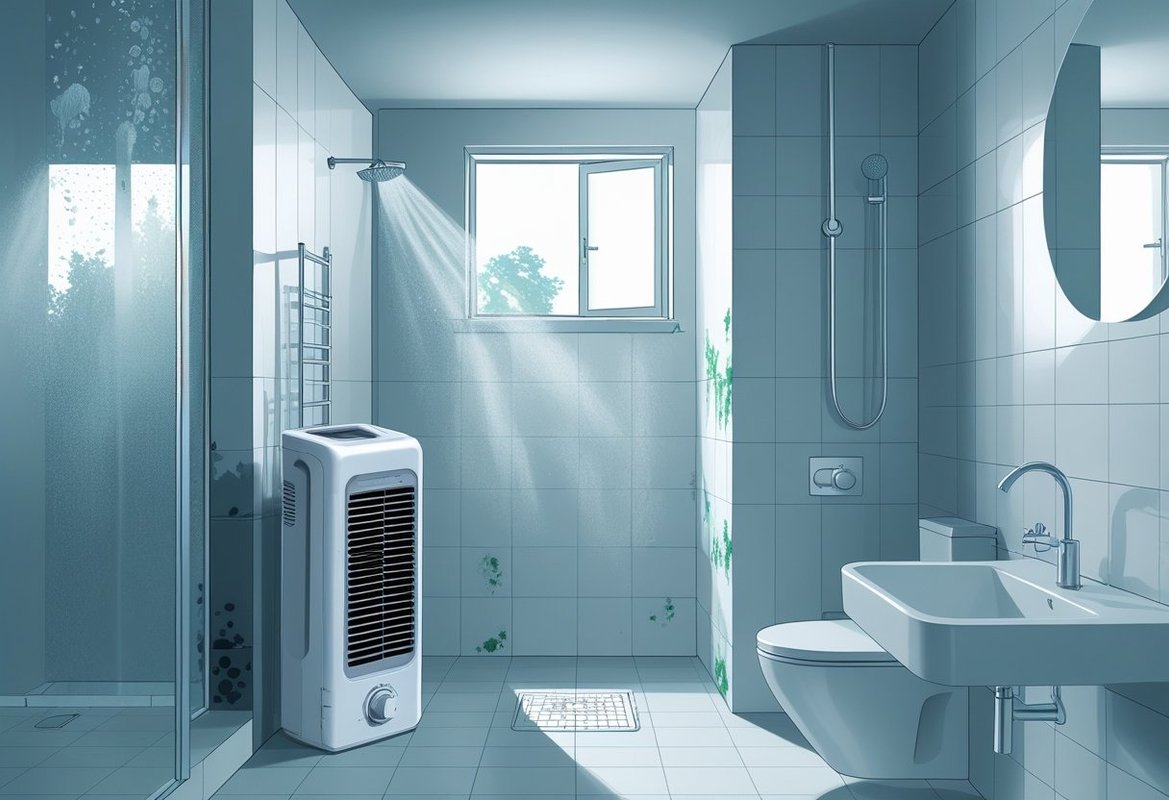
In humid places like Atlanta, a dehumidifier might work better than vents alone. Keep humidity under 60%.
Clear out clutter under the house to help air move and make inspections easier.
Installing Vapor Barriers and Plastic Tarps
A [vapor barrier keeps ground moisture] out of the crawl space air. Usually, it’s a thick plastic sheet covering the soil (sometimes the walls, too).
Seal seams and edges to stop gaps. Overlap sheets by at least a foot and tape them tight.
Wall insulation over the barrier helps stop condensation. Full encapsulation—covering everything with a sealed barrier—offers the strongest protection, especially if you add drainage and a dehumidifier.
Long-Term Prevention Strategies
To keep mold and musty smells out of your crawl space, you need to control moisture and boost airflow. Combine solid upgrades with regular upkeep to keep humidity down and air quality up.
If you’re in the Atlanta area—whether it’s Johns Creek, Lawrenceville, or Buckhead—don’t wait for that musty smell to get worse. A little prevention now saves you a lot of trouble (and money) later.
Waterproofing and Drainage Upgrades
Waterproofing keeps crawl spaces in places like Roswell dry, which helps prevent mold from taking over. Sealing the foundation walls with a vapor barrier stops a lot of water from sneaking in.
A sump pump can quickly pull out standing water after a big downpour. That’s especially helpful if you’re in flood-prone areas like Smyrna.
A drainage system outside the foundation pushes water away before it can seep into the crawl space. This might mean French drains, downspout extenders, or just grading the soil so it slopes away from your house.
Encapsulation is another route. You’d seal up the floor and walls with thick plastic sheeting, then tape the seams tight to block ground moisture. Add a dehumidifier, and you can keep humidity steady all year—especially important in humid spots like Decatur.
Using Odor Absorbers Like Baking Soda
Baking soda’s a cheap, simple fix for musty crawl space smells. It absorbs moisture and neutralizes odors instead of just covering them up.
You can set out open boxes or trays of baking soda in different corners. In bigger crawl spaces, you’ll want several containers for good coverage.
Swap out the baking soda every month or two, depending on how damp it gets. It won’t fix the underlying moisture, but it helps keep the air fresher until you tackle bigger repairs.
Routine Maintenance and Monitoring
Regular checks catch small problems before they turn into expensive headaches. At least twice a year, look for leaks, puddles, or torn insulation—especially if you’re in older homes around Marietta.
A moisture meter or humidity monitor lets you keep an eye on dampness in real time. Try to keep humidity under 60% so mold doesn’t have a chance to start.
Here’s a quick checklist:
| Task | Frequency | Purpose |
|---|---|---|
| Inspect vapor barrier | Every 6 months | Check for tears or gaps |
| Test sump pump | Annually | Make sure it works |
| Clean vents and drains | Twice a year | Keep airflow and drainage up |
| Replace odor absorbers | Every 1–3 months | Control musty smells |
Frequently Asked Questions
Mold in crawl spaces usually pops up from too much moisture, bad airflow, or water leaks. You might notice a weird smell, see fuzzy patches, or even start feeling stuffy indoors. Honestly, if you don’t fix the moisture, mold just keeps coming back.
What are the common signs that indicate the presence of mold in a crawl space?
Look for a musty or earthy smell. You might spot dark or white patches on wood or insulation, or see stains on surfaces.
Sometimes, the floors above the crawl space feel damp, or the indoor air just seems off. If your allergies flare up at home, that’s another clue.
Can a crawl space have a safe level of mold, and if so, what is it?
There’s really no “safe” amount of mold in a crawl space. Even small patches can send spores into your home’s air.
If you see any mold, clean it up and fix the moisture problem.
What are the effective methods for eliminating odors caused by mold in a crawl space?
Get rid of the mold and dry out the area. Use antimicrobial cleaners, run a dehumidifier, and open up vents for better airflow.
If the smell won’t go away, or the mold is everywhere, it’s time to call in a crawl space mold removal professional—especially for homes in Atlanta with persistent issues.
What are the different types of mold that can be found in a crawl space?
You’ll often find Aspergillus, Cladosporium, and the infamous Stachybotrys chartarum (black mold). White mold shows up too, especially on damp wood.
All of them can spread fast if you don’t control moisture.
How can homeowners safely remove mold from their crawl space by themselves?
Wear gloves, goggles, and an N95 mask. For small spots, scrub with a mold cleaner or diluted vinegar.
But if the mold covers more than about 10 square feet, it’s safer (and smarter) to hire a pro.
Is white mold a concern in crawl spaces, and how is it treated?
Yeah, white mold is a real issue in crawl spaces around Atlanta, GA. It can mess up wood and send spores drifting into your indoor air.
To tackle it, you’ll need to clean off the mold and bring down the moisture. If you’re getting mold remediation in Marietta, GA or Sandy Springs, encapsulating the crawl space is a smart move to keep it from coming back.

Water Damage Atlanta Editorial Team
Restoration & Home Services Expert
We help Atlanta homeowners recover from water damage with trusted advice and local resources.