Constant Condensation? How to Stop the Bathroom Mold Cycle for Good
Bathroom condensation isn’t just annoying—it’s the main reason mold keeps coming back. Warm, moist air from showers and baths hits cooler surfaces, leaving damp walls, ceilings, and windows.
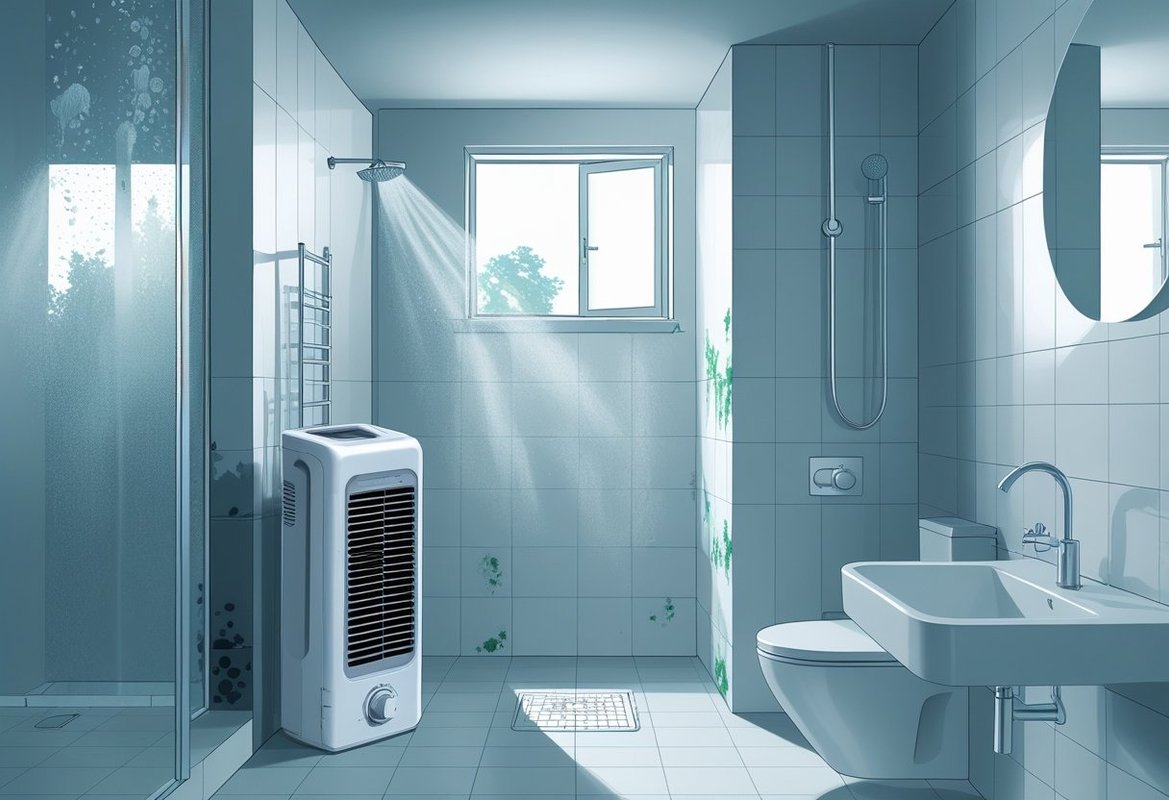
Constant Condensation? How to Stop the Bathroom Mold Cycle for Good
Bathroom condensation isn’t just annoying—it’s the main reason mold keeps coming back. Warm, moist air from showers and baths hits cooler surfaces, leaving damp walls, ceilings, and windows.
To stop the cycle, you’ve got to control both the moisture in the air and what it touches.
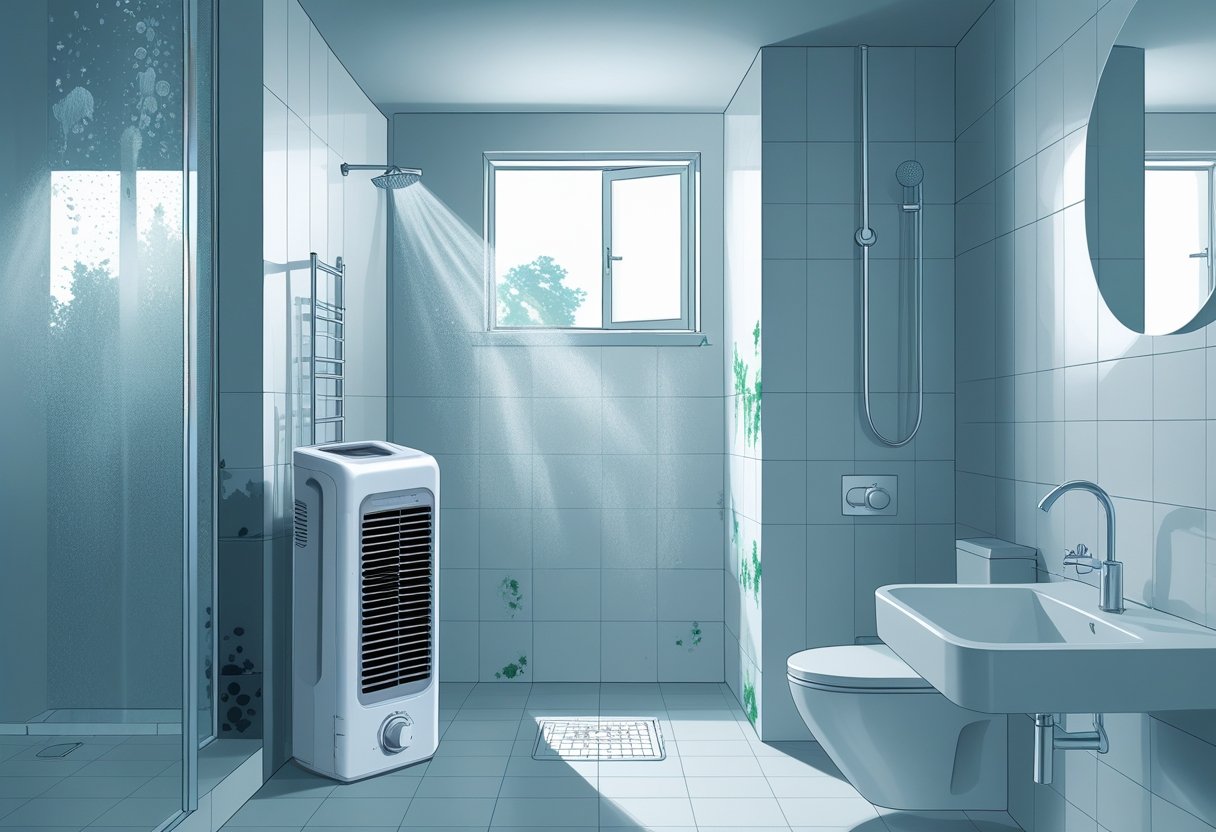
When condensation sticks around, mold spores settle and spread fast. Cleaning alone won’t cut it if you don’t fix the moisture problem.
Ventilation, humidity control, and smarter design choices can actually keep surfaces dry and mold from returning.
Let’s dig into why condensation happens, how it feeds mold, and what really works to break the cycle in places like Decatur or East Point. Airflow tweaks, material upgrades—there’s more you can do than you might think. Spoiler Alert! If you're dealing with mold in your bathroom in Decatur, it might simply be ventilation. Those ventilation fans are over 50 years old in many cases.
Understanding Constant Bathroom Condensation

Moisture builds up in bathrooms when warm air meets cooler surfaces. That’s when you see water droplets on mirrors, walls, and windows.
Over time, this dampness damages surfaces, encourages mold, and can mess with indoor air quality.
How Condensation Forms in Bathrooms
Condensation forms when warm, humid air from showers or baths hits colder surfaces. Water vapor turns into liquid droplets.
You’ll notice this most on:
- Mirrors
- Tiled walls
- Windows
- Metal fixtures
Tiny bathrooms in places like Sandy Springs with poor air movement trap steam, so moisture settles everywhere.
If steam doesn’t evaporate quickly, those droplets can stick around for hours, leaving everything damp and mold-prone.
Even if your bathroom’s warm, bad ventilation means steam still collects on cold spots. That’s why exhaust fans, open windows, and airflow matter so much.
Common Causes of Persistent Moisture
Here’s what usually causes constant bathroom condensation:
| Cause | Effect on Moisture Levels |
|---|---|
| Poor ventilation | Steam gets trapped, humidity rises |
| Cold surfaces | Bigger temp difference, more droplets |
| Long, hot showers | More steam than the room can handle |
| Leaks or plumbing issues | Extra water everywhere |
| Inadequate heating | Slower evaporation |
Bathrooms in older homes around College Park without exhaust fans or window vents struggle the most.
Cold outside walls or single-pane windows are magnets for condensation. Even a leaky faucet keeps everything damp.
Impact of Condensation on Bathroom Health
Constant condensation creates perfect conditions for mold and mildew. These thrive in damp, warm spaces and grow on grout, paint, and ceilings.
Mold spores can trigger allergies, asthma, or just plain make you feel lousy. Over time, mold stains surfaces, weakens materials, and makes the bathroom smell musty.
Excess moisture also wrecks paint, wallpaper, and wood. Swelling, peeling, and warping happen fast if you let condensation stick around.
The Mold Cycle: Why It Keeps Returning

Bathroom mold keeps coming back because the real issues—moisture and airflow—don’t get fixed. High humidity, constant condensation, and stale air let mold grow back right after you clean.
How Condensation Triggers Mold Growth
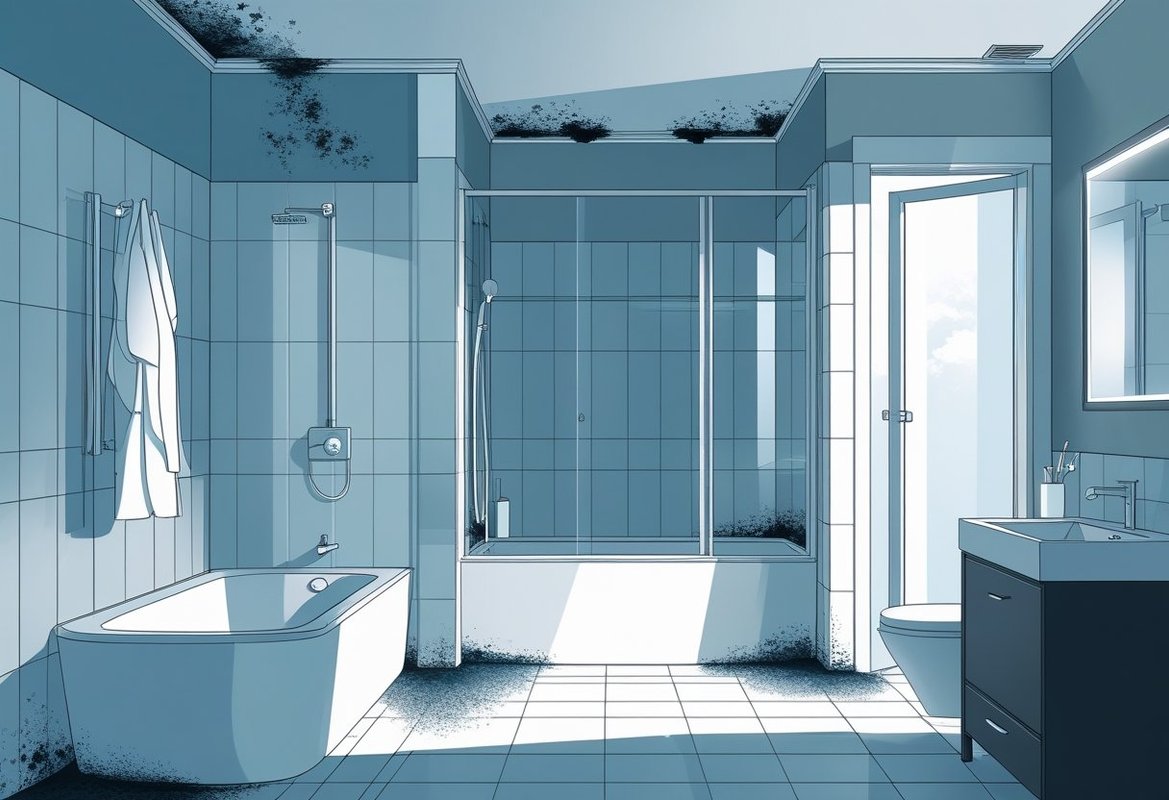
When warm, moist air from showers hits cooler surfaces, condensation forms. Water collects on mirrors, tiles, ceilings, and grout.
If it hangs around for hours, mold has everything it needs to grow.
Bathrooms without decent ventilation trap humidity. Even a little daily moisture keeps surfaces damp enough for mold spores to thrive.
Common triggers:
- Not using the exhaust fan or not having one
- Leaky pipes behind walls or under sinks
- Bad insulation that creates cold spots
If you don’t cut down condensation, mold will just keep coming back.
Signs of Mold Recurrence
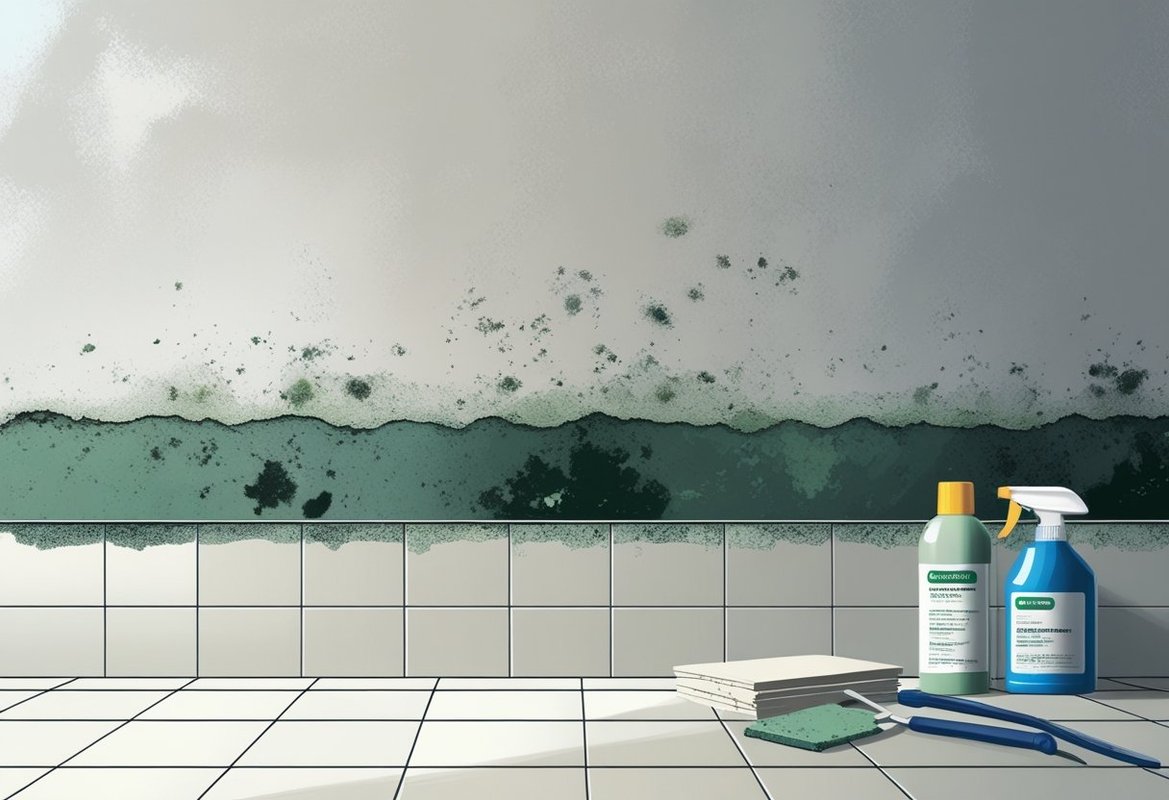
Mold loves to show up in the same spots. Black mold or, green, or brown patches reappear on grout, caulk, or ceiling paint just days after cleaning.
Other clues:
- Musty smell that sticks around
- Stains under paint or wallpaper
- Peeling paint from trapped moisture
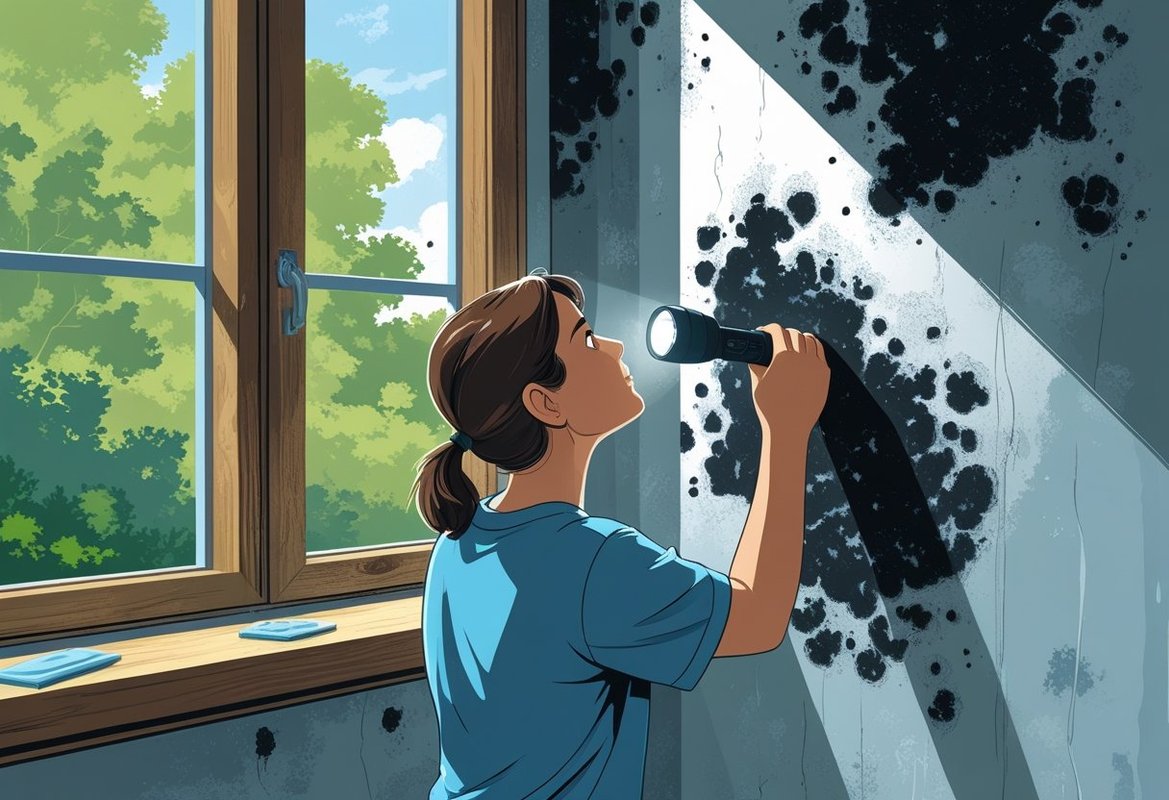
Sometimes, mold hides behind tiles, under flooring, or in ventilation ducts. These hidden sources can send spores into the air, so mold pops up somewhere else.
If you notice mold returning fast, you probably haven’t fixed the moisture source.
Health Risks Associated With Bathroom Mold
Bathroom mold messes with air quality. Mold spores often trigger allergies—sneezing, coughing, itchy eyes.
People with asthma or breathing issues usually feel worse. Certain molds, like Stachybotrys chartarum (black mold), can really irritate your lungs.
Who’s at higher risk?
- Kids
- Older folks
- Anyone with a weak immune system
Even small mold patches send spores into the air. That’s why you’ve got to fix the moisture, not just scrub the surface.
Ventilation Solutions for Lasting Results
To control bathroom moisture, you need to get humid air out fast and keep fresh air coming in. Good equipment, the right size, and regular cleaning all help stop condensation and keep mold away.
Exhaust Fan Installation and Maintenance
An exhaust fan should blow moist air outside—not into your attic or crawlspace. Venting indoors just traps humidity and can cause hidden mold.
Keep the duct short, straight, and insulated to avoid condensation inside it.
Run the fan for at least 20 minutes after bathing or showering. A timer switch helps if you always forget.
Clean the fan grille and blades every few months. Dust slows it down. Make sure the outside vent flap isn’t stuck or blocked.
Choosing the Right Extractor Fan
Pick an extractor fan that matches your bathroom’s size. Fan power is measured in CFM (cubic feet per minute).
A standard rule: at least 1 CFM per square foot. Go higher if you don’t have windows or your bathroom in Alpharetta, GA gets super steamy.
Quieter fans (1.5 sones or less) are more likely to get used. Energy-efficient models with humidity sensors turn on automatically when moisture rises.
Improving Overall Bathroom Ventilation
A fan alone isn’t enough. Fresh air needs a way in while humid air gets out.
Leave a small gap under the door or install a trickle vent in a window. If you can, crack the window during and after showers to let steam escape.
Keeping a steady, low heat in the bathroom helps too. Warm surfaces don’t collect as much moisture. Combine heat with ventilation for the best shot at staying mold-free.
Humidity and Moisture Control Strategies
Bathroom moisture control means getting rid of extra water vapor fast, keeping surfaces dry, and stopping mold-friendly conditions. The right tools and daily habits keep condensation and humidity in check.
Using a Dehumidifier Effectively
A dehumidifier can suck moisture out of the air before it settles on walls or mirrors. If your bathroom in Roswell, GA doesn’t have a window or great ventilation, it’s especially handy.
Put it in a central spot, away from water splashes, with good airflow. Models with humidity sensors can keep things in the 40–50% range.
Empty the tank daily or hook up a drain hose. Clean the filter regularly to keep it working.
If space is tight, a small portable unit can run for a few hours after showers to cut condensation.
Daily Habits to Reduce Condensation
Simple routines help a lot. Run the exhaust fan during and for at least 20 minutes after a shower.
Leave the bathroom door open a crack when you’re done. Wipe down shower walls, mirrors, and windows with a squeegee or towel so water doesn’t stick around.
Don’t dry clothes in the bathroom—it just adds more moisture. Try to keep a steady low heat in winter to avoid big temperature swings.
Quick checklist:
- Use the exhaust fan during/after showers
- Wipe wet surfaces
- Leave the door open after bathing
- Don’t add extra moisture
Monitoring and Managing Humidity Levels
Use a digital hygrometer to check humidity. If it goes over 60%, mold risk climbs.
If humidity stays high, run the fan or dehumidifier longer. In winter, check for cold spots on walls or windows—those are condensation magnets.
Seal up gaps around vents and windows so moist air doesn’t sneak into the walls. Use moisture-resistant paint or materials in splash zones.
Try to keep humidity between 40–50% to protect surfaces and air quality.
Bathroom Design and Material Upgrades
Sometimes, you need to change the bathroom’s structure or finishes to control condensation. Smart design choices stabilize temperature, limit water absorption, and block moisture from getting into walls and floors.
Insulation and Temperature Regulation
Bad insulation creates cold surfaces where moisture collects. Adding insulation behind walls and ceilings keeps surfaces warmer, so less condensation forms.
Many homeowners add foam board or insulated plasterboard behind bathroom walls. For floors, insulated underlayment under tile helps too.
Keeping a steady low heat limits temperature swings. Heated towel rails or small wall heaters work well in smaller spaces. In colder spots like Johns Creek, GA, double-glazed windows stop glass from fogging up.
Selecting Moisture-Resistant Materials
Moisture-resistant surfaces slow down mold and prevent water damage. Use cement board instead of drywall for walls.
Choose washable, mold-resistant paint (satin or semi-gloss) for easier cleaning. Porcelain or ceramic tiles with sealed grout lines beat out laminate or wood floors, which can warp.
Go for stainless steel or treated aluminum fixtures—they don’t rust. Tempered glass shower enclosures with anti-fog coatings help too. PVC trim instead of wood around windows and baseboards won’t rot in damp spots.
Sealing Leaks and Cracks
Even tiny gaps let warm, moist air sneak into cooler spaces inside walls and ceilings. That’s a recipe for hidden mold.
Check tub, sink, and shower edges for old caulk. Replace it with 100% silicone sealant for better water resistance.
Fix cracked grout lines fast. Around windows and vents, use weatherstripping or foam sealant to close gaps. Seal pipe and cable holes with expanding foam or silicone.
Inspect every 6–12 months to catch leaks early. Fixing these small problems helps keep your bathroom drier.
Long-Term Prevention and Maintenance
Keeping moisture under control means sticking to good habits, making sure equipment works, and doing small upgrades that boost airflow.
Routine Cleaning and Mold Removal
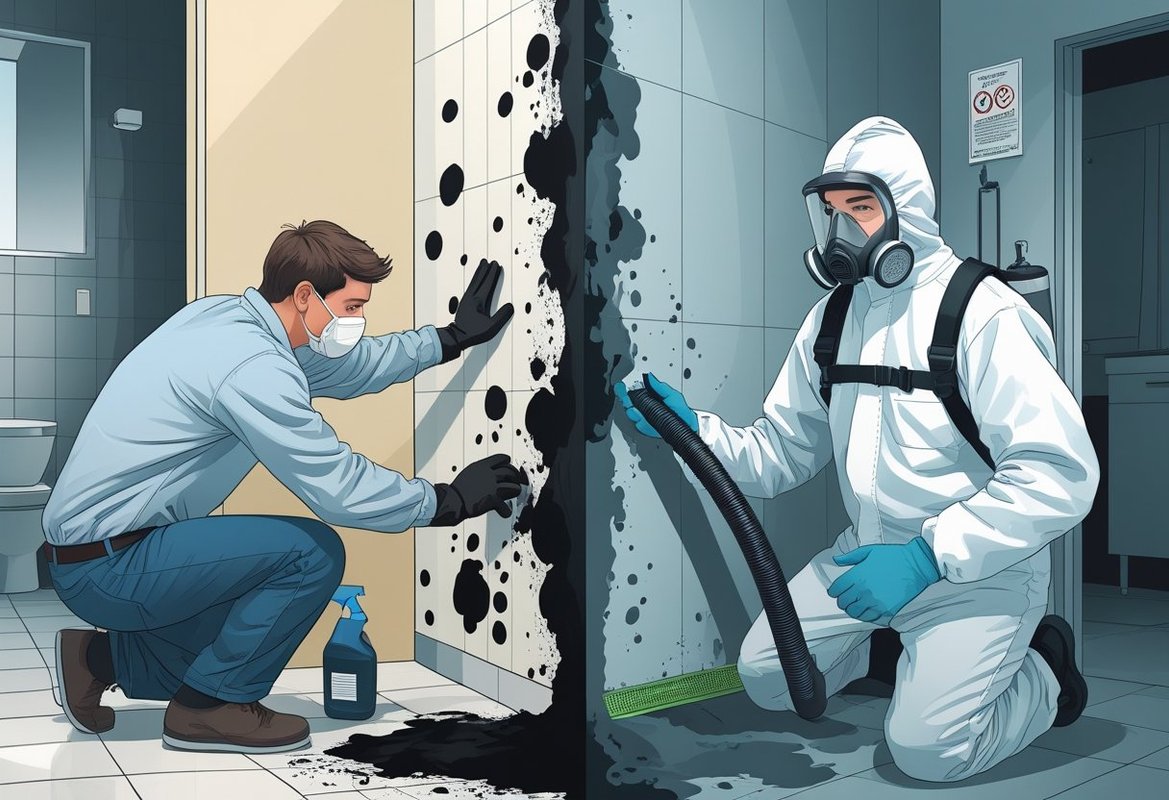
Clean regularly to stop mold from taking hold on walls, ceilings, and grout. Mold grows fast in damp spots, so catch it early.
Use a mild detergent or 1 part vinegar to 3 parts water to wipe surfaces. For stubborn spots, a diluted bleach solution works—just use it carefully and ventilate.
Focus on corners, behind fixtures, and around windows where water lingers. Dry everything completely after cleaning.
A small squeegee in the bathroom makes it easy to swipe water off walls and tiles after showers. It’s a simple step that really cuts down on surface moisture.
Maintaining Ventilation Systems
Run your exhaust fan during showers and for about 15–20 minutes after to clear out humid air. If the fan sounds loud or doesn’t seem to pull much air, it’s probably not doing its job.
Check the vent duct for blockages or loose connections. Always make sure moist air vents outside—not into an attic or crawl space, since that just shifts the problem.
Clean dust off the fan cover and blades every few months. Dust buildup chokes airflow and makes the motor strain.
If your fan’s over a decade old, consider swapping it for a newer, stronger model. Sometimes, that’s the simplest fix.
Crack a window during showers if you can, especially if your bathroom’s in a spot like Midtown Atlanta, GA and you don’t have a strong fan.
Upgrading Fixtures for Better Airflow
Small upgrades can noticeably improve moisture control. A humidity-sensing exhaust fan will turn itself on and off, keeping the air drier without you thinking about it.
Switching to a low-flow showerhead cuts down on steam, which helps keep humidity in check.
Try adding a wall or ceiling vent grille to boost air circulation. It’s a quick way to move moist air out faster.
If you’ve got the space, put a small dehumidifier in the bathroom. Keeping humidity under 60% helps stop condensation and mold, especially in places like Decatur, GA.
Frequently Asked Questions
What are effective natural remedies for preventing mold in bedrooms during winter?
Use a dehumidifier to keep humidity under 50%. Even opening windows for a bit each day brings in fresh air and helps.
Spray white vinegar on trouble spots to kill mold spores. Baking soda can soak up extra moisture and cut down odors.
What strategies can be used to prevent mold on bathroom ceilings?
Run the exhaust fan during and after showers to clear out steam. Wipe the ceiling with a dry cloth after using the shower if you notice condensation.
Try mold-resistant paint on the ceiling to make it harder for spores to stick.
What health risks are associated with bathroom mold exposure?
Mold can trigger sneezing, coughing, and skin irritation. People with asthma might notice symptoms get worse.
Breathing in mold for a long time can lead to bigger problems like respiratory issues or sinus infections.
How can mold growth be prevented in bathrooms that lack windows?
Install a good exhaust fan to make up for no natural ventilation. Let it run for about 20 minutes after you bathe.
Use moisture-absorbing products like silica gel or moisture traps to help keep the air dry, which is especially useful in older homes around East Atlanta, GA.
What are the best practices to prevent mold in bathrooms without exhaust fans?
Keep the door open after showers so steam can escape. A portable dehumidifier can lower humidity levels.
Wipe down wet surfaces—walls, mirrors, whatever gets damp—right after use. That little habit can really help stop mold from showing up, whether you’re in Buckhead, Atlanta, GA or anywhere else.
What measures can be taken to stop mold from spreading on interior walls?
Fix leaks behind or inside your walls as soon as you spot them. If you’re in the Atlanta, GA area—say, Alpharetta or Decatur—don’t wait around, since moisture lingers here.
Clean any affected spots with a vinegar solution. It’s simple and does a surprisingly good job killing mold spores.
Before you repaint, use a mold-resistant primer. That step gives your walls a fighting chance against future outbreaks.
Check for damp patches often. Catching moisture early really is the best way to keep mold from spreading.

Water Damage Atlanta Editorial Team
Restoration & Home Services Expert
We help Atlanta homeowners recover from water damage with trusted advice and local resources.