5 Telltale Signs You Need Professional Bathroom Mold Removal And How To Address Them
Bathroom mold spreads fast in damp, poorly ventilated spaces. It messes up walls, tiles, and ceilings—and can create health problems and long-term surface damage.
5 Telltale Signs You Need Professional Bathroom Mold Removal And How To Address Them
Bathroom mold spreads fast in damp, poorly ventilated spaces. It messes up walls, tiles, and ceilings—and can create health problems and long-term surface damage.
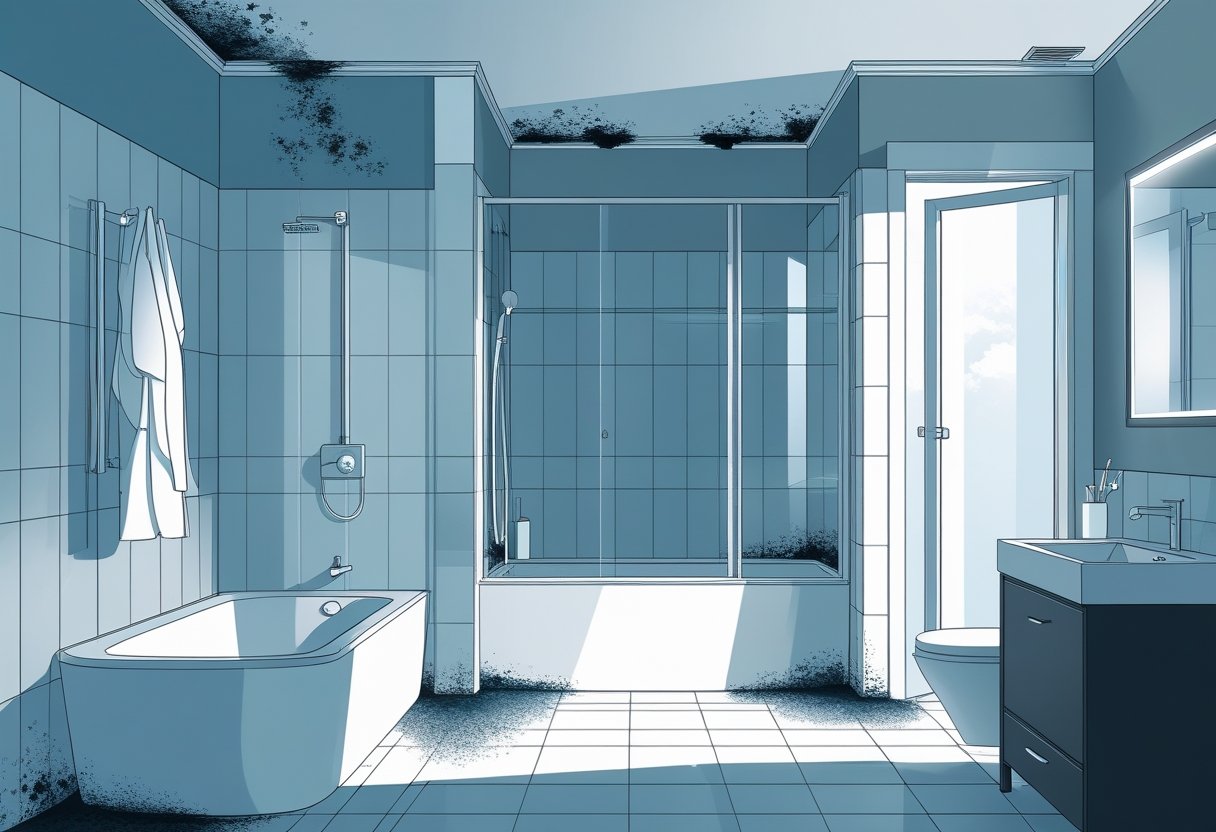
Some signs jump out, like dark patches or peeling paint. Others are sneakier, like a musty smell that won’t go away or unexplained coughing.
If you live in the Atlanta, GA area—especially places like Decatur or Marietta—catching these signs early can save you a lot of hassle. Mold can grow behind walls, under floors, and in corners you rarely clean. When you're thinking about cost of mold, the price of real estate can come into play. It's more expensive to fix mold in Alpharetta, than it is in say, Stockbridge. Luckily you can use our mold calculator if you want to get an idea.
Why Professional Bathroom Mold Removal Is Essential
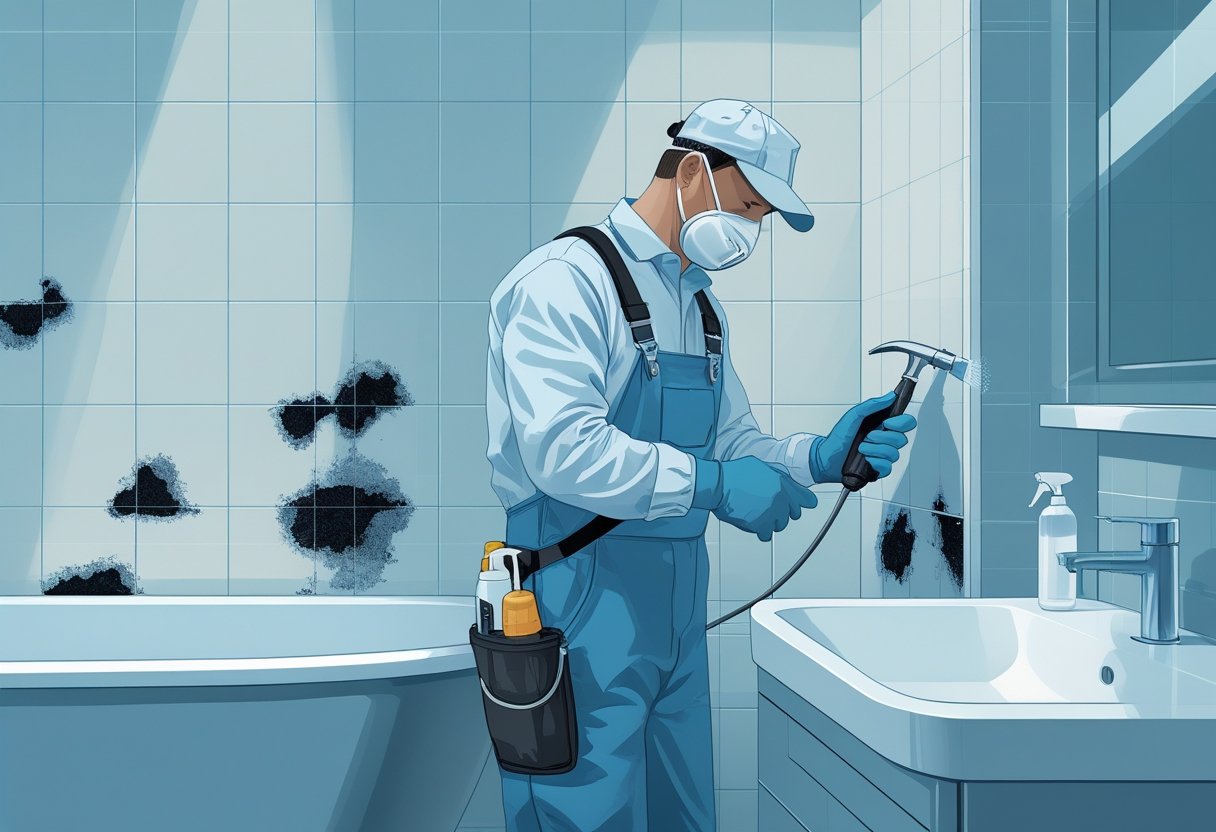
Mold hides behind tile, walls, or fixtures. It thrives in Atlanta’s humid climate, especially in older homes in Decatur or the old homes in Sandy Springs.
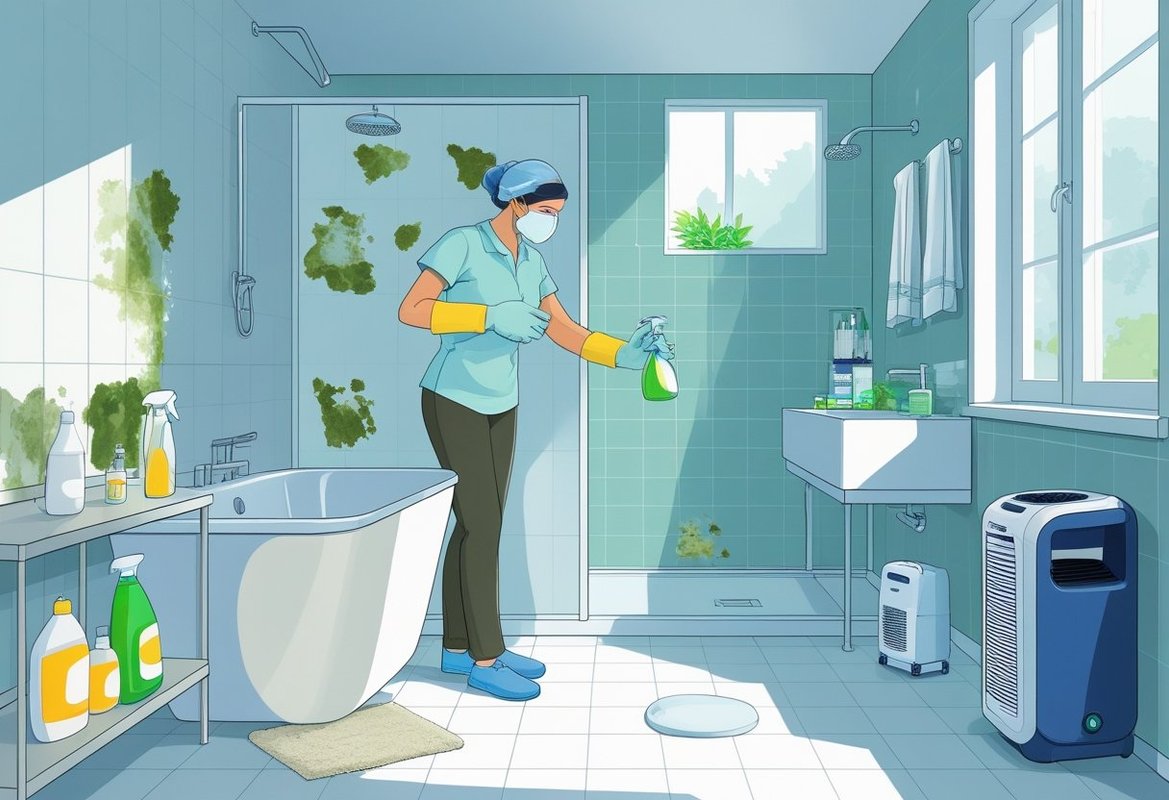
Getting rid of it for good usually means using specialized tools and safety steps. Otherwise, you risk it coming right back.
Risks of DIY Mold Removal
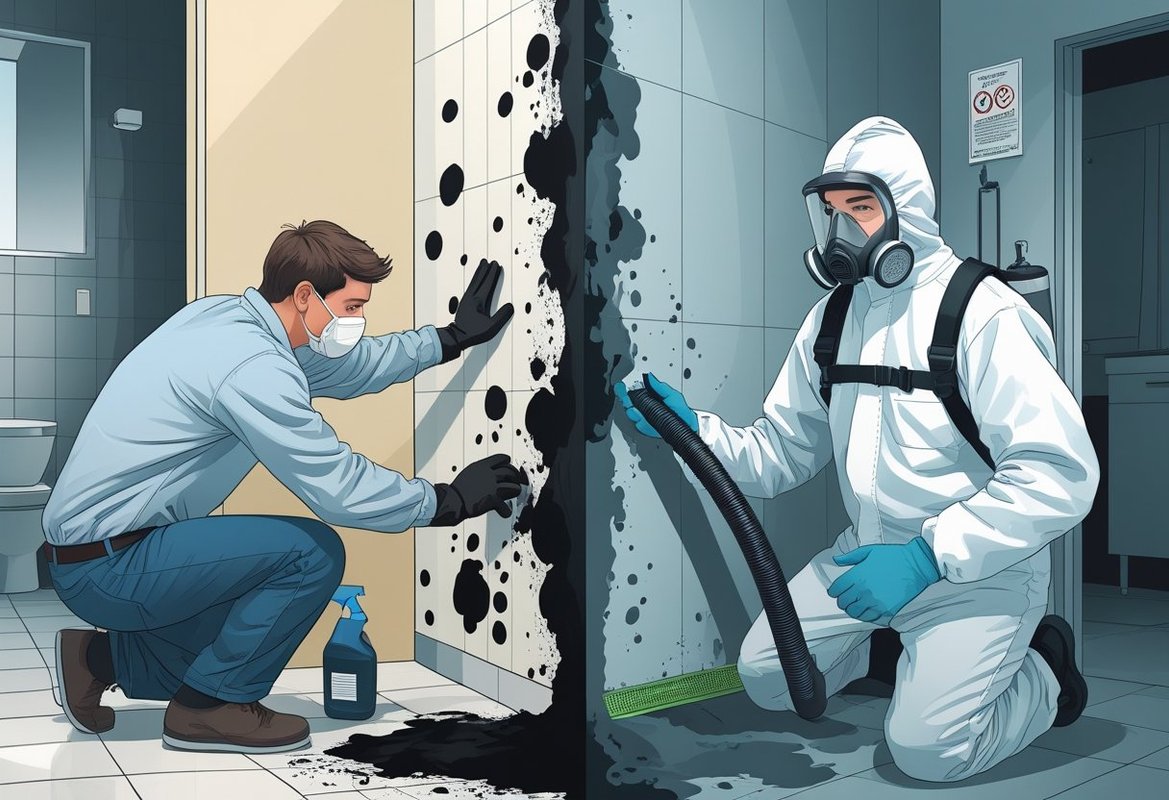
DIY cleaning mostly tackles what you can see. Hidden mold behind drywall or under floors keeps releasing spores.
Regular cleaners rarely kill all mold, especially black mold (Stachybotrys chartarum). It’ll just come back, often stronger.
Without gear, you might inhale spores or touch contaminated spots. That can mean rashes, breathing trouble, or worse if you have asthma.
Trying to clean mold with a household vacuum or scrubbing dry mold can spread spores. Tossing moldy stuff in open trash bins isn’t safe either.
Benefits of Hiring Experts
Professional mold teams in Atlanta use proven remediation methods. They find and treat mold you can’t see, not just the obvious stuff.
They use HEPA vacuums, air scrubbers, and antimicrobial sprays to remove spores and keep them from spreading.
Certified techs seal off bad areas and wear protective suits. That keeps everyone safer—your family and the workers.
Black mold often means cutting out drywall or insulation. Pros handle this and dispose of waste the right way, following Georgia’s rules.
If you need documentation for insurance or selling your home in Roswell or Sandy Springs, pros can provide it.
Sign 1: Persistent Musty Odor
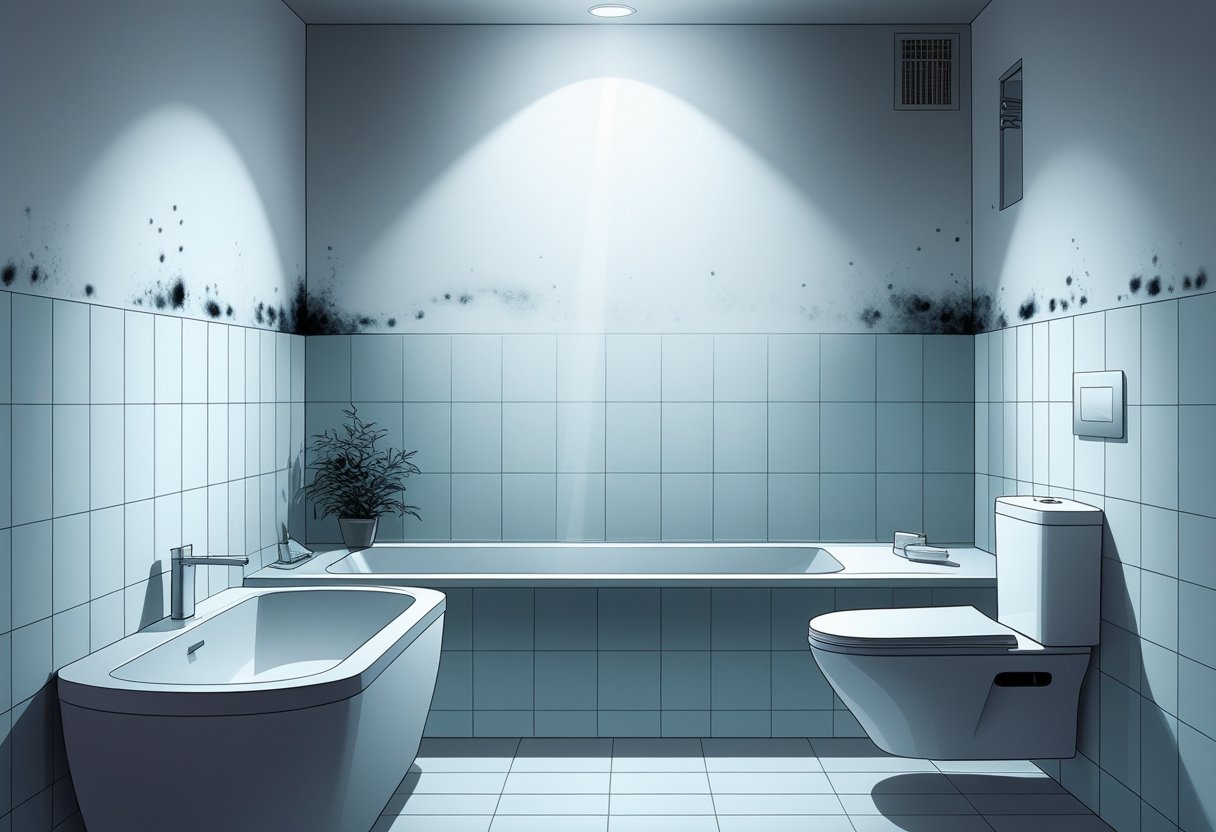
A damp, earthy smell in your bathroom usually points to mold, even if you can’t see it. This odor can drift through the air and stick around after cleaning.
Identifying Musty Smells in Bathrooms
Musty odors in bathrooms are damp, stale, or earthy. They often hit hardest after a shower or if the room’s been closed up.
Towels, rugs, and curtains can soak up these smells. If washing and airing out doesn’t help, mold is likely lurking.
You can try to sniff out the source—check near sinks, drains, or vents. Notice if the smell gets worse when the HVAC is running.
Mold spores release compounds into the air, and that’s what you’re smelling. It can make your bathroom less comfortable and lower air quality.
Hidden Mold Sources
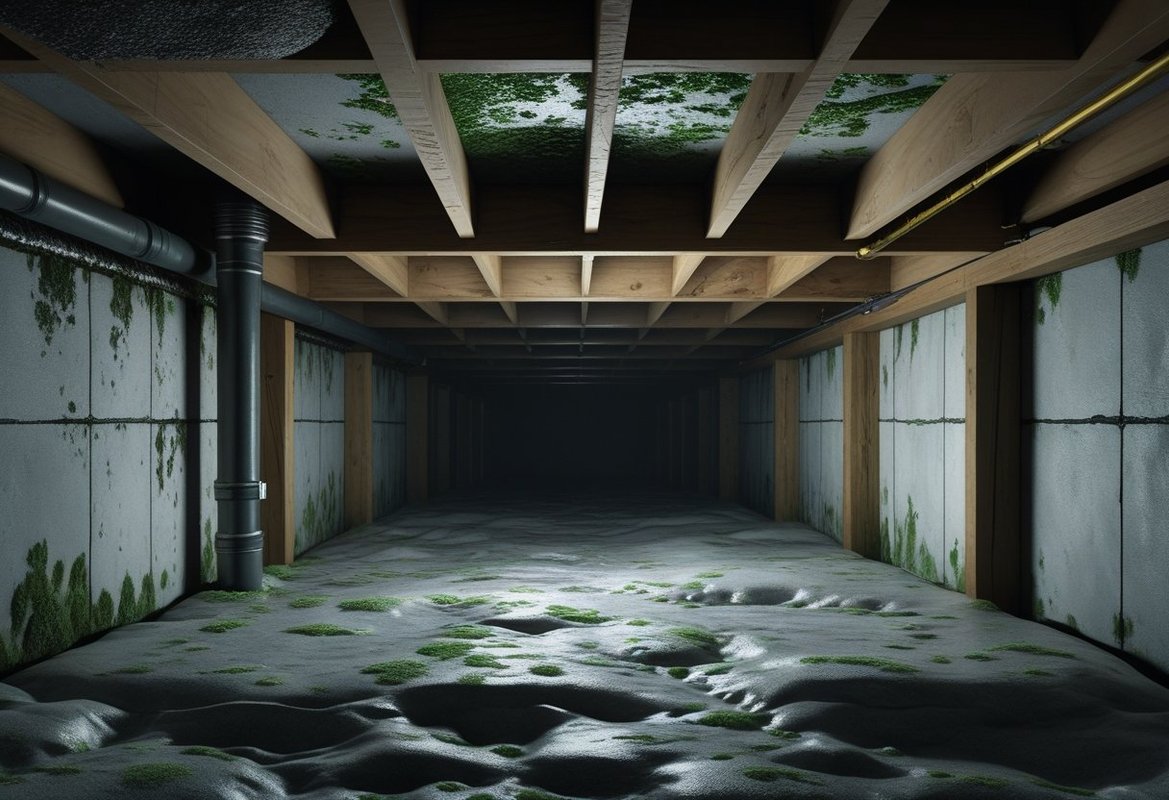
Mold loves damp, hidden spots—behind tiles, under floors, inside cabinets, or around plumbing.
Moisture in bathroom ductwork can spread odors throughout your home, whether you’re in Midtown or Alpharetta.
Even tiny leaks behind walls or under tubs can start mold. You might not see damage, but the smell tells you it’s there.
If the odor sticks around after cleaning and airing out, it’s time for a professional inspection. They’ll find the source before things get worse.
Sign 2: Visible Mold Growth and Discoloration
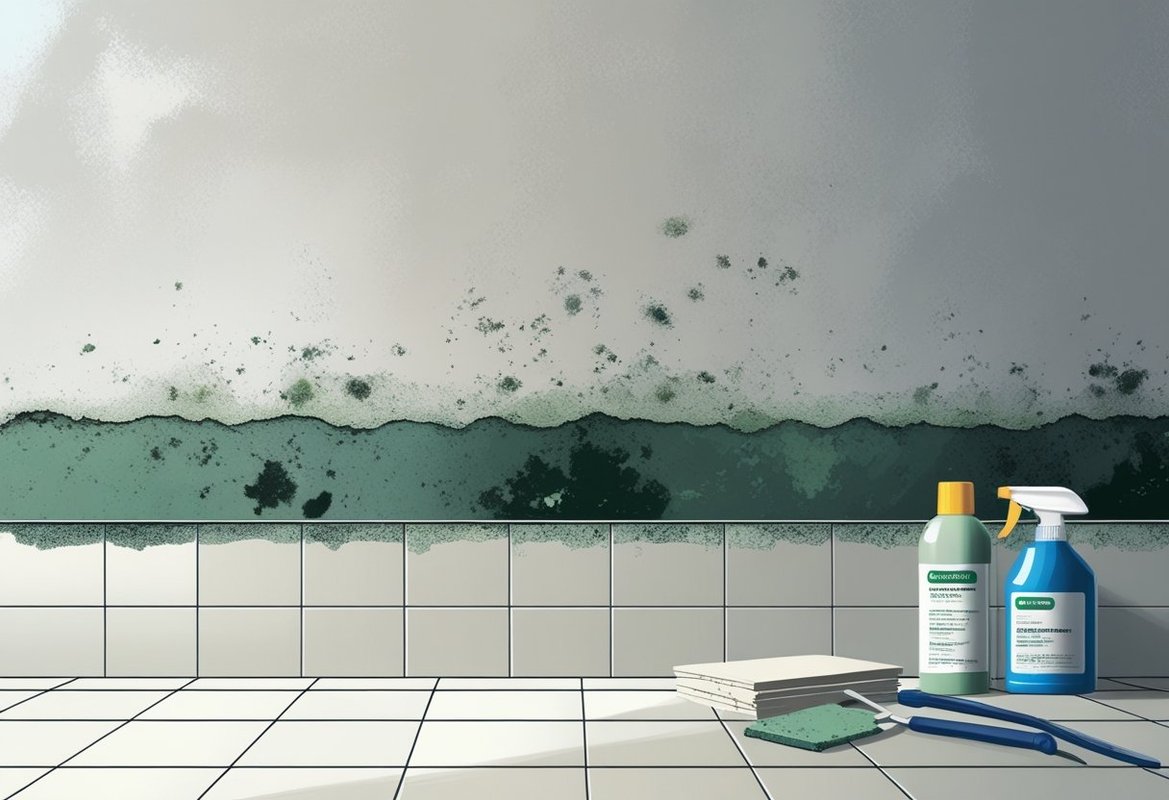
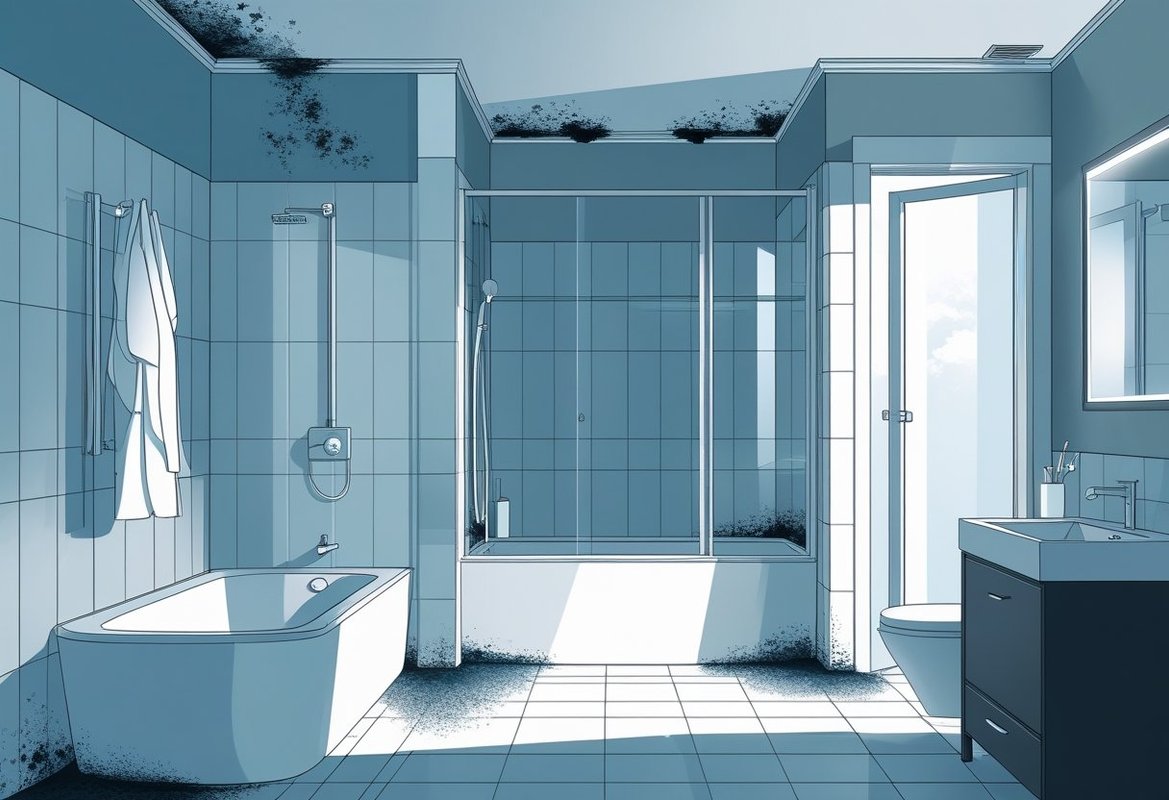
Mold in bathrooms often looks like dark spots, fuzzy patches, or stains that change the color of surfaces. Usually, this means moisture and bad ventilation are at play.
Common Types of Bathroom Mold
Atlanta bathrooms often see black mold (Stachybotrys chartarum), which is dark green-black and slimy. It grows on damp stuff like drywall or wallpaper.
Aspergillus shows up in white, yellow, green, or brown patches—in grout, on shower curtains, or inside vents.
Cladosporium brings black or olive-green spots on painted walls or caulk. Each type spreads fast if ignored.
It’s tough to ID mold by sight, but if it keeps spreading, it’s time to call a pro.
Recognizing Discoloration on Surfaces
Discoloration often shows up before major mold growth. Look for yellow, brown, or dark streaks on walls, ceilings, or grout.
Paint or wallpaper might bubble, peel, or show faint stains. These changes hint at mold growing underneath.
Here’s a quick cheat sheet:
| Color/Pattern | Possible Cause |
|---|---|
| Black/green patches | Stachybotrys or Aspergillus |
| Yellow/brown stains | Water damage with hidden mold |
| Gray/white fuzzy spots | Early surface mold growth |
Even a small discolored patch in your bathroom—especially in places like East Point or Brookhaven—should get checked out.
Sign 3: Water Damage and Leaks
Leaks or past flooding create perfect mold conditions. Even a little trapped water behind walls or under floors can spark hidden mold problems.
Detecting Water Leaks
Leaks often start small—dripping pipes, loose faucets, or bad caulking.
Watch for damp spots, peeling paint, or bubbling wallpaper. A lingering musty smell is another clue.
Check under sinks, behind toilets, and around shower bases. A moisture meter can help find hidden dampness.
Even slow leaks can wreck drywall and wood, setting up a mold playground.
Impact of Flooding and Moisture
Flooding from an overflowing tub or burst pipe can leave water trapped in tough spots.
Water seeps under tile, into walls, and under floors. If it’s not dried fast, mold spreads beyond what you can see.
Flooded bathrooms usually need pro drying gear—big fans and dehumidifiers. Sometimes, parts of the wall or floor need to come out.
Even after the puddles are gone, leftover moisture can stay hidden. Keep an eye on humidity, new stains, or odors to make sure mold doesn’t return.
Sign 4: Health and Respiratory Issues
Mold in bathrooms releases tiny spores into the air. These can mess with your breathing, cause allergies, and create health issues—especially if you already have asthma or allergies.
Allergy and Asthma Symptoms
Mold can make you sneeze, get a runny nose, itchy eyes, or skin rashes. These symptoms might feel like regular allergies but don’t fade with the seasons.
People with asthma might have more attacks or trouble breathing. Spores irritate airways, making it harder to catch your breath.
Bad ventilation traps moisture and lets mold grow, so symptoms get worse indoors.
Common signs:
- Stuffy nose that won’t clear
- Coughing that’s worse in the bathroom
- Red, watery eyes
- Wheezing or shortness of breath
If you feel better when you leave the house, mold could be the reason.
Other Health Effects of Mold Exposure
Mold can bring headaches, fatigue, and throat irritation. At first, it might be mild, but it gets worse if you keep breathing it in.
Some people get sinus infections or a chronic cough. Folks with weak immune systems react even more.
Breathing in mold can irritate your throat and lungs, even if you’re healthy. Long-term exposure in a bathroom with no ventilation can trigger recurring issues.
Sign 5: Structural Changes and Surface Damage
Moisture from mold can weaken surfaces over time. This damage is more than just ugly—it can mean bigger problems.
Peeling Paint and Wallpaper
Peeling paint or wallpaper usually means moisture is trapped underneath. Mold grows behind these layers when water sneaks in through cracks or gaps.
Paint might bubble, blister, or flake away. Wallpaper can lift or curl at the edges.
Look out for:
- Blistered paint that feels soft
- Wallpaper edges peeling up
- Discoloration under peeling spots
If peeling keeps coming back after repairs, there’s probably mold hiding out. Fixing the surface won’t help unless you tackle the moisture and mold underneath.
Warped or Damaged Materials
Moldy moisture warps wood, drywall, and other materials. In bathrooms, this hits baseboards, door frames, and cabinets.
Warping happens when materials soak up water unevenly. That causes swelling, bending, and sometimes cracks or gaps.
Signs to spot:
- Soft or spongy drywall
- Swollen wood trim or cabinet panels
- Uneven or buckled flooring near wet spots
These problems won’t fix themselves. Warped stuff usually needs replacing, and you’ll have to remove the mold to keep it from coming back.
When to Schedule a Professional Mold Inspection
A professional inspection finds hidden mold, measures contamination, and figures out the safest way to remove it. It also spots moisture issues that could make mold return.
What to Expect During an Inspection
An inspector starts with a visual check of your bathroom and nearby rooms. They look for mold, stains, warped materials, and signs of dampness.
They’ll ask about leaks, flooding, or humidity problems. This helps them zero in on trouble spots.
If they suspect hidden mold, they might do air or surface sampling. The results guide removal and safety steps.
You’ll get a written report with findings and recommendations. That way, you know what needs fixing and how to prevent future mold.
Tools and Techniques Used by Professionals
Inspectors use moisture meters to find dampness in walls, floors, and ceilings—no cutting needed.
Infrared cameras help spot temperature changes that reveal hidden water.
Air sampling pumps measure spores in the air. Surface swabs or tape lifts collect samples for lab analysis.
Sometimes, they use borescopes—tiny cameras on cables—to peek inside wall cavities. This lets them confirm mold before tearing anything out.
If you’re in the Atlanta area—maybe Sandy Springs, College Park, or right in downtown Atlanta—don’t wait if you spot these signs. Professional help can save your bathroom, your health, and your peace of mind.
Preventing Future Mold Problems in Bathrooms
Too much moisture and poor air flow let mold creep back in. If you keep things dry and keep the air moving, mold doesn’t stand a chance.
Regular upkeep and using the right tools go a long way. It’s not rocket science, but it does take a little effort.
Controlling Humidity and Moisture
Bathrooms in Atlanta neighborhoods like Buckhead or Decatur tend to trap steam from hot showers. That sends humidity way up, and mold loves that.
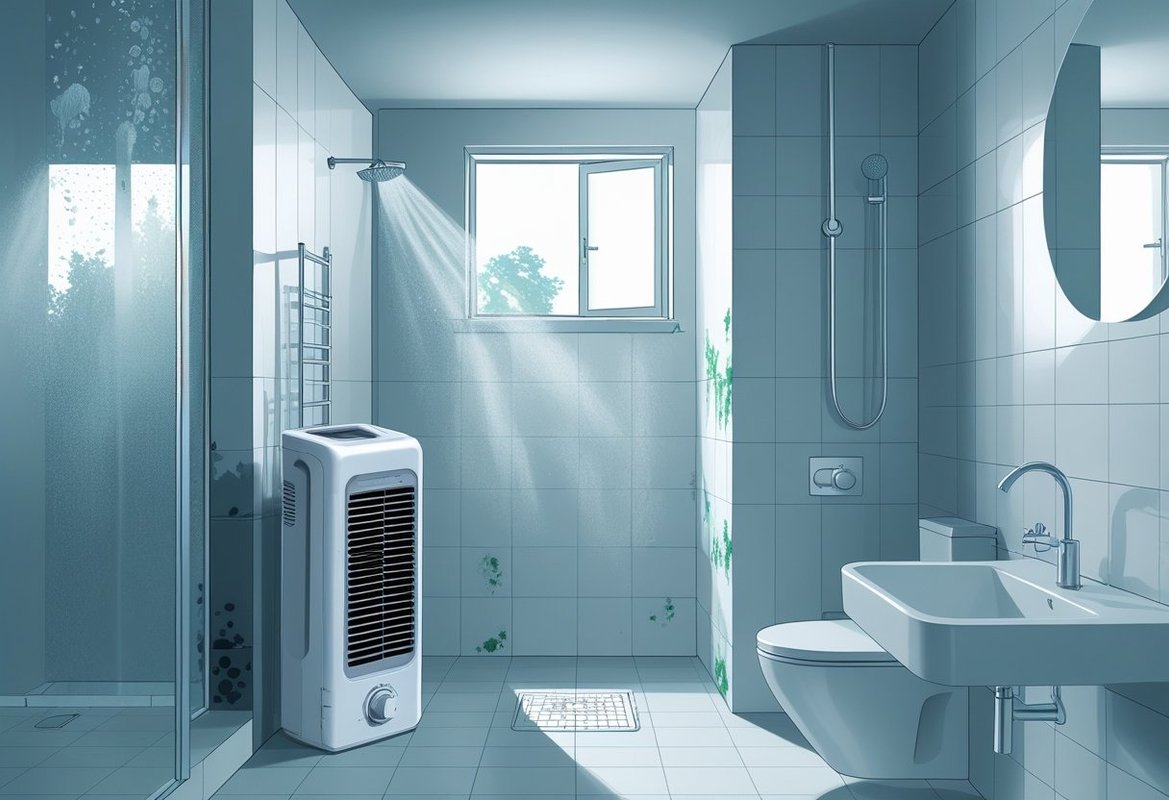
Try to keep humidity under 50%. In bathrooms without windows, or in muggy areas like College Park, a small dehumidifier can make a big difference.
Flip on the exhaust fan during and after showers. If you’ve got a window, crack it open for 15 minutes or so.
Wipe down wet spots on shower walls or tiles. Mold can’t grow if there’s no lingering water.
If you spot leaks from faucets, showerheads, or around the toilet, fix them right away. Even a tiny drip can make a mess over time.
Using mold-resistant paint and caulk around showers or tubs adds another layer of defense.
Quick checklist for moisture control:
- Run the exhaust fan or open a window after bathing
- Wipe water off surfaces every day
- Fix leaks fast
- Try a dehumidifier in closed-up bathrooms
Maintaining Your HVAC System
Your HVAC system does more than just heat and cool. It also keeps humidity in check.
If the system isn’t running well, you’ll notice sticky air and maybe even moldy smells. Change filters every 1–3 months to keep the air flowing clean.
Schedule a yearly inspection. A pro can spot clogged drains, dirty coils, or bad ventilation that lets damp air linger.
If your HVAC has a built-in dehumidifier, test it now and then to make sure it’s still working. Make sure ductwork is sealed so wet air doesn’t sneak into your bathroom.
A well-maintained HVAC system helps keep mold at bay and makes your whole home feel fresher. Not bad, right?
Frequently Asked Questions
Bathroom mold shows up in how it looks, smells, and spreads. Sometimes you need a pro to get rid of it for good, especially if you want to protect your health or your house.
How can I identify mold in my bathroom that requires professional removal?
If mold covers more than 10 square feet, hides inside walls, or keeps coming back after you scrub, call a pro.
Black, green, or dark brown patches that look fuzzy or slimy are more serious than little surface dots.
A strong, musty smell is another warning sign, especially if you can’t see the source.
What health risks are associated with bathroom mold, and when should I be concerned?
Mold can make you cough, sneeze, itch, or irritate your eyes.
If you’ve got asthma, allergies, or a weak immune system, reactions can be worse.
If your symptoms get worse in the bathroom, it’s time to check for mold.
What are the signs that bathroom mold has spread beyond what I can clean myself?
Peeling paint, warped walls, or soft drywall? That might mean mold inside the walls.
Ongoing leaks or bad airflow let mold spread where you can’t see it.
If you clean and it keeps coming back, there’s probably hidden growth.
Why is it important to hire a professional for mold removal instead of doing it myself?
Pros have special tools to find and remove hidden mold.
They know how to keep spores from spreading while they clean up.
DIY jobs usually miss deep or hidden patches, so the problem just comes back.
How often should I inspect my bathroom for mold to prevent serious infestations?
Take a look once a month.
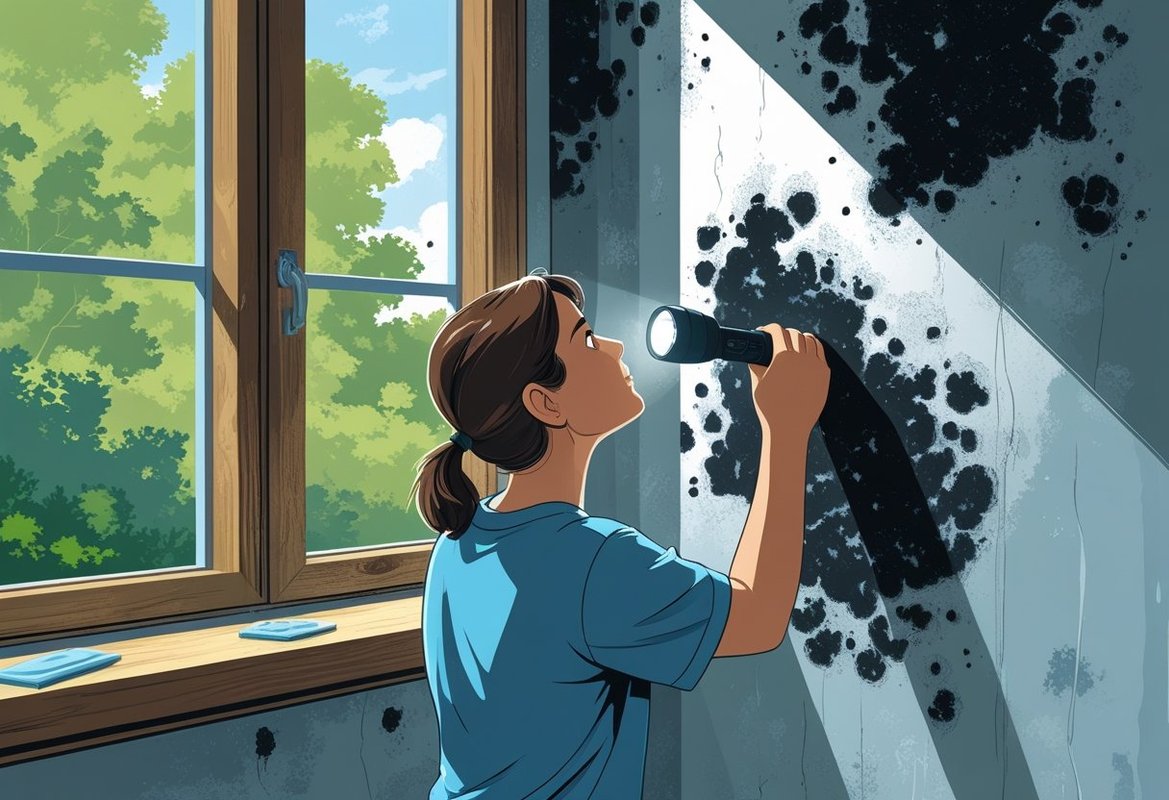
Check corners, grout, under sinks, and around vents for any weird spots or dampness.
If you’ve had a leak or flood, check right away. Mold can move fast, especially in Atlanta’s humid spots like Sandy Springs or Midtown.
Can bathroom mold cause structural damage to my home, and how can I tell?
Mold eats away at drywall, wood, and other porous stuff over time. You might notice soft spots, crumbling walls, warped floors, or even a sagging ceiling.
If you’re in the Atlanta area—maybe somewhere like Sandy Springs or Decatur—and you spot these issues, it’s smart to get a mold pro from our directory for a real assessment. Don’t just guess; let someone who knows what they’re doing check it out.
Water Damage Atlanta Editorial Team
Restoration & Home Services Expert
We help Atlanta homeowners recover from water damage with trusted advice and local resources.