Identifying Stachybotrys (Black Mold) in Your Atlanta Home: Signs and Prevention Tips
Black mold, or Stachybotrys chartarum, can quietly grow in damp areas of your home. It brings both property damage and health risks.
Identifying Stachybotrys (Black Mold) in Your Atlanta Home: Signs and Prevention Tips
Black mold, or Stachybotrys chartarum, can quietly grow in damp areas of your home. It brings both property damage and health risks.
Atlanta’s humid climate, especially in places like Decatur or Sandy Springs, creates the perfect conditions for mold after roof leaks, plumbing mishaps, or poor ventilation. Knowing how to spot black mold early helps avoid expensive repairs and keeps your family safer.
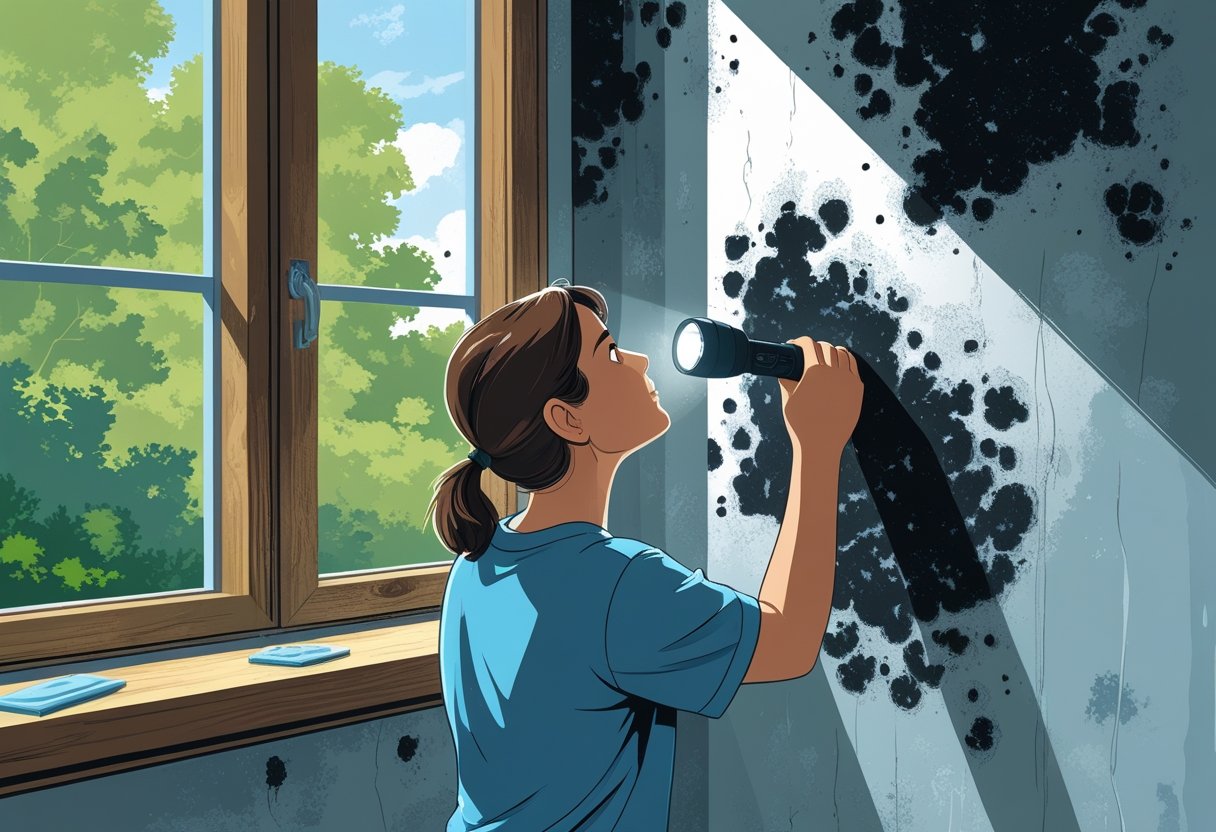
This mold usually looks dark green to black and feels slimy if it’s wet. It loves materials like drywall, wood, and insulation that stay damp for days.
Not every dark mold is toxic, but it’s smart to identify potential Stachybotrys quickly to keep your indoor air healthy. If you’re in Marietta or find black mold in Dectur, catching it early makes all the difference.
Understanding Stachybotrys (Black Mold)
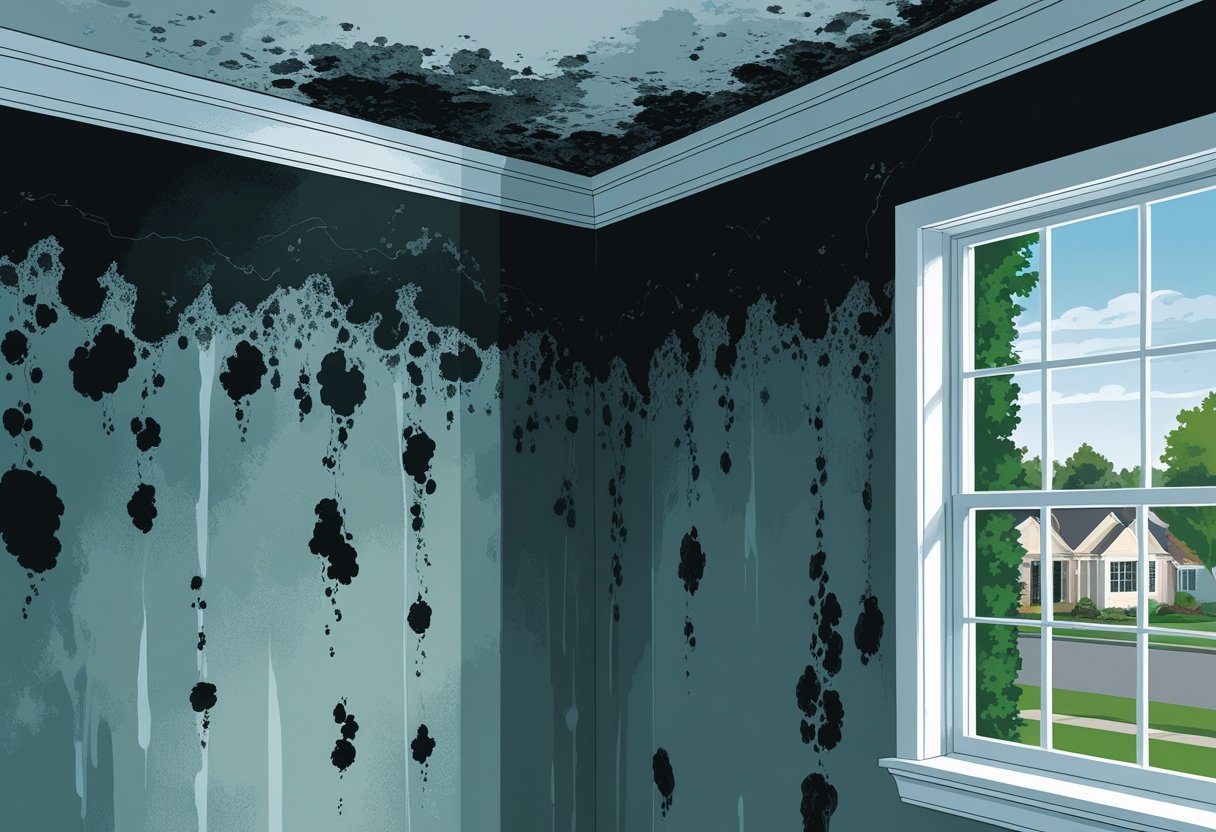
Stachybotrys chartarum grows slowly in damp indoor spots. It can release mycotoxins that affect air quality and health, especially if moisture sticks around.
If you find it quickly, you can stop damage and exposure before things get out of hand.
What Is Stachybotrys Chartarum?
Stachybotrys chartarum, or black mold, is a greenish-black fungus. It grows on stuff with lots of cellulose—think drywall, wood, paper, even ceiling tiles.
It needs constant moisture for several days or weeks to get going. Leaks from roofs, pipes, or flooding often set the stage.
Wet colonies look slimy or sticky, but when they dry out, they turn powdery. You might notice a musty odor, though that’s not always a sure sign.
Why Black Mold Is a Concern
Black mold can create mycotoxins—chemicals that irritate eyes, nose, and throat, especially for sensitive folks. In places like East Point or Smyrna, that’s a real worry with our muggy summers.
If you’ve got asthma, allergies, or a weak immune system, you’re at higher risk. Kids and elderly family members are more sensitive, too.
Stachybotrys breaks down cellulose, weakening drywall and wood over time. That means costly repairs if you don’t act fast.
Toxigenic and Household Molds
Not all household molds are toxic. Toxigenic molds like Stachybotrys make mycotoxins, but others—like Cladosporium or Penicillium—don’t, though they can still cause allergies.
Here’s a quick comparison:
| Mold Type | Common Color | Growth Needs | Toxin Production |
|---|---|---|---|
| Stachybotrys chartarum | Green-black | Constant moisture | Yes (mycotoxins) |
| Aspergillus | Various | Moderate moisture | Some strains |
| Cladosporium | Olive-green | Low to moderate moisture | No |
If you’re unsure what’s growing in your home in Roswell or Midtown Atlanta, don’t just rely on looks—consider testing.
How to Identify Black Mold in Your Atlanta Home
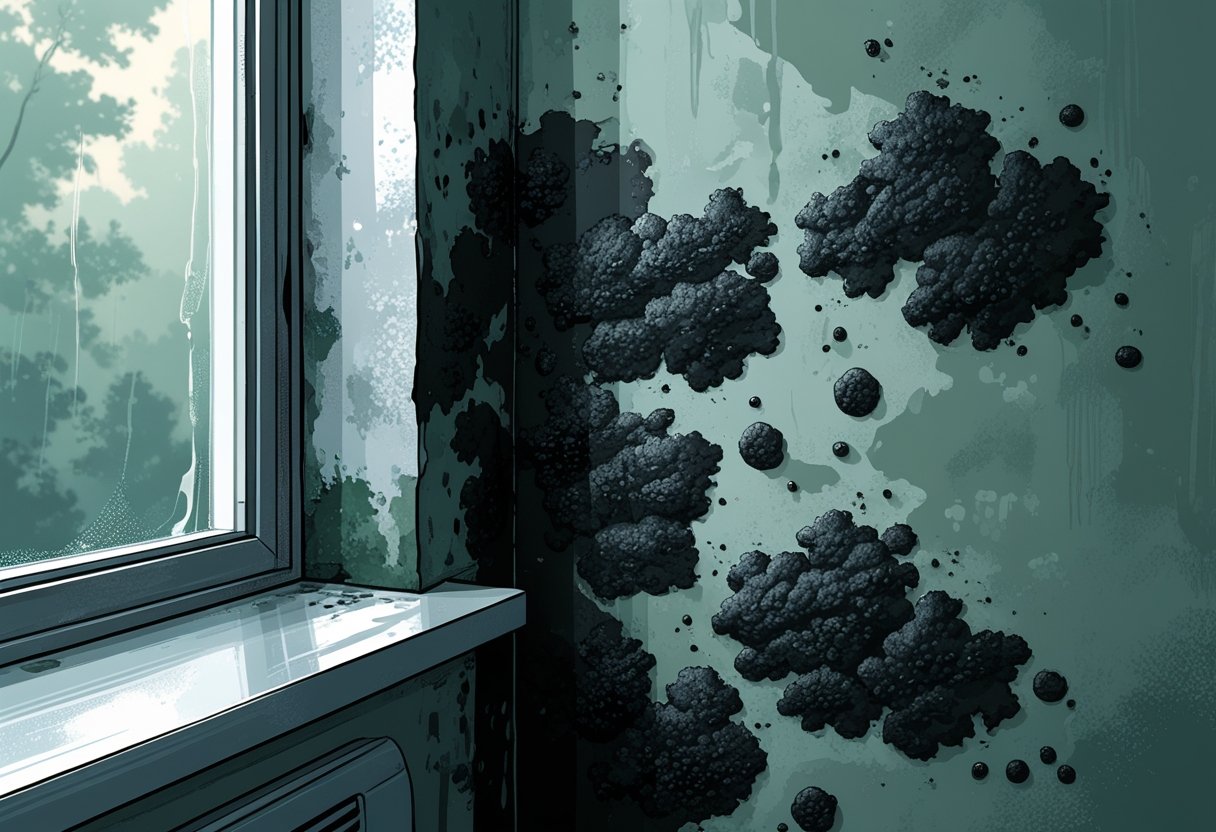
Black mold likes damp, stuffy spots and can spread fast once it takes hold. Sometimes it hides behind walls, under floors, or above ceilings, so early detection matters.
Visual Signs and Common Characteristics
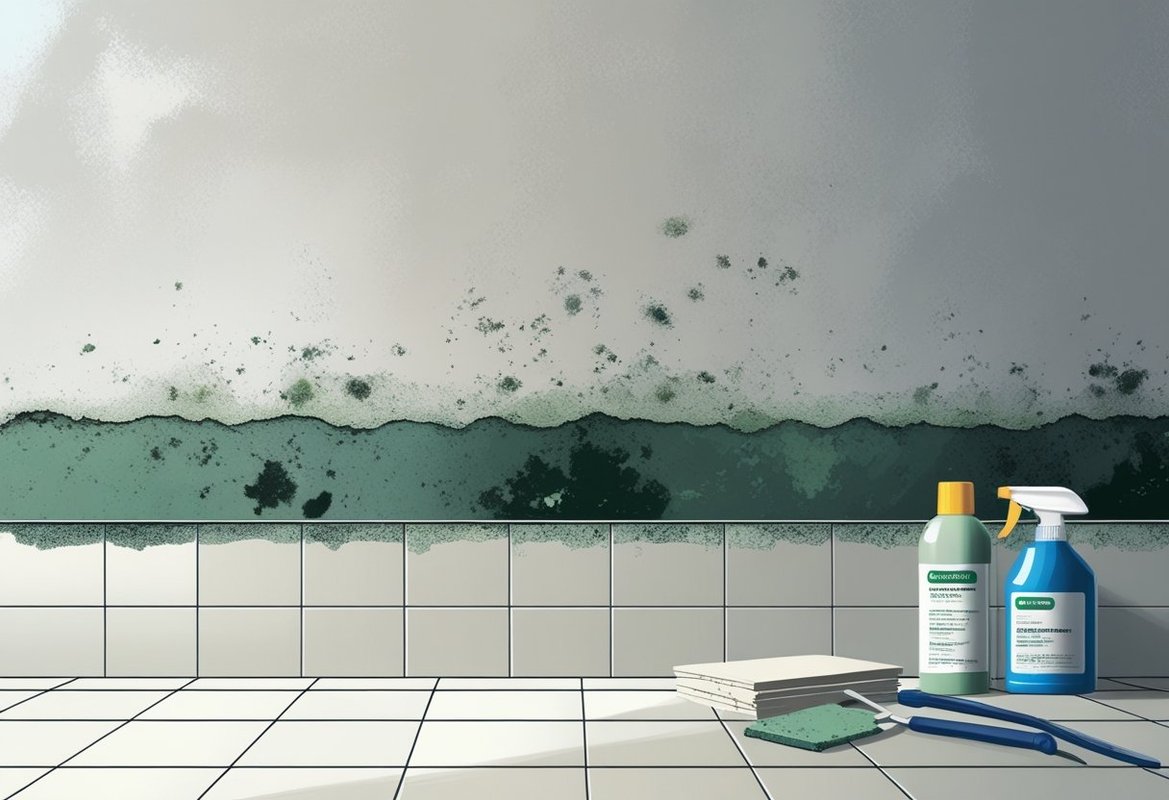
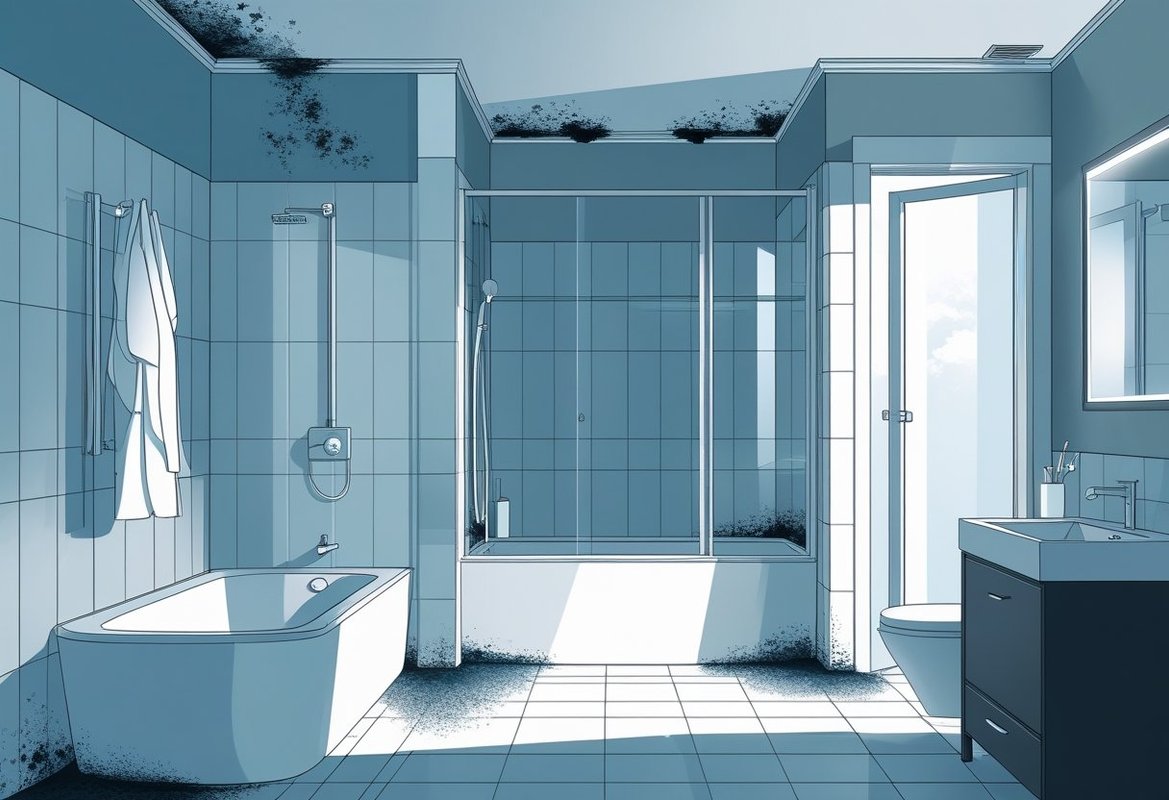
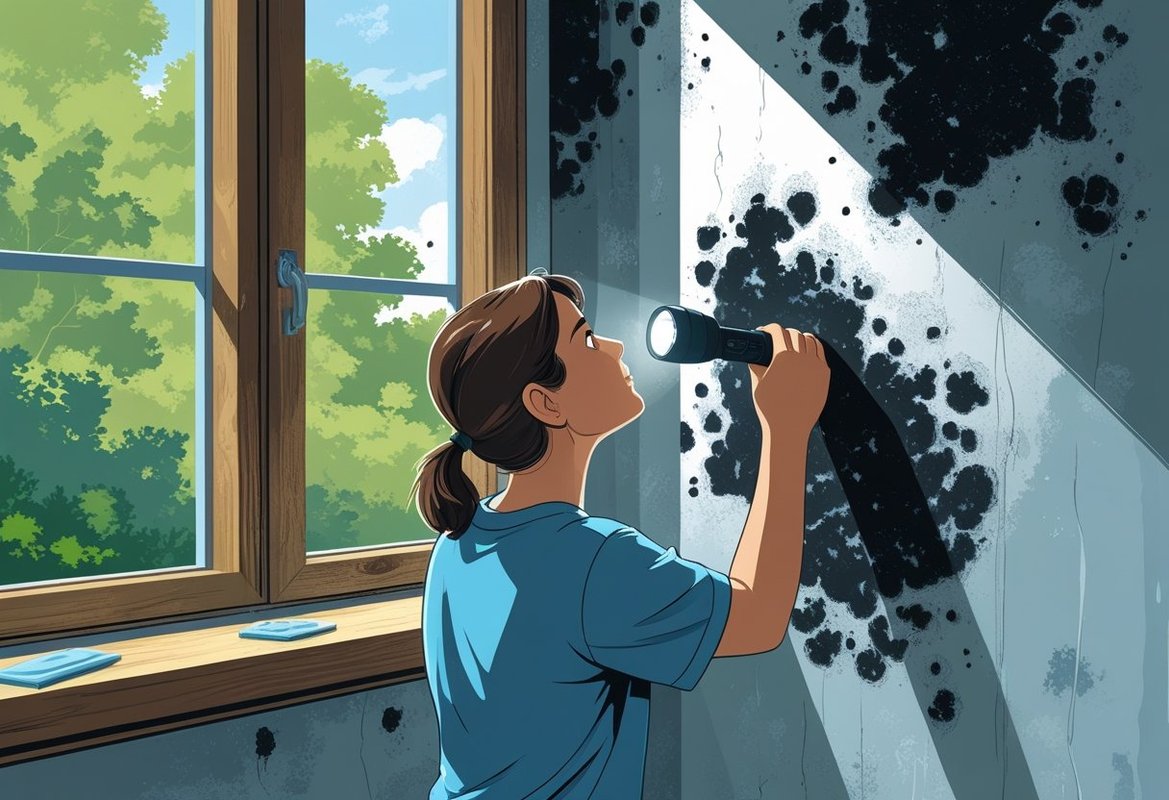
Black mold usually shows up as dark greenish-black patches. If it’s active, it feels slimy; once it dries, it looks powdery.
You’ll spot it on drywall, wood, paper, and carpet backing. In Atlanta homes, it’s common near leaky roofs, windows, or plumbing—think about those rainy days in College Park or Chamblee.
Quick reference:
| Feature | Description |
|---|---|
| Color | Dark green to black |
| Texture | Slimy when wet, powdery when dry |
| Common Surfaces | Wood, drywall, carpet backing, paper |
| Growth Pattern | Irregular patches, spreading outward |
Look for water stains, peeling paint, or warped surfaces—these usually mean moisture is feeding the mold.
Distinctive Musty Smell
Even if you can’t see it, black mold often gives off a strong, musty smell. That earthy odor comes from the compounds mold releases as it grows.
The smell is strongest in humid, closed-off areas like basements, crawl spaces, or bathrooms. After a storm in Alpharetta or when your HVAC kicks on, you might notice it’s worse.
If the musty odor sticks around after cleaning, it’s time to dig deeper. Smell isn’t proof, but it’s a solid warning.
Hidden Mold and Hard-to-Reach Areas
Black mold hides in tough spots—behind drywall, under carpets, inside HVAC ducts, or behind cabinets. Leaks, condensation, and poor airflow let it thrive out of sight.
Sometimes, you’ll need a pro with moisture meters or infrared cameras to find it. If you disturb hidden mold without proper gear, you could send spores into the air and make things worse.
High-Risk Areas for Black Mold Growth
Black mold loves places with constant moisture and not much airflow. Leaks, condensation, and poor drainage help it settle in and spread.
Bathrooms and Kitchens
These rooms see lots of water. Leaky faucets, pipes, or bad caulking around sinks and tubs keep things damp.
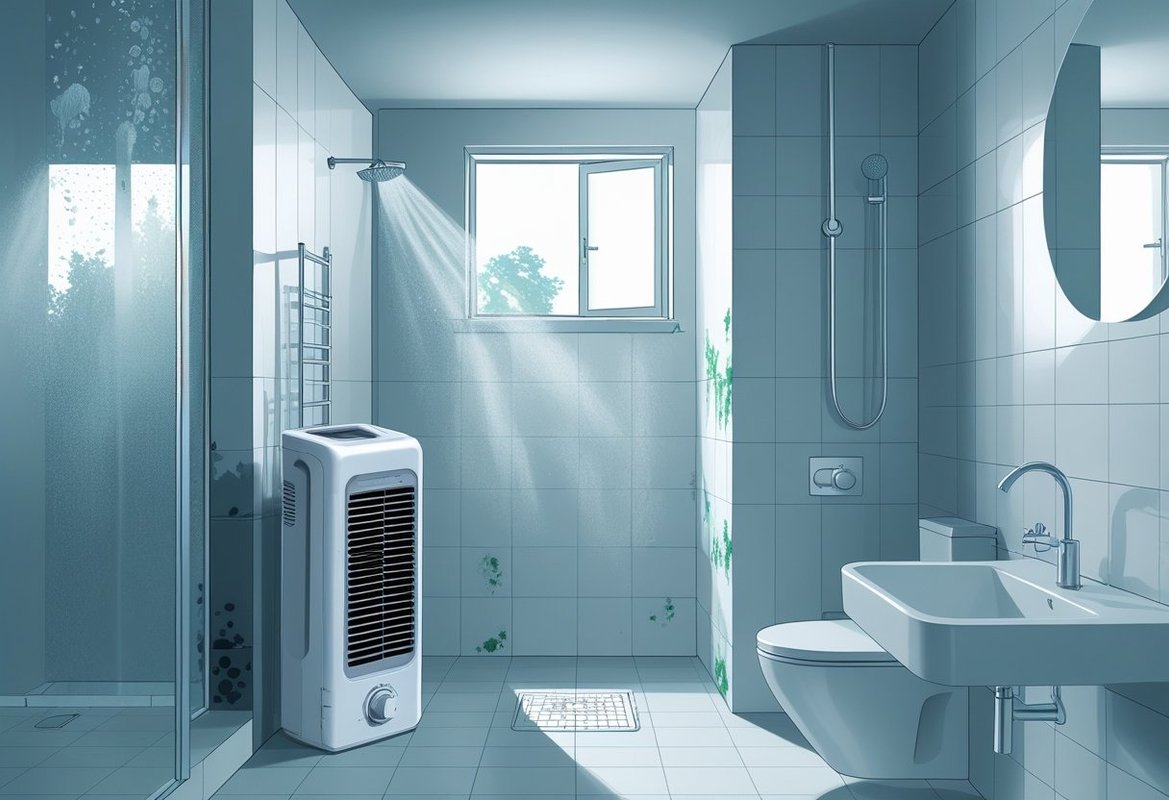
You’ll often find mold on grout, caulk, drywall, and under sinks. Steam from showers or cooking raises humidity, especially if there’s no working exhaust fan.
A few quick tips:
- Use exhaust fans during and after use
- Wipe down wet surfaces fast
- Fix leaks right away
Tile’s easy to clean, but drywall and wood soak up water and let mold grow inside.
Basements, Crawl Spaces, and Attics
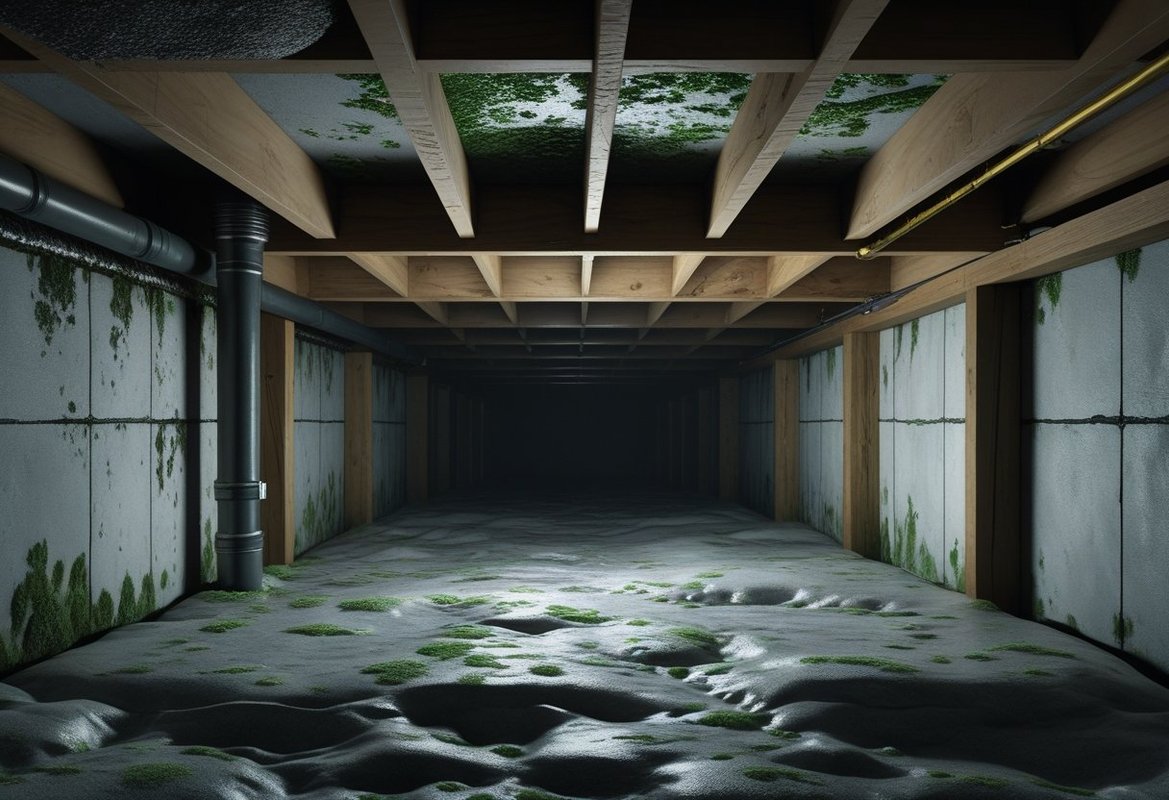
Basements and crawl spaces in the Atlanta area, like in Vinings or Dunwoody, often trap moisture from leaks or seepage. Limited airflow makes it worse.
Attics get mold when roof leaks or poor insulation cause warm, wet air to condense on wood. Read our post about the 5 Ways Attics get mold.
Prevention ideas:
- Keep insulation and ventilation in good shape
- Install vapor barriers in crawl spaces
- Clear gutters and downspouts to direct water away from your foundation
Wood framing, insulation, and cardboard boxes can all soak up moisture and support mold.
HVAC Systems and Windows
If moisture builds up in HVAC ducts, drip pans, or filters, mold can spread through your whole house. Condensation from cooling coils or blocked drains is a common culprit.
Windows collect condensation, especially in humid Atlanta summers or poorly insulated homes. Mold grows on sills, frames, and nearby drywall—or hides behind trim.
To limit risk:
- Clean HVAC components regularly
- Make sure AC units drain properly
- Improve insulation and use dehumidifiers to cut condensation
Unmaintained HVAC and windows can spread mold to other rooms before you even know it.
Health Risks and Symptoms of Black Mold Exposure
Black mold exposure irritates your airways, triggers allergies, and can make existing health issues worse. The risks depend on how much mold is around, how long you’re exposed, and your health.
Short-Term Effects of Mold Exposure
Short-term symptoms show up soon after you breathe in mold spores or mycotoxins. You might notice issues with your nose, throat, eyes, or skin.
Common problems:
- Sneezing and stuffy nose
- Coughing or scratchy throat
- Itchy, watery eyes
- Skin rashes
If you have asthma, you might wheeze or get short of breath more often. Fatigue and headaches can show up after a few hours in a moldy place.
These symptoms usually get better once you leave, but if you keep getting exposed, your reactions can get worse.
Long-Term Health Consequences
Sticking around black mold for too long can cause lasting respiratory trouble. Chronic sinus infections, coughs, and worse asthma happen more often.
Some molds, like Stachybotrys chartarum, make mycotoxins that can inflame your lungs or other parts of your body. Memory problems, trouble focusing, and muscle aches sometimes show up, though not as often.
If you live in a damp spot with untreated mold, your symptoms might not go away, even with medicine. Fixing the moisture source is key.
Vulnerable Groups at Higher Risk
Some people are more likely to get seriously sick from black mold, including:
- Kids (developing lungs and immune systems)
- Older adults (weaker immune systems)
- People with asthma or allergies
- Anyone with a compromised immune system
For these groups, even small amounts of mold can cause big problems. Respiratory distress, coughs, and infections can show up fast and stick around.
Taking extra steps—like quick mold remediation and better ventilation—can keep these folks safer.
Professional Mold Inspection and Testing in Atlanta
Certified mold inspectors in Atlanta, including areas like Brookhaven or Norcross, help you find hidden mold, spot Stachybotrys, and check mold spore levels in the air. Good testing guides safe removal and keeps mold from spreading.
When to Consider a Mold Inspection
Schedule a mold inspection if you smell musty odors, see dark spots on walls or ceilings, or notice allergy-like symptoms that won’t quit.
It’s smart after water damage—flooding, roof leaks, or burst pipes. Stachybotrys loves damp drywall, insulation, and carpet padding.
Inspections are helpful before buying a home, especially older houses or those with leak histories. They’re also a good idea after remediation to make sure the job’s done.
Common reasons to get an inspection:
- Visible black or green mold
- Recent water intrusion
- Persistent moisture
- Health symptoms that improve away from home
Catching mold early saves money and helps protect your air quality.
What to Expect During Professional Testing
A licensed inspector starts with a visual check, looking for obvious and hidden mold. They use moisture meters and thermal cameras to find damp spots.
They’ll take air samples to measure mold spores and swab surfaces for lab testing if they suspect Stachybotrys.
Typical steps:
- Visual inspection for mold and water damage
- Moisture checks in walls, floors, ceilings
- Air and surface samples for spores
- Lab analysis to ID mold species
You’ll get a report with findings, mold types, and clear next steps for remediation if needed.
Safe Black Mold Removal and Remediation Methods
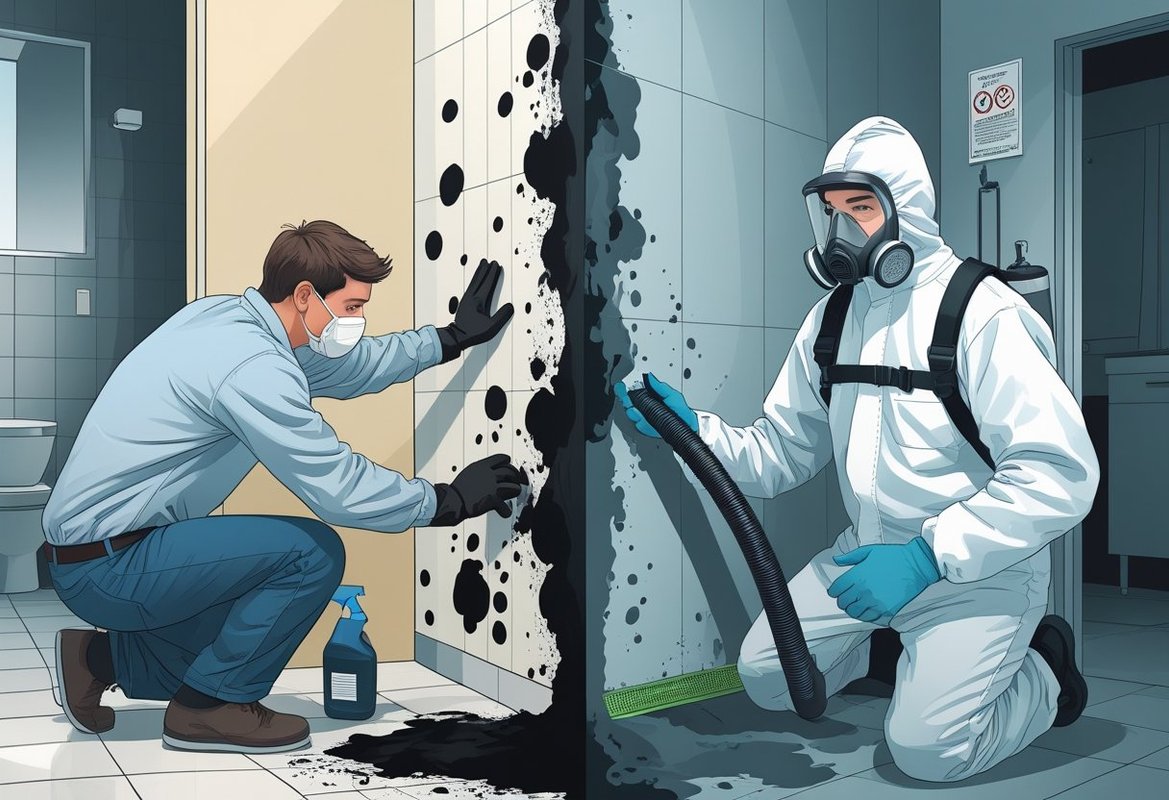
Removing black mold takes real safety steps to keep spores from spreading and protect your air. Good remediation tackles both the mold you see and the moisture problem underneath, so it doesn’t come back.
Why Professional Mold Remediation Is Essential
Professional mold remediation crews in the Atlanta, GA area have the training and gear to safely remove Stachybotrys chartarum. They follow IICRC (Institute of Inspection Cleaning and Restoration Certification) standards, so you know they're not just winging it.
Certified specialists can spot hidden mold behind walls, under floors, or inside HVAC systems. Black mold loves to hide in places where moisture lingers—think crawl spaces or old basements in Decatur or Sandy Springs.
These pros know when drywall, carpet, or insulation needs to go instead of just getting cleaned. It's not always easy to let go of materials, but sometimes it's the only way.
Hiring experts also keeps spores from spreading to other rooms. Without proper containment, you might end up with a bigger mess than you started with.
Key Steps in the Mold Removal Process
Mold remediation starts with a thorough inspection and moisture check. This helps locate visible and hidden mold.
Once they know the scope, technicians set up containment barriers to keep spores from escaping.
Typical steps include:
- Setting up containment with plastic sheeting and negative air pressure.
- Removing contaminated materials that can't be saved.
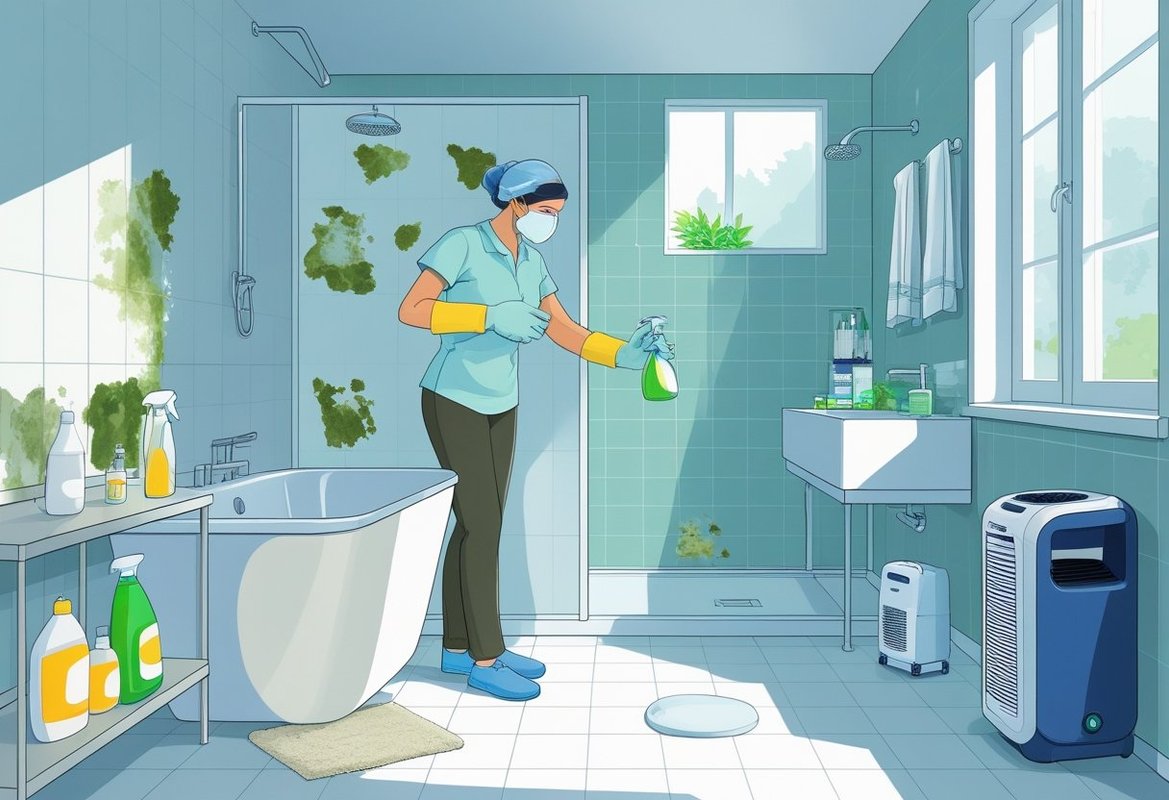
- Cleaning and disinfecting surfaces with mold-killing solutions.
- Drying and dehumidifying to get rid of moisture sources.
Professionals may do clearance testing after cleanup to make sure spore levels are safe before tearing down containment.
HEPA Filtration and Containment Techniques
HEPA filtration is huge in black mold removal. Air scrubbers with HEPA filters grab mold spores as tiny as 0.3 microns, which really helps indoor air quality during the job.
Containment means sealing off the work area with heavy plastic and keeping negative air pressure. That way, airborne spores get pulled into the filtration system instead of drifting into your living room.
HEPA vacuums clean up surfaces and catch fine particles left after removal. These tools help make sure the cleanup is complete and spores don't sneak back in.
Preventing Black Mold Growth in Atlanta Homes
Atlanta’s humidity, warm temps, and frequent rain make it a hotspot for mold. Keeping indoor moisture in check, boosting airflow, and taking care of building materials go a long way in preventing Stachybotrys in places like Buckhead or East Point.
Moisture Control Strategies
Moisture is the main thing black mold needs. In Atlanta’s humid climate, keeping indoor humidity below 50% is pretty much essential. A dehumidifier helps a lot in basements, crawl spaces, and other damp spots—especially in older homes in Marietta.
Fix leaks from roofs, plumbing, or HVAC systems within 24–48 hours to stop mold before it gets started. Sometimes, you just have to rip out and replace water-damaged carpet, drywall, or insulation.
Key practices for moisture control:
- Use exhaust fans while cooking, showering, or doing laundry.
- Seal gaps around windows, doors, and foundations to keep moisture out.
- Store firewood, cardboard, and paper in dry, ventilated spots.
Ventilation and Air Quality Improvements
Good ventilation keeps humidity down and stops air from getting stale. In Atlanta homes, it's a balancing act between energy efficiency and fresh air.
Open windows on dry days if you can, but mechanical ventilation is more reliable year-round. Whole-house fans, ERVs, or HRVs bring in fresh air without wasting heating or cooling.
Keep your AC system maintained so it removes moisture well. Change filters on schedule to keep air clean and limit spore spread.
Tips for better ventilation:
- Don’t block air vents with furniture or storage.
- Use ceiling fans to move air in rooms you use.
- Make sure attic and crawl space vents are open and working.
Routine Maintenance and Inspections
Regular inspections catch small problems before mold takes over. Check damp-prone spots—like basements, attics, or bathrooms—at least twice a year.
Look for water stains, peeling paint, or musty smells. Those are classic signs of leaks or condensation.
Schedule annual HVAC servicing, roof checks, and gutter cleaning. Clean gutters keep water away from your foundation so it doesn’t seep into walls and cause mold.
A simple checklist helps you stay on top of maintenance and not miss anything important.
Frequently Asked Questions
Stachybotrys chartarum usually shows up in damp spots with bad ventilation and materials that stay wet. Knowing what it looks like, how to inspect safely, and what health risks to watch for can help protect your home and family in the Atlanta area.
What are the common signs of black mold presence in homes?
Black mold usually looks dark green to black and gets slimy when it’s wet.
Once it dries out, it can look powdery or a bit fuzzy.
A strong, musty smell is another big clue, especially in basements, bathrooms, or places with water damage.
How can I safely inspect for Stachybotrys in my house?
Wear gloves, a mask, and eye protection before you check any suspicious areas.
Look where there have been leaks, floods, or high humidity.
Don’t disturb mold growth—it can send spores into the air.
What health risks are associated with black mold exposure?
Some people get coughing, nasal congestion, or eye irritation.
If you have asthma, allergies, or a weak immune system, reactions can be worse.
Long-term exposure in sensitive folks can make breathing problems worse.
What steps should I take if I find black mold in my home?
Stop the source of moisture right away to keep mold from spreading.
You can clean up small areas with the right safety gear, but for bigger problems, call a pro for mold remediation in Marietta, GA or your part of Atlanta.
Seal off the area to keep spores from spreading until the cleanup starts.
How can I differentiate between black mold and other types of mold?
Not every dark mold is Stachybotrys.
Black mold grows slowly and only with constant moisture, unlike some faster types.
Lab testing is the only way to really know what you’re dealing with.
Who should I contact for professional mold inspection and remediation in Atlanta?
If you’re dealing with a mold issue in Atlanta, GA, reach out to certified mold inspectors or remediation companies.
They know how to spot and remove Stachybotrys safely, whether you’re in Buckhead, Decatur, or [Marietta.
Try to find companies with real experience in water damage restoration and mold removal](https://water-damage-atlanta.com/atlanta/black-mold-removal/companies).\ You can also ask local environmental health agencies for recommendations—they usually know who’s legit.

Water Damage Atlanta Editorial Team
Restoration & Home Services Expert
We help Atlanta homeowners recover from water damage with trusted advice and local resources.