DIY vs. Professional Black Mold Removal: Key Safety Factors to Consider
Black mold can damage your home and mess with your health if you don't handle it right. Deciding whether to tackle it yourself or call in a pro really comes down to the size, location, and risks in...
DIY vs. Professional Black Mold Removal: Key Safety Factors to Consider
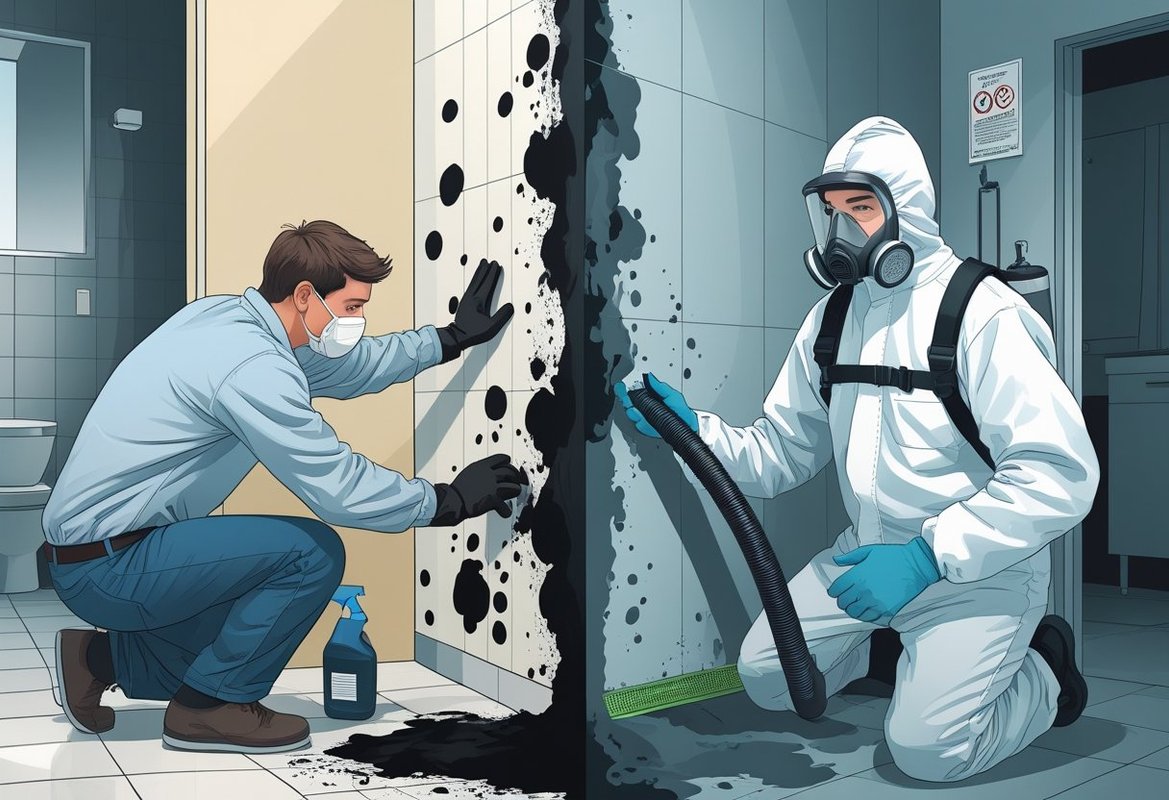
Black mold can damage your home and mess with your health if you don't handle it right. Deciding whether to tackle it yourself or call in a pro really comes down to the size, location, and risks involved.
For small, contained areas, a careful DIY approach might work. But if it's a bigger mess or you're worried about health risks, bringing in professionals is usually safer.
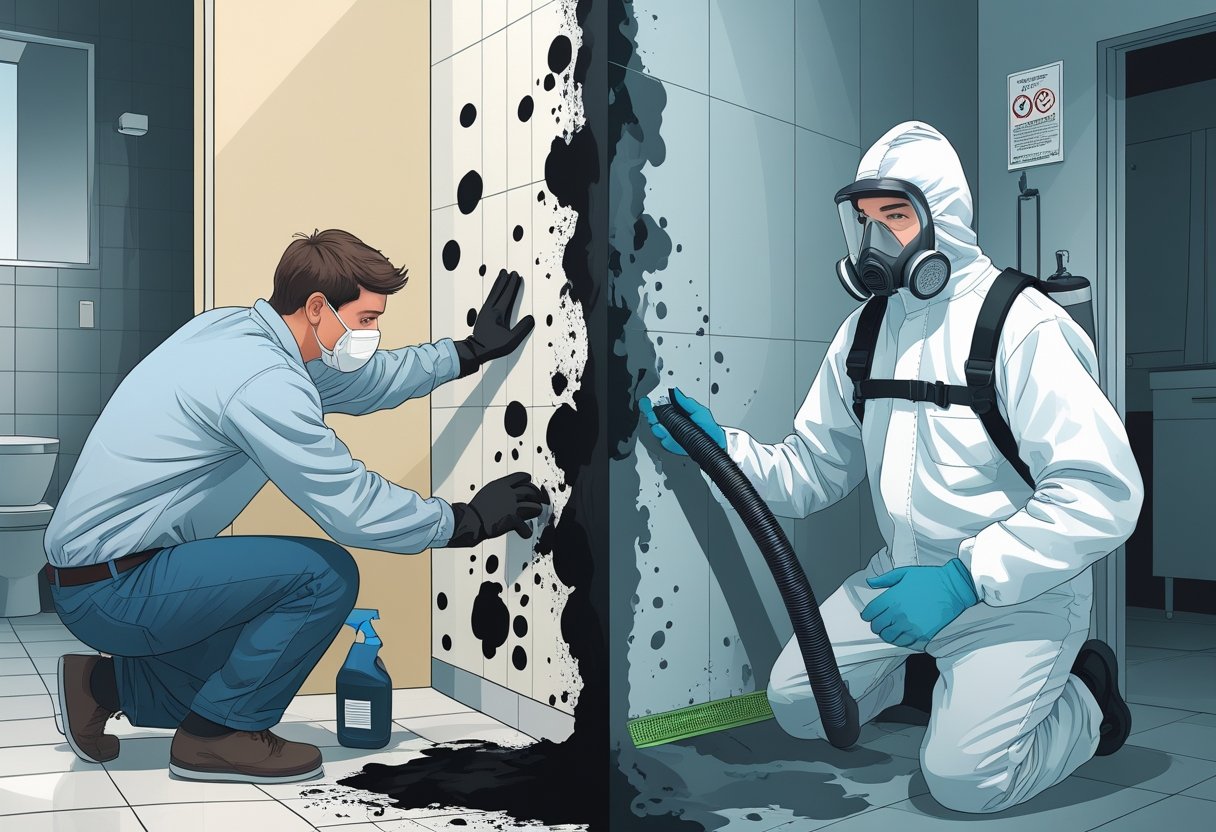
Plenty of folks in places like Marietta or Sandy Springs try DIY mold removal to save money or act fast. But black mold spores spread easily if you don't have the right gear or know-how.
Pros use special tools, follow strict safety rules, and deal with the moisture source so mold doesn't just come back.
Let's break down how each approach works, what safety steps they involve, and when it makes sense to choose one over the other.
Understanding Black Mold and Its Risks
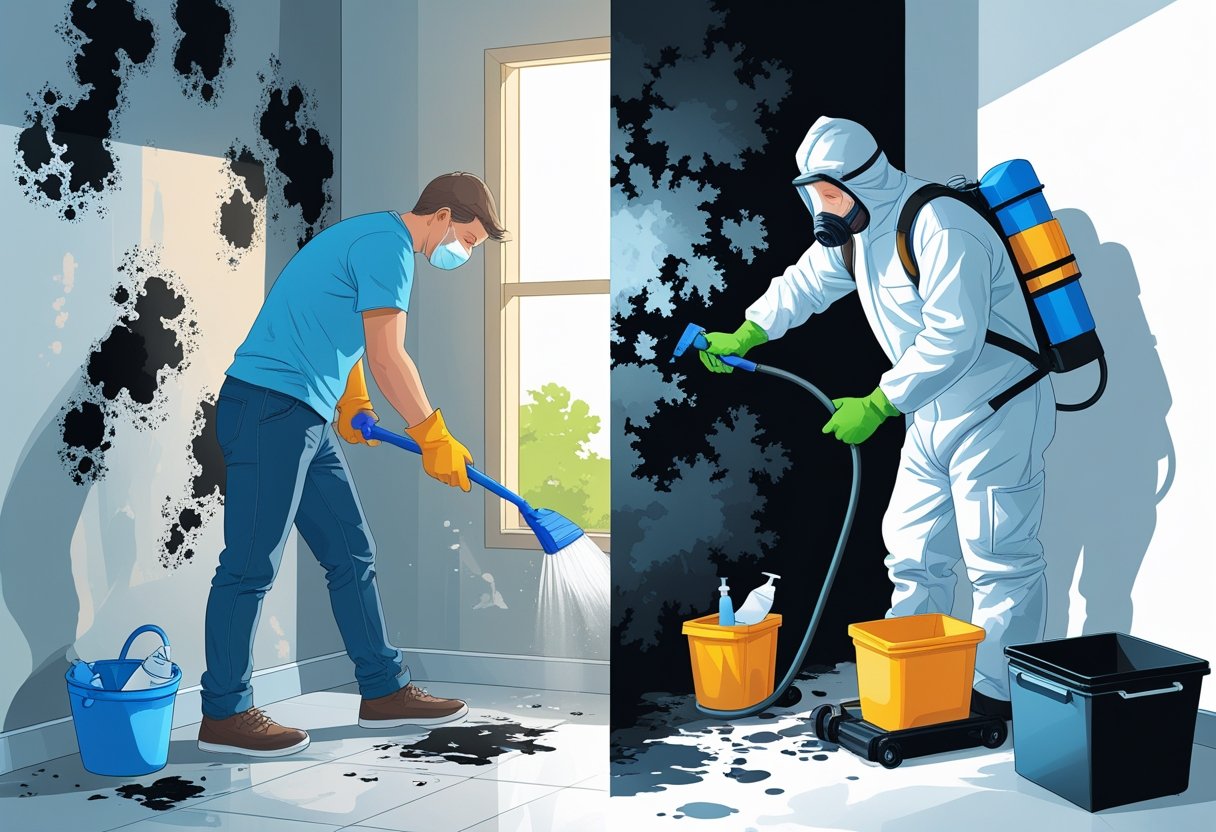
Black mold pops up in homes when moisture issues slip by unnoticed. It releases spores and toxins that can mess with indoor air and cause health problems, especially for people with asthma, allergies, or weaker immune systems.
What Is Black Mold?
Black mold, usually Stachybotrys chartarum, loves damp, humid spots. It's dark green or black and feels slimy if it's wet.
It spreads by shooting off mold spores into the air. Those spores settle and grow wherever there's moisture.
You'll often find it on things like:
- Drywall
- Wood
- Paper products
It hides behind walls, under carpets, or even in your HVAC system. That hidden mold is a sneaky one.
Health Effects of Black Mold Exposure
Breathing in black mold spores or mycotoxins can irritate your nose, throat, and lungs. Some people just get a little sniffly, but others—especially those with asthma or allergies—can have a rougher time.
Common symptoms:
- Coughing or wheezing
- Stuffy nose
- Itchy, red eyes
- Rashes
Kids, seniors, and anyone with a weaker immune system are at higher risk. If you're living in a stuffy, poorly ventilated space with mold, symptoms can get worse over time.
Common Causes and Signs of Black Mold
Usually, black mold starts from a moisture problem. Leaky roofs, busted pipes, or even appliances can all set the stage. Floods and bad ventilation don't help either.
Look out for:
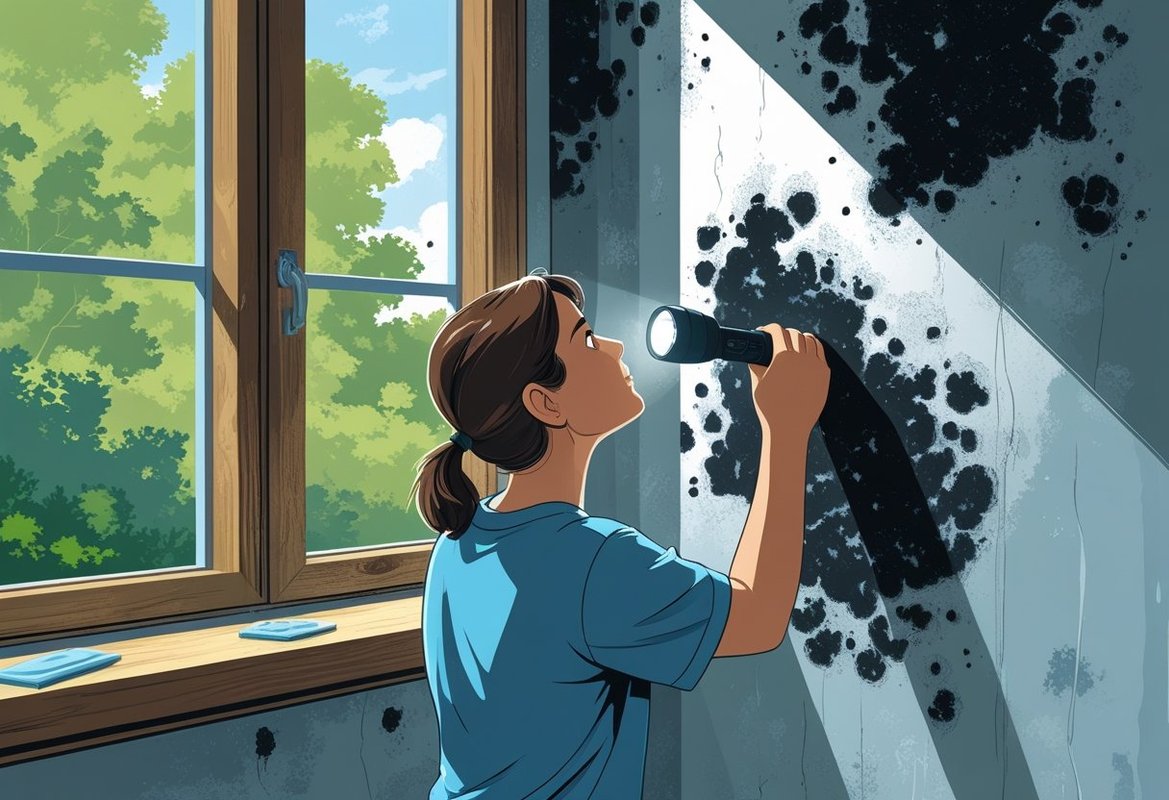
- Musty, earthy smells
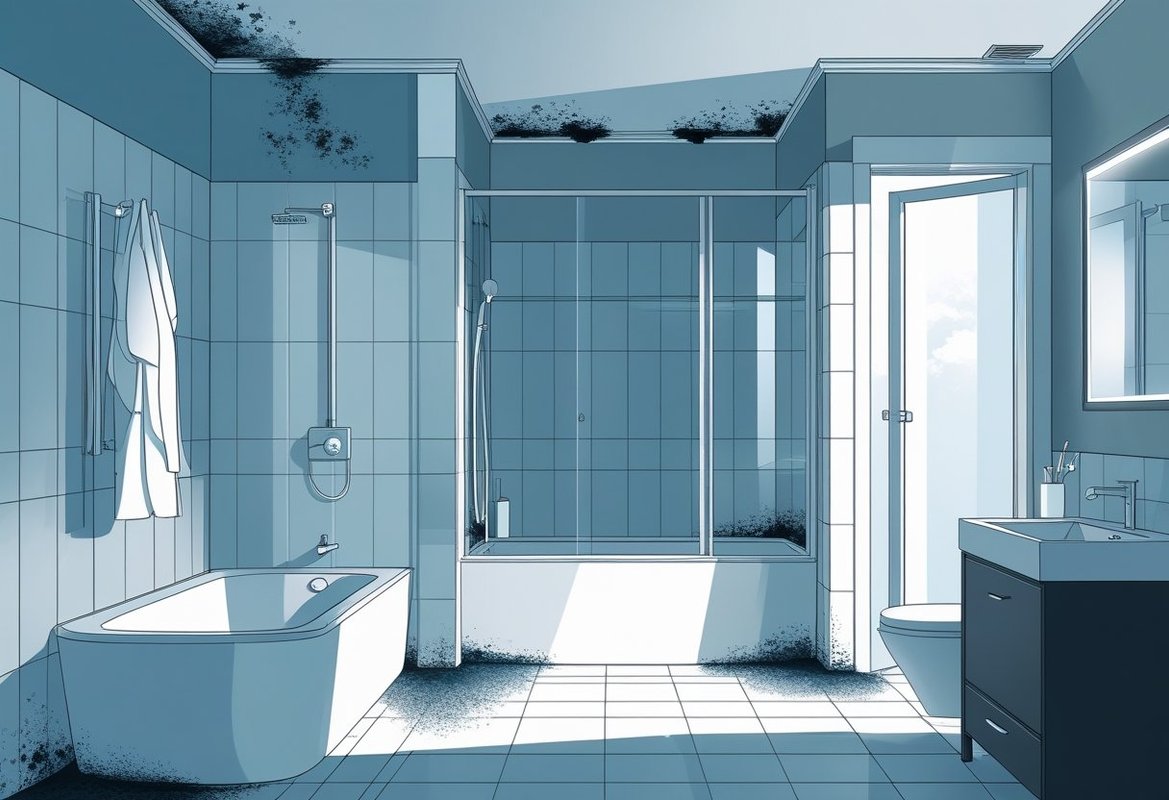
- Dark patches on walls or ceilings
- Warped or soft spots in building materials
- Persistent moisture or condensation
Sometimes you can't see the mold, but you can smell it or notice people feeling sick for no clear reason. Regularly checking for [mold in places like crawl spaces]https://water-damage-atlanta.com/atlanta/crawl-space-mold-removal, bathrooms, and basements in homes around Decatur or Covington can help you catch mold early.
DIY Black Mold Removal: Methods and Safety
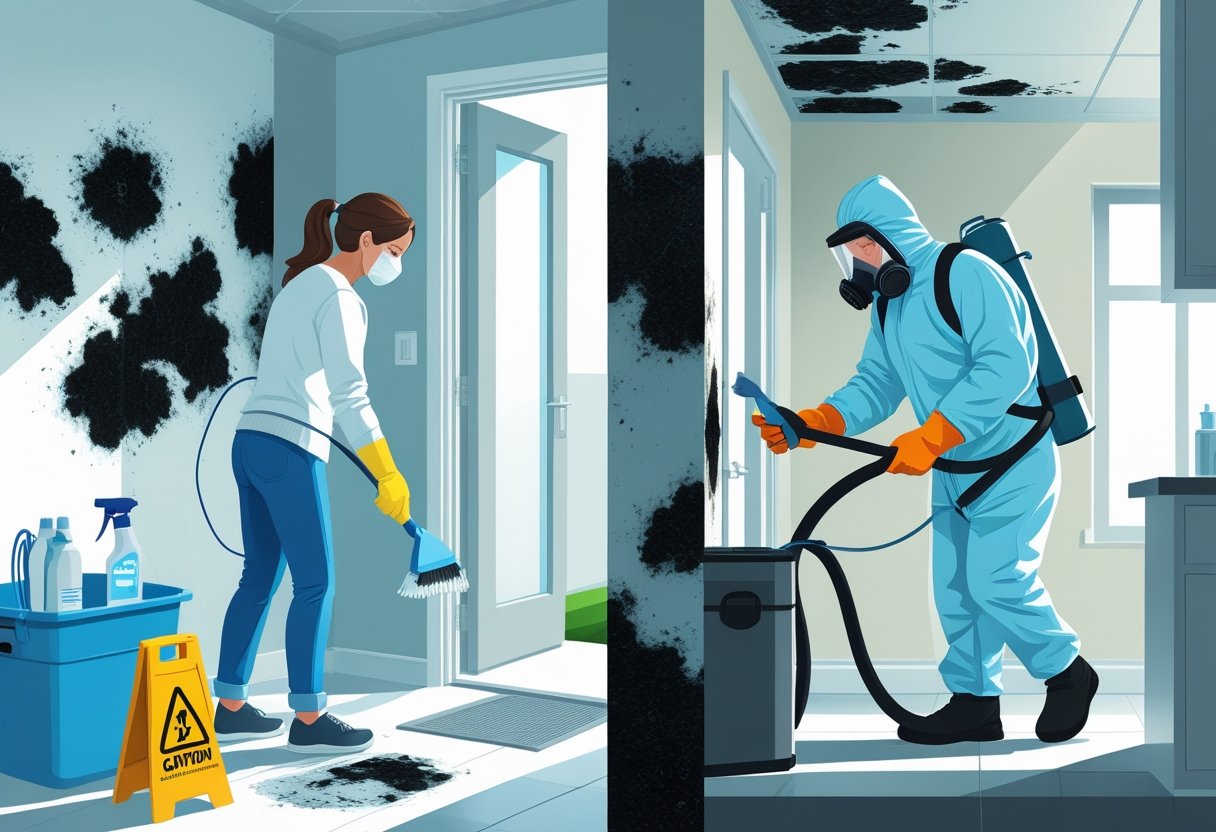
If the mold problem is small, you might handle it yourself—if you use the right steps and gear. The area size, the surface, and your comfort with safety matter most.
Appropriate Situations for DIY Mold Removal
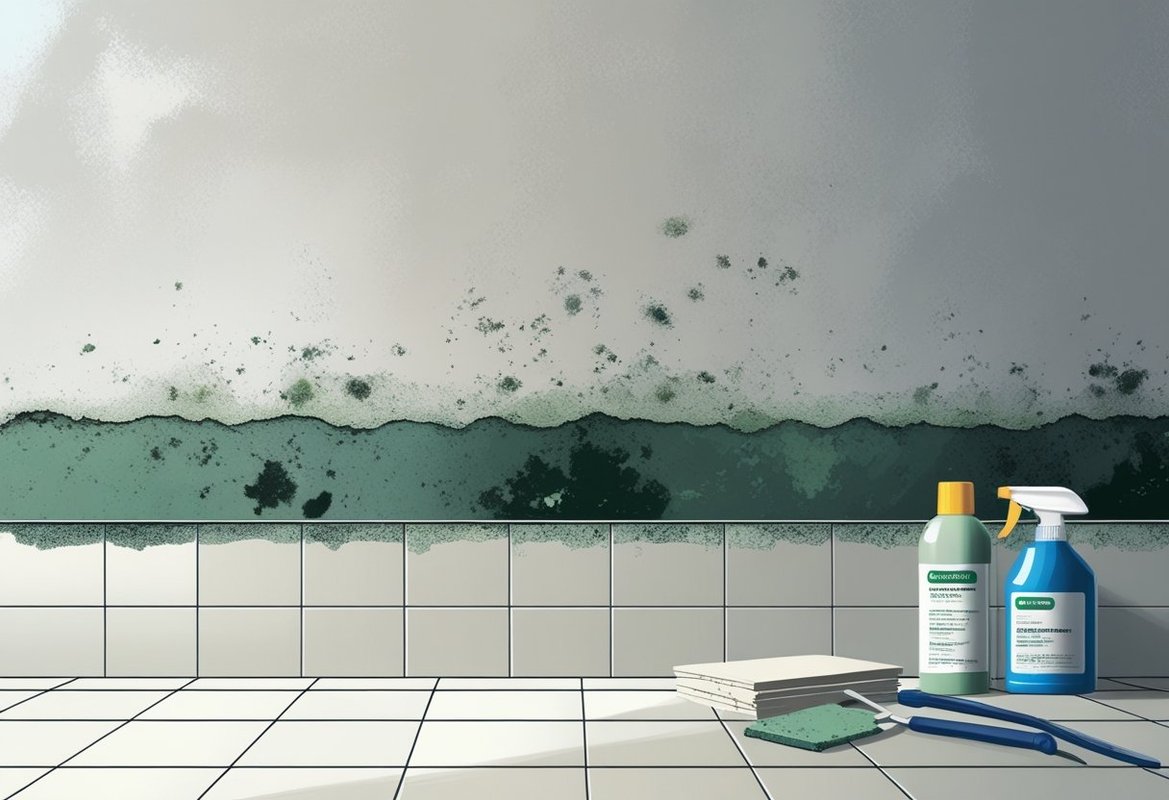
DIY is usually safe if the patch is under 10 square feet—think a little spot on drywall or around a window.
It's best for non-porous surfaces like tile, glass, or sealed wood. These are easier to clean and less likely to trap spores.
Don't go DIY if the mold came from sewage, the patch is too big, or you have asthma, allergies, or a weak immune system. In those cases, let a pro handle it.
If you think it's Stachybotrys chartarum and it's spread out or hidden, call specialists instead of risking it.
Essential Safety Precautions and Equipment
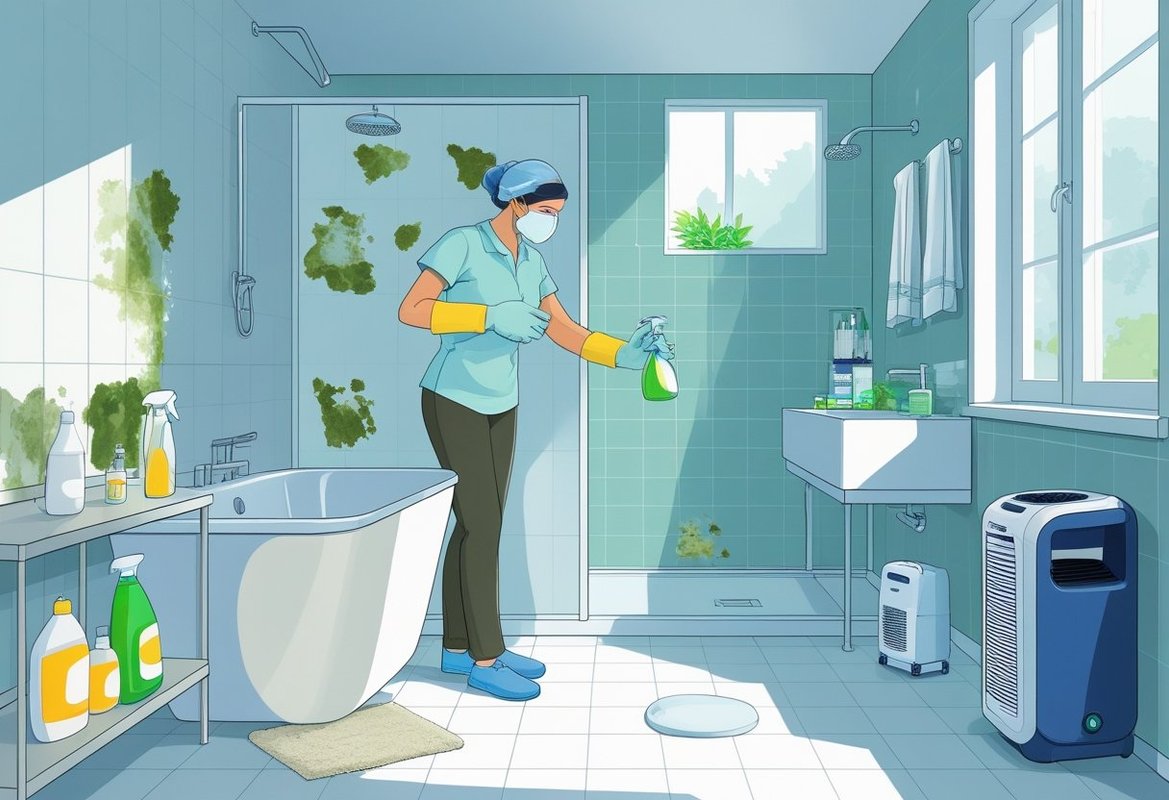
Mold spores can irritate your airways when you stir them up. Wear the right gear to keep yourself safe.
You’ll need:
- An N95 respirator or better
- Goggles with no vents
- Disposable gloves (nitrile or rubber)
- Long sleeves and pants you can toss in the wash right after
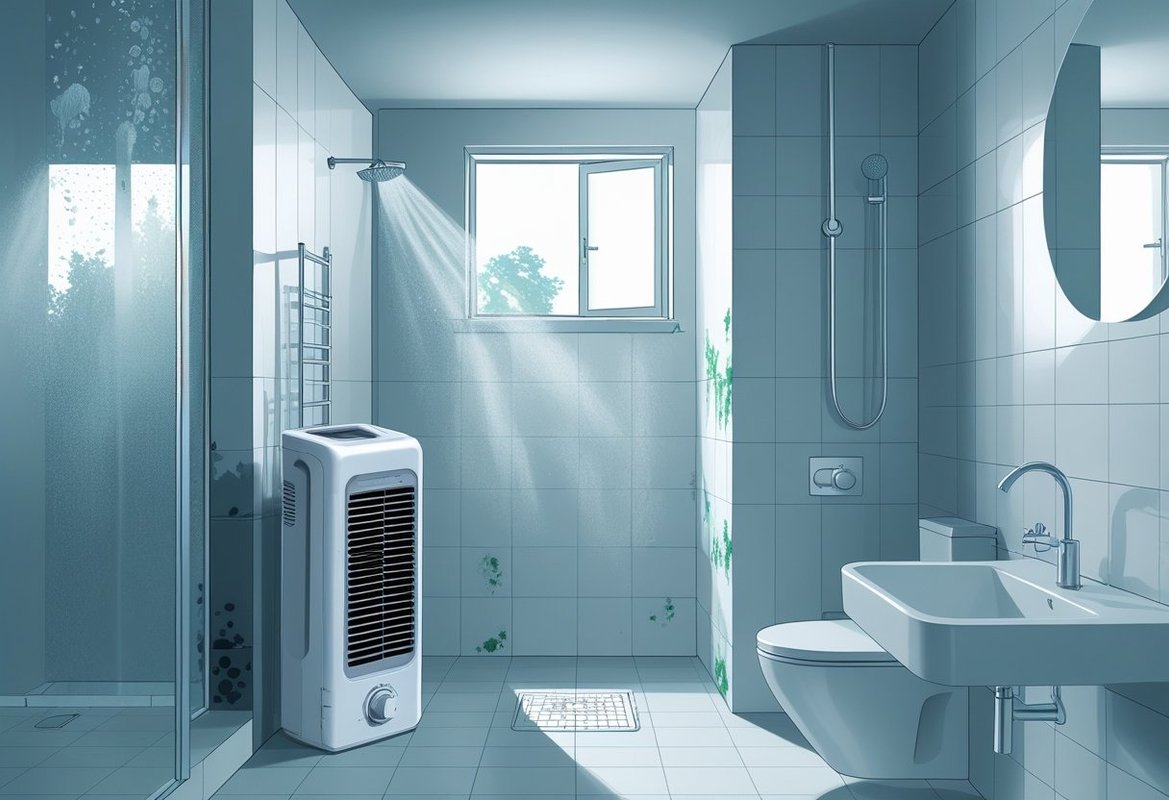
Air things out, but don’t blow air directly at the mold—use an exhaust fan in a nearby window to push air outside.
Seal the work area with plastic and tape. Keep kids and pets far away until you’re done.
Step-by-Step DIY Mold Removal Process
- Fix the moisture source first—stop leaks or lower humidity.
- Isolate the area—close doors, cover openings, set up barriers.
- Put on all your protective gear.
- Scrub the surface with detergent and a stiff brush. Avoid dry brushing.
- Rinse and dry the spot. Use disposable cloths or paper towels.
- Bag and seal all cleaning materials and throw them out right away.
- Watch for regrowth over the next few weeks.
Never mix bleach and ammonia—it’s dangerous. For porous stuff like carpet or ceiling tiles, it’s usually better to just toss them.
Limitations and Common Mistakes
DIY only goes so far. If mold is inside walls, under floors, or in your HVAC, you’ll need special tools and know-how. Trying to do it yourself can make things worse.
Don’t just clean the visible mold and ignore the moisture problem. If you skip that, it’ll come right back.
Bleach doesn’t always reach deep enough in porous materials, so mold can return. And if you skip protective gear or containment, you risk spreading spores and making people sick—even on small jobs.
Professional Black Mold Remediation: Advantages and Process
Pros bring tested methods, special tools, and serious training to the table. They focus on removing mold safely, stopping it from spreading, and keeping it from coming back.
When to Hire a Professional
If mold covers more than 10 square feet, is inside HVAC systems, or hidden behind walls or ceilings, it’s time to call in the experts.
If anyone in your home has asthma, allergies, or a weak immune system, don’t risk it—get a pro. Black mold can make respiratory problems worse fast.
Water damage from floods or leaks often needs expert help. They use moisture meters to find damp spots you can’t see.
Professional Mold Remediation Techniques
First, they do a thorough inspection to find all the mold. Moisture mapping helps them spot hidden dampness.
They set up containment barriers with plastic and use negative air pressure to keep spores from spreading. HEPA air scrubbers run to catch airborne particles.
If drywall or carpet is too far gone, they remove it. Then they scrub, vacuum with HEPA vacuums, and treat surfaces with antimicrobial solutions.
Finally, they dry everything out with industrial dehumidifiers and fans. That helps keep mold from coming back.
Specialized Equipment Used by Professionals
HEPA air scrubbers clean the air and catch mold spores.
Moisture meters and infrared cameras help them spot hidden dampness.
Negative air machines keep spores out of clean areas.
They suit up with full protective gear—suits, gloves, respirators.
Industrial dehumidifiers dry things fast, lowering the chance of regrowth.
Safety Comparison: DIY vs. Professional Black Mold Removal
Black mold releases spores and sometimes mycotoxins that can mess with air quality and health. How you remove it affects your exposure risk and whether the mold comes back.
Exposure Risks and Health Implications
DIY means more direct contact with spores. Without the right respirators, gloves, and barriers, spores can drift into other rooms and trigger allergies or asthma.
Some black mold types make mycotoxins that are dangerous if you breathe them in. Pros use sealed zones, HEPA filters, and negative air to limit spread.
If you mess up DIY cleanup, spores can settle on furniture or in your HVAC, causing ongoing exposure. Professional teams follow strict safety rules to avoid this.
Effectiveness in Preventing Mold Recurrence
You might get rid of small surface mold yourself if you fix the moisture source. But if you don’t get rid of all the moisture, it’ll likely come back.
Pros use moisture meters and thermal cameras to find hidden dampness. They treat both the visible mold and the root cause.
They also use antimicrobial treatments and sealants to help keep mold from returning. DIY might remove stains, but spores can stick around in porous materials.
| Method | Moisture Detection | Preventive Treatments | Recurrence Risk |
|---|---|---|---|
| DIY | Limited | Rarely applied | Higher |
| Professional | Advanced tools | Common | Lower |
Handling of Hidden and Widespread Mold
Hidden mold grows behind walls, under floors, or inside ducts. DIY almost never catches these spots because you need the right tools.
If mold covers a big area or several rooms, trying to clean it without containment can spread spores everywhere. Pros isolate zones with plastic, HEPA vacuums, and air scrubbers.
They safely remove and dispose of moldy materials, following local rules. That helps prevent cross-contamination and tackles hidden mold before it spreads.
Cost, Time, and Long-Term Considerations
Choosing between DIY and hiring a mold pro in Atlanta, Roswell, or anywhere nearby depends on your budget, free time, and how badly you want to keep mold from coming back. Costs and time can vary a lot, and the hassle factor is real.
Cost Analysis of DIY and Professional Options
DIY usually means buying cleaners, safety gear, and a few tools—expect to spend $50 to $300 for small jobs. But if the mold returns or you miss hidden damage, costs can add up.
Professional remediation runs $500 to $6,000 depending on how bad it is. That covers inspection, containment, removal, and disposal.
DIY might look cheaper, but mistakes can get expensive. Pros often offer warranties, so you’re less likely to pay for repeat work. Sometimes, hiring an expert is actually the smarter financial move.
Time Investment and Convenience
DIY can eat up several hours or even days, depending on the problem and your skills. Don’t forget to count research, prep, and cleanup time.
Pro teams usually finish in a day for small jobs, or a few days for bigger ones. Their gear speeds things up.
Hiring a pro means you don’t have to manage the process yourself. That’s a relief if the mold’s in tough spots like attics, crawlspaces, or behind walls—especially if you’re in a busy area like Midtown Atlanta.
Long-Term Safety and Prevention
DIY methods might get rid of visible mold, but they usually miss the real cause—like a hidden leak or too much humidity. If you don’t fix those, mold just comes right back, sometimes faster than you’d think.
Professional mold remediation teams go deeper. They’ll hunt down moisture problems, fix plumbing leaks, improve ventilation, or even add dehumidifiers if needed.
If you’re dealing with recurring mold, especially in places like Marietta or Sandy Springs, professionals can help prevent it from coming back. That means less risk to your home’s structure and fewer surprise repair bills down the road.
Making the Right Choice for Your Situation
Deciding between DIY and professional black mold removal isn’t always simple. It depends on how big the problem is, where the mold’s hiding, and who’s at risk.
Safety, cost, and how likely you are to get all the mold out all matter. Sometimes it’s tempting to save money, but is it worth the risk?
Assessing the Severity of Mold Problems
How much mold you’re dealing with changes everything. If it’s just a small patch—less than 10 square feet—you can probably handle it yourself with the right gear.
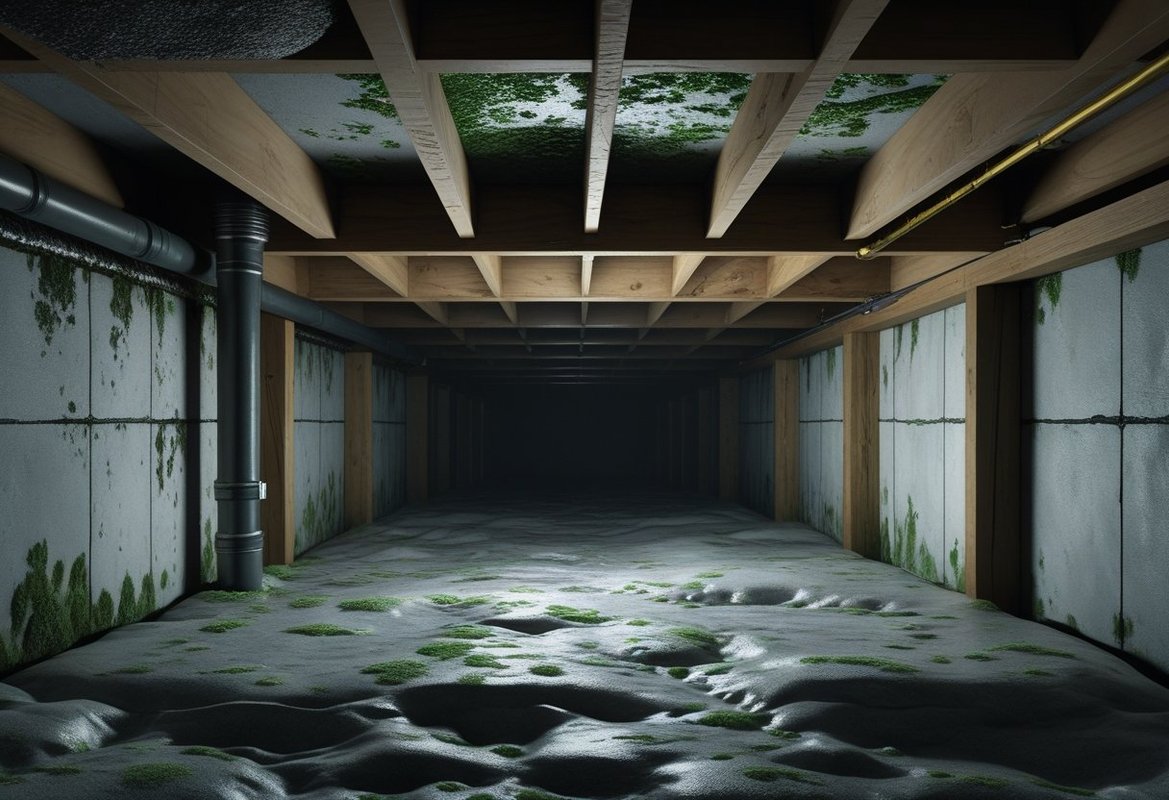
But if the mold’s spread out, covers several rooms, or keeps coming back, you’ll want a pro. Mold hiding inside walls, HVAC systems, or crawl spaces is especially tricky. You might not even notice it until it’s a big problem.
People with asthma, allergies, or weaker immune systems need to be extra careful. Even a little black mold can cause issues for them.
Quick reference for severity:
| Mold Size/Location | Recommended Approach |
|---|---|
| Small, surface-level | DIY possible |
| Large or hidden areas | Professional recommended |
| Near HVAC or plumbing | Professional recommended |
Factors Influencing Your Decision
Budget plays a huge role. DIY usually costs less at first, but if you don’t get all the mold, it can end up costing more in the long run.
Professional mold remediation in Atlanta, often includes testing, sealing off affected areas, and steps to keep mold from returning. That’s something DIY usually misses.
Time and skill level matter too. DIY takes research and careful cleaning. You’ll need the right equipment, and it’s easy to accidentally spread spores.
Pros work faster and have tools most homeowners don’t. If you’re in Roswell, GA or Decatur, GA, and the job’s big, it’s probably worth calling them.
For safety, you’ll need at least an N95 respirator, gloves, and goggles. Professionals wear full suits and use advanced filtration, so their risk is way lower.
Local rules can get strict, especially for rentals or businesses. Sometimes you need licensed remediation. Skipping this can mean fines or legal headaches.
Frequently Asked Questions
Black mold removal brings up lots of questions about health, safety, and money. How you handle it can affect your risk and whether you’re following the rules.
What are the risks associated with DIY black mold removal?
DIY can expose you to mold spores. You might get allergies, breathing problems, or skin irritation.
If you don’t contain it properly, mold can spread and come back fast.
How does professional mold remediation ensure safety?
Pros set up barriers and use negative air machines plus HEPA filters to keep spores from spreading.
They stick to industry standards and safety rules so you’re less likely to have problems later.
What safety equipment is necessary for DIY mold removal?
You’ll need at least an N95 (or better) respirator, safety goggles, and disposable gloves.
Wear clothes that cover your skin and can be tossed after you’re done.
Can black mold removal be done effectively by homeowners?
If you spot a small, isolated patch on a hard surface, you can usually clean it yourself with the right gear.
But if the mold’s behind walls, in your HVAC, or covers more than 10 square feet, you really should call a pro—especially around Atlanta, where humidity makes things worse.
What are the legal requirements for professional mold removal services?
Some states and cities, including areas around Atlanta, require mold remediation companies to have special licenses or certifications.
Pros might also need to follow EPA or local health department rules, so check before you hire.
How does the cost of professional mold remediation compare to DIY efforts?
DIY mold removal usually just means buying some cleaning products, safety gear, and maybe a test kit or two. It’s not a huge hit to your wallet.
On the other hand, if you hire a professional for mold remediation in areas like Marietta or Sandy Springs, you could pay anywhere from a few hundred bucks up to a few thousand. The price really depends on how big and tricky the job is.
Water Damage Atlanta Editorial Team
Restoration & Home Services Expert
We help Atlanta homeowners recover from water damage with trusted advice and local resources.