From Grout to Drywall: A Complete Guide to Bathroom Mold Prevention and Removal
Bathroom mold is a common headache in homes around Atlanta popping up anywhere from shower grout to the drywall behind sinks and tubs. It loves damp, stuffy spaces and can ruin surfaces while makin...
From Grout to Drywall: A Complete Guide to Bathroom Mold Prevention and Removal
Bathroom mold is a common headache in homes around Atlanta popping up anywhere from shower grout to the drywall behind sinks and tubs. It loves damp, stuffy spaces and can ruin surfaces while making the whole room smell musty.
Knowing how to spot, remove, and stop bathroom mold keeps your space clean, safe, and in good shape.
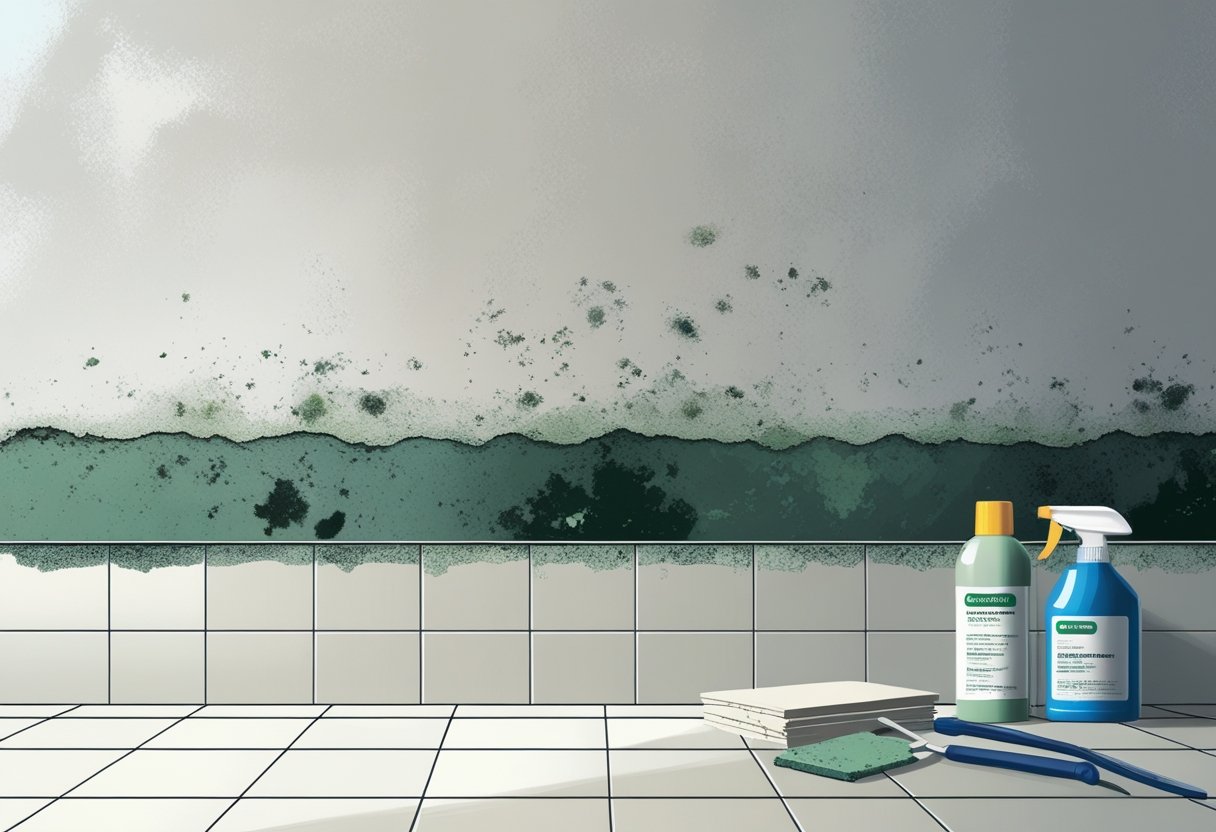
Mold usually starts in tiny, hidden spots like caulk lines, ceiling corners, or under cabinets. If you ignore it, mold can stain, weaken materials, and mess with your air quality.
Tackling it early and using the right methods makes a huge difference.
This guide digs into what causes mold, where it hides, and how to get rid of it on different surfaces. You'll find prevention tips and repair options for bathrooms with mold damage—whether you're in Marietta, GA, or over in Sandy Springs.
Understanding Bathroom Mold
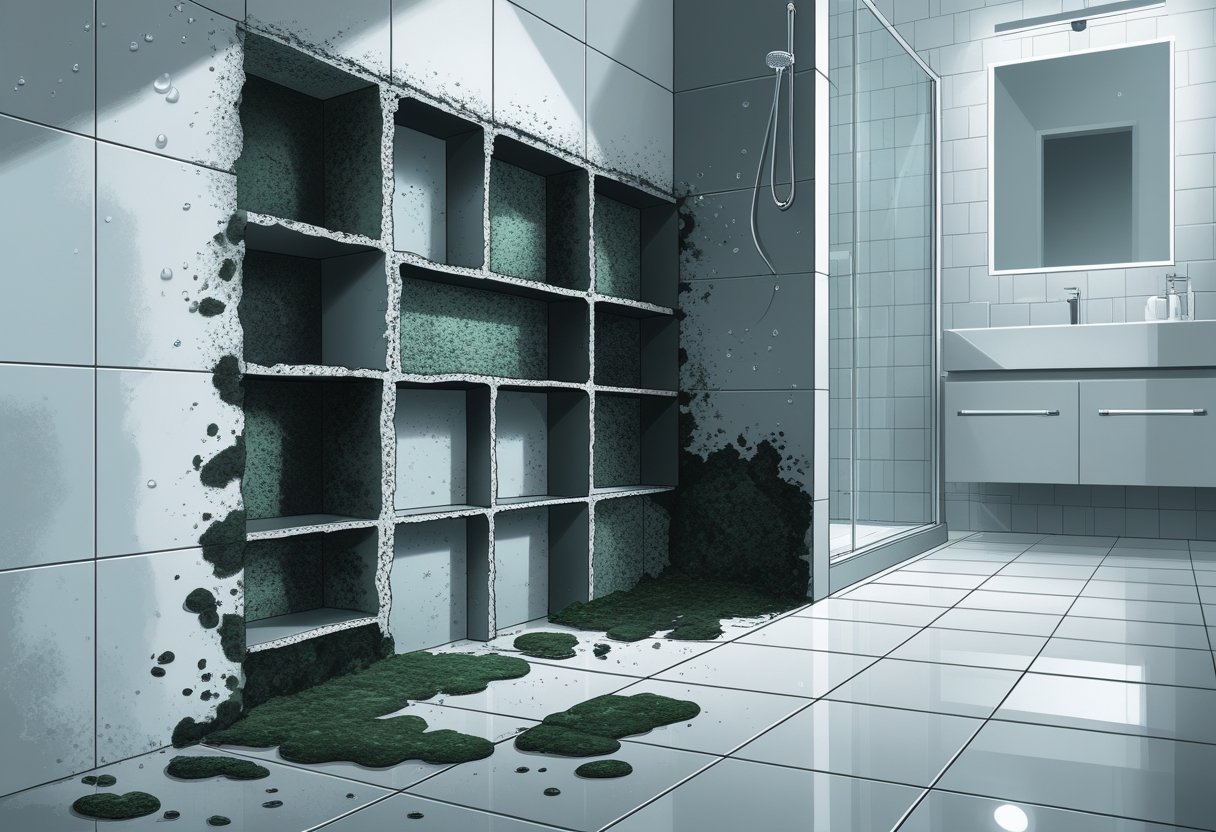
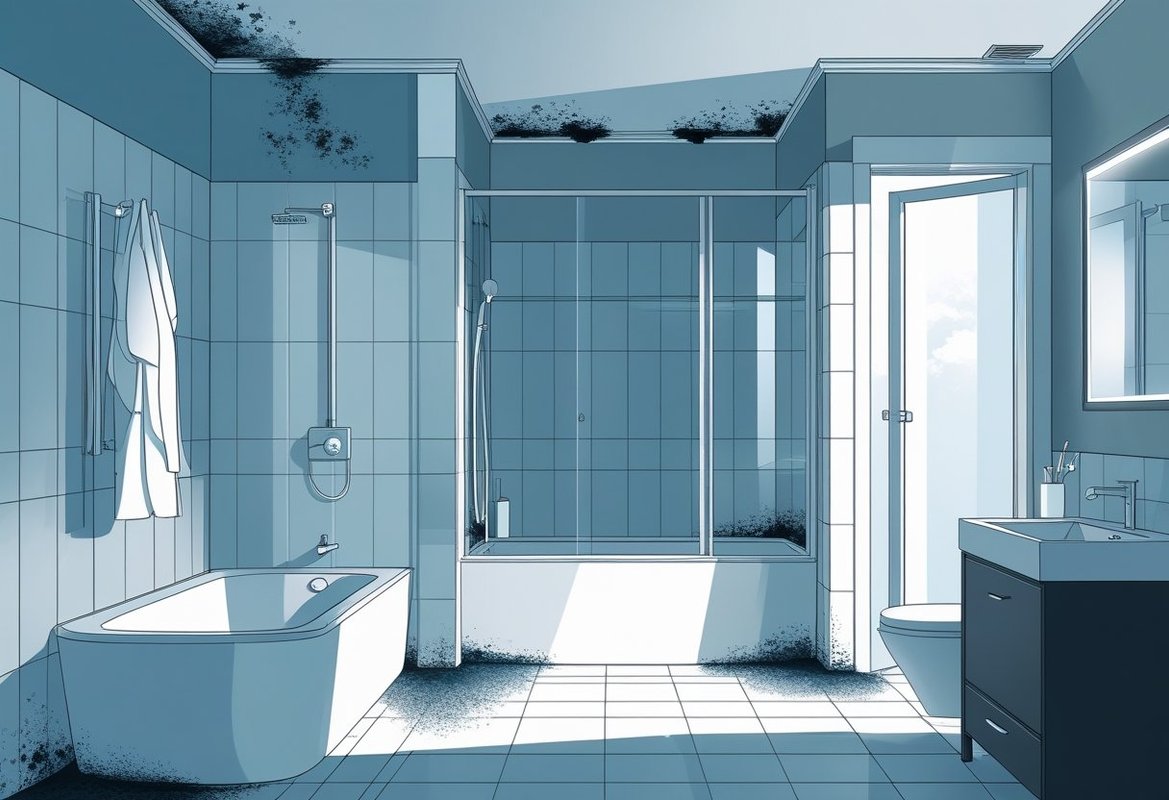
Bathrooms around Atlanta are basically a paradise for mold—damp, warm, and often not well ventilated. Mold spores settle on grout, caulk, drywall, and ceilings, leading to ugly stains and hidden infestations.
Long showers, leaks, or just bad airflow crank up the risk.
What Is Mold and Why Bathrooms Are Vulnerable
Mold is a fungus that spreads by sending out tiny spores. These float in the air and land on wet surfaces.
In bathrooms, constant humidity and water use make it easy for mold to take hold.
Common moisture sources include:
- Steam from hot showers with no vent fan
- Leaky pipes under sinks or in walls
- Condensation on mirrors and windows
Grout, caulk, and drywall soak up water, making them perfect for mold colonies. Even a small leak can turn into a big mold problem if you don't catch it.
If you skip ventilation, moisture lingers and mold spreads from one spot to the next.
Common Types of Bathroom Mold
Several kinds of mold show up in Atlanta bathrooms. The most famous is Stachybotrys chartarum—aka black mold—which likes drywall and wood.
Other types you might see:
- Aspergillus – shows up in grout and around sinks
- Cladosporium – grows on painted walls, wood, and fabrics
- Penicillium – spreads fast on damp wallpaper and insulation
| Mold Type | Common Locations | Color | Notable Traits |
|---|---|---|---|
| Black mold (Stachybotrys) | Drywall, wood | Dark green/black | Needs constant moisture |
| Aspergillus | Grout, caulk | White, yellow, green | Thrives in humid air |
| Cladosporium | Walls, fabrics | Olive, brown, black | Handles cooler spots |
If you want to know exactly what type you have, pro testing is usually needed.
Health Risks Associated With Mold Exposure
Mold releases spores that you can breathe in. These can cause sneezing, runny nose, or itchy skin—especially if you have allergies.
Folks with asthma or breathing issues might feel worse. Black mold can cause more serious problems for people who are sensitive.
Kids, older adults, and anyone with a weak immune system are at higher risk.
Even if it's not toxic, mold can be irritating if there's a lot of it. Keeping things clean and dry in your Decatur bathroom really helps cut down on health risks.
Where Mold Grows: From Grout to Drywall
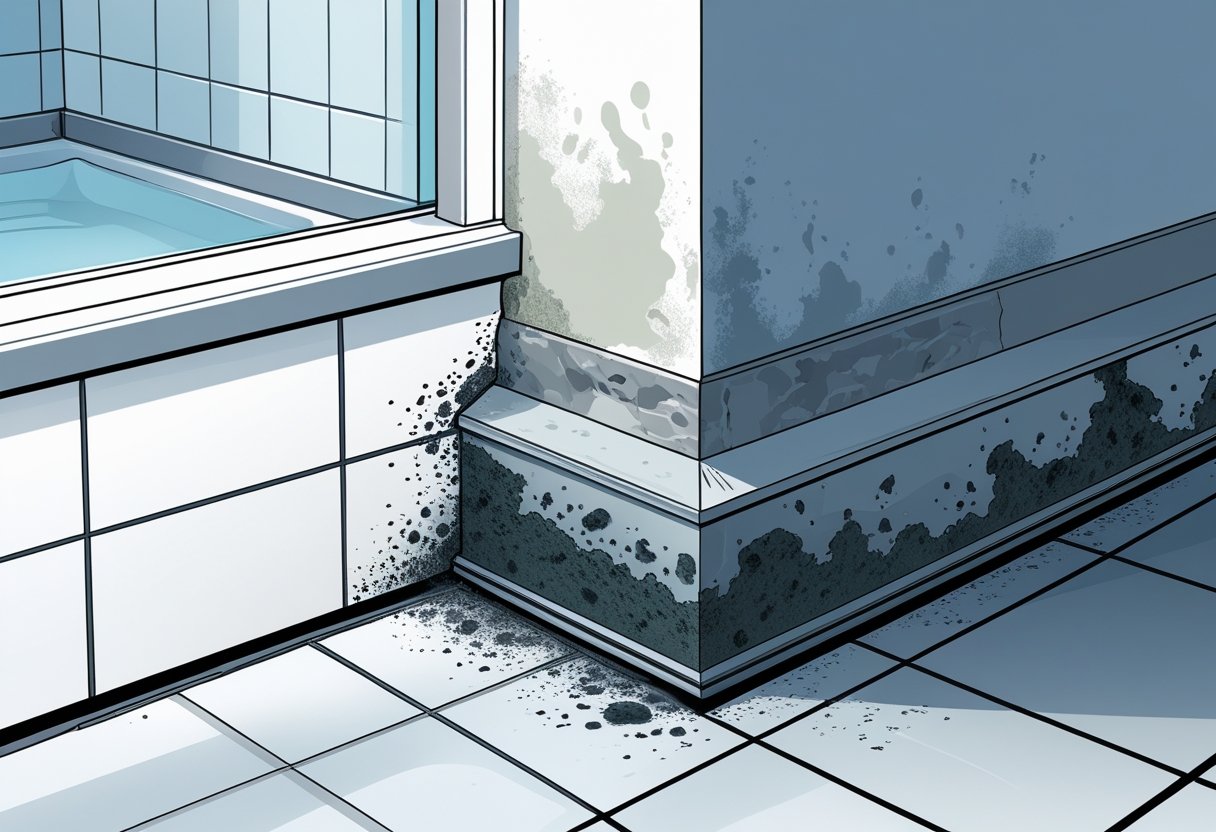
Mold loves damp, stuffy corners where water lingers or sneaks into building materials. In bathrooms, it shows up on grout lines or hides behind drywall. Catching it early and keeping up with maintenance makes a big difference in places like Roswell.
Identifying Mold in Grout and Tile
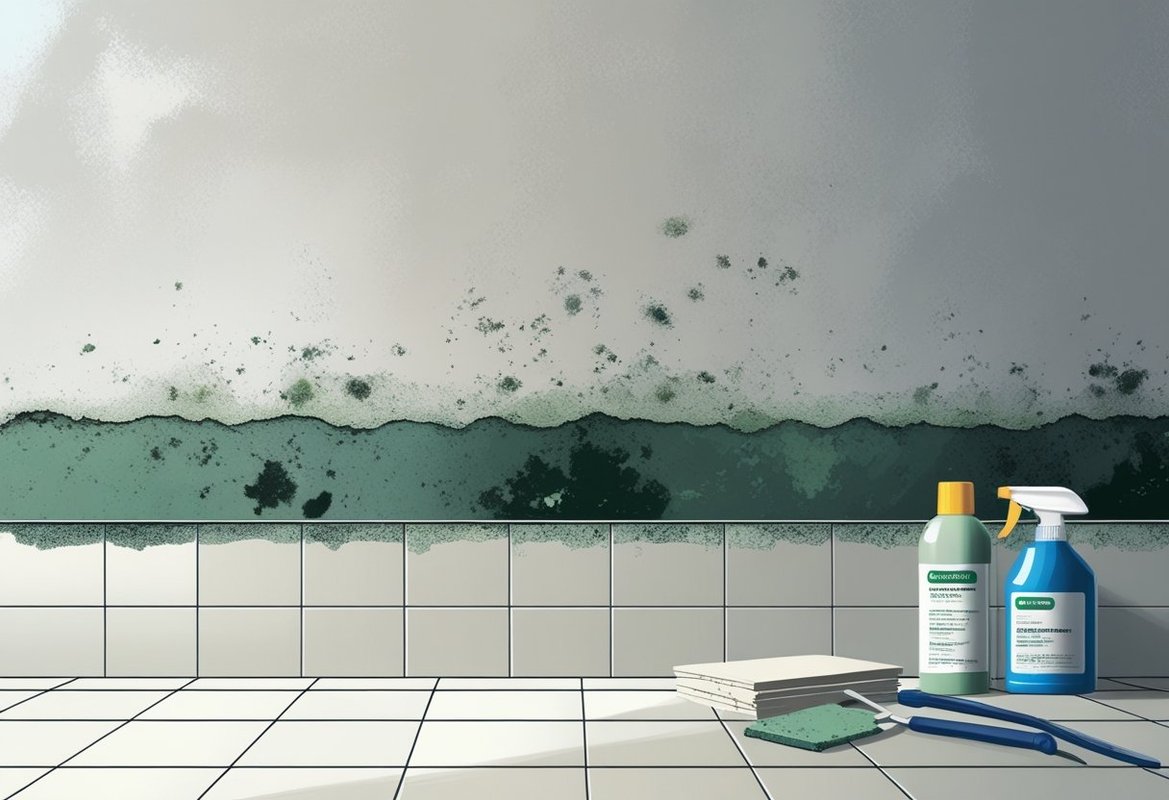
Grout soaks up water from showers and baths, which lets mold settle in. Even if your tile looks clean, mold can be lurking along the grout lines.
Look for dark spots, weird colors, or that classic musty smell near tiles. Sometimes, regular cleaning doesn't reach mold that's deep in the grout.
If you see cracked or missing grout, water can get underneath and start mold growing in the walls or floor. Sealing grout and fixing damage fast helps keep things under control.
Detecting Mold Behind Drywall and Hidden Areas
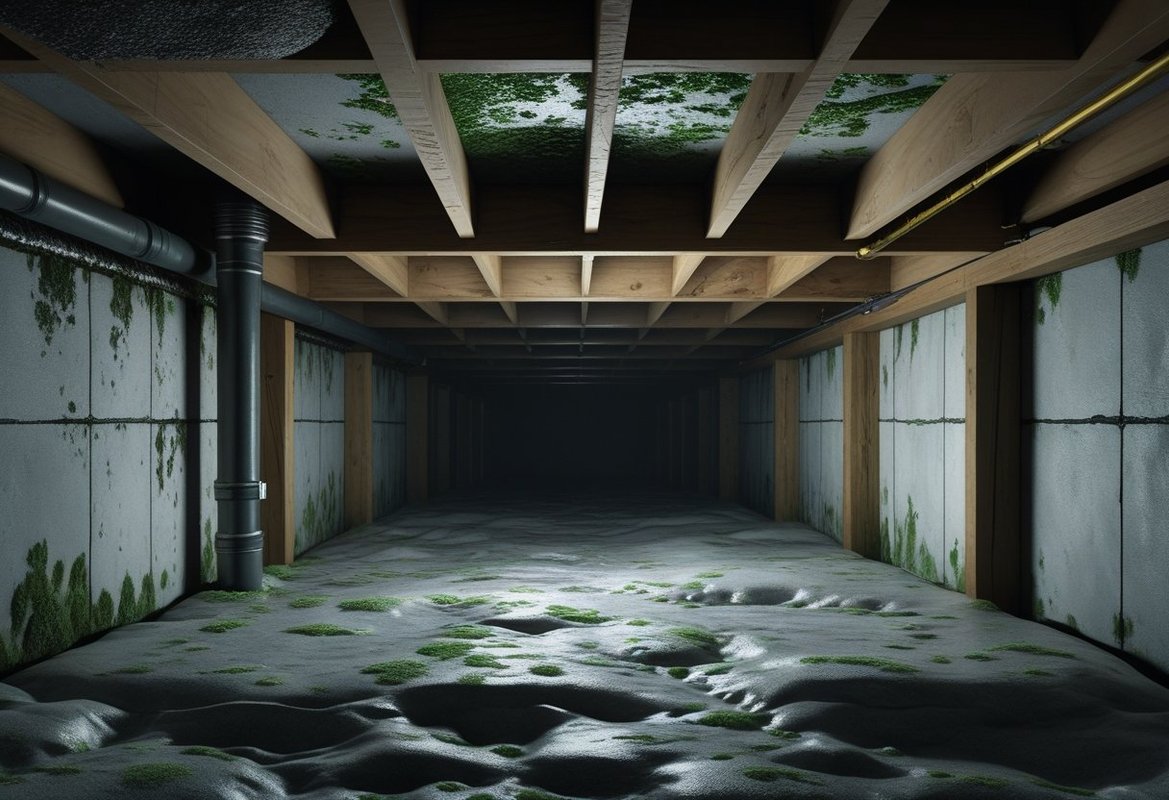
Drywall is a magnet for mold if water gets in through cracks, leaks, or bad seals. Once mold gets inside, it can spread to insulation and wood framing.
You might notice bubbling paint, soft drywall, or a stubborn musty odor. Mold can start growing within a day or two after a leak, especially in humid Atlanta bathrooms.
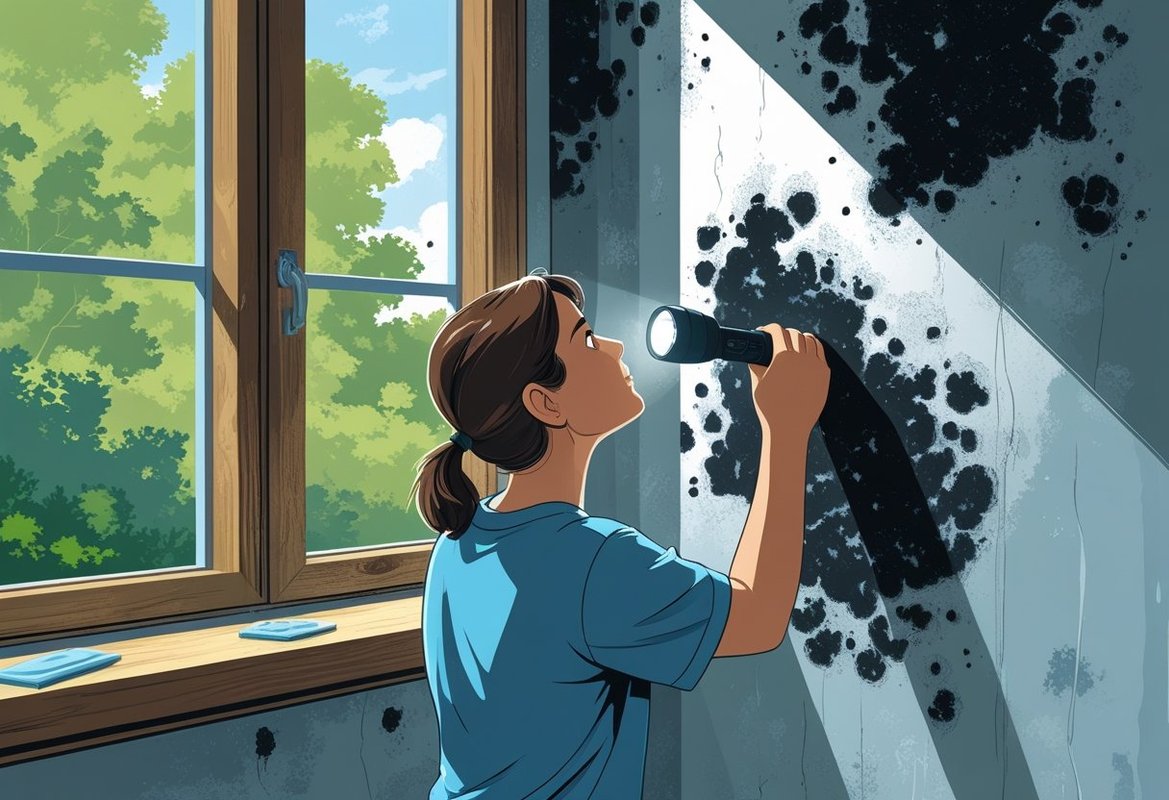
Hidden mold often hides behind tiles, under floors, or inside walls. If you spot gaps in grout or caulk, water might be getting in. Sometimes, you need a pro inspection to find hidden mold.
Recognizing Signs of Mold in Other Bathroom Surfaces
Mold can also show up on caulk, shower curtains, ceilings, and wood trim. These spots collect condensation, especially if your bathroom doesn't vent well.
Ceilings over showers might get yellow or brown stains—a sign of water and possible mold. Wood trim or cabinets can get soft spots or dark streaks from repeated dampness.
Cleaning regularly, using moisture-resistant materials, and keeping humidity low all help. Running a fan or cracking a window after a shower makes a big difference.
Causes of Mold Growth in Bathrooms
Mold grows when moisture sticks around on surfaces or in the air. Water from showers, sinks, or leaks soaks into grout, drywall, and wood, giving mold the dampness it loves.
Bad airflow and hidden leaks make things worse over time in Atlanta homes.
Persistent Moisture and Humidity
Bathrooms always have high humidity from showers and handwashing. Steam from hot water settles on walls, mirrors, and ceilings, leaving damp surfaces.
If you don't dry these spots quickly, water soaks into grout and drywall. Mold spores can move in and multiply fast.
Some common moisture traps:
- Long showers with no venting
- Wet towels or rugs left in the bathroom
- Standing water in sinks, tubs, or on the floor
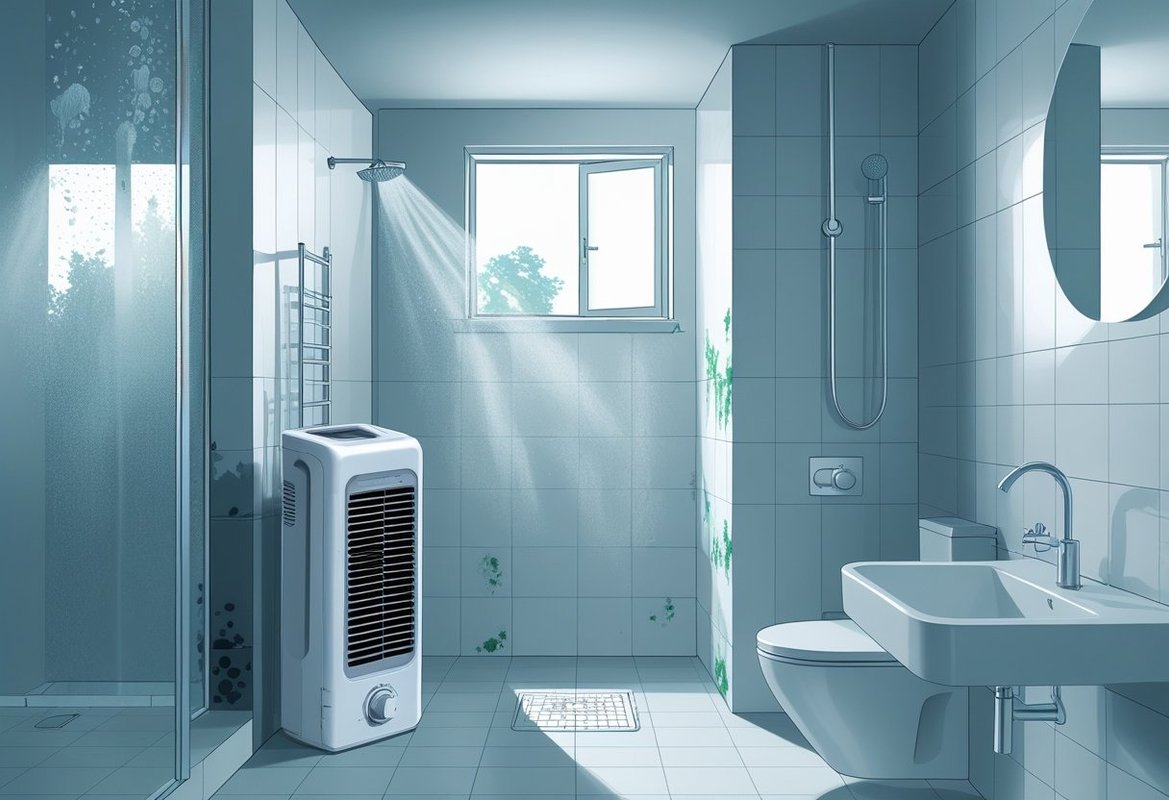
A good exhaust fan or dehumidifier can help keep humidity under 50%. Wiping down wet surfaces after use gets rid of moisture before it soaks in.
Plumbing Leaks and Water Intrusion
Even a tiny leak can keep things wet enough for mold. Leaks from sink pipes, shower heads, or toilets often hide behind walls or under floors.
Cracked tiles, bad caulk, or gaps around tubs and showers let water sneak into the subfloor or wall cavities.
Look for:
- Musty smells near sinks or tubs
- Stained grout or warped floors
- Peeling paint or bubbling drywall
Fixing leaks fast keeps water from feeding mold. Regular checks of plumbing and seals can catch problems early.
Poor Bathroom Ventilation
Without enough airflow, humid air just hangs around. That means wet surfaces stay wet longer.
Bathrooms in Atlanta without a good exhaust fan—or with fans that vent into the attic instead of outside—are much more likely to get mold. Fans need to push moisture outside.
If windows stay closed or vents are blocked, that also hurts airflow. Try opening a window after a shower, running the fan for at least 20 minutes, and leaving the door cracked.
Better ventilation works with other steps to keep humidity low and surfaces dry. Mold just can't thrive if things stay dry.
Effective Mold Removal Techniques
Getting rid of bathroom mold means using the right cleaning method for each surface and staying safe. Tile and other hard surfaces can usually be cleaned, but drywall or wood with mold might need to be replaced.
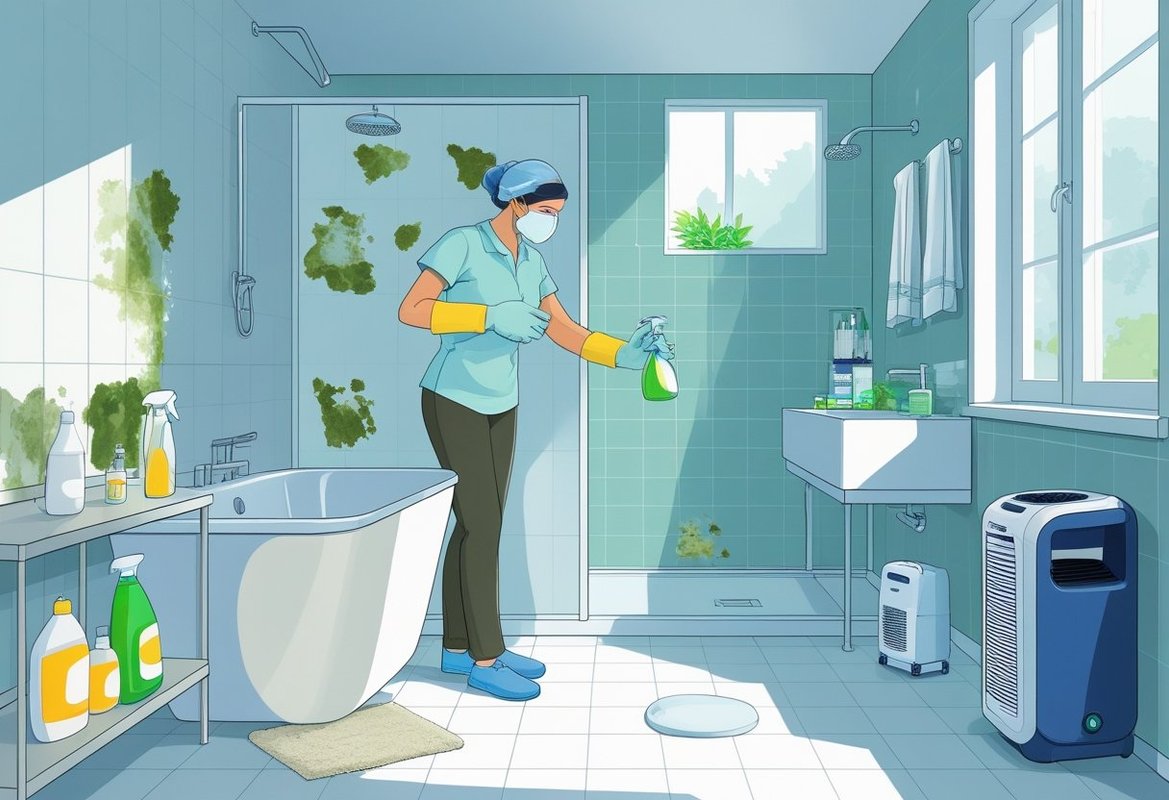
Safety Precautions for Mold Removal
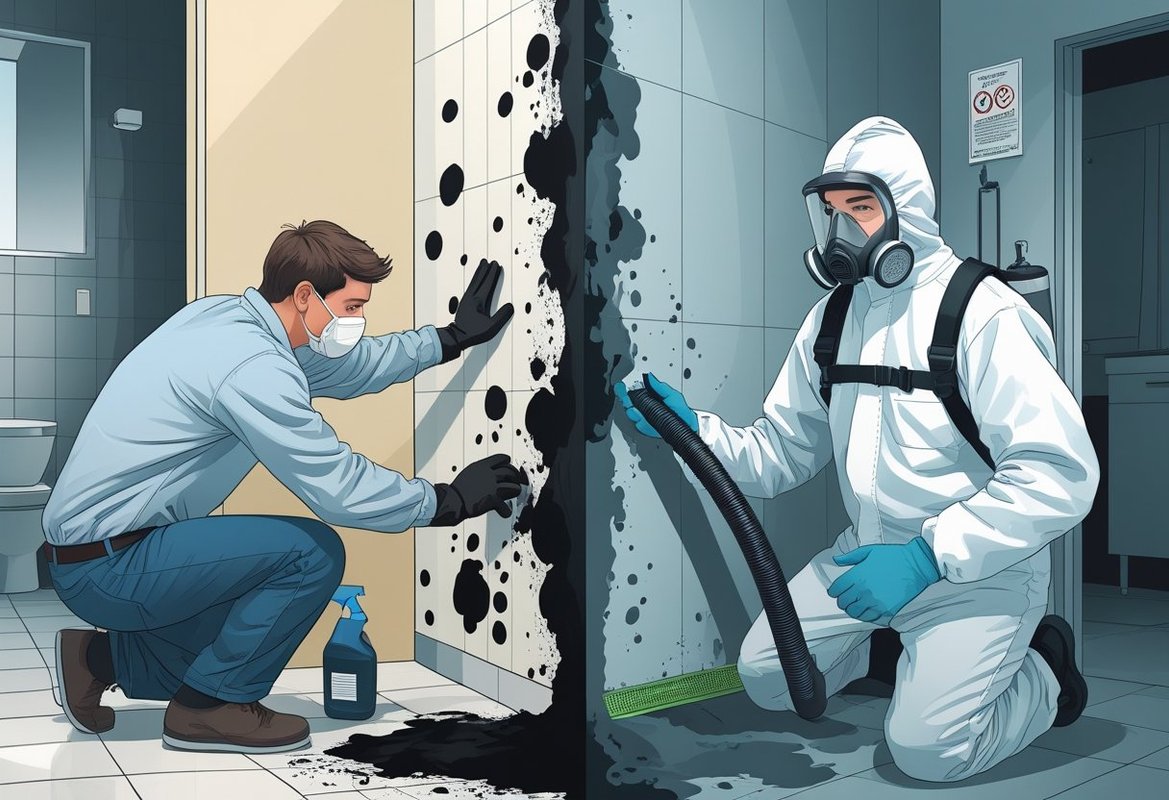
Mold spores can trigger allergies, breathing trouble, and eye irritation. Before cleaning, grab the right gear.
Wear:
- N95 mask or better
- Rubber or nitrile gloves
- Goggles (no vents)
Keep things ventilated. Open windows and point a fan out the window if possible.
Don't dry-brush or sweep mold—this just spreads spores. Use damp cleaning methods instead.
If the moldy area is bigger than 10 square feet, call a pro for mold remediation in Smyrna, or your Atlanta neighborhood.
Cleaning Mold From Grout and Tile
Grout's rough texture lets mold dig in, especially in wet bathrooms.
For light mold:
- Mix equal parts vinegar and water in a spray bottle.
- Spray on grout and wait 10 minutes.
- Scrub with a stiff brush, then rinse.
For tough stains, try a paste of baking soda and water. Scrub and rinse well.
Bleach (1 cup per gallon of water) kills black mold on tile and grout. Use it only in a well-ventilated area. Never mix bleach with ammonia or vinegar.
After cleaning, dry everything completely.
Addressing Mold in Drywall and Porous Materials
Drywall soaks up water, so mold here is tricky. If mold is just on the surface, wipe it with a cloth dampened in mild detergent—don’t soak it.
If the drywall is soft, crumbly, or moldy beneath the paper, cut out the bad section. Remove at least 12 inches beyond the visible mold.
Seal the removed drywall in plastic before tossing it.
Once you patch the drywall, use a mold-resistant primer and paint to help prevent future problems.
When to Call a Mold Remediation Professional
Call a pro for mold remediation in Decatur, or nearby if:
- Mold covers more than 10 square feet
- There’s black mold in HVAC or behind walls
- You can’t find or fix the moisture source
- Someone in your home has serious mold allergies or breathing issues
Pros use HEPA filters, barriers, and special cleaners to get rid of mold safely. They can also test the air to make sure everything’s back to normal.
Hiring a certified company means the job gets done right and mold is less likely to come back.
Long-Term Mold Prevention Strategies
Stopping mold in the bathroom is mostly about keeping things dry, boosting airflow, using smart materials, and cleaning regularly. Simple daily habits and good material choices go a long way in Atlanta.
Controlling Moisture and Humidity
Keeping moisture in check is key. Atlanta bathrooms often stay damp after showers, which is exactly what mold wants.
Try to keep humidity under 50%. A dehumidifier helps if your bathroom doesn’t vent well.
Wipe down wet walls, shower doors, and tiles after use. Fix leaky faucets, pipes, or shower seals right away—even tiny drips can feed hidden mold.
Using a grout sealer on tile joints keeps water from soaking in and cuts down on mold risk.
Improving Bathroom Ventilation
Good bathroom ventilation pulls humid air out before it settles. An exhaust fan should run during showers and for at least 20 minutes afterward.
This helps keep moisture from hanging around. Always vent fans outside—not into an attic or crawl space—or you'll risk hidden mold, especially in places like Smyrna.
Check the fan’s airflow rating to make sure it’s strong enough for your bathroom. If you can, open a window during and after bathing for extra airflow.
Bathrooms without windows need a stronger fan or maybe a fan and a dehumidifier together. It makes a difference, especially in older homes around Decatur.
Choosing Mold-Resistant Materials
Material choice matters a lot for mold prevention. Mold-resistant drywall and cement backer board stand up to moisture better than regular drywall.
Use mold-resistant paint or primer on walls for extra protection. Tiles with sealed grout work better in wet areas than porous surfaces.
Pick non-porous countertops and vinyl or porcelain tiles instead of anything that soaks up water. Reapply grout sealer regularly to keep tile joints protected from moisture.
Routine Maintenance and Cleaning Tips
Regular cleaning wipes away mold spores before they settle in. A weekly wipe-down of shower walls, grout, and fixtures with a mild cleaner helps keep buildup away.
Check corners, caulk lines, and behind toilets for early signs of mold so you can act fast. Replace cracked caulk or damaged grout to stop water from sneaking into walls or floors.
Keep shower curtains or doors open after use to let surfaces dry out. Store shampoo bottles on racks instead of directly on tile to avoid trapping moisture underneath.
Remodeling and Repairing Bathrooms With Mold Issues
During a bathroom remodel, you’ve got to remove every bit of moldy material. Choose replacements that resist future growth and seal every surface against moisture.
If you're remodeling in Roswell, this step is especially important since humidity can sneak in from all sides.
Replacing Mold-Damaged Materials
Mold grows behind tile, inside drywall, and under floors. Remove any material with visible mold or water damage—don’t just clean it.
Cut drywall at least 12 inches past the visible damage to be sure all spores are gone. Replace subflooring if it’s soft, warped, or stained.
When you pull out damaged grout or caulk, scrape out every bit before putting in new material. Leaving residue lets mold return fast.
For tile walls or floors, check the backer board. If it’s damp or crumbling, swap it for a moisture-resistant option before retiling.
Selecting Mold-Resistant Products for Remodels
Pick mold-resistant materials to lower the risk of future growth. Mold-resistant drywall (green board or purple board) is treated to resist moisture.
Ceramic tile works well for flooring and walls since it won’t absorb water. Pair it with quality grout and use a grout sealer to block moisture from tiny pores.
Use caulk labeled mold- and mildew-resistant for sealing joints around tubs, sinks, and showers. These products have additives that slow mold growth in damp spots.
Paints made for bathrooms often have antimicrobial agents. Use them on walls and ceilings, especially if your bathroom in Sandy Springs doesn’t have great ventilation.
Ensuring Proper Installation and Sealing
Even the best materials won’t help if installed badly. Seal all seams, joints, and edges to keep water from sneaking behind surfaces.
When tiling, put up a waterproof backer board and add a vapor barrier if needed. Fill grout lines completely, then seal them after the grout cures.
Set toilets, sinks, and tubs with watertight seals. Silicone caulk is good for areas that flex, while polyurethane sealants work for rigid joints.
Check seals regularly and reapply as needed to keep moisture out.
Frequently Asked Questions
Bathroom mold pops up in damp, poorly ventilated spaces and can spread fast if ignored. Regular cleaning, good ventilation, and catching it early cut down on damage and health concerns.
How can I prevent mold growth in my bathroom?
Keep surfaces dry, run the exhaust fan during and after showers, and open windows for airflow. Seal grout and caulk to block moisture. Clean regularly with mold-resistant products to limit buildup.
What are the first signs of mold in a bathroom?
Look for small black, green, or brown spots on grout, caulk, or walls. You might notice a musty or earthy smell. Peeling paint or warped drywall near damp spots can mean hidden mold.
Which areas in the bathroom are most susceptible to mold?
Mold often shows up on grout lines, shower tiles, caulk seams, and around sinks or tubs. Ceilings and walls near the shower are at risk, especially if the ventilation isn’t great. Areas behind toilets and under sinks can hide mold growth too.
What is the best way to remove mold from bathroom surfaces?
Scrub small mold patches on tile or grout with water and mild detergent, vinegar, or diluted bleach. For porous stuff like drywall, you’ll usually need to replace it. Wear gloves, goggles, and a mask while cleaning—safety first.
Can bathroom mold cause health issues?
Mold exposure can lead to nasal congestion, coughing, or skin irritation for some folks. People with asthma, allergies, or weak immune systems might react more strongly. Over time, breathing it in gets riskier, so don’t let it linger.
How often should I inspect my bathroom for mold?
Check your bathroom for mold at least once a month. Pay close attention to corners, grout lines, and spots under the sink.
If you live in the Atlanta, GA area—maybe in Marietta or Decatur—humidity can sneak up on you, so stay alert after heavy showers or when the weather’s muggy. Catching mold early makes cleanup way less of a hassle.

Water Damage Atlanta Editorial Team
Restoration & Home Services Expert
We help Atlanta homeowners recover from water damage with trusted advice and local resources.