Beyond Bleach: Effective Bathroom Mold Removal Techniques for Lasting Results
Bathrooms in the Atlanta area—like in Marietta, Roswell, or Sandy Springs—are basically mold magnets. The mix of constant moisture, warm air, and not-so-great airflow creates ideal conditions for m...
Beyond Bleach: Effective Bathroom Mold Removal Techniques for Lasting Results
Bathrooms in the Atlanta area—like in Marietta, Roswell, or Sandy Springs—are basically mold magnets. The mix of constant moisture, warm air, and not-so-great airflow creates ideal conditions for mold.
Bleach might seem like the answer, but honestly, it usually just hides the real problem. If you want to actually get rid of mold, you need targeted techniques that deal with both what you can see and the sneaky spores hiding out of sight.
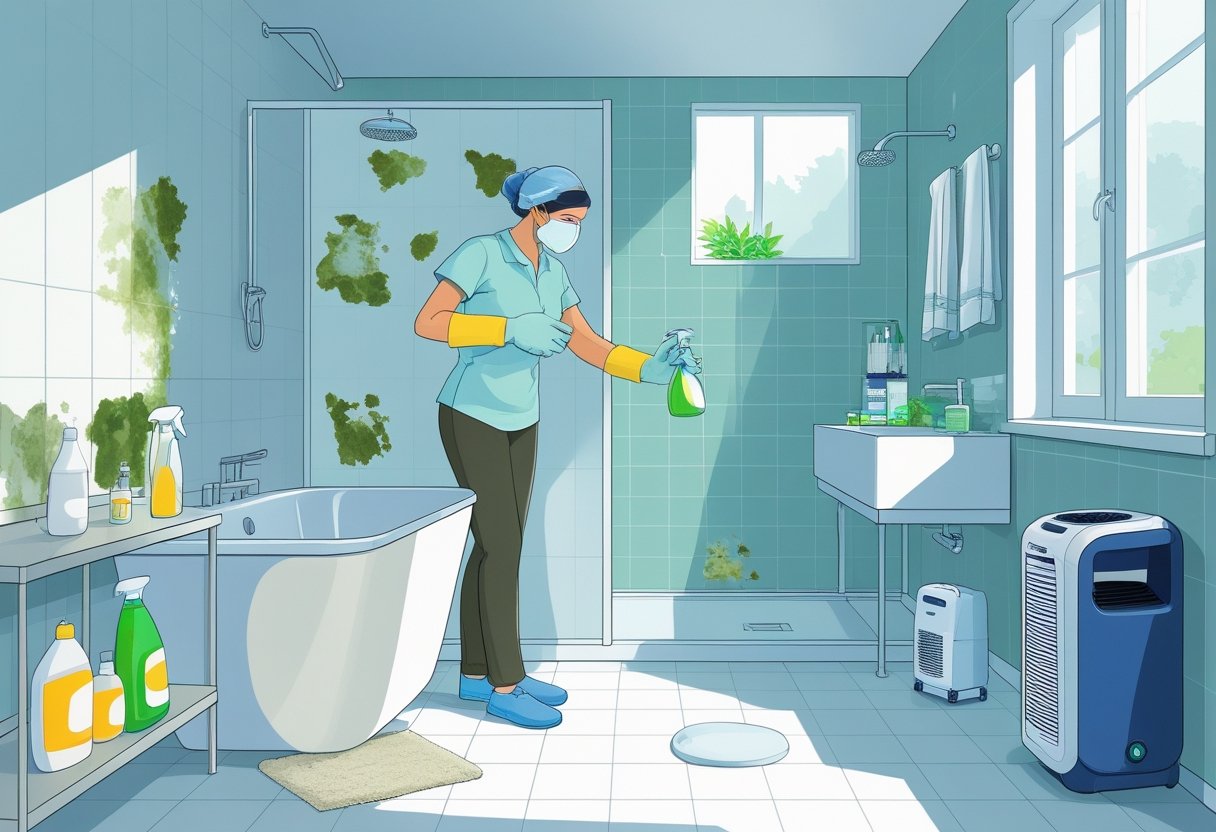
Understanding why mold shows up and how it spreads is key. You’ve got to spot early signs, pick the right cleaning products, and keep the air moving to keep moisture down.
Let’s walk through some proven ways to tackle bathroom mold—without just reaching for bleach. We’ll cover natural fixes like vinegar and hydrogen peroxide, smarter cleaning habits, and when you should really call a pro (especially if you’re in Decatur or Buckhead and the problem’s out of hand).
Understanding Bathroom Mold and Mildew
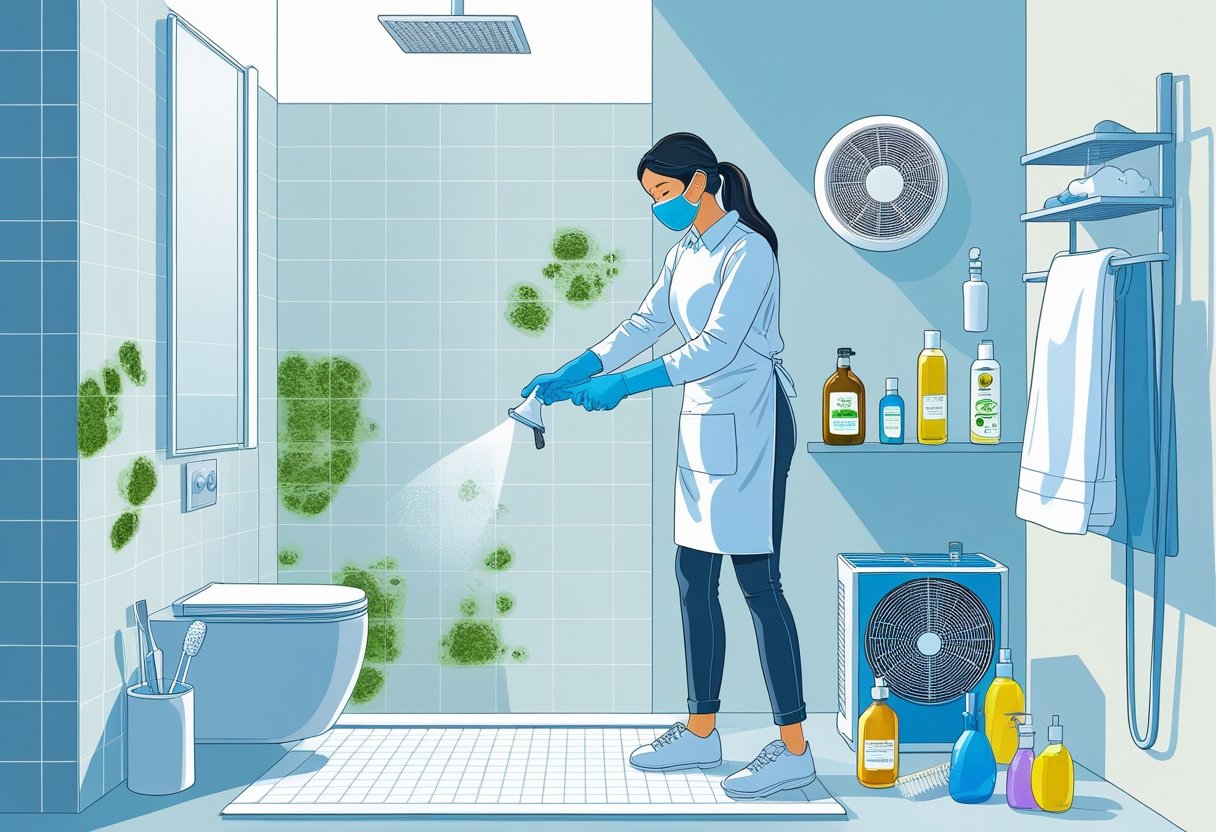
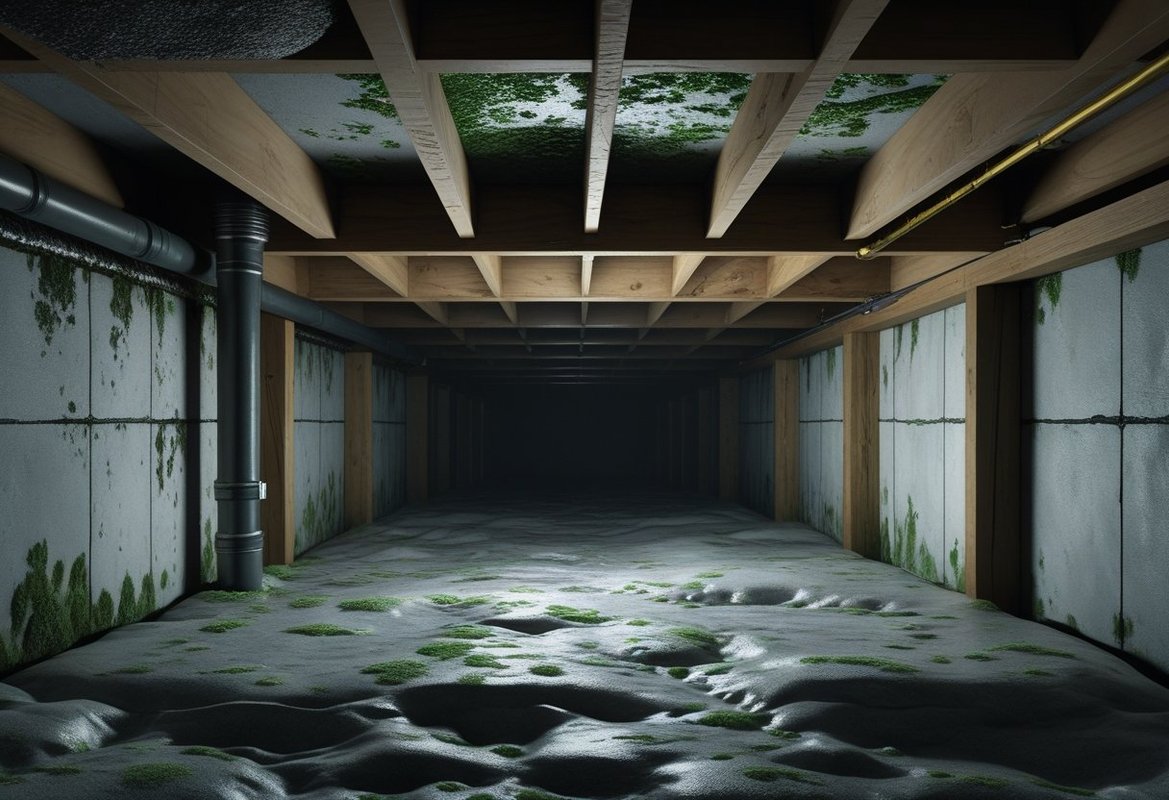
Bathrooms stay humid and damp, especially after showers or baths. With little airflow, mold and mildew can pop up fast on walls, ceilings, or grout.
If you know what causes it and what types you’re dealing with, you can manage it better.
Why Bathrooms Are Prone to Mold
After a hot shower, moisture clings to tiles, grout, and paint. Mold spores love these wet surfaces.
Not enough ventilation? That just traps humidity and makes things worse.
Leaks, slow drains, or water pooling around tubs and sinks are also culprits. Even tiny drips can keep an area damp enough for mold to spread.
Main moisture sources:
- Steam from hot water
- Leaky pipes or faucets
- Bad ventilation
- Wet towels or bath mats left out
Common Types of Bathroom Mold
You’ll usually find Cladosporium, Penicillium, and Aspergillus in bathrooms. These grow on tile, glass, and metal fixtures.
Black mold (Stachybotrys chartarum) is rarer but shows up if there’s water damage on drywall or wood. It needs lots of moisture to survive.
Mildew looks like a thin, powdery layer—white, gray, or light brown. It often pops up on shower curtains, grout, and caulking.
Where it grows:
| Mold Type | Common Appearance | Usual Location |
|---|---|---|
| Cladosporium | Black/green spots | Shower walls, grout |
| Penicillium | Blue/green patches | Wallpaper, damp corners |
| Aspergillus | Yellow/green fuzz | Ceiling, vents |
| Mildew | White/gray film | Caulking, curtains |
Health Risks Associated With Mold Exposure
Mold sends tiny spores into the air. Breathing them in can trigger sneezing, coughing, or itchy eyes.
People with asthma or weak immune systems can have worse reactions, like breathing trouble or sinus infections.
Some molds, like Stachybotrys chartarum, might make mycotoxins. Not every strain is dangerous, but long-term exposure—especially for kids, seniors, or anyone with lung issues—isn’t great.
Identifying Mold Infestations in the Bathroom
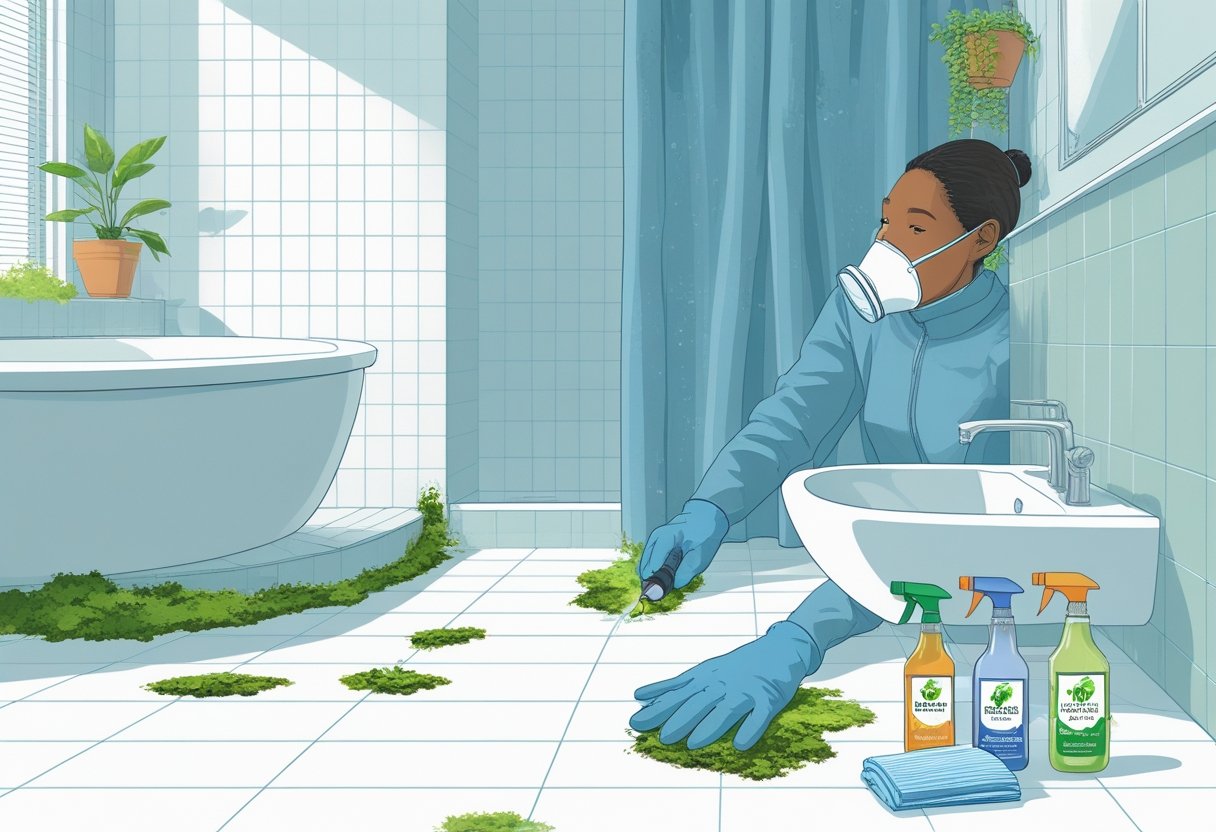
Mold loves humid, damp corners—especially in places like Midtown Atlanta or College Park, where summers get sticky. Catching it early can save you a headache and some money.
Recognizing Early Signs of Mold Growth
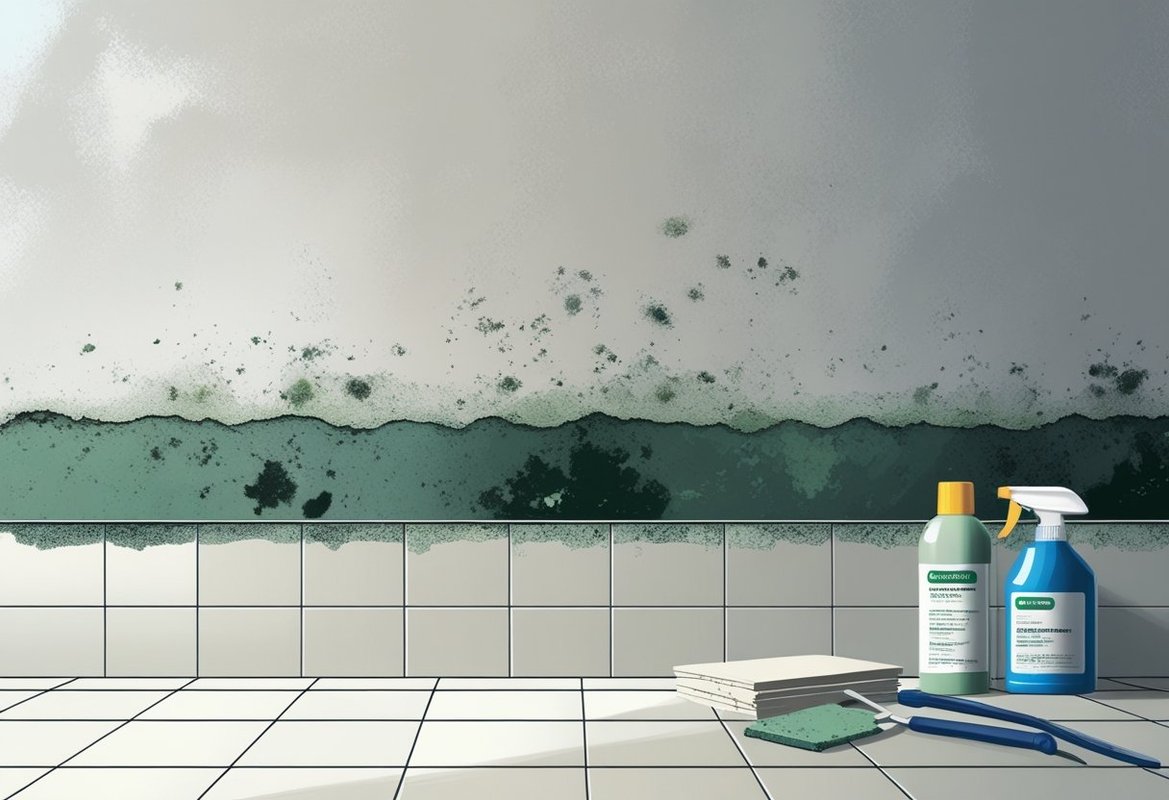
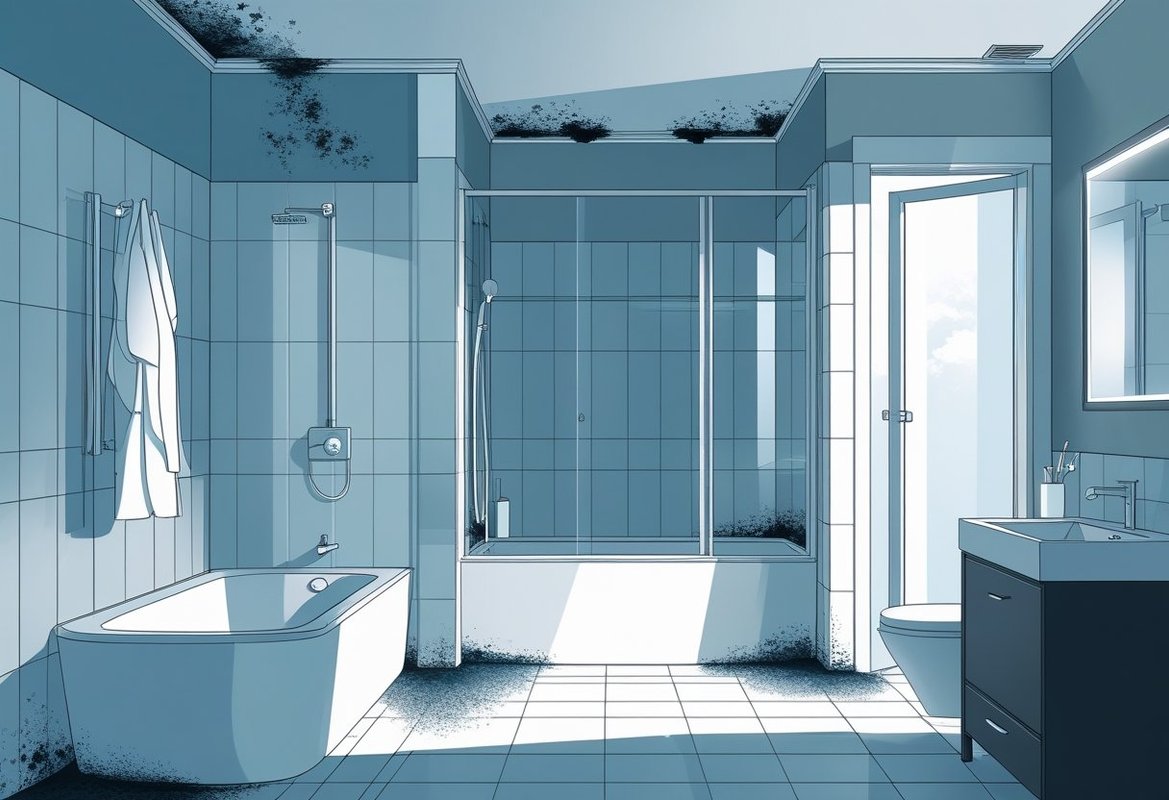
Look for black, green, or pink spots on grout, caulk, or painted walls. These usually start in corners, along the shower, or near the sink.
A musty smell is a big red flag, even if you don’t see anything. Sometimes, mold hides behind walls or under the floor.
Other hints:
- Paint peeling or bubbling
- Grout looking stained or darker
- Condensation that just won’t quit on mirrors or windows
Spot these early? You’ll have a much easier time getting rid of the problem.
Conducting Thorough Bathroom Inspections
Check every damp spot—behind the toilet, under the sink, around shower doors. Don’t forget the ceiling, especially near exhaust fans.
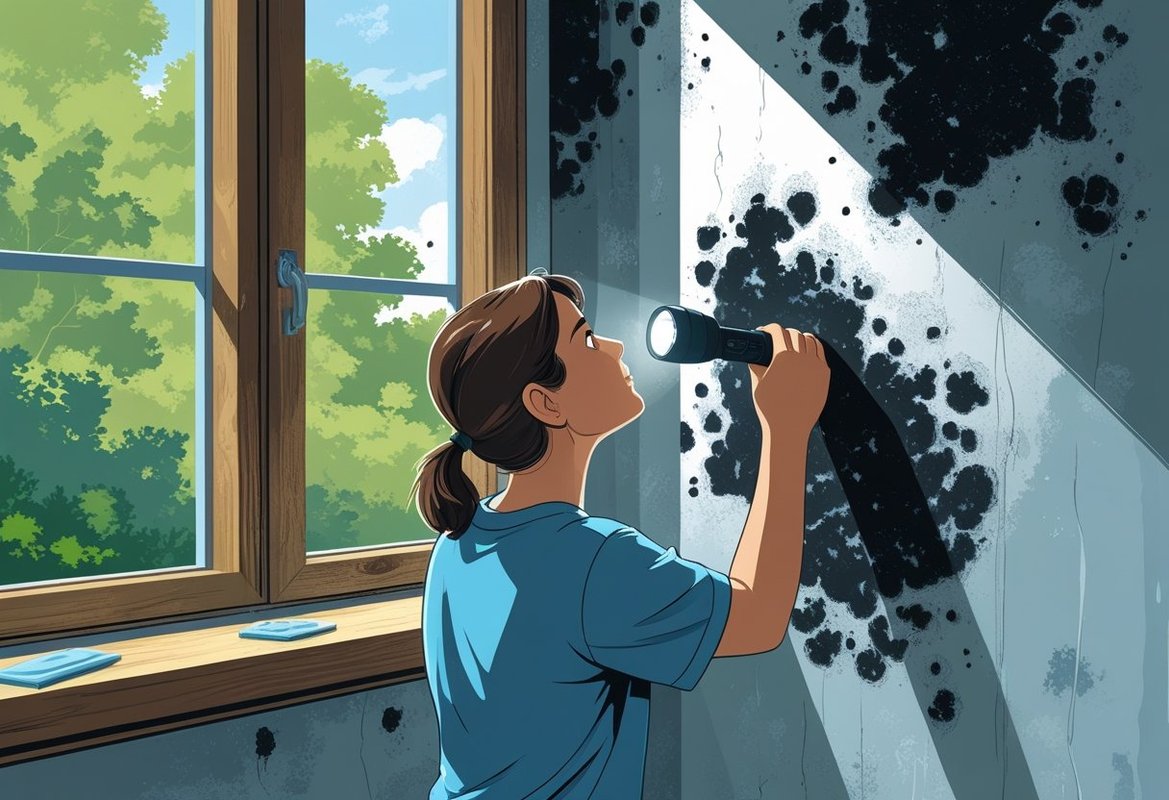
Use a flashlight for dark corners. Mold loves to hide in the shadows.
Pay close attention to caulk lines and silicone seals. They trap moisture and can hide small mold colonies.
If you suspect hidden mold, look for water stains, warped spots, or soft drywall and flooring. In tough cases, you might need a moisture meter or even a pro inspection.
Take photos of what you find. It helps you track progress and decide what to do next.
Preparing for Mold Removal
You’ll need the right gear and a plan to keep mold from spreading. Prepping right makes cleaning safer and more effective.
Essential Tools and Safety Precautions
Here’s what you’ll want:
| Tool / Material | Purpose |
|---|---|
| Scrub brushes | Scrub grout, tile, hard surfaces |
| Spray bottles | Apply cleaners evenly |
| Buckets & sponges | Rinse and wipe |
| Plastic sheeting | Block off areas |
| HEPA vacuum | Trap spores during cleanup |
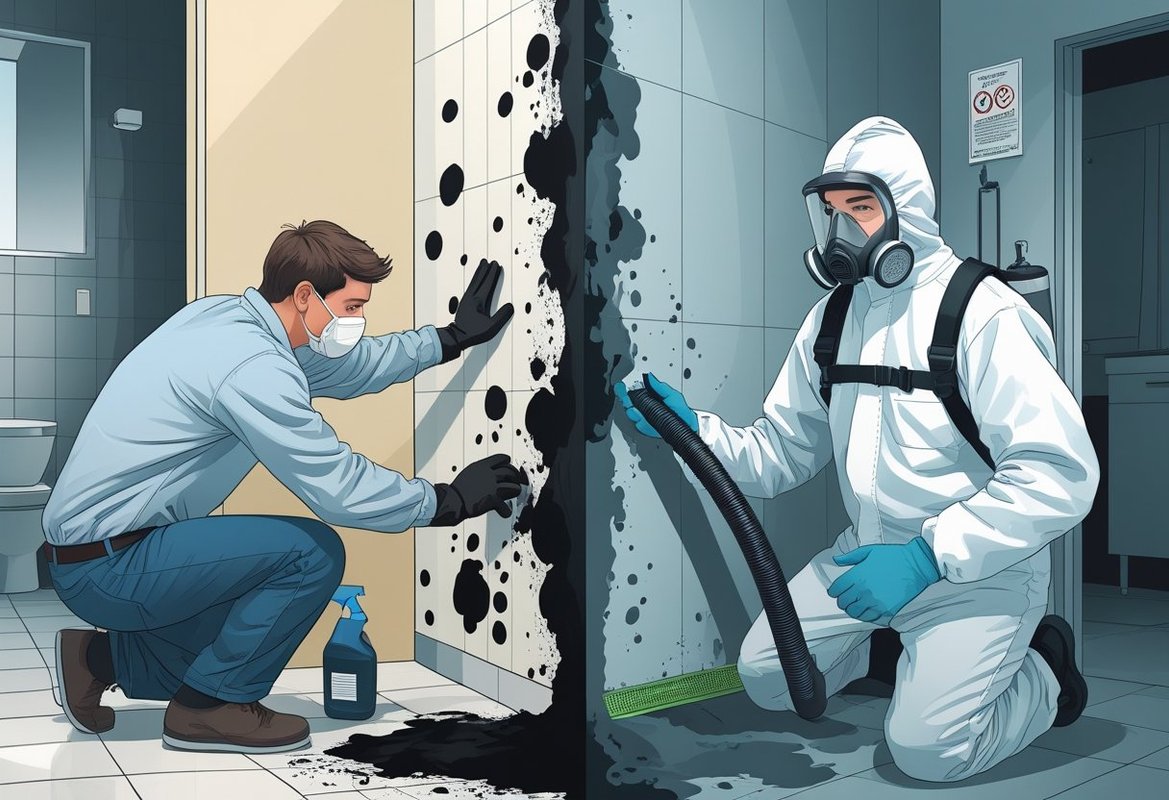
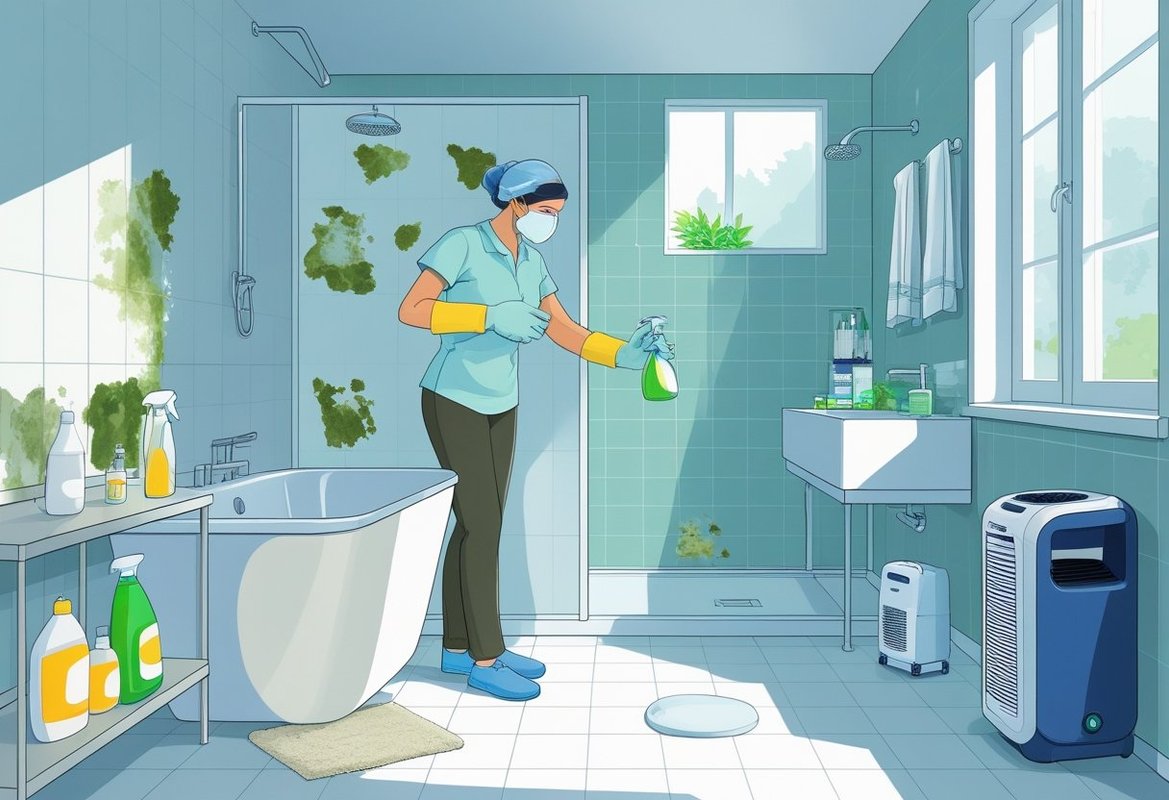
Wear an N95 mask (or better), non-porous gloves, and goggles without vents. Mold spores are tiny and you don’t want them in your lungs or eyes.
Open windows or run the fan for airflow. Never mix bleach and ammonia—seriously dangerous fumes.
Protecting Yourself and Your Home
Seal off the bathroom with plastic and painter’s tape. Cover vents so spores don’t get into your HVAC.
Move or cover towels, rugs, and toiletries. Wash fabrics in hot water after cleaning.
Wear clothes you can wash right away—separately from other laundry. For big jobs, disposable coveralls help keep spores off your clothes.
Keep pets and family out until you’re finished and everything’s dry. No sense in spreading spores around the house.
Beyond Bleach: Alternative Mold Removal Techniques
You don’t need harsh bleach to kill bathroom mold. There are safer, effective options—plus, they’re less likely to wreck your grout or stink up the place.
Natural Remedies for Bathroom Mold
White vinegar is a top pick. Spray it straight on the mold, let it sit at least an hour, then scrub.
Baking soda mixed with water makes a gentle paste that’s great for grout.
Hydrogen peroxide (3%) foams up and breaks down mold. Spray it on, wait 10 minutes, scrub, and rinse.
Other options? Tea tree oil or lemon juice—they’re antifungal and handy for small patches.
Non-Bleach Commercial Cleaners
Plenty of store-bought mold removers skip the bleach. Look for ones with hydrogen peroxide, quaternary ammonium compounds, or plant-based surfactants.
These are good if you’ve got chemical sensitivities or bad ventilation. They’re also less likely to discolor stone or grout.
Check the label for what’s inside, safety tips, and which surfaces it works on. Some brands even add mold inhibitors to slow regrowth.
Proper Application of Cleaning Products
No matter what you use, gear up with gloves, goggles, and a mask. Clean off dirt and soap scum first with soap and water.
Apply your cleaner and let it sit for the time recommended. Scrub with a stiff brush for grout or a gentle pad for smooth spots.
Rinse well and dry the area. Keeping things dry and fixing leaks afterward will help keep mold away.
Effective Cleaning and Remediation Strategies
Small spots? You can usually handle them with household solutions. Bigger infestations—especially if you’re in Alpharetta or East Point and it keeps coming back—might need more serious help.
Scrubbing and Surface Cleaning Methods
For non-porous surfaces like tile or glass, use white vinegar, hydrogen peroxide, or a mild bleach mix. Spray it on, let it sit for 10 minutes, then scrub.
Use a stiff brush for grout; a soft sponge for smooth surfaces. Always wear gloves and ventilate the room.
If mold’s inside caulk or sealant, cleaning won’t cut it. You’ll need to remove and replace it.
Quick cleaning steps:
- Ventilate—open a window or run the fan.
- Apply your cleaning solution.
- Let it sit.
- Scrub and rinse.
- Dry everything completely.
Dealing With Stubborn or Recurrent Mold
If mold keeps coming back, you probably have a moisture problem or hidden growth. Leaks, trapped water, or bad airflow are usually to blame.
Porous materials like drywall or wood soak up mold. In those cases, it’s usually better to remove and replace instead of scrubbing.
Mold pros (especially those offering mold remediation in Marietta or Dunwoody) can test for dangerous types and use stronger cleaners or HEPA filters. They may seal up affected areas to keep spores from spreading.
Fixing leaks, boosting airflow, and adding a dehumidifier are critical. If you don’t control moisture, even the best cleaning won’t last.
Preventing Future Mold Growth in Bathrooms
Mold loves damp, stuffy spaces. If you keep humidity low, air moving, and surfaces clean, you’ll have a much easier time keeping your bathroom mold-free.
Improving Bathroom Ventilation
Bad ventilation traps steam and raises humidity. Install or upgrade an exhaust fan that vents outside (not into the attic).
Let the fan run for 20–30 minutes after every shower or bath. If you have a window, crack it open to help.
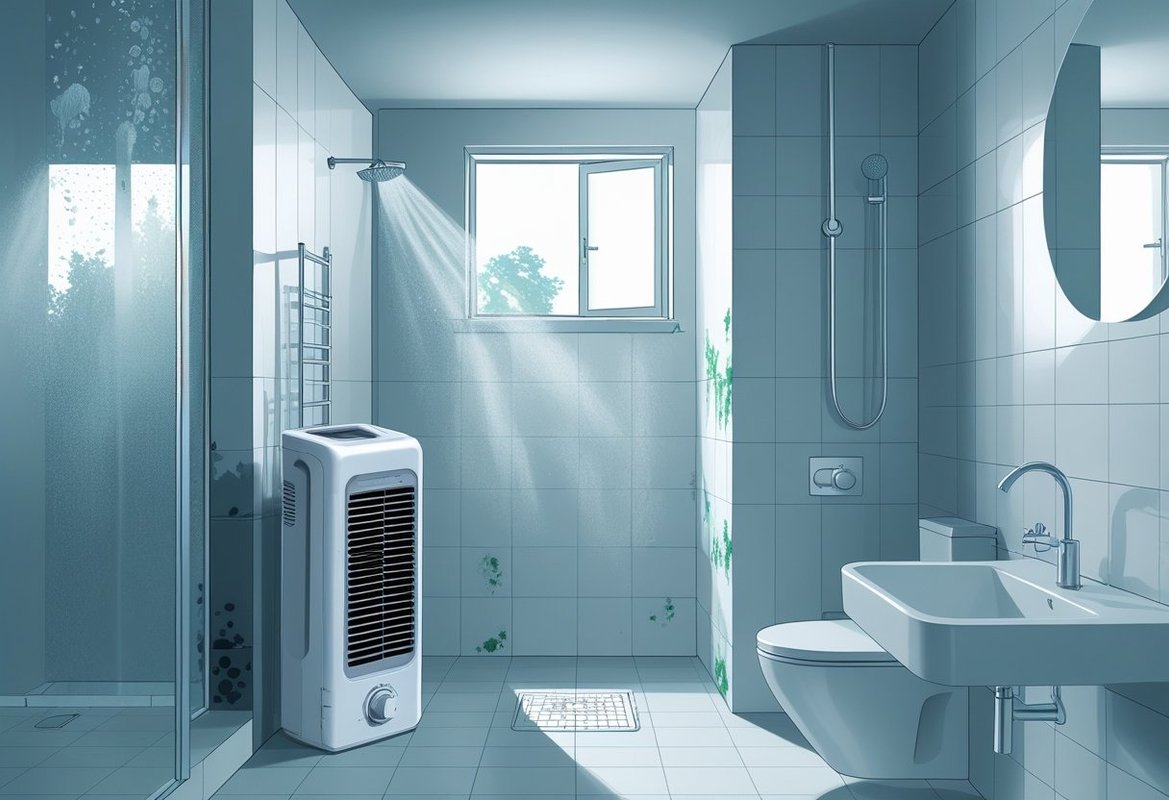
No window or fan? Try a portable ventilation unit. In bigger homes, leave the bathroom door open when not in use to keep air circulating.
Moisture Control and Humidity Reduction
Aim for indoor humidity below 50%. A dehumidifier can help, especially during muggy Atlanta summers.
Fix leaks fast. Even a slow drip can keep things damp enough for mold to grow.
Wipe down shower walls and doors after use. A squeegee or microfiber cloth makes it quick.
Don’t leave wet towels or bathmats in a pile. Hang them up so they dry out instead of keeping the room humid.
Routine Cleaning and Maintenance
Regular cleaning gets rid of soap scum, body oils, and organic residue—stuff that mold loves. If you clean tile, grout, and caulk with a mild cleaner every week, you’ll stop buildup before it starts.
Check grout lines and caulk for cracks or gaps. Damaged seals let water sneak behind surfaces, and that’s where mold can hide out of sight.
A simple maintenance schedule might look like this:
| Task | Frequency |
|---|---|
| Clean shower/tub surfaces | Weekly |
| Wipe down walls and fixtures | After each use |
| Inspect for leaks or damage | Monthly |
| Deep clean grout and caulk | Every 3–6 months |
Keep surfaces dry, fix damage quickly, and stay on top of cleaning. If you’re in places like Sandy Springs or Marietta, this routine can really help keep mold away.
When to Seek Professional Mold Remediation
Big mold problems, hidden growth inside walls, or mold that’s making people sick call for professional help. The size of the moldy area, the reason for moisture, and the type of mold all matter when deciding if you need an expert.
Assessing the Severity of Mold Problems
If mold covers more than 10 square feet, that’s usually too much for DIY cleaning. This gets serious fast if it’s spread into drywall, subfloors, or your HVAC system.
A strong musty odor can mean there’s hidden mold behind your walls or under the floor. Water damage from leaks or floods makes things worse and can spread mold even farther.
If anyone at home has worsening asthma, nasal congestion, or allergies, it’s probably time to call for mold remediation in areas like Decatur. Mold spores can definitely trigger those symptoms.
Here’s a quick guide for when to call a pro:
| Situation | Action |
|---|---|
| Visible mold >10 sq ft | Call remediation service |
| Mold in HVAC system | Professional inspection |
| Recurring mold after cleaning | Identify and fix moisture source |
| Health symptoms linked to mold | Seek expert help |
Choosing Qualified Mold Remediation Services
A trustworthy mold remediation company should have certifications from groups like the Institute of Inspection, Cleaning and Restoration Certification (IICRC). That shows they know what they’re doing.
They need to give you a clear inspection report that explains the problem and how they’ll fix it. Stay away from companies that promise removal without finding out what’s causing the moisture.
Ask about containment methods to stop mold spores from spreading during cleanup. The pros should use HEPA filters, wear protective gear, and safely get rid of contaminated materials.
Always get a written estimate that covers inspection, removal, and prevention. If you’re in Atlanta or Roswell, compare at least two licensed water damage companies for fair pricing and better results.
Frequently Asked Questions
Natural cleaners like vinegar, baking soda, and hydrogen peroxide can tackle mold without harsh chemicals. Keeping things dry, ventilated, and clean helps stop mold from coming back.
What natural remedies are effective for removing bathroom mold?
White vinegar kills a lot of mold on non-porous surfaces.
Baking soda works for scrubbing and deodorizing.
Hydrogen peroxide disinfects and gets rid of stains.
How can I clean bathtub mold using natural ingredients?
Spray white vinegar right on moldy spots and leave it for at least an hour.
For tough spots, scrub with a paste of baking soda and water.
Rinse with warm water and dry the area fully.
Is vinegar and water an effective solution for mold cleanup?
Yep. A 1:1 vinegar and water mix works for light mold.
If you need more power, use undiluted vinegar and let it sit before wiping.
Always dry the surface after cleaning so mold doesn’t come back.
What are the best natural cleaners for tackling black mold in showers?
Hydrogen peroxide (3%) can kill black mold and sanitize the area.
Tea tree oil mixed with water is another natural antifungal.
Baking soda paste helps scrub mold out of grout and tile.
How can I prevent mold growth in my home using natural methods?
Keep humidity below 50% with a dehumidifier or exhaust fan.
Open windows when you can to get air moving.
Clean and dry wet areas within a day to keep mold from starting.
Are there any household hacks for mold removal without using bleach?
Try spraying vinegar on damp spots. It helps keep mold in check, especially if you live in humid Atlanta neighborhoods, which let's face it, that's almost the entire state of Georgia.
Make a baking soda paste and scrub it onto grout lines. Rinse well after scrubbing.
After showers, just wipe down surfaces to cut down on moisture. It's a simple step, but it really makes a difference.

Water Damage Atlanta Editorial Team
Restoration & Home Services Expert
We help Atlanta homeowners recover from water damage with trusted advice and local resources.