Preventing Future Problems: Life After Attic Mold Remediation and Long-Term Maintenance Tips
Attic mold remediation restores your home’s safety, but honestly, the job’s not done just because the mold’s gone. If you don’t address what caused it in the first place, the same mess can come rig...
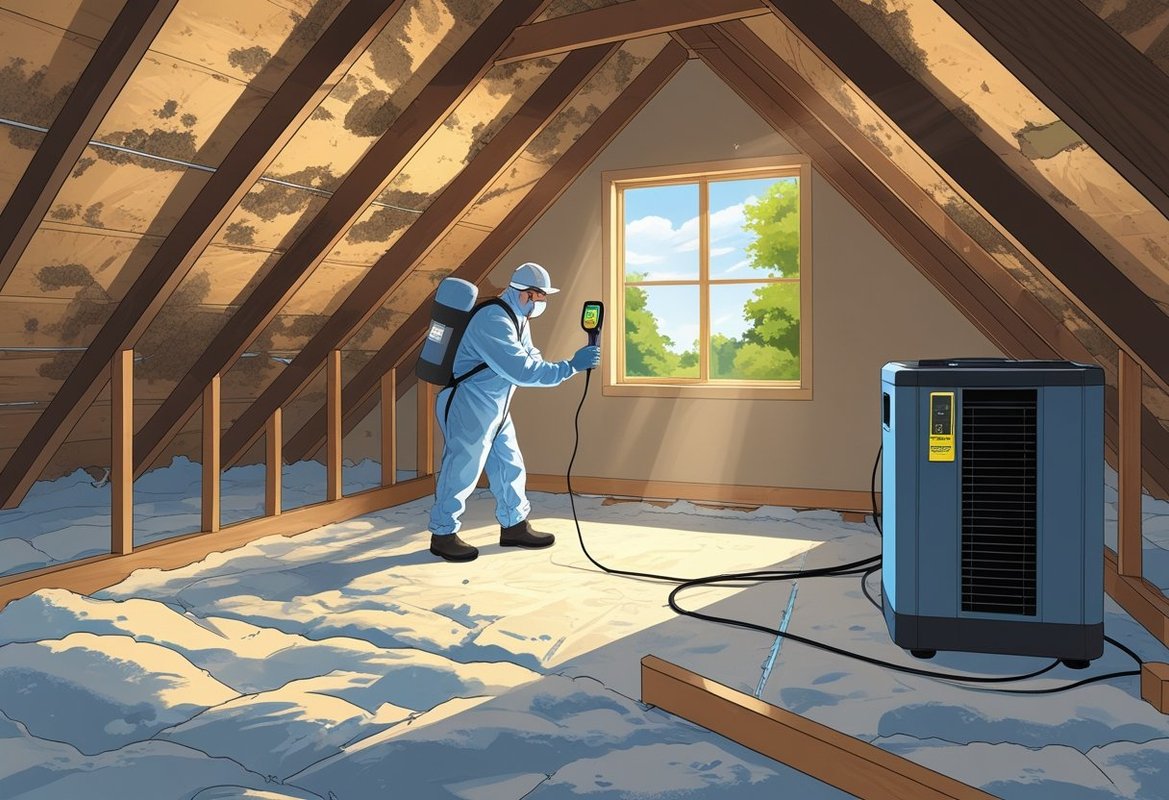
Preventing Future Problems: Life After Attic Mold Remediation and Long-Term Maintenance Tips
Attic mold remediation restores your home’s safety, but honestly, the job’s not done just because the mold’s gone. If you don’t address what caused it in the first place, the same mess can come right back.
The real trick after attic mold remediation is keeping moisture out and ventilation up—every single season.
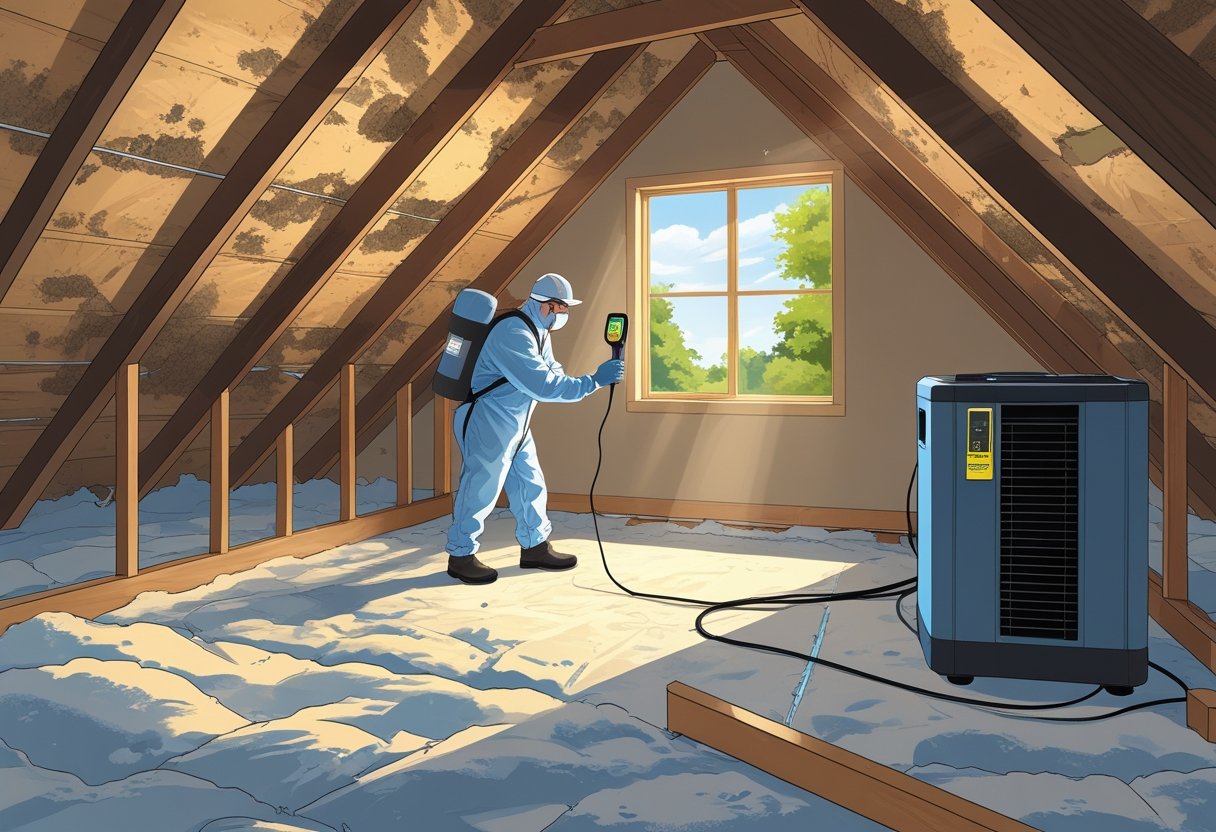
Every decision about attic care matters after remediation. Even a tiny leak, bad airflow, or a little dampness can undo all that hard work.
Understanding what lets mold thrive and catching problems early helps you protect your investment. No one wants to pay for cleanup twice.
Understanding Life After Attic Mold Remediation
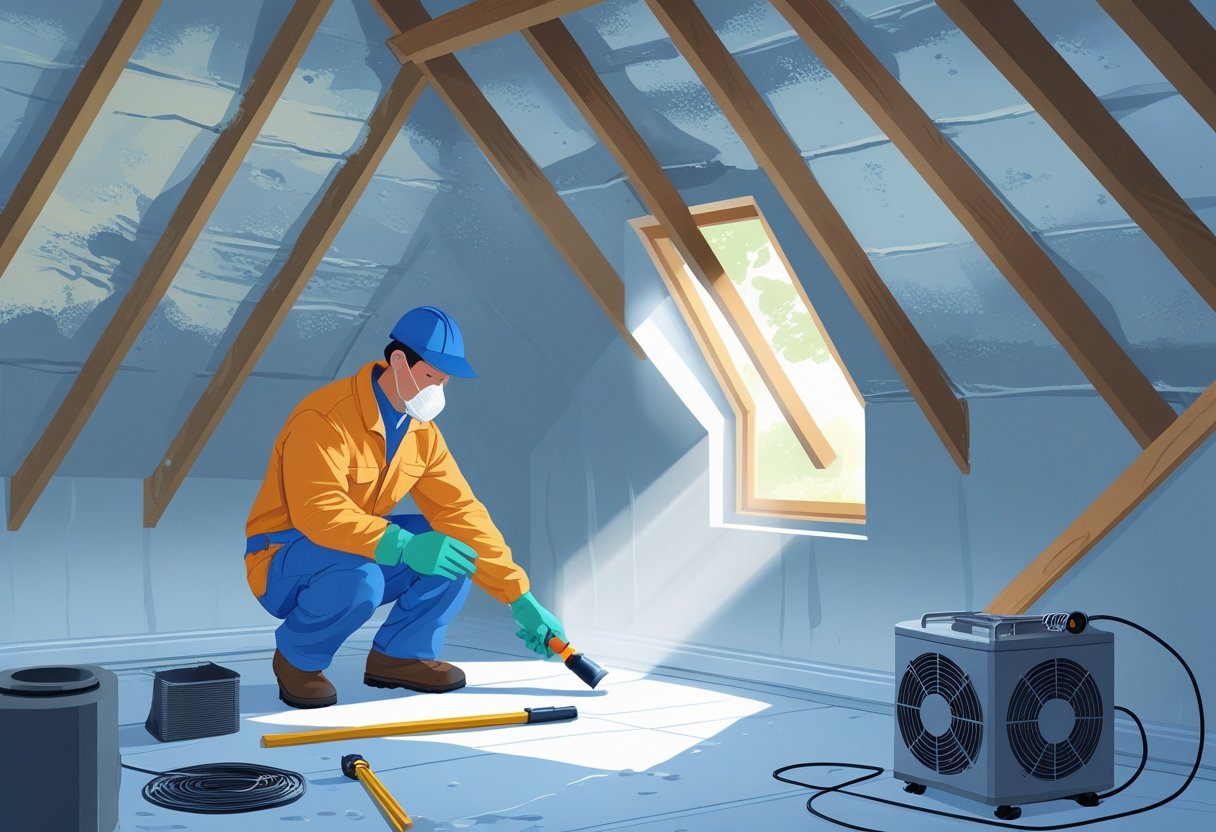
After attic mold remediation, the space should be free of visible mold. But the conditions that started the problem could still be lurking.
You need to control moisture, keep ventilation working, and check the attic regularly to stop mold from coming back.
What to Expect Post-Remediation
When remediation wraps up, you should see no visible mold and normal airborne spore levels. If insulation or wood couldn’t be cleaned, it should be swapped out.
Expect the attic to look cleaner and smell, well, like nothing—no musty funk. Surfaces should be dry, and vents should actually move air.
Most pros will suggest a follow-up inspection in 6–12 months. These checks make sure moisture’s still under control and mold hasn’t snuck back in.
Key maintenance steps:
- Keep the roof and flashing in good repair
- Make sure soffit and ridge vents aren’t blocked
- Watch humidity—aim for under 50%
Common Challenges Homeowners Face
Even after professional mold remediation in Marietta, GA or nearby Atlanta suburbs, some folks find moisture keeps sneaking back in. Leaky roofs, bad attic airflow, or condensation from HVAC ducts can set the stage for mold all over again.
Hidden mold’s another headache. Sometimes, it hides behind insulation or in wall cavities missed during the first fix.
Cost can slow things down, too. If you delay repairs to your ventilation or roof because of the price, the attic can quickly become mold-prone again.
Common trouble spots:
- Vents blocked by insulation or junk
- Not enough insulation, causing condensation
- Humidity spikes in summer that no one addresses
Signs of Persistent Mold Issues
If you smell musty odors, spot dark patches on wood or insulation, or notice more sneezing at home, mold might still be around.
Water stains on the ceiling below the attic can mean a leak’s letting mold spores set up shop again.
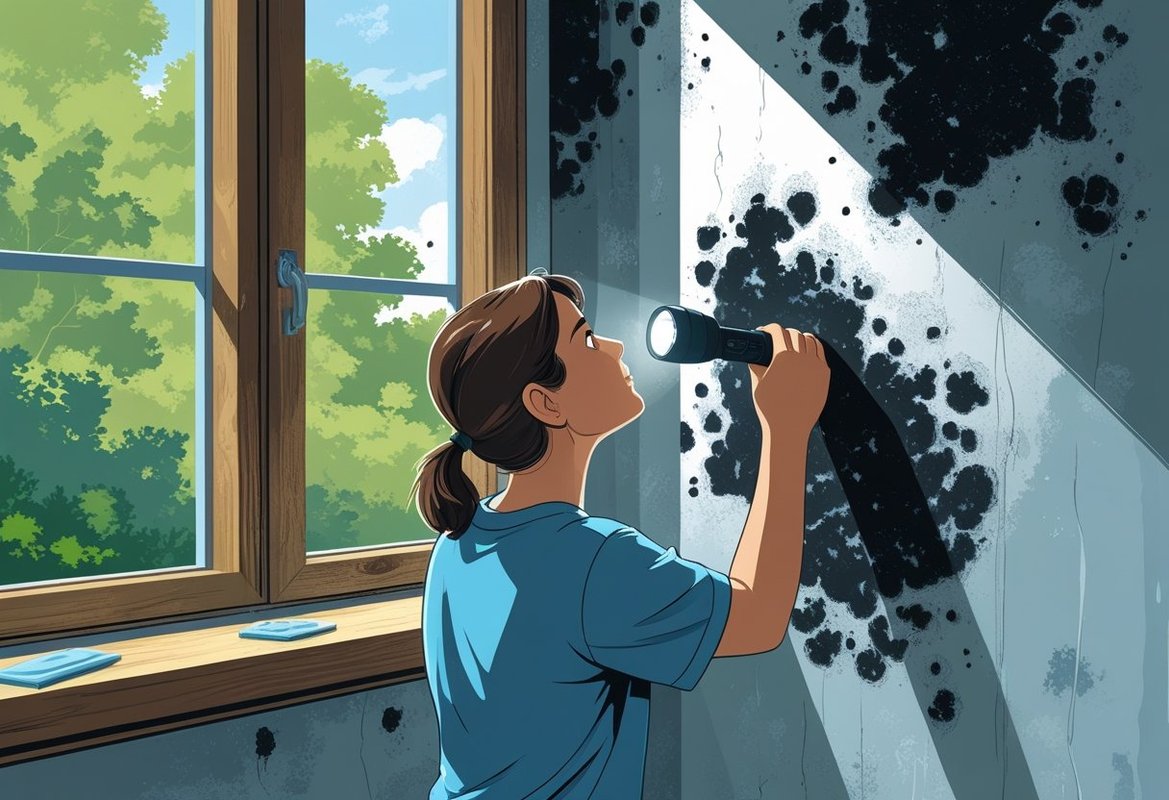
Grab a flashlight and check for:
- Discoloration on rafters or sheathing
- Damp or matted insulation
- Condensation on nails or metal surfaces
If you see these, find and fix the moisture source fast—don’t wait for another full-blown mold problem.
Long-Term Mold Prevention Strategies
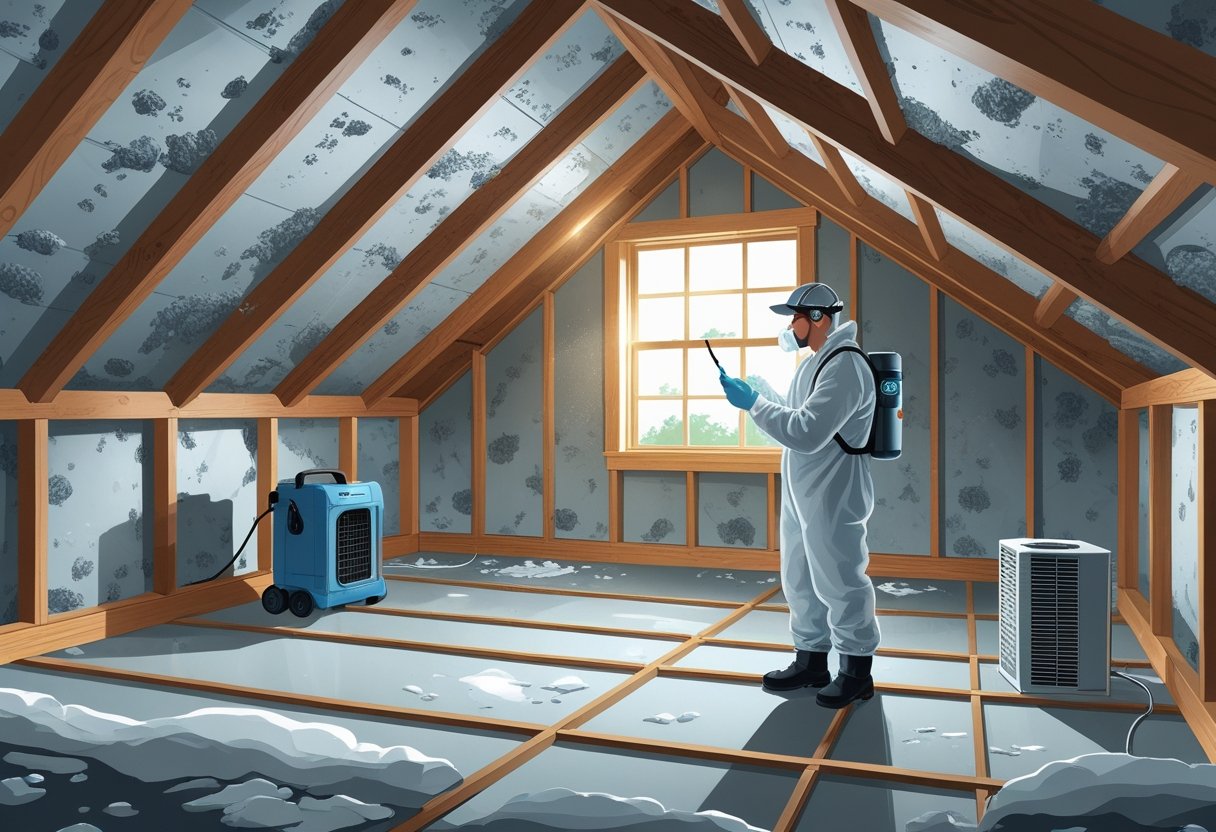
Keeping the attic dry, ventilated, and free of mold-friendly materials is your best defense. Focus on controlling moisture, spotting problems early, and using materials that actually resist mold.
Controlling Moisture Levels
Moisture is the main culprit for attic mold. Even a small leak or a little condensation can let it grow.
Fix roof leaks right away. Make sure bathroom and kitchen vents blow outside, not into the attic—seriously, that’s a common mistake.
Good ventilation balances humidity. Ridge vents, soffit vents, or attic fans can all help move air. In Atlanta, GA, where summers are muggy, a dehumidifier can help keep humidity under 50%.
Watch for ice dams in winter if you’re north of the city. Seal up gaps around chimneys, pipes, and light fixtures to keep warm air from escaping and causing condensation.
Routine Attic Inspections
Check your attic at least twice a year—spring and fall work well. Early detection saves money and stress.
When you inspect, look for:
- Water stains on wood or insulation
- Musty smells
- Warped or wet insulation
- Rust on nails or metal
A flashlight and dust mask make the job safer and easier. If you spot moisture, fix it right away.
Keep a simple log of inspection dates and what you find—trust me, you’ll forget by next season.
Using Mold-Resistant Materials
If you’re replacing insulation or wood after mold remediation in Smyrna, GA, or nearby, pick mold-resistant stuff. Mold-resistant drywall, treated plywood, and closed-cell spray foam all handle moisture better than the cheap, basic materials.
For insulation, spray foam or fiberglass batts with a vapor barrier work best. Avoid cellulose insulation in damp areas—it holds water and can get gross fast.
A mold-inhibiting coating on wood framing adds another layer of protection. These coatings make it harder for mold to get a foothold, especially in humid spots.
Optimizing Attic Ventilation
Good ventilation keeps moisture down, lowers heat, and makes it harder for mold to return. It also helps your mold remediation last longer.
Benefits of Improved Airflow
Better airflow regulates attic temp and keeps humidity in check. When warm, damp air can escape, you get less condensation on wood and insulation.
Ventilation also helps your roof last longer. Too much heat can fry shingles in summer, and trapped moisture can rot wood in winter.
You might even notice lower energy bills. Cooler attics mean your AC works less, and proper winter airflow prevents ice dams and leaks.
Main benefits:
- Lower humidity—less mold
- Stable temps—protects roofing
- Energy efficiency—lower cooling bills
- Moisture control—prevents rot and insulation damage
Types of Ventilation Systems
Attic ventilation works best when intake and exhaust are balanced. Soffit vents pull in fresh air, while ridge or gable vents let out hot, damp air.
Common systems:
| Vent Type | Location | Purpose |
|---|---|---|
| Soffit Vents | Under eaves | Bring in cool, dry air |
| Ridge Vents | Roof peak | Release hot, moist air |
| Gable Vents | Gable ends | Help cross-ventilation |
| Roof Vents | Near ridge | Extra exhaust |
Powered attic fans move air fast, but use them carefully. If you don’t have enough intake, they can suck air from your house—raising bills and humidity.
Addressing Roof Leaks and Structural Repairs
Water sneaking in through the roof can restart mold and damage your home’s frame. Fixing leaks and structural issues quickly keeps things solid and saves money long-term.
Identifying and Fixing Roof Leaks
Roof leaks often start with small cracks, missing shingles, or busted flashing. Even tiny gaps let water seep into the attic and create mold-friendly dampness.
Inspect your roof at least twice a year—more often after big storms in the Atlanta area. Look for:
- Loose or missing shingles
- Rusty or gapped flashing
- Stains or wet spots in the attic
Fix leaks fast. Sometimes roofing cement does the trick; bigger issues might need a pro roofer.
Gutters matter, too. Keep them clear and trim back tree branches so water flows away from the roof.
Repairing Insulation and Wood Damage
Water from leaks can soak attic insulation, making it useless and inviting mold. Wet insulation usually needs to be replaced. Drying it in place rarely works.
Wood rafters and sheathing can get soft, warped, or even rot from moisture. Check for soft spots, discoloration, or musty smells.
If the damage is minor, sanding and treating the wood with a fungicide can help. For severe rot or mold, you might have to replace sections of framing.
Using moisture-resistant insulation and sealing wood adds protection if another leak happens down the line.
Monitoring for Early Warning Signs
Moisture and organic junk in your attic can let mold return if you miss the warning signs. Catching changes in air quality or spotting damage early keeps small problems from turning into expensive repairs.
Detecting Musty Odors
A musty smell usually means hidden mold, even if you can’t see it. Mold gives off funky compounds, especially when it’s warm and damp.
The odor often gets worse after rain or when the HVAC runs—sometimes spores spread into the ductwork.
Pay attention to when and where you notice the smell. Keeping a log can help you find leaks or spots with bad airflow.
Check:
- Smells near insulation, rafters, and boxes
- Odor strength in attic vs. living spaces
- Any smell that lingers for more than a few days
Spotting Visual Indicators
Not all mold stinks, so look for visual clues.
Common signs:
- Black, green, or white spots on wood or insulation
- Water stains or discoloration
- Peeling paint or warped wood
Even tiny patches can send spores into the air. Discoloration often pops up near vents, roof penetrations, or along eaves.
Use a flashlight to check corners, behind boxes, and under the roof deck. Mold can start within 24–48 hours after a leak, so don’t ignore water marks.
Maintaining a Healthy Attic Environment
A dry, clean, and well-ventilated attic is way less likely to have a mold comeback. Regular checks, fast repairs, and knowing when to call a pro are key to keeping things safe.
Establishing a Maintenance Schedule
Consistency is your friend. Check the attic twice a year—spring and fall. After heavy rain or snow, do an extra check for leaks.
Controlling moisture is crucial. Look for roof leaks, make sure insulation is dry, and confirm vents aren’t blocked. Good airflow stops condensation and mold.
Don’t let dust and junk pile up. Clutter blocks vents and traps moisture.
A simple checklist helps:
| Task | Frequency | Purpose |
|---|---|---|
| Inspect for leaks | 2x/year | Prevent water damage |
| Check ventilation | 2x/year | Reduce moisture |
| Remove debris | As needed | Keep airflow |
Keep notes on what you find—tracking issues makes future repairs easier.
When to Seek Professional Help
Sometimes you need more than DIY. If mold comes back after remediation, or if the musty smell won’t quit, call a pro for a proper inspection.
Persistent moisture could mean hidden leaks or poor ventilation design.
Pros can handle big insulation jobs and serious ventilation upgrades. They’ve got tools to find moisture inside walls or under insulation, which you can’t see on your own.
If you need structural repairs—like fixing rafters or replacing roof sections—hire a licensed contractor. Fast action here saves you money and headaches later.
Frequently Asked Questions
After attic mold remediation in areas like Sandy Springs or Decatur, GA, focus on moisture control, solid ventilation, and using mold-resistant materials. Regular inspections and professional help when needed keep mold from returning.
What are the key steps to take after mold remediation in an attic to prevent recurrence?
First, fix any roof leaks right away. Seal up gaps and make sure your insulation stays dry.
You've got to control or remove any moisture sources. Some folks in areas like Marietta, GA, even use an encapsulating sealant on cleaned surfaces to slow down future mold growth.
How often should I inspect my attic for signs of mold after remediation?
Check your attic at least twice a year, usually in spring and fall. If you’ve had heavy storms or recent roof repairs, it’s smart to take a quick look again.
Can improving attic ventilation help prevent future mold growth, and what methods are recommended?
Definitely. Good ventilation keeps moisture from building up.
Installing ridge vents, soffit vents, or both gives you steady airflow. This helps keep humidity down—something every homeowner in Smyrna, GA, or Buckhead should consider.
What materials are best suited for resisting mold growth in attic renovations?
Go for moisture-resistant insulation and treated wood. Mold-resistant drywall also holds up better in damp conditions.
These materials just don’t soak up water as easily, which means a drier attic.
Are there specific humidity levels that should be maintained in the attic to deter mold?
Try to keep attic humidity under 50%. Use a hygrometer to monitor it.
If you notice levels creeping up, a dehumidifier or better ventilation can help you stay in the safe zone.
What professional maintenance should be considered post-remediation to ensure a mold-free attic?
Get a qualified contractor to inspect your attic in the Atlanta, GA area at least once a year. They’ll check ventilation, insulation, and look for any moisture problems.
These pros can catch leaks or early damage before mold has a chance to show up. If you’re in places like Marietta, GA or Decatur, GA, regular checkups make a real difference.

Water Damage Atlanta Editorial Team
Restoration & Home Services Expert
We help Atlanta homeowners recover from water damage with trusted advice and local resources.