Is Attic Mold Affecting Your Home's Air Quality? Tips for Atlanta Homeowners
Attic mold isn’t just an ugly stain above your head—it can mess with the air your family breathes. In Atlanta’s humid climate, trapped moisture and lousy ventilation often give mold a green light t...

Is Attic Mold Affecting Your Home's Air Quality? Tips for Atlanta Homeowners
Attic mold isn’t just an ugly stain above your head—it can mess with the air your family breathes. In Atlanta’s humid climate, trapped moisture and lousy ventilation often give mold a green light to grow.
When mold pops up in the attic, its spores can sneak into your home’s air and drag down your indoor air quality.

This contamination can trigger allergies, make asthma worse, and lead to other breathing problems. Spores can travel through air ducts, so the issue becomes harder to manage.
A lot of Atlanta homeowners only realize there’s attic mold after smelling something musty or dealing with weird health symptoms.
If you know how attic mold forms, spot the warning signs, and take the right steps to fix it, you can protect your health and home. Let’s dig into how attic mold connects to indoor air quality, why it’s common in Atlanta, and what you can actually do about it.
How Attic Mold Impacts Your Home’s Air Quality
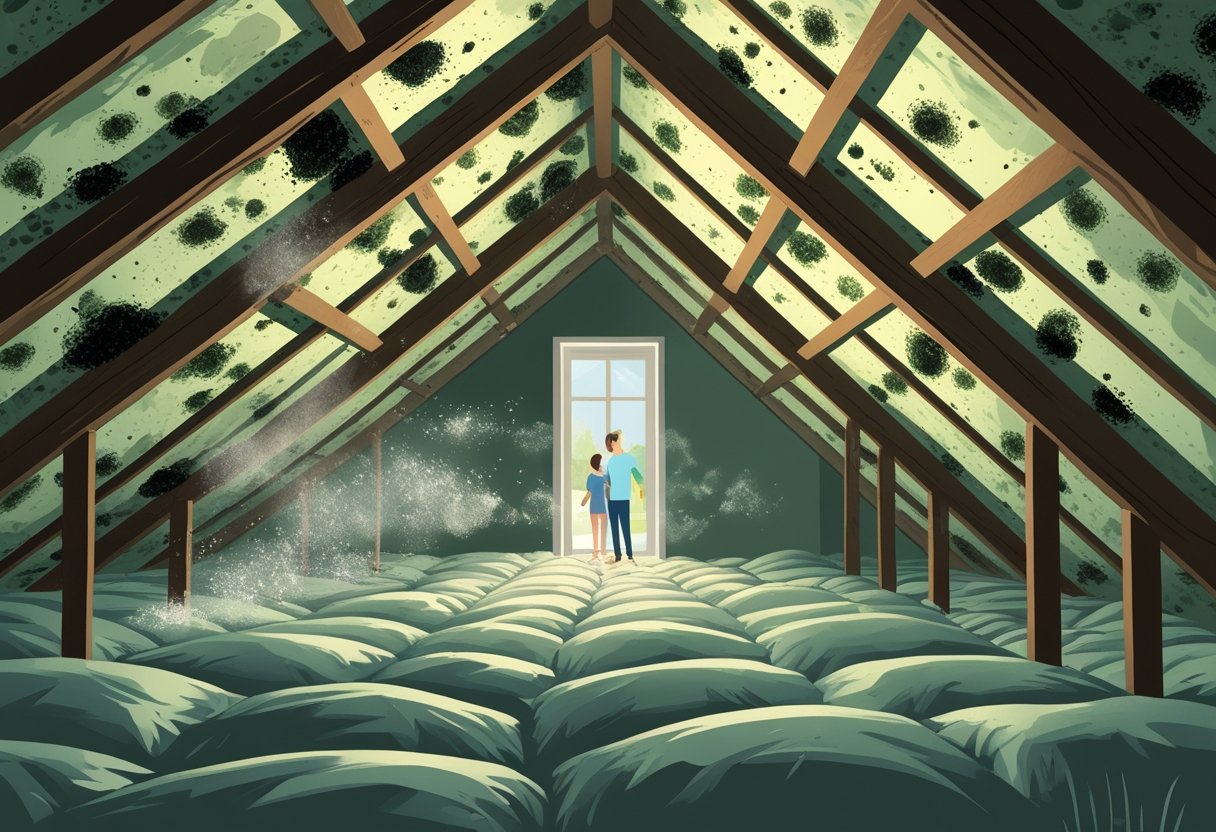
Attic mold releases particles into the air that can move through your home’s ventilation system. These particles may lower air quality, cause weird smells, and spread allergens that make everyone less comfortable.
Mold Spores and Indoor Air Quality
Mold in your attic makes tiny spores that float in the air. Spores can sneak into living spaces through gaps, ductwork, or cracks in the ceiling.
Once they’re inside, they mix with the air you breathe. If you have asthma or allergies, this can be a real problem.
You might not see mold in your living room, but that doesn’t mean spores aren’t floating around. High humidity or moisture in the attic speeds up mold growth.
As colonies get bigger, more spores end up in the air. Regular attic checks and moisture control can keep spore levels down.
Airflow and Mold Spread
Air movement matters a lot here. Warm air rises, and in plenty of Atlanta homes, attic air leaks into living areas through ceiling openings, light fixtures, or vents.
If your attic connects to the HVAC system—maybe through leaky ducts—spores spread even faster. The system can pull in contaminated attic air and push it into every room.
Poor attic ventilation traps humid air, which helps mold grow and release more spores. Better venting and airflow can really limit how much mold invades your home.
Musty Odors and Allergen Circulation
That musty smell? It’s a classic mold warning. Mold releases compounds as it grows and breaks down materials, and those compounds are what you smell.
Odors travel through the house, especially if the HVAC or airflow pulls attic air inside. Even if mold is only in the attic, the smell can show up in bedrooms or hallways.
Along with the stink, mold spores can circulate and cause sneezing, coughing, or itchy eyes—especially if you’re sensitive. Fixing attic mold and sealing air leaks can help cut down both the smell and the allergens.
Common Causes of Attic Mold in Atlanta
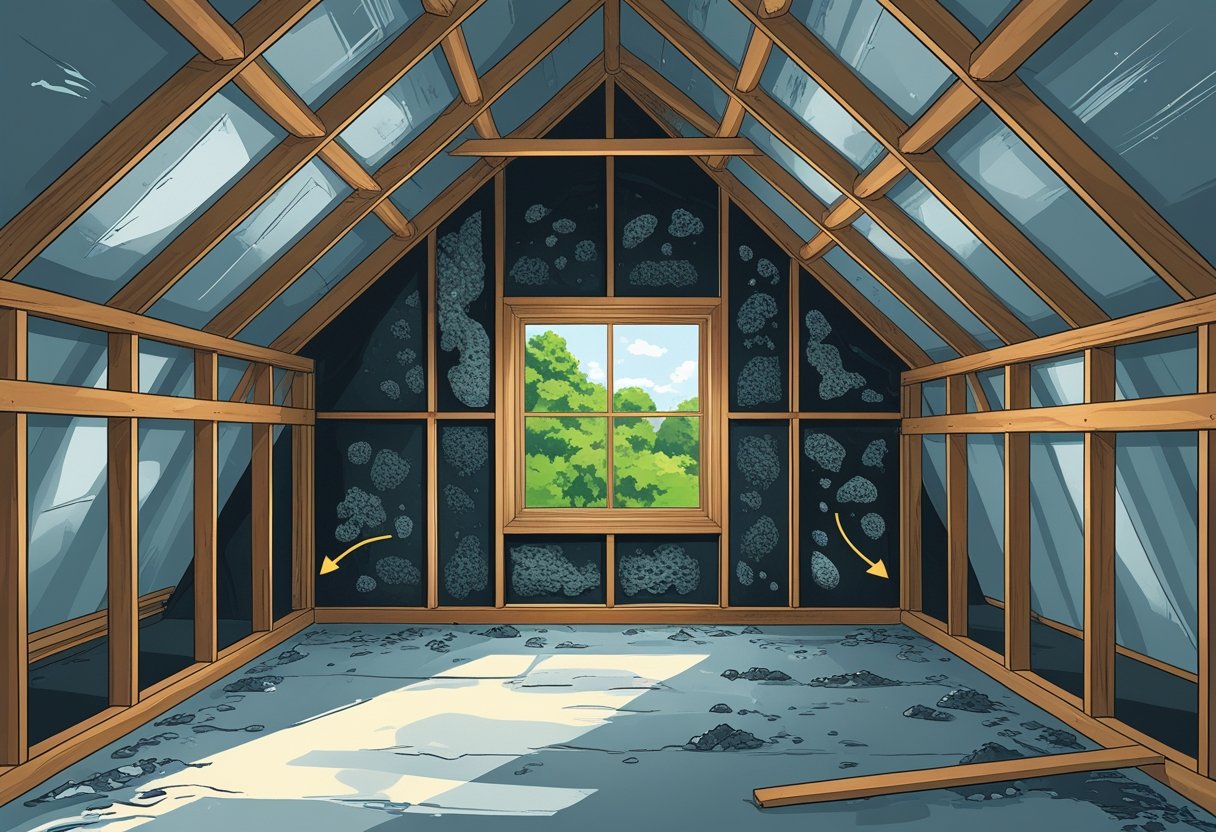
Atlanta’s high humidity, frequent storms, and warm weather make attics a mold magnet. Trouble starts when moisture gets in or stays trapped, giving spores a place to land and grow on wood, insulation, and whatever else is up there.
Moisture Buildup and Condensation
Moisture builds up when warm, humid air hits cooler attic surfaces. That’s how you get condensation on rafters, sheathing, and insulation.
In the Atlanta area—places like Decatur and Sandy Springs—humidity makes this happen more often, especially in summer. Even a little condensation can make surfaces damp enough for mold to take off.
Moisture doesn’t just come from outside. Cooking, showers, or humidifiers send vapor up, and if it’s not vented right, it ends up in your attic.
Try to keep indoor humidity under 50%. Vapor barriers help too.
Poor Ventilation and Air Circulation
Bad attic ventilation traps warm, moist air. No airflow means moisture can’t escape, so surfaces stay damp.
Blocked soffit vents, tiny ridge vents, or badly installed fans can choke off air circulation. This lets heat and humidity pile up—perfect for mold.
A good attic setup lets cool air in through soffit vents and pushes warm, moist air out through ridge or gable vents. Check your vents for blockages from insulation or dust so you catch problems early.
Roof Leaks and Water Intrusion
Roof leaks bring water straight into your attic. Even tiny leaks can soak wood, insulation, and drywall.
Atlanta storms can damage shingles or flashing, and water slips in around chimneys, skylights, or vent pipes if seals are old or loose.
Look for water stains on the attic ceiling, damp insulation, or visible mold. After heavy rain, a quick roof check is smart.
Fixing shingles, sealing gaps, and keeping gutters clear can help prevent leaks.
Improper Insulation and Air Leaks
Bad insulation creates uneven temperatures that lead to condensation. Gaps or thin spots let warm indoor air escape into the attic, where it cools and releases moisture.
Air leaks around lights, ducts, or attic hatches also push humid air up. This makes mold more likely.
In Atlanta’s climate—think Roswell or Alpharetta—good insulation keeps attic temps steady and cuts down on moisture. Seal gaps with caulk or foam, and make sure insulation covers the whole attic floor.
Energy audits can spot hidden leaks and insulation gaps before mold becomes a problem.
Signs and Symptoms of Attic Mold
Mold in your attic leaves clues you can see, smell, or even feel in your health. These signs point to both home damage and possible air quality issues.
Visible Mold Growth and Water Stains
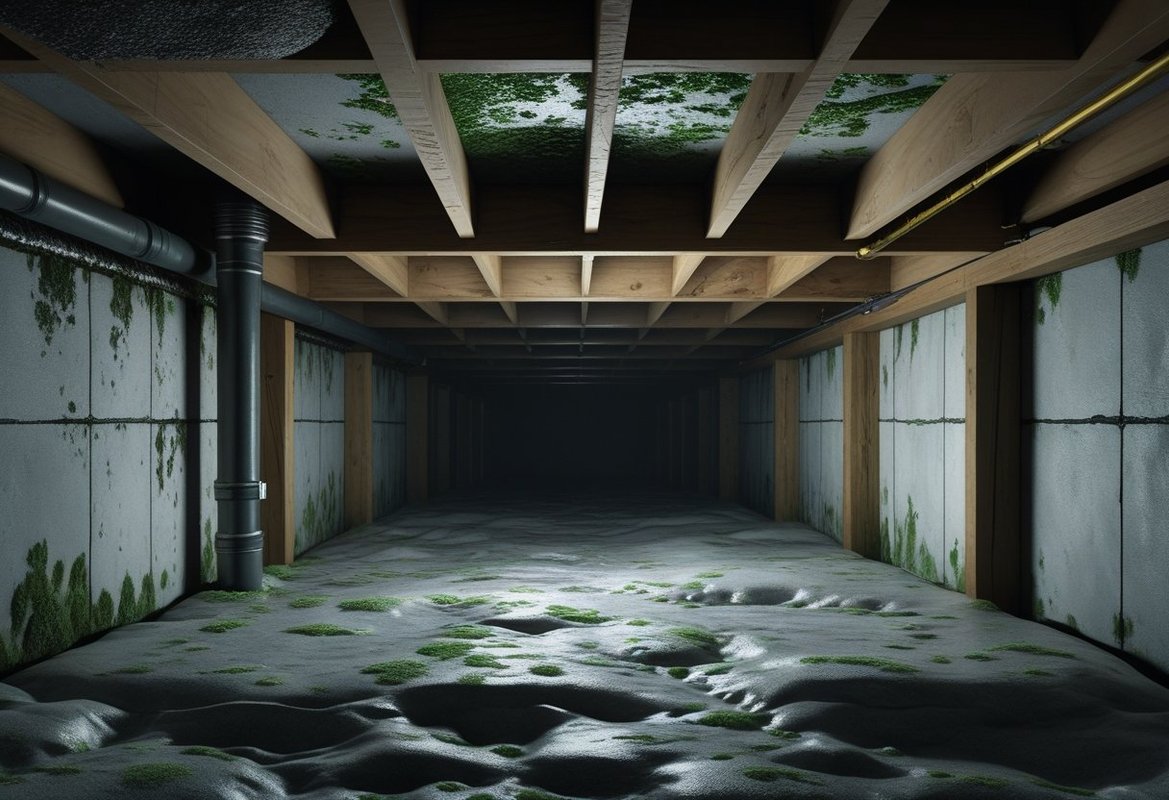
Mold often shows up as black, green, or white patches on wood, insulation, or boxes. It can look fuzzy or slimy, depending on how wet things are.
Water stains on rafters or insulation are another warning. These can be yellow to brown and usually mean there’s been a leak.
Common causes:
- Roof leaks from missing shingles or bad flashing
- Poor ventilation holding in humidity
- Condensation from bathroom or dryer vents
If you ignore the stains, you could miss active mold colonies. Check your attic after storms to catch trouble early.
Musty Smell and Odors
A lingering musty smell in the attic or upstairs rooms is a big red flag. Mold gives off these odors as it grows.
The smell can get worse after rain or on humid days. Sometimes it drifts through HVAC systems and spreads around the house.
Remember:
- Musty odors are never normal
- Smell might stick around even if mold is hidden
- Bad ventilation makes odors worse
A dehumidifier or better airflow can help, but you’ve got to fix the mold source to get rid of the smell.
Increased Allergy Symptoms
Mold spores can move from the attic into living spaces through leaks or vents. Sensitive folks notice allergy symptoms.
Common symptoms:
- Sneezing or runny nose
- Itchy, watery eyes
- Coughing or throat irritation
Symptoms might get worse after rain or in certain seasons. Asthma flare-ups can become more common.
If several people in your home feel better when they leave, attic mold could be to blame. Indoor air quality tests can help confirm if spores are present.
Health Risks of Attic Mold Exposure
Attic mold lets off tiny spores that can float through your home’s vents. Breathing them in can irritate lungs, set off allergies, and cause bigger health problems—especially if you already have health issues.
Respiratory Problems and Allergies
Mold spores can get into your airways and cause inflammation. This means coughing, wheezing, chest tightness, and trouble breathing.
People with asthma or bronchitis often notice symptoms get worse. Even if you’re usually healthy, long exposure can still cause irritation.
Common effects:
- Persistent cough
- More mucus
- Shortness of breath with activity
Bad attic ventilation and leaks let mold thrive, boosting the number of spores in your home.
Allergic Reactions and Symptoms
Some people’s immune systems freak out over mold spores. These reactions can look like seasonal allergies, but they stick around if the mold does.
Signs include:
- Sneezing and runny nose
- Itchy, watery eyes
- Skin rashes or hives
Kids, seniors, and folks with allergies are more likely to react. Symptoms can get worse in damp weather when mold is active.
To feel better, you need to get rid of both the mold and the moisture that’s feeding it.
Long-Term Health Effects
Long-term mold exposure isn’t good news. Breathing spores for months or years can lead to chronic breathing problems—even asthma that shows up later in life.
Some molds make mycotoxins, which in big doses can affect the nervous system, though that’s rare in most attics. Still, being around mold too long can weaken your immune system and make it harder to fight off sickness.
If you’re immune-compromised or dealing with major health issues, even a little mold can be risky. That’s why it’s smart to tackle attic mold fast if you live in the Atlanta area.
Detecting and Inspecting Attic Mold
Finding attic mold means looking for visible growth and hidden moisture. Good inspections check humidity, ventilation, insulation, and leaks.
Professional Mold Inspection Techniques
Pros usually start with a visual check of rafters, sheathing, and insulation for stains or fuzzy growth. They’ll look for water damage near roof penetrations or vents.
Moisture meters help them spot damp wood or drywall, even if mold isn’t obvious. Hygrometers show if attic humidity is high.
Sometimes, they’ll do air sampling to find spores in the HVAC system. Swabs or tape lifts can tell what kind of mold is there.
Thermal cameras can show cold, damp spots in insulation or behind walls—helpful for finding leaks.
DIY Testing and Monitoring Tools
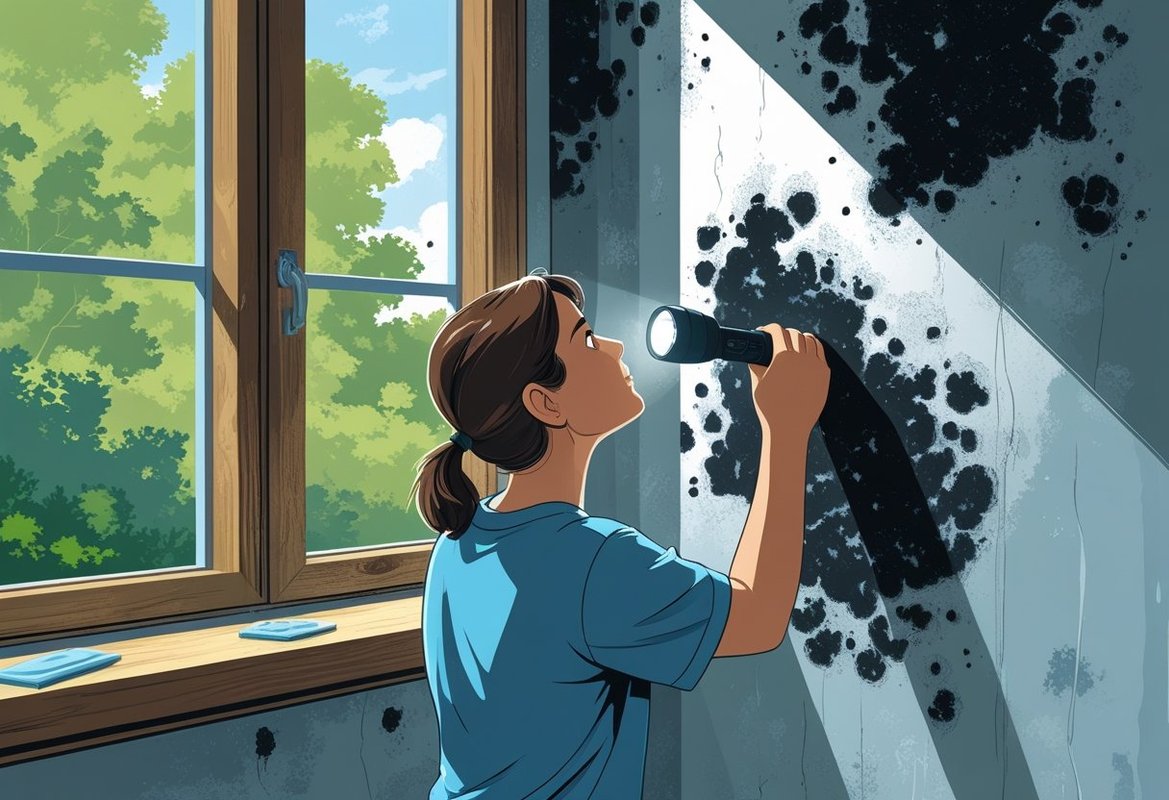
You can start with a flashlight and look for dark spots, streaks, or weird smells. Wear a mask and gloves to be safe.
A digital hygrometer tracks attic humidity. If it’s over 60% a lot, that’s a warning sign.
Affordable moisture meters can check if wood or plywood is damp. These tools help you catch problems before mold spreads.
DIY mold test kits exist, but results can be hit-or-miss. They’re okay for early warning, but a pro’s lab test is more reliable if you’re worried.
Effective Attic Mold Remediation and Removal
Attic mold can move through your air system, damage wood, and hurt your home’s air quality. The fix? Remove the mold, then get rid of whatever caused the moisture or poor ventilation in the first place.
If you’re getting mold remediation in Marietta, GA or anywhere around Atlanta, look for a company that understands our local climate and building quirks.
DIY Mold Removal Methods
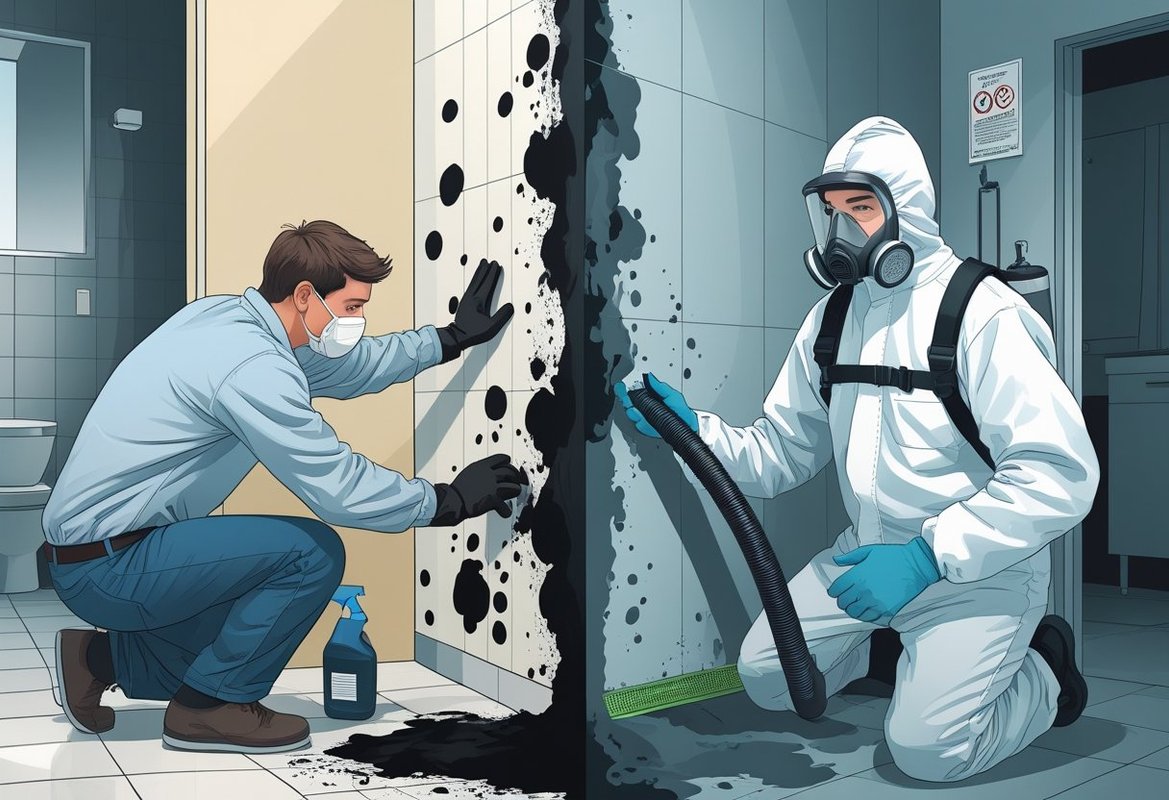
Small mold patches on non-porous surfaces? You can usually tackle those yourself, no need to call in the pros if you're in, say, Decatur, GA or Smyrna, GA. Just make sure you wear protective gear—gloves, goggles, and an N95 mask—because nobody wants to breathe in those spores.
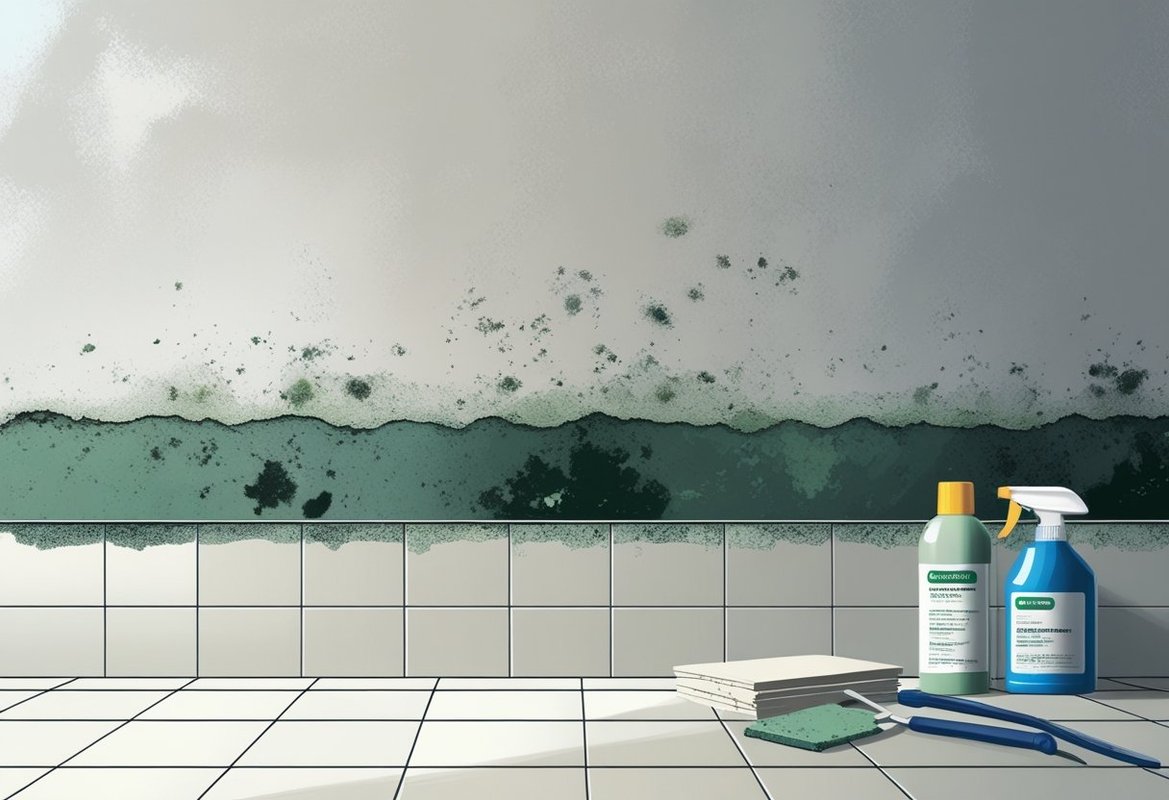
Most folks scrub affected spots with a detergent solution or a mix of water and white vinegar. Skip the bleach on wood, though; it doesn't dig deep enough to kill all the roots.
If you find moldy insulation, it's best to remove and toss it. Mold really gets into those fibers, and cleaning it just doesn't work.
Once you've cleaned up, dry out the area well with fans or a dehumidifier. Better attic ventilation and fixing roof leaks go a long way toward keeping mold from coming back.
DIY fixes only work for small, contained spots (under 10 square feet) and when you don't see any signs of hidden mold behind walls or in your HVAC ducts.
When to Call a Professional Mold Remediation Specialist
If you've got a big mold problem, see it in your HVAC system, or it covers porous stuff like drywall, it's time to call a professional for mold remediation in Marietta, GA or Sandy Springs, GA. The pros use containment barriers, HEPA filters, and heavy-duty cleaners to keep spores from spreading around.
A mold remediation specialist can track down hidden mold with moisture meters and infrared cameras. That way, you know you're not missing the real source.
When mold ties back to roof leaks, constant condensation, or bad attic insulation, professionals might have to handle repairs along with the cleanup.
Hiring someone licensed means they follow industry standards, which helps keep your property value intact and avoids inspection headaches.
Preventing Attic Mold in Atlanta Homes
Keeping mold out of your attic in Atlanta, GA means better airflow, tight moisture control, and regular checkups. With all this Georgia humidity, you have to stay on top of it to protect your house and your air.
Optimizing Attic Ventilation Systems
A good attic ventilation setup lets humid air escape before it can condense on wood or insulation. You'll want balanced airflow between intake and exhaust vents.
Common ventilation features:
- Soffit vents pull in cooler, drier air
- Ridge or gable vents let warm, moist air out
- Exhaust vents or attic fans can help move air in stubborn spots
Make sure air moves freely from soffit to ridge—no insulation or junk blocking the way. Sometimes, an attic fan helps during those sticky Atlanta summers.
If ventilation's poor, moisture just hangs around, especially after storms or sudden temperature shifts. Check your vents for blockages and make sure insulation isn't covering soffit openings.
Controlling Humidity and Moisture
Keep indoor humidity below 50%. In Atlanta, that's often a job for a dehumidifier or using exhaust fans in bathrooms and kitchens to stop moisture from drifting up.
Roof leaks, bad plumbing, and poor seals around vents or chimneys can bring water into your attic. Fix these fast to stop mold from moving in.
Insulate the attic floor so warm air from your living spaces doesn't rise and condense above. Vapor barriers can also help slow down moisture sneaking up from below.
A digital hygrometer is a handy tool—if the numbers creep up, you know it's time to act before mold shows up.
Regular Maintenance and Inspections
Regular checks help you spot trouble before mold takes over. Look for water stains, musty smells, or weirdly colored insulation.
A seasonal routine works best in Atlanta—check before the summer heat and after heavy storms.
During inspections, make sure soffit, ridge, and gable vents stay clear. Scan for damaged shingles, flashing, or seals that could let water leak in.
Professional inspections can find hidden airflow or moisture issues. In Atlanta's climate, staying ahead of problems is way cheaper than dealing with a full-blown mold mess later.
Protecting Your Home’s Structure and Value
Attic mold can weaken wood and insulation, and it spreads fast through your home's air. It can also make your house less appealing if you're selling in places like Buckhead, GA or Roswell, GA.
Avoiding Structural Damage
Mold loves plywood sheathing, rafters, and insulation in damp attics. Over time, it can soften and warp wood, leading to expensive repairs. Roof leaks or bad ventilation make it even easier for mold to take hold.
Check for dark stains, musty smells, or soft spots in wood. Fix small leaks quickly and boost airflow with vents or fans to keep things dry.
If mold gets into HVAC ducts, spores can spread everywhere. You might need to clean both the attic and the ductwork to stop it from coming back.
A quick prevention checklist:
- Seal roof leaks right away
- Keep insulation dry
- Make sure soffit and ridge vents stay clear
- Check plywood sheathing at least twice a year
Maintaining a Mold-Free Home
Keeping your home mold-free means constant moisture control. In the attic, keep humidity low, seal up gaps, and make sure insulation is set up right.
Dehumidifiers or better ventilation help in humid spots like Atlanta. Mold-resistant coatings on plywood and other wood can add an extra layer of defense.
If you keep finding dampness, it's worth getting a pro inspection. Cleaning up visible mold without fixing the root cause? That just delays the problem.
For homes with HVAC ducts in the attic, regular duct cleaning helps stop spores from circulating. This matters even more if your heating or cooling was running while mold was growing.
Frequently Asked Questions
Mold needs moisture, warm temps, and poor ventilation to thrive. It can mess with your home's structure and your air quality, and sometimes even your health.
What are the EPA's acceptable mold levels for residential properties?
The EPA doesn't give a set number for mold in homes. If you see visible mold or smell that musty odor, you need to deal with it right away.
The goal is to keep your home free of visible mold, not chase a specific spore count.
What strategies can homeowners use to reduce mold spore concentration indoors?
Ventilation is key—get that air moving and keep humidity down.
Use dehumidifiers, fix leaks fast, and keep your HVAC system clean to cut down on airborne spores.
HEPA air purifiers can help catch spores already floating around.
What are the health implications of mold exposure in the home?
Mold can trigger sneezing, coughing, and itchy eyes—classic allergy stuff.
People with asthma or weaker immune systems might react more strongly.
Long-term exposure to lots of mold can make chronic breathing problems worse.
How quickly can mold grow in a home environment, and what conditions accelerate its growth?
Mold can start growing within a day or two after something gets wet.
Warm temps, high humidity, and stuffy air speed things up.
Materials like wood, drywall, and insulation are perfect for colonies to spread.
Is it possible for mold to persist in a home even without the presence of moisture?
If there's no moisture, mold can't grow, but spores can hang around dormant.
If things get damp again, those spores can wake up and spread quickly.
That's why it's so important to keep humidity in check, even after cleanup.
What are the signs that mold in your home is negatively impacting the air quality?
A lingering musty smell in your house usually means mold is messing with your air.
If you notice more allergy symptoms indoors, or spot mold patches on walls, that's another red flag.
Dust with dark specks could mean spores are floating around, especially in places like Decatur, GA or Smyrna, GA.
Condensation on windows or walls? That's a sign your home's got the kind of damp conditions mold loves.

Water Damage Atlanta Editorial Team
Restoration & Home Services Expert
We help Atlanta homeowners recover from water damage with trusted advice and local resources.