Estimating The Cost Of Water Damage Restoration In Atlanta For 2025: Key Factors And Insights
Water damage hits hard and fast, especially when it soaks into floors, walls, or the bones of your house. In Atlanta, the price tag for restoration in 2025 will swing based on the water type, how b...

Estimating The Cost Of Water Damage Restoration In Atlanta For 2025: Key Factors And Insights
Water damage hits hard and fast, especially when it soaks into floors, walls, or the bones of your house. In Atlanta, the price tag for restoration in 2025 will swing based on the water type, how big the mess is, and just how deep the water damage goes.
Most homeowners in places like Decatur or Sandy Springs can expect to pay between $20 and $37 per square foot for basic repairs. If things get ugly or you need specialty work, the total cost can climb fast (which is one reason we built this water damage calculator).

Several things drive these costs. The water source, how dirty it is, and how quickly you call for help all matter a lot. Insurance, what local contractors in places like Buckhead or Roswell charge, and extras like permits or mold cleanup can pile on too.
Key Factors Influencing Water Damage Restoration Cost in Atlanta

The size of the damage, the water type, how many rooms get hit, and whether you need after-hours help all change the final bill. Each of these factors bumps up labor, gear, and time.
Severity and Extent of Water Damage
How bad is it? That’s the big question. A small leak that just dampens carpet or a bit of drywall? That’s a quick fix. But if water floods floors, walls, or framing, you’re looking at ripping out and replacing a lot more.
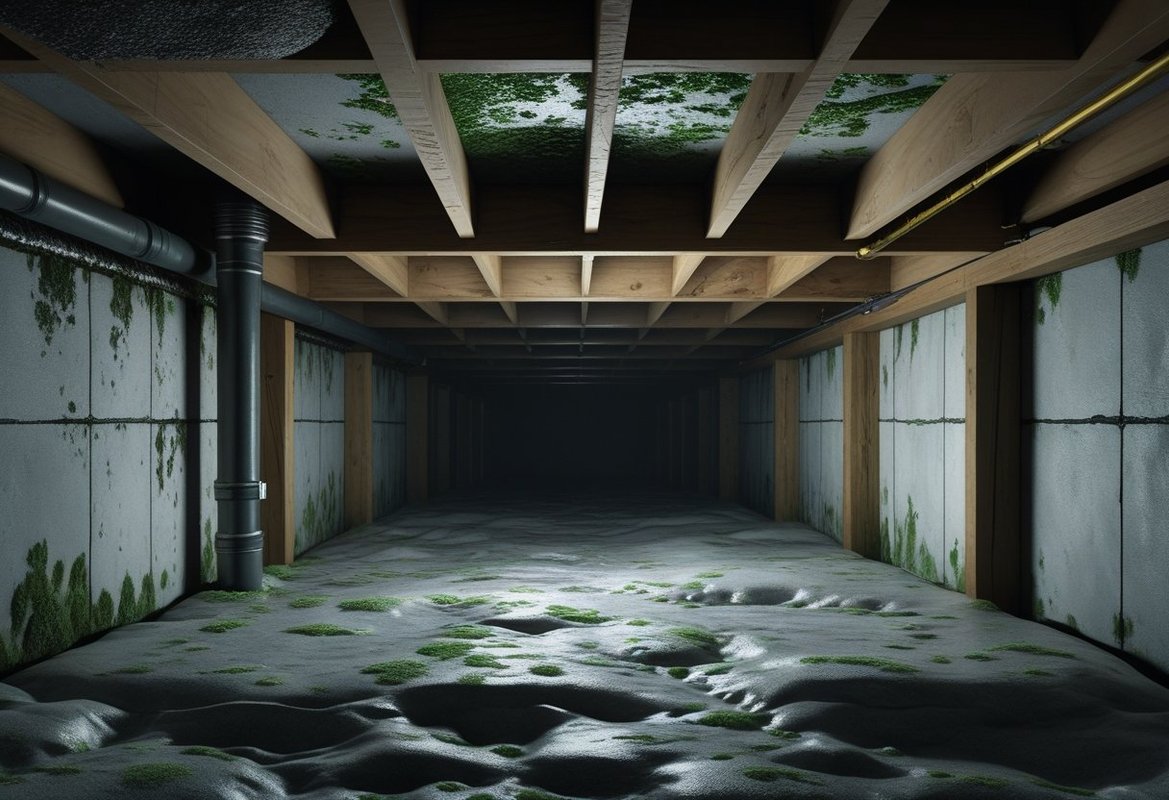
Contractors in areas like Midtown Atlanta or Smyrna also check for hidden trouble. Water trapped in insulation, under floors, or behind walls can spark mold. If you need mold remediation in Marietta, GA, the price jumps.
The more the damage spreads, the steeper the bill. Fixing a few feet of drywall is a bargain compared to tearing out whole floors or walls. And the longer water sits, the more expensive it gets.
Type of Water Involved: Clean, Gray, and Black Water
Where the water comes from makes a huge difference. Clean water from a busted pipe or a leaky fridge is the cheapest to fix. Usually, crews dry things out, sanitize, and patch up.
Gray water—think washing machine or dishwasher leaks—has some gunk in it. You’ll pay more because techs need extra safety gear and disinfectants.
Black water from sewage or floodwaters is the worst. It’s dangerous and almost always means ripping out carpets, drywall, and insulation. The price climbs with disposal fees and protective gear.
Size of Affected Area and Number of Rooms
The bigger the mess, the bigger the bill. Fixing a small bathroom leak in Alpharetta is a lot cheaper than drying out a whole basement in East Point.
Large homes or open floor plans need more drying equipment and labor. Each room adds to the cost, since crews have to check and treat every space.
If water seeps into ceilings or down to basements, expect more time and materials—and a higher price.
Timing and After-Hours Emergency Services
Timing matters. If your pipe bursts at 2 a.m. in Brookhaven or on a Sunday in College Park, you’ll pay more for emergency response.
Crews may rush out to stop more damage, and that means overtime and extra gear. These urgent calls are pricier than regular daytime appointments.
Atlanta’s rainy seasons or freezing snaps can push prices up too. When everyone needs help, rates tend to rise.
Cost Breakdown by Water Category
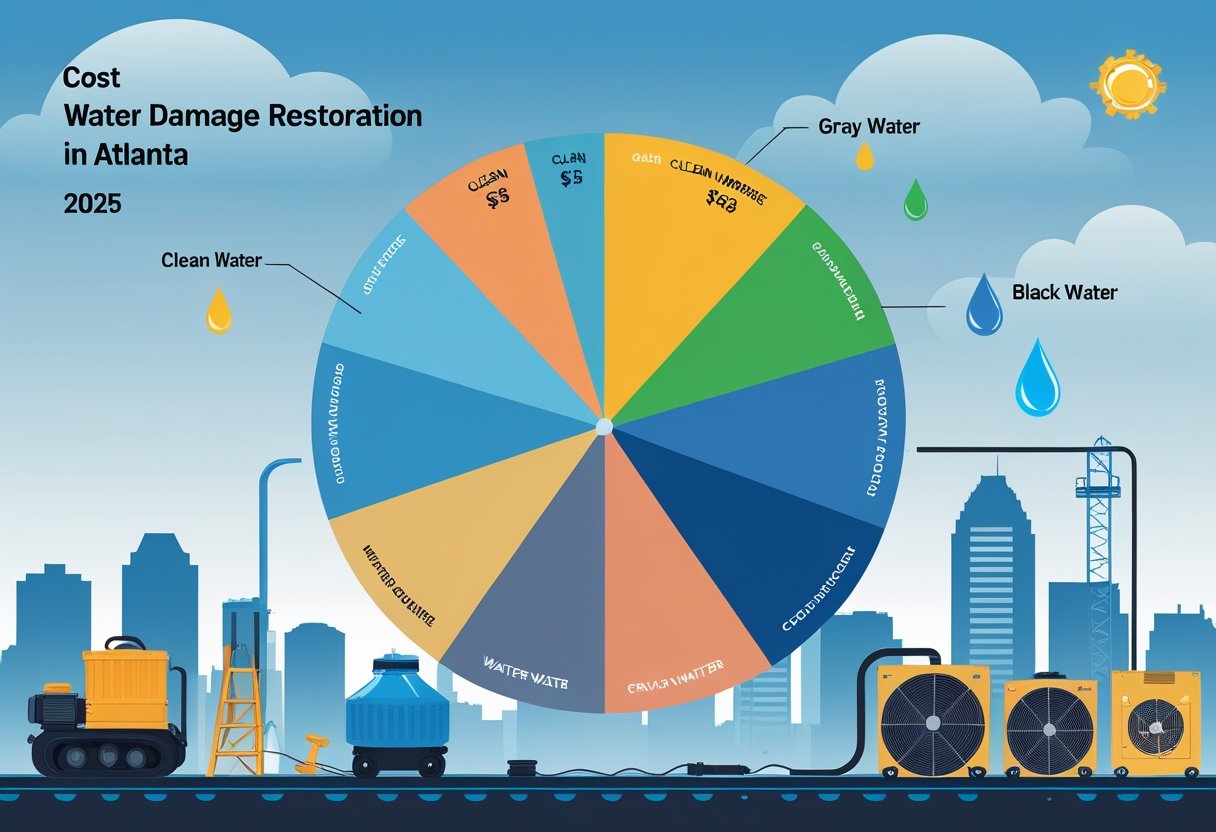
The kind of water you’re dealing with is a big factor in your bill. Clean water is the easiest and cheapest. Gray and black water need more labor, extra safety steps, and specialized cleaning, which drives up costs.
Clean Water Damage Restoration Costs
Clean water usually comes from broken pipes, rain leaks, or overflowing sinks. Since it’s not dangerous right away, cleanup is pretty straightforward.
In Atlanta, clean water restoration typically runs $3 to $4 per square foot. For a 200-square-foot room, that’s about $600 to $800. Bigger jobs or structural repairs can push it to $1,300–$3,000.
Most jobs include:
- Water extraction with pumps or vacuums
- Drying equipment like fans and dehumidifiers
- Minor repairs to drywall or floors
If you wait too long, clean water can turn into gray water. Act fast to keep costs down.
Gray Water Damage Restoration Costs
Gray water comes from stuff like dishwashers, washing machines, or sump pumps. It’s got some contaminants, so cleanup gets more involved.
Restoration in Atlanta usually costs $4 to $6 per square foot. For 200 square feet, expect $800 to $1,200. Medium to large jobs can reach $2,000–$5,000.
The process includes:
- Extraction and drying
- Disinfecting everything
- Replacing stuff like carpet or insulation that can’t be cleaned
Extra cleaning supplies and safety gear make this pricier than clean water jobs.
Black Water Damage Restoration Costs
Black water is the nightmare scenario. Sewage backups, floodwaters, or stagnant, nasty water all fall here. It’s full of bacteria and chemicals.
In Atlanta, black water cleanup usually runs $7 to $10 per square foot. For 200 square feet, that’s $1,400 to $2,000. Bigger disasters can easily top $10,000.
Crews have to:
- Rip out ruined materials—floors, walls, insulation
- Deep clean and sanitize with strong chemicals
- Treat for mold to prevent future problems
Specialized teams and more extensive repairs are what make this category so expensive.
Professional Water Damage Restoration Process in Atlanta
Professional water damage restoration in Atlanta follows a step-by-step process. The goal is to get rid of hazards, dry everything out, and get your place back to normal.
Initial Assessment and Inspection
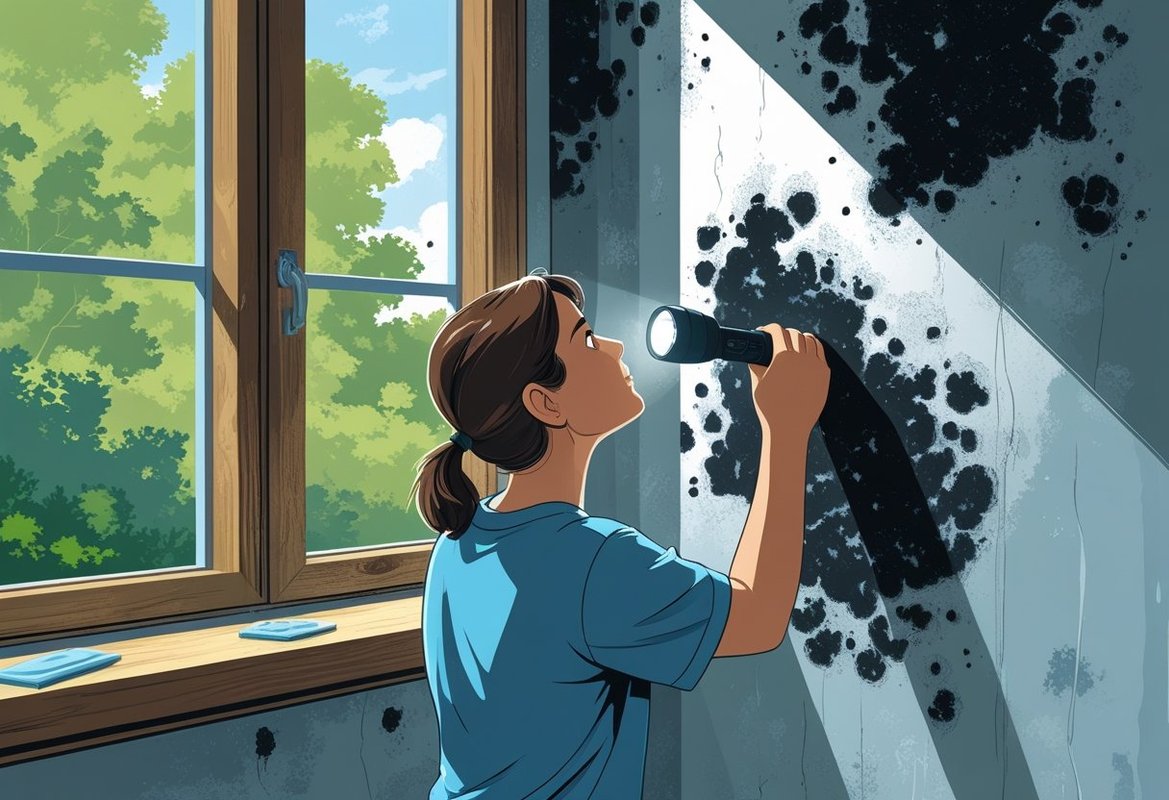
First, the crew inspects the property. They use moisture meters, thermal cameras, and a good set of eyes to spot damage—even in hidden spots.
They figure out where the water came from, whether it’s a burst pipe or storm flooding. This helps them decide how to clean up and what safety steps to take.
They’ll document the damage for insurance and lay out a plan. This makes sure the job starts off organized.
Water Extraction and Removal
Once they know what they’re dealing with, crews get rid of standing water. They bring in pumps, wet vacs, and other tools to pull water from floors, carpets, and walls.
Quick extraction is key—standing water weakens materials and sparks mold. In Atlanta’s humid climate, fast action matters even more.
They’ll toss out stuff that’s too damaged to save, like soaked insulation or carpet pads. That helps prevent more problems later.
Drying, Dehumidification, and Cleaning
After the obvious water is gone, the building still holds moisture in walls and floors. Crews set up fans, dehumidifiers, and drying mats to pull it out.
They check humidity every day to make sure it’s working. Depending on the size of the mess, drying can take a few days.
Once things are dry, they clean and sanitize. Antimicrobial treatments help prevent mold and bacteria. They’ll scrub down floors, furniture, and walls to make your home safe again.
Restoration and Repairs
The last step is fixing what’s broken. Sometimes it’s just patching drywall or replacing carpet. Other times, it means serious repairs—new floors, framing, or cabinets.
Good restoration companies in Atlanta help with insurance paperwork, too. That way, you get the right documentation for your claim and don’t get stuck waiting forever.
Estimating Water Damage Restoration Costs: Methods and Tools
You’ve got options for figuring out the cost. Digital calculators give ballpark numbers, or you can have a pro come out for a real inspection.
Using Cost Calculators and Online Estimators
Online calculators are handy for a quick estimate. Plug in your square footage, water type, and what got damaged, and you’ll get a rough idea.
Most let you break down costs by material—drywall, flooring, ceilings. That’s helpful for comparing repair options.
For example:
| Item | Typical Range (2025) |
|---|---|
| Drywall repair | $300 – $800 |
| Flooring replacement | $1,000 – $4,000 |
| Ceiling repair | $400 – $1,200 |
These tools are good for ballparking, but they can’t see hidden damage or local labor rates. Treat their numbers as a starting point, not gospel.
On-Site Evaluations by Restoration Experts
If you want a real number, bring in a pro. They’ll inspect your place, check moisture levels, and look for hidden trouble.
Sometimes they find surprises behind walls or under floors. If you need more drying, demolition, or rebuilding, the cost goes up.
Experts also consider the class of damage and water type. This lets them build a realistic repair plan.
Unlike online tools, on-site evaluations factor in local labor and material prices. They’re a must before you commit to major repairs.
Additional Expenses and Considerations
Restoration isn’t just about drying things out. Hidden problems, insurance limits, and structural repairs can all add to the final bill.
Mold Remediation and Prevention
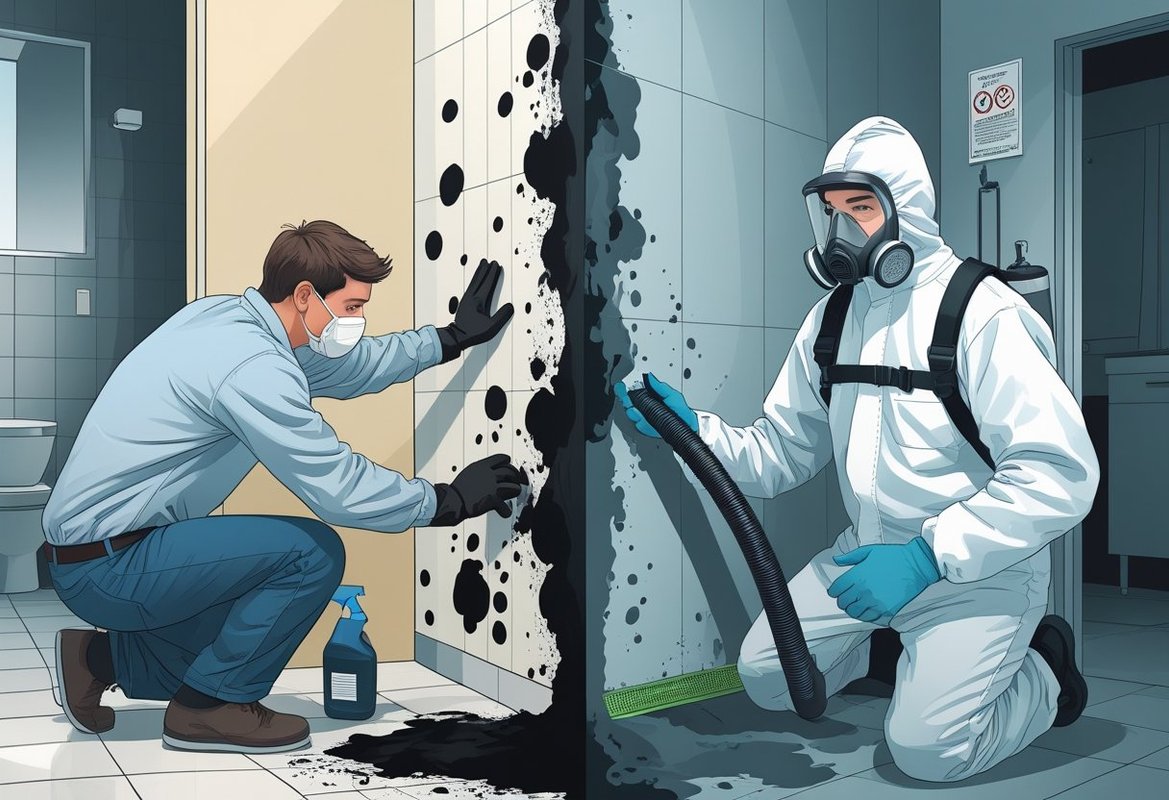
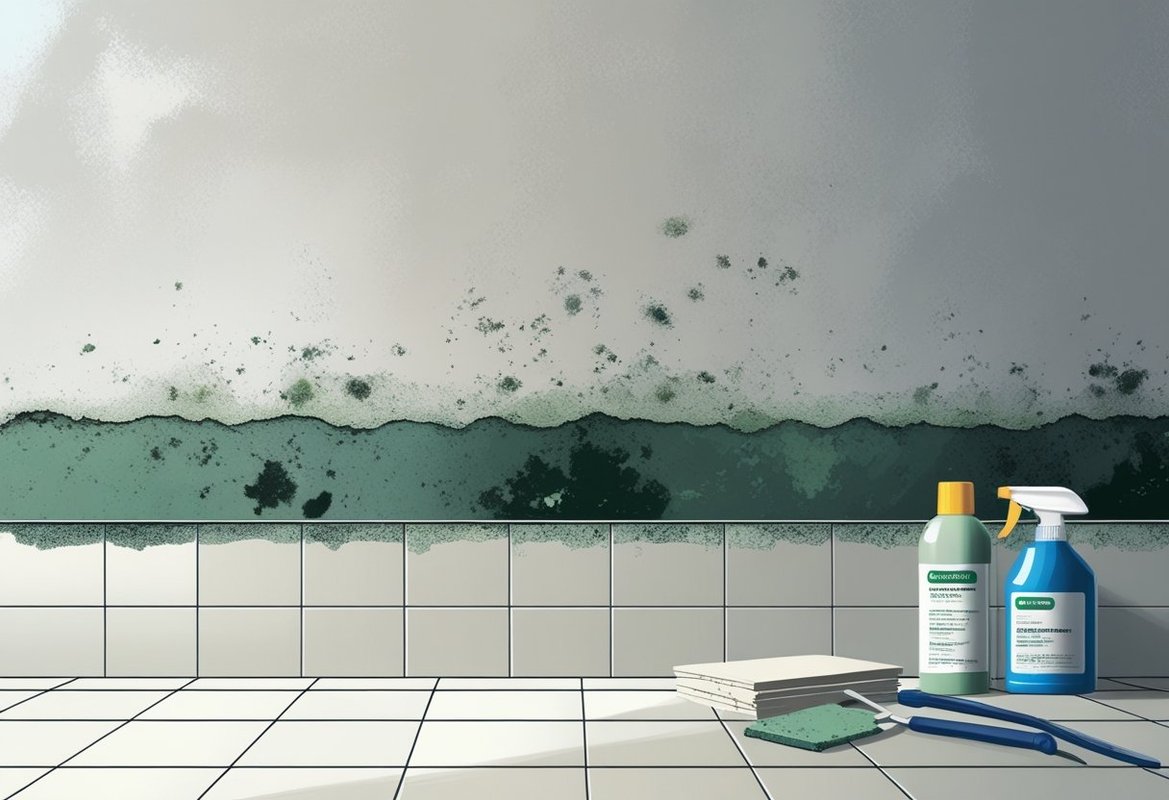
Mold can show up fast—sometimes in just a day or two after water damage. If you need mold remediation in Sandy Springs, expect to pay $1,000 to $6,000 or more. The price depends on how much area’s affected and if you need to replace drywall or floors.
Prevention is cheaper than cleanup. Drying, dehumidifying, and keeping air moving helps. Lots of companies offer preventive sprays for a little extra.
It’s smart to budget for follow-up inspections. These confirm everything’s dry and mold hasn’t come back. In humid spots around Atlanta, this is especially important.
Insurance Coverage and Claims
Insurance may cover a lot, but it depends on what caused the damage.
- Burst pipes or appliance leaks? Usually covered.
- Flooding from rain or rivers? You’ll need separate flood insurance.
- Slow leaks? Insurers might call that a maintenance problem and deny it.
Deductibles and policy limits matter too. If you’ve got a $1,000 deductible, that’s coming out of your pocket first. Some policies cap mold coverage at a few thousand, so you might have to pay the rest.
Take photos, keep receipts, and get detailed reports from your restoration company. That’ll help your claim go smoother and faster.
Long-Term Structural Repairs
Water damage can weaken framing, subfloors, and even foundations if you don't act fast.
Initial restoration usually focuses on drying and cleaning, but long-term repairs might mean replacing warped wood, fixing drywall, or reinforcing supports.
Costs swing a lot. Minor drywall fixes might run a few hundred bucks, but foundation work in places like Sandy Springs or Decatur, GA, can shoot past $10,000.
These repairs are almost always separate from your first restoration bill.
In older homes, water damage repair might reveal outdated wiring, insulation, or plumbing.
Fixing these during restoration can head off future headaches, but it'll add to your total cost.
If you're in Buckhead or East Point, it's smart to budget for these surprises.
Tips for Reducing Water Damage Restoration Costs in 2025
You can lower restoration costs by acting fast, hiring the right pros, and taking a few preventive steps.
Delays often mean mold or structural trouble, and picking a bad contractor or not prepping can make things pricier.
Acting Quickly to Minimize Damage
Time's your biggest ally when you're facing water damage.
Even a tiny leak can seep into walls, floors, and insulation within hours.
Leave it for days, and you might need demolition or mold remediation—suddenly, your bill skyrockets.
If a pipe bursts in your Midtown Atlanta home, turn off the water supply right away.
Use pumps or wet vacuums to get rid of standing water and slow down the spread.
Open windows and run fans or dehumidifiers until water damage restoration services arrive.
Insurance claims go smoother when you act fast.
Take photos or videos right after the incident—adjusters need to see the situation before it gets worse.
Jumping on the problem within 24–48 hours can save you thousands.
Choosing the Right Restoration Professionals
Picking the right help makes a big difference in cost.
Professional water damage restoration companies in Atlanta bring tools like industrial dehumidifiers, infrared cameras, and moisture meters.
These detect hidden damage and speed up drying, which means less major reconstruction.
Compare at least two licensed contractors in Atlanta, Marietta, or Roswell, and make sure they're certified by the Institute of Inspection, Cleaning and Restoration Certification (IICRC).
Check reviews, ask for references, and see how quickly they respond.
Get clear, written estimates.
A good quote lists labor, equipment, materials, and timelines, so you know what to expect.
Companies with 24/7 emergency response in areas like Alpharetta or Smyrna can help you avoid delays and extra costs.
Preventative Measures for Atlanta Homeowners
Prevention's the cheapest way to avoid restoration bills.
Atlanta homeowners deal with heavy summer storms, old plumbing, and sticky humidity.
Regularly check roofs, gutters, and plumbing to catch small problems early.
Install water leak detectors near appliances, water heaters, and basements for quick alerts.
If you're in flood-prone areas like College Park or Peachtree City, sump pumps and backflow valves are smart.
Cleaning gutters twice a year and sealing foundation cracks can really limit water intrusion.
Keep bathrooms, kitchens, and crawl spaces well-ventilated to cut down on moisture and mold.
Stick with these habits and routine maintenance, and you'll probably dodge big water damage restoration costs in 2025.
Frequently Asked Questions
Water damage restoration costs in Atlanta depend on the damage type, area size, and what services you need.
Labor, materials, and whether you need mold remediation or structural repairs also play a part.
What are the average costs for water damage restoration services in Atlanta in 2025?
In 2025, most Atlanta homeowners will see water damage restoration costs between $1,300 and $5,500.
Minor repairs land on the lower end, but big jobs or mold remediation in places like Dunwoody or Brookhaven can push that higher.
How is the pricing for water damage restoration determined?
Pricing usually depends on how big the affected area is, what kind of water caused the damage, and how much cleaning and repair you need.
Clean water is cheaper to fix than gray or black water, which needs more cleaning and sanitizing.
Can I get a free estimate for water damage restoration in Atlanta?
Absolutely. Many Atlanta restoration companies offer free estimates.
Contractors will check out your property, look at the damage, and give you a written estimate before they start work.
What factors influence the cost of water damage repair in residential properties?
The water source, how much is damaged, what building materials are involved, and if there's mold all affect the price.
Labor rates and special drying equipment can also bump up the final bill.
Are there typical price ranges for water extraction services in Atlanta homes?
Yes. Basic water extraction in Atlanta usually runs $3 to $7 per square foot.
If the water's contaminated or you need extra drying, expect higher prices.
How do professional estimators calculate the cost of water damage repairs?
Estimators start by measuring the affected area. They check the water category—like clean, gray, or black water.
Next, they figure out how much cleaning, drying, and repair you’ll need. Labor, equipment, and materials all get added to the total.
If you need structural work or mold remediation in places like Lawrecenville vs Sandy Springs, those costs go into the estimate too.
Water Damage Atlanta Editorial Team
Restoration & Home Services Expert
We help Atlanta homeowners recover from water damage with trusted advice and local resources.