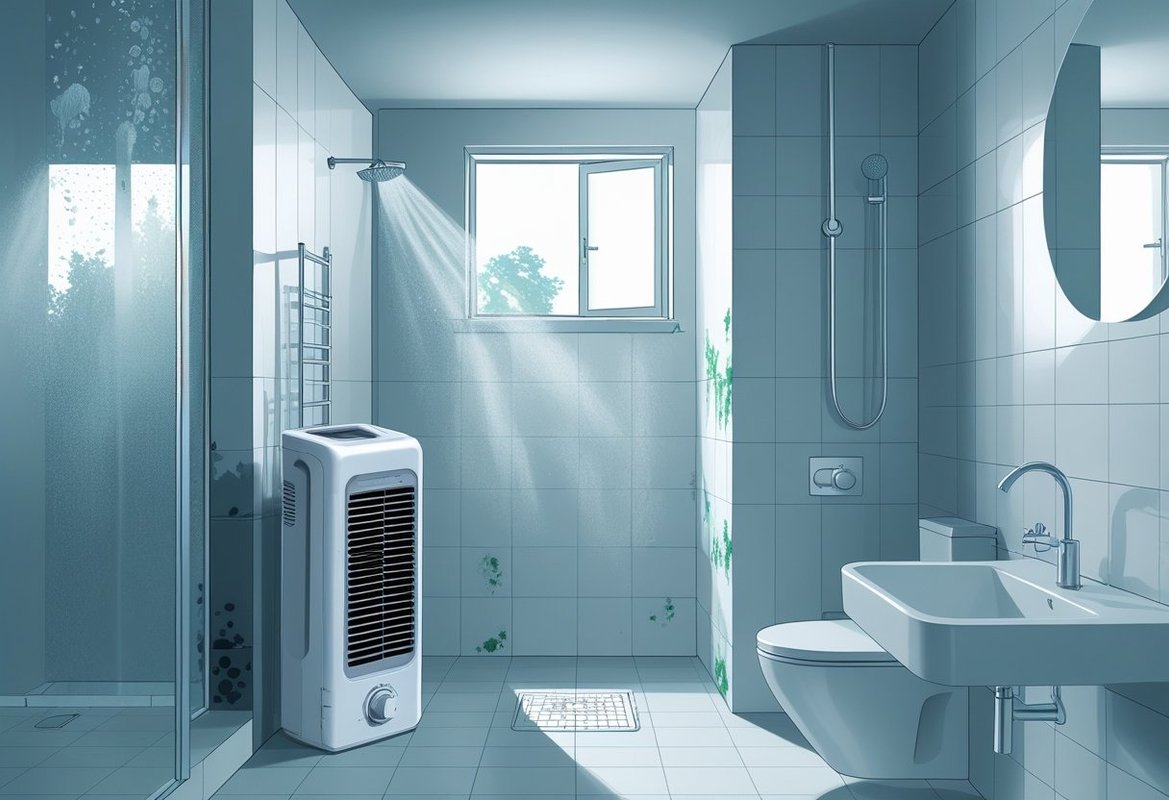
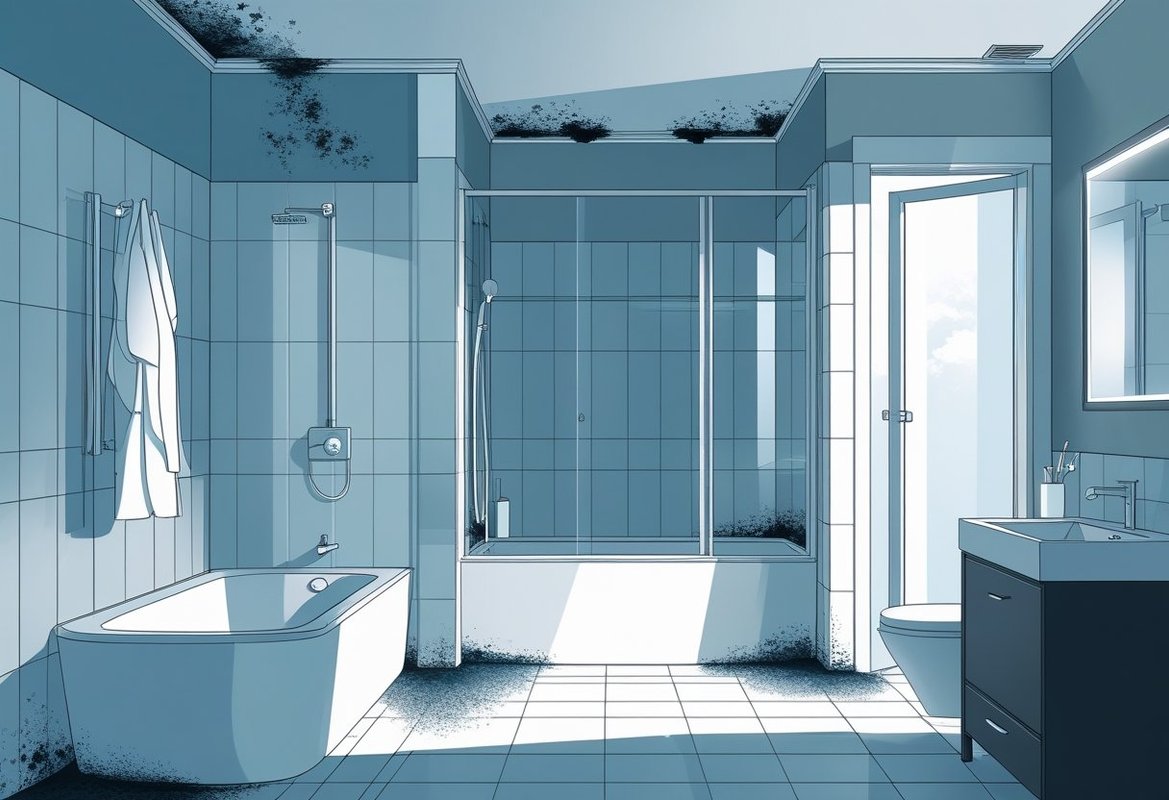
The Health Dangers of Black Mold Exposure: Risks, Symptoms, and Prevention
Black mold creeps into damp, poorly ventilated spaces and often stays hidden until it starts causing trouble. It loves moisture and can show up on walls, ceilings, and other surfaces before you eve...

The Health Dangers of Black Mold Exposure: Risks, Symptoms, and Prevention
Black mold creeps into damp, poorly ventilated spaces and often stays hidden until it starts causing trouble. It loves moisture and can show up on walls, ceilings, and other surfaces before you even notice.
Exposure to black mold can trigger allergies, breathing problems, and other health issues—especially if you’ve got asthma, allergies, or a weaker immune system.

Even healthy folks aren’t off the hook. After spending time around black mold, you might get coughing, stuffy nose, irritated eyes, or rashes.
If you’re exposed for a long time, things could get worse—fatigue, trouble breathing, or ongoing sinus problems can show up.
What Is Black Mold and Why Is It Dangerous?
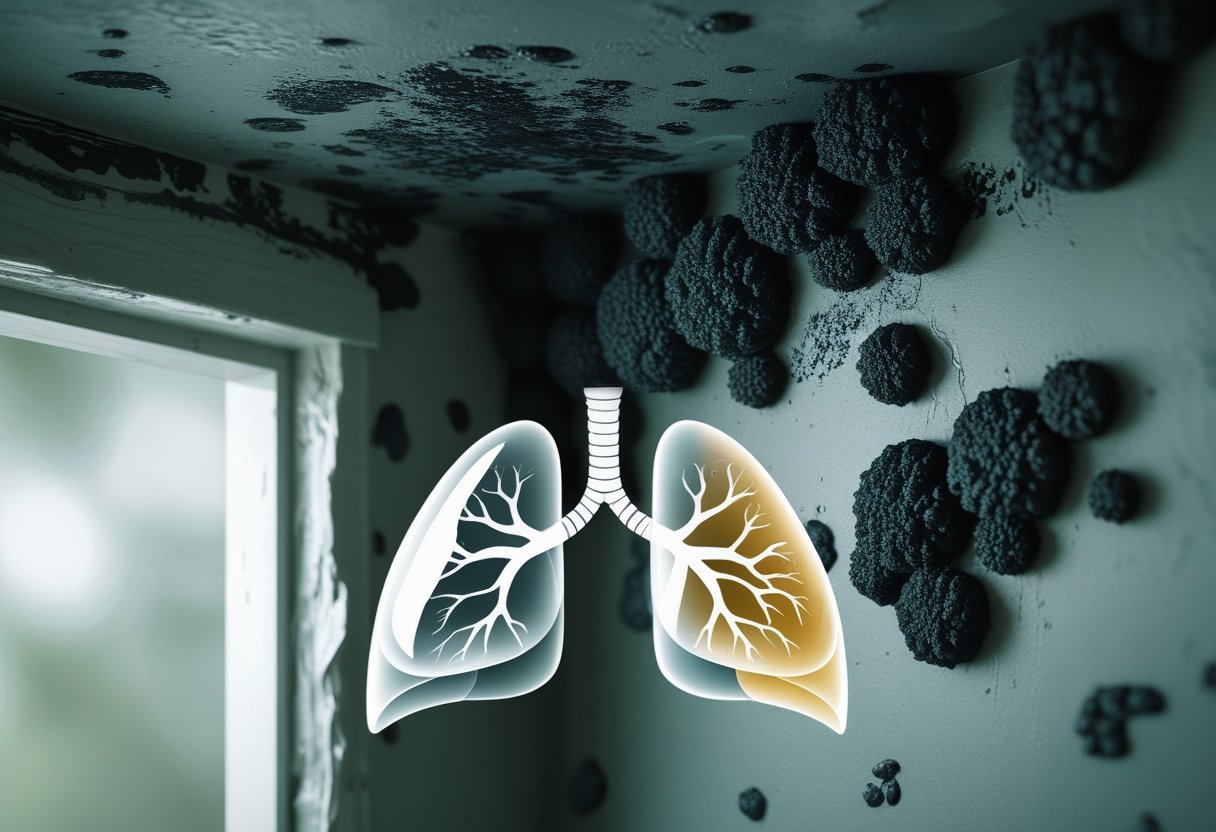
Black mold is a fungus that pops up in damp, stuffy places and sends spores into the air. Some types produce mycotoxins, which can mess with air quality and set off health issues—especially if you’ve got allergies or breathing problems.
Understanding Stachybotrys chartarum
Stachybotrys chartarum is the main culprit people mean when they say “black mold.” It looks dark green or black and feels slimy when wet.
It grows on things like drywall, wood, and paper when they stay wet for a while. The mold spreads by tossing tiny spores into the air, which you can breathe in without realizing.
Some strains make mycotoxins, which can bother your skin, eyes, nose, and lungs. You’ll often find this stuff in hidden spots—behind walls, under floors—since it loves areas with leaks, flooding, or high humidity.
How Black Mold Differs From Other Molds
Lots of indoor molds can cause allergies, but Stachybotrys chartarum is slower-growing than common molds like Aspergillus or Cladosporium. It needs constant moisture and won’t show up in dry places.
Not every black-looking mold is Stachybotrys. This species stands out because it can make more mycotoxins, but only under certain conditions.
Other molds might spread faster, but they’re usually not as slimy or dark. Honestly, you can’t always tell the difference by looking—you’d need a lab test to know for sure.
Common Myths About Black Mold
A lot of folks think black mold is always deadly, but that’s not really true. Serious illness is rare, but stuff like coughing, sneezing, or skin irritation is common—especially if you have asthma or allergies.
Another myth? Not all black mold is toxic Stachybotrys chartarum. Plenty of dark molds don’t make dangerous toxins.
And bleach? It’s not a magic fix. Bleach can clean surface mold on non-porous stuff, but it doesn’t reach deep into things like drywall.
How Black Mold Grows and Spreads
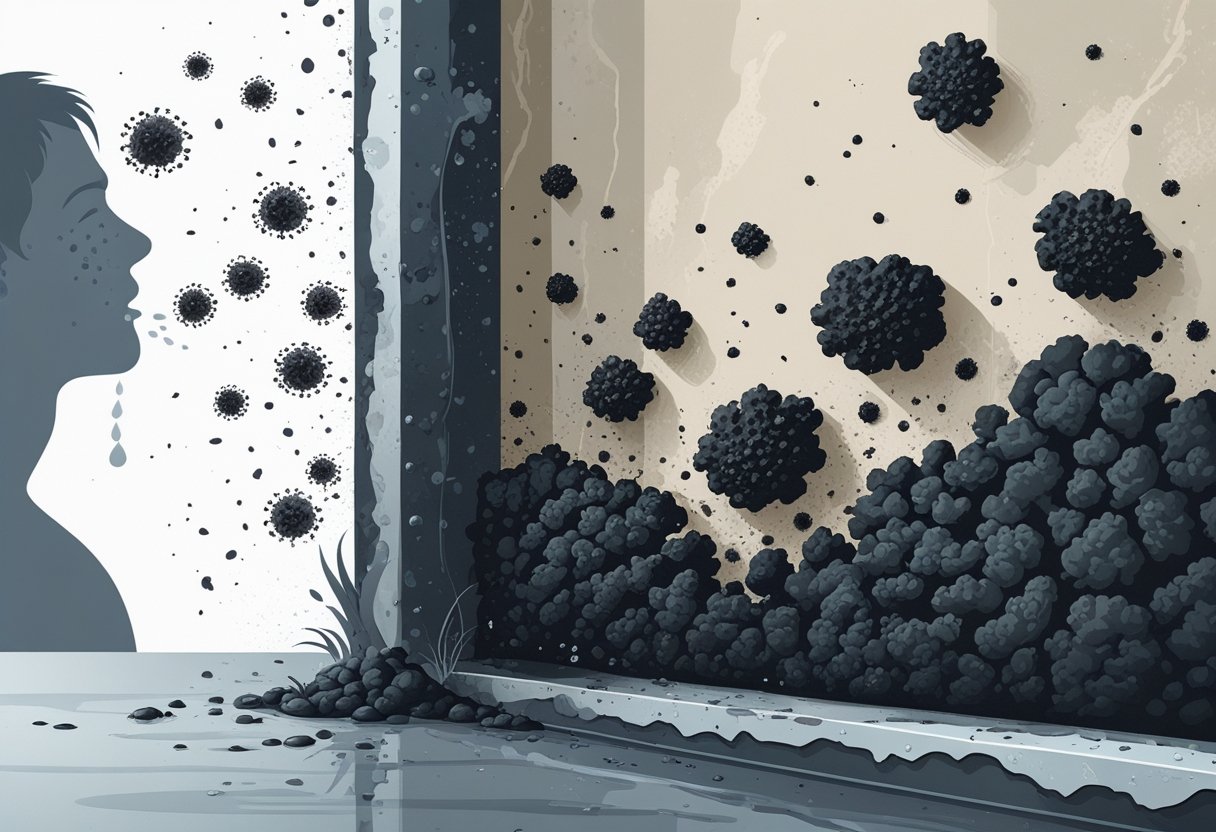
Black mold gets started when building materials stay damp for too long. It usually starts out of sight, then releases spores into the air, which drift around and find new wet spots to grow.
Conditions That Promote Black Mold Growth
Black mold really thrives in damp, stuffy spots. It needs moisture, air, and something with cellulose—think drywall, wood, or cardboard.
It’s happiest where humidity is high (over 60%) or where there’s been water damage. Leaky roofs, pipes, or windows in places like Smyrna or Decatur, GA can set the stage.
Mold likes temps between 60–80°F, but if there’s moisture, it can survive outside that range. Bad air flow lets dampness stick around, making things worse.
Typical Locations for Black Mold in Homes
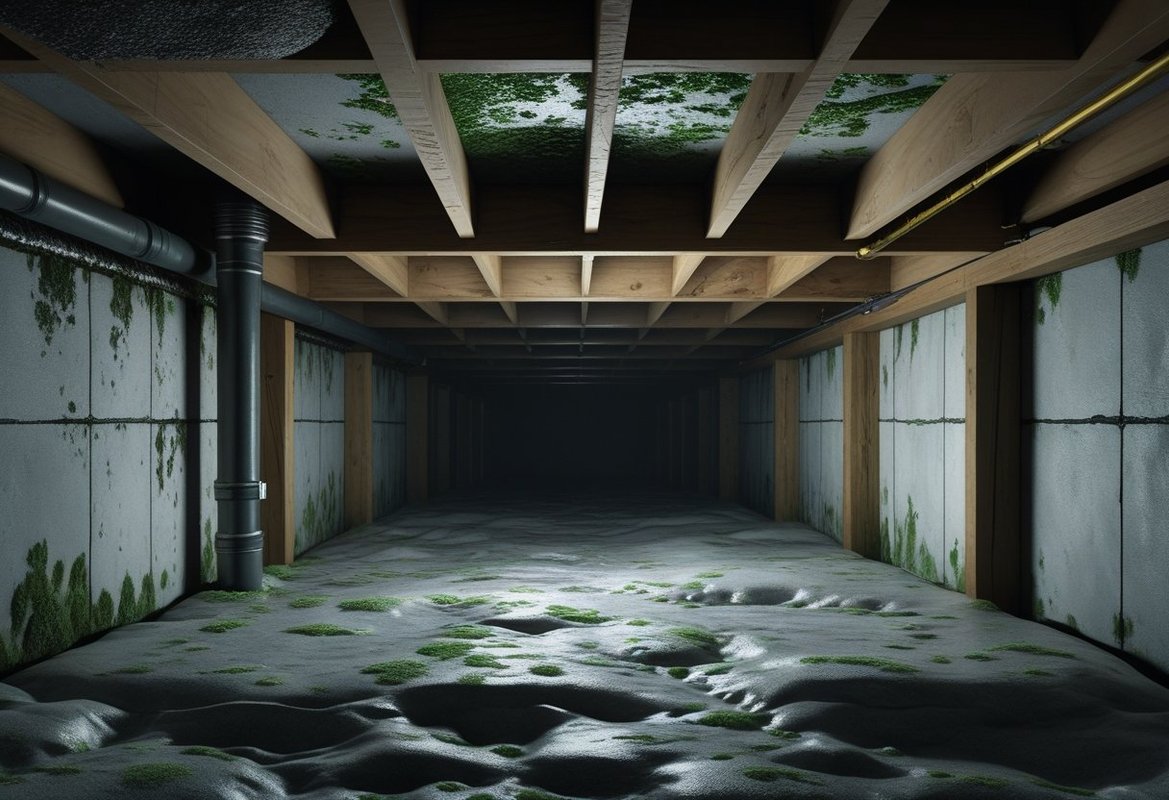
You’ll often find black mold in basements, bathrooms, and kitchens—places where water is everywhere. Flooded rooms or spaces with old water damage are at higher risk.
It hides behind drywall, under carpets, and inside HVAC systems where condensation builds up. Mold in hidden spots can spread before you even know it’s there.
Sometimes it pops up on window sills, in attics, or inside walls where insulation traps moisture. Even a tiny leak in your attic of your Roswell home can cause mold problems if you don’t fix it fast.
Role of Moisture and Damp Environments
Moisture is the main thing mold needs. No water, no mold.
Leaks, condensation, high humidity, and flooding feed mold. In HVAC systems, condensation on coils or ducts keeps things wet.
Damp spots let spores grab onto surfaces and spread. Once mold gets going, it releases more spores, repeating the cycle.
Keeping things dry and managing humidity is your best bet for stopping mold. Even a little trapped moisture can keep mold alive for months.
Health Risks and Symptoms of Black Mold Exposure
Black mold exposure can hit your body in a bunch of ways, especially if you’ve got allergies, asthma, or a weaker immune system. Usually, it messes with your breathing, skin, or eyes, but sometimes it can even affect your nerves if you’re exposed for a long time.
Common Black Mold Symptoms
Most people get allergy-like reactions after breathing in mold spores. Sneezing, stuffy nose, and coughing are common and can show up fast in sensitive folks.
You might also get headaches, sinus pressure, or a sore throat. Some people just feel wiped out or “off,” especially after time in a damp, moldy space.
How bad it gets depends on how much mold is around and your own health. If you’ve got allergies or asthma, symptoms can get worse.
Respiratory Issues and Mold Exposure
Breathing in black mold spores can make your airways cranky. You might wheeze, feel short of breath, or get chest tightness—especially if you already have asthma or lung problems.
If you’re around mold for too long, it can make breathing issues worse. Some folks even get chronic bronchitis-like symptoms.
Kids, older adults, and people with weak immune systems are more likely to have serious breathing trouble. Rarely, mold can cause lung infections in high-risk people.
Skin and Eye Reactions
Touching moldy stuff can make your skin red, itchy, or give you small rashes. If you’ve got sensitive skin, even a little contact can set things off.
Your eyes might itch, water, or turn red from airborne spores. Sometimes there’s a burning feeling or puffy eyelids.
Wearing gloves and eye protection when cleaning up helps. Try not to touch your face after handling moldy things.
Neurological and Chronic Symptoms
Long-term black mold exposure has, in rare cases, been linked to brain fog, trouble focusing, or dizziness. This mostly happens with high mold levels over a long time.
Some people say they feel tired all the time, and it doesn’t get better with rest. Experts think your body’s reaction to mold toxins might be part of the reason.
These effects don’t happen to everyone, but they’re more likely if you’re already dealing with health issues. If you can’t shake weird symptoms, talk to a doctor.
Who Is Most at Risk From Black Mold?
Anyone can react to black mold, but some people are more likely to have problems. If your immune system is sensitive to mold or you’ve got lung issues, your risk goes up.
Individuals With Mold Allergy
If you’re allergic to mold, you’ll probably notice symptoms fast. Your body treats mold spores like invaders, causing:
- Sneezing and stuffy nose
- Itchy or watery eyes
- Coughing or scratchy throat
Even a little mold can make you uncomfortable. Over time, repeated exposure can make things worse.
If you’ve got black mold in your living space, in your Sandy Springs home —you’re exposed all the time. That can lead to constant nose, sinus, and airway inflammation.
Severe allergies can also cause rashes or asthma flare-ups. Keeping things clean and dry, using air filters, and controlling moisture helps cut down reactions.
People With Pre-Existing Respiratory Conditions
If you have asthma, COPD, or chronic sinusitis, mold can hit you harder. Spores can irritate your lungs and make it tough to breathe.
For asthma sufferers, mold can trigger attacks or make you reach for your inhaler more often. COPD patients might cough, wheeze, or feel short of breath more than usual.
Long-term exposure can lower lung function and cause more infections. Even small amounts of mold are risky if your lungs are already struggling.
Doctors often suggest avoiding damp places and using dehumidifiers or air purifiers to help with airborne spores.
Vulnerable Populations
Some people are just more at risk from mold. This includes:
- Infants and young kids
- Older adults
- Folks with weak immune systems (from cancer treatment, HIV, or organ transplants)
For these groups, black mold exposure can sometimes cause serious complications. Toxic mold syndrome or mold poisoning is rare, but it can happen if you’re exposed for a long time in a damp, closed-up place.
Infections are unlikely, but they’re more common if your immune system is really low. Stopping mold before it starts is extra important in homes with vulnerable people.
Detecting and Identifying Black Mold in Your Home
Black mold likes damp, stuffy areas and can show up in plain sight or hide out of view. It usually smells musty and leaves dark stains on drywall, carpets, or wood.
Catching it early can save your home and help avoid health problems.
Signs and Smells of Black Mold
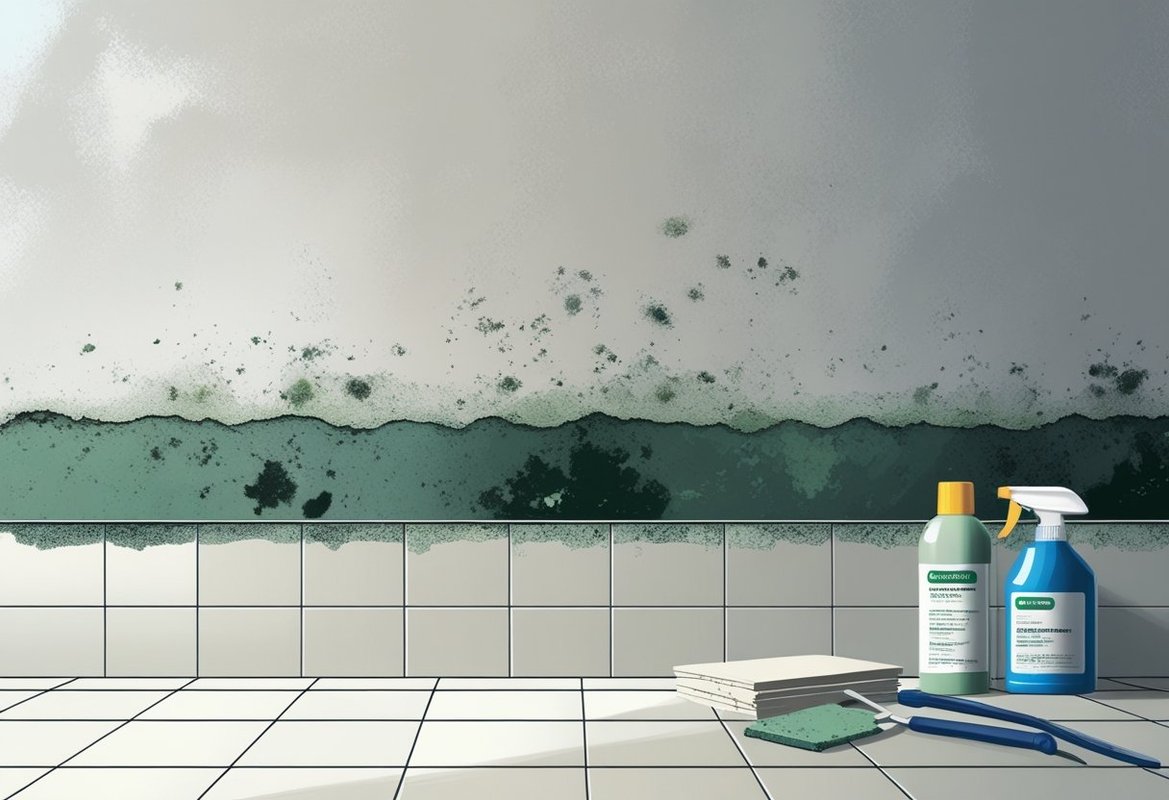
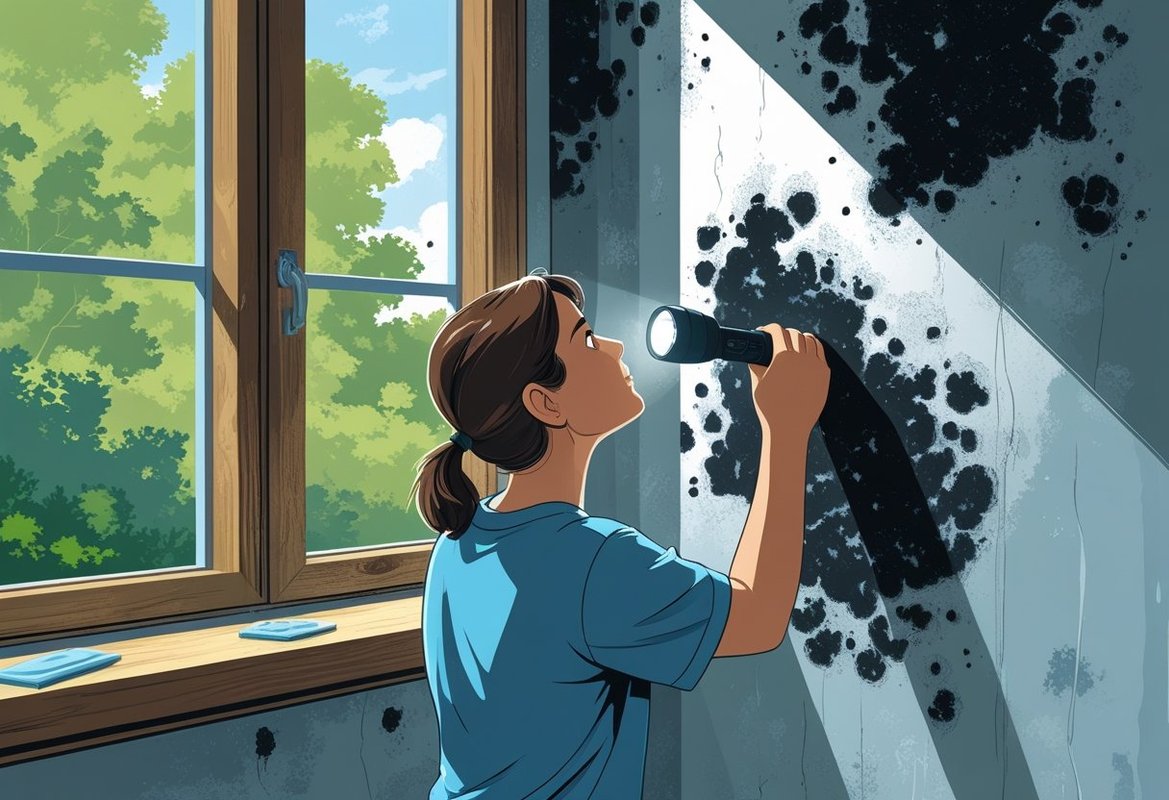
You’ll spot black mold as dark green, black, or brown patches that look slimy or fuzzy. It shows up on drywall, carpets, wood, and tile grout. Over time, the stains spread—especially if moisture sticks around.
A musty, earthy smell is a big clue, even if you can’t see mold. That smell lingers in rooms with bad airflow, like basements or storage closets.
Other signs to watch for:
- Bubbling or peeling paint
- Warped or soft drywall
- Allergy-like symptoms that won’t quit indoors
If you smell mold but don’t see it, it could be hiding behind walls, under floors, or in your HVAC system. In those cases, you might need testing or a pro to check things out.
Hidden Areas Prone to Mold Growth
Black mold often hides in basements, bathrooms, kitchens, and laundry rooms—anywhere moisture hangs around. Leaks, floods, or condensation give it what it wants.
Common hiding spots:
- Behind drywall or paneling
- Under carpets and padding
- Inside HVAC ducts and vents
- Around windows and under sinks
Basements in Atlanta neighborhoods like Buckhead or East Point are especially at risk with high humidity and less airflow. If mold grows in your HVAC, it can spread spores all over the house.
Checking these places regularly, especially after leaks or water damage, helps you catch mold before it takes over.
Effective Black Mold Removal and Prevention Strategies
Black mold loves damp places and can spread fast if you don’t deal with it. Using safe cleanup methods, calling in pros when needed, and keeping things dry are key to protecting your health and your home—whether you’re in Marietta, GA or downtown Atlanta.
Safe Black Mold Removal Techniques
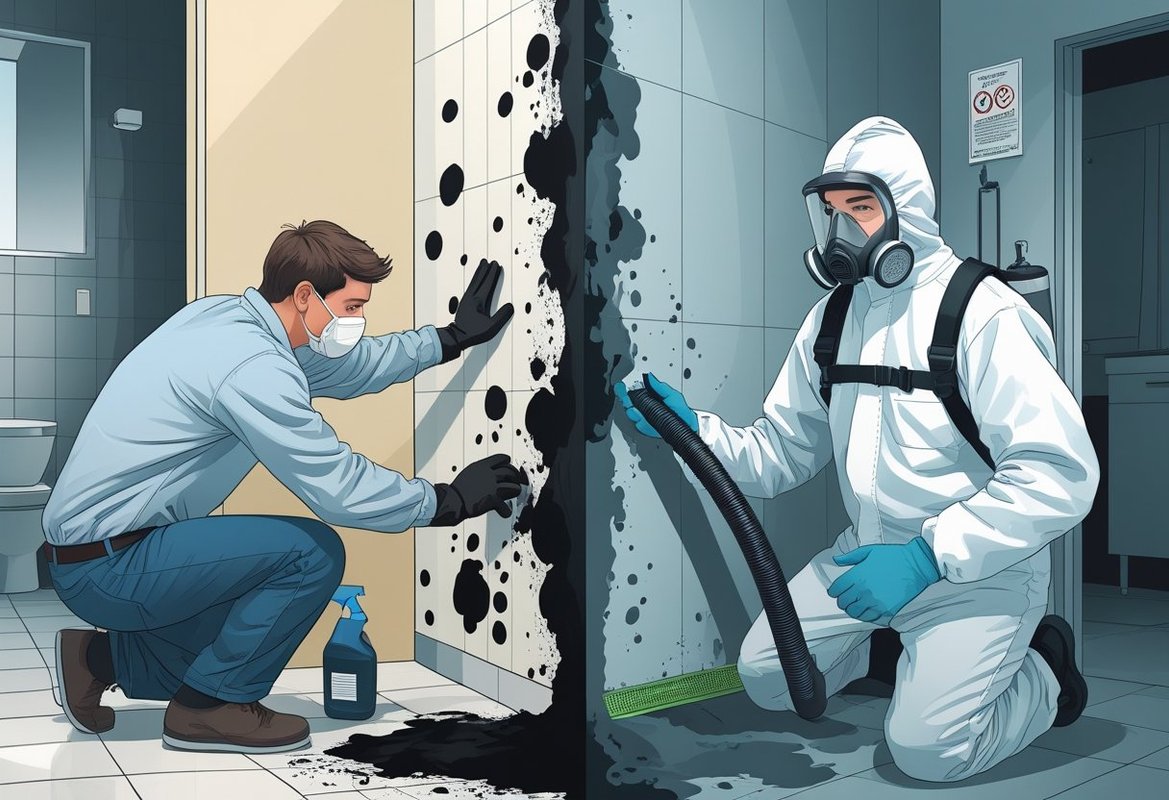
You can usually clean small spots of black mold yourself if you take the right precautions. Always wear gloves, goggles, and an N95 respirator—don’t skip this, even if it feels like overkill.
Scrub non-porous surfaces like glass, metal, or tile with detergent and water. Dry them thoroughly once you’re done.
If you find mold on porous stuff like drywall, carpet, or ceiling tiles, it’s best to throw those out. Mold gets deep into those materials and is almost impossible to fully remove.
Section off your work area with plastic sheeting to keep spores from drifting into the rest of your home. Seal up all cleaning rags and tools in a plastic bag before tossing them out.
When to Seek Professional Mold Removal
If you’re dealing with a big mold problem—say, more than 10 square feet—it’s time to call in the pros. Same goes if you find mold inside your HVAC system or hidden behind walls.
Anyone with allergies, asthma, a weakened immune system, or lung issues should avoid cleaning mold themselves. The risks just aren’t worth it.
Mold remediation companies in the Atlanta, GA area (like if you’re getting mold remediation in Marietta, GA or Decatur, GA) use HEPA vacuums, air scrubbers, and negative air pressure to safely get rid of mold. They know how to keep spores from spreading to the rest of your house.
Preventing Future Black Mold Growth
Keeping moisture under control is your best bet against black mold. Fix leaks from roofs, pipes, or windows as soon as you spot them.
Try to keep indoor humidity below 50%. A cheap hygrometer can help you monitor this, and a dehumidifier makes it easier.
It’s smart to check basements, bathrooms, and kitchens for condensation, damp spots, or that telltale musty smell. If anything gets wet, clean and dry it within a day or two—waiting longer gives mold a chance to come back.
Using Dehumidifiers and Ventilation
A dehumidifier pulls extra moisture out of the air, which is especially helpful in basements, laundry rooms, or anywhere that tends to get damp. Don’t forget to empty and clean the unit regularly, or it can start growing stuff you don’t want.
Good ventilation in bathrooms, kitchens, and laundry rooms helps keep humidity in check. Make sure exhaust fans vent outside—not into your attic or crawl space.
If the weather’s nice in Atlanta, GA, crack open a window for some fresh air. But when it’s humid outside, running your AC with a dehumidifier does a better job at keeping things dry.
Frequently Asked Questions
Black mold exposure can mess with your breathing and trigger allergies. Kids, seniors, and folks with health issues are more likely to have problems. Using safe removal methods keeps spores from spreading around your home.
What are the common symptoms of black mold exposure?
You might notice coughing, sneezing, a stuffy nose, or a scratchy throat.
Red or itchy eyes, skin rashes, and wheezing are pretty common too.
If you have asthma or allergies, symptoms can get worse.
How can black mold affect children and the elderly differently?
Kids’ immune systems aren’t fully developed, so they’re more sensitive to mold.
Older adults might have weaker immune systems or other health problems, making them more vulnerable.
Both age groups can have stronger or more persistent symptoms.
What steps should be taken if you suspect black mold in your home?
Look for visible mold or sniff around for musty odors.
Fix any leaks or ventilation issues right away.
If the moldy area is big, call a professional in the Atlanta area (for example, a mold expert in Sandy Springs, GA).
Can black mold exposure have long-term health effects?
Long-term exposure can lead to ongoing breathing problems, especially if you have asthma or allergies.
Some people end up with sinus trouble or a chronic cough.
Serious effects aren’t super common, but they can happen if you’re exposed for a long time.
What are the recommended methods for safely removing black mold?
For small patches, scrub with detergent and water while wearing gloves and a mask.
Leave big infestations to certified mold specialists in Atlanta, GA or nearby cities like Roswell, GA.
Contain the area and dispose of waste properly to keep spores from spreading.
How can one prevent black mold growth in residential spaces?
Try to keep indoor humidity under 50%. Use a dehumidifier or crank up the air conditioning if you need to.
Fix leaks in your roof, plumbing, or walls as soon as you spot them. Even in places like Marietta, GA, a small leak can turn into a big mold problem fast.
Make sure your bathrooms, kitchen, and laundry room get plenty of ventilation. That means running fans or cracking a window to let the moisture out.

Water Damage Atlanta Editorial Team
Restoration & Home Services Expert
We help Atlanta homeowners recover from water damage with trusted advice and local resources.