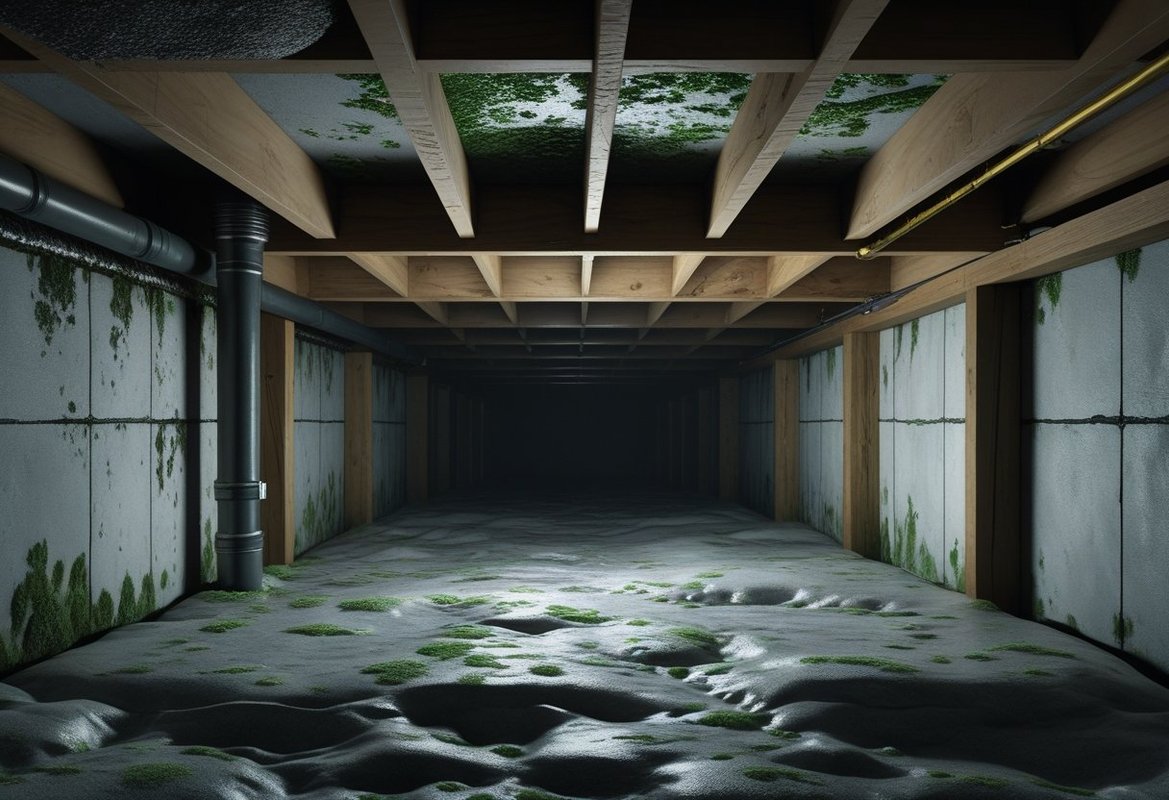
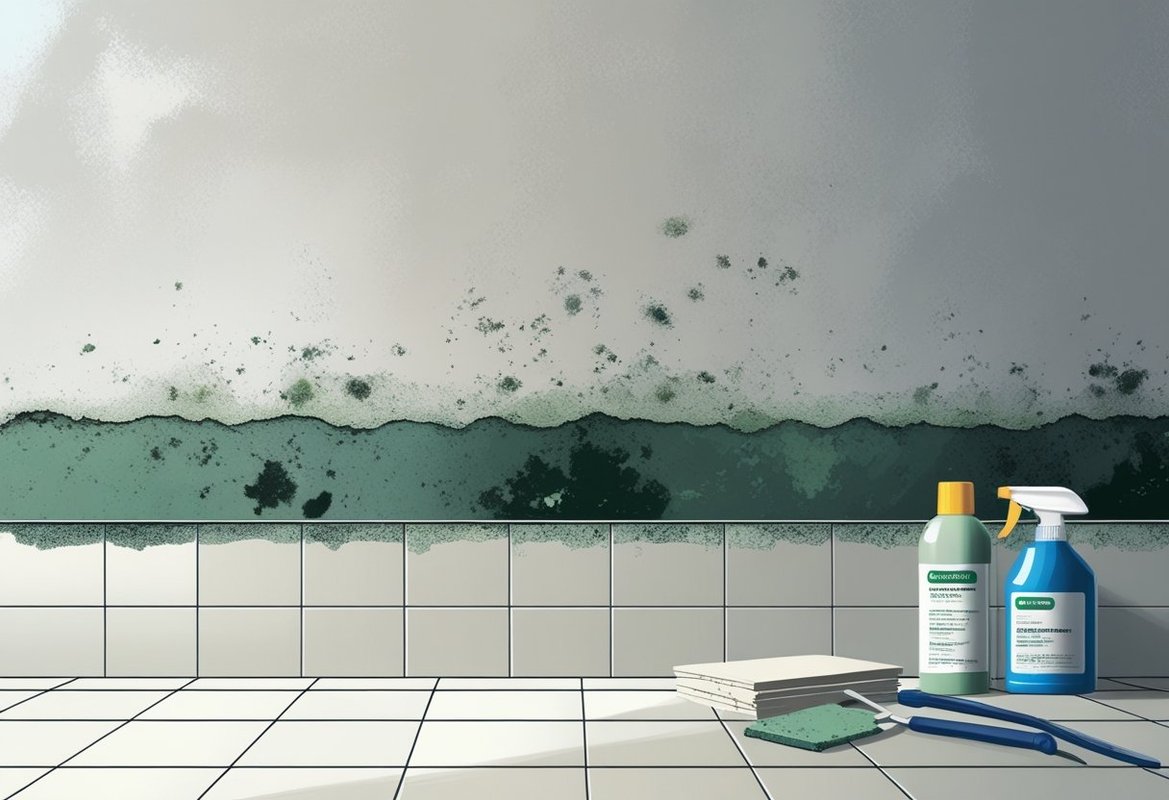
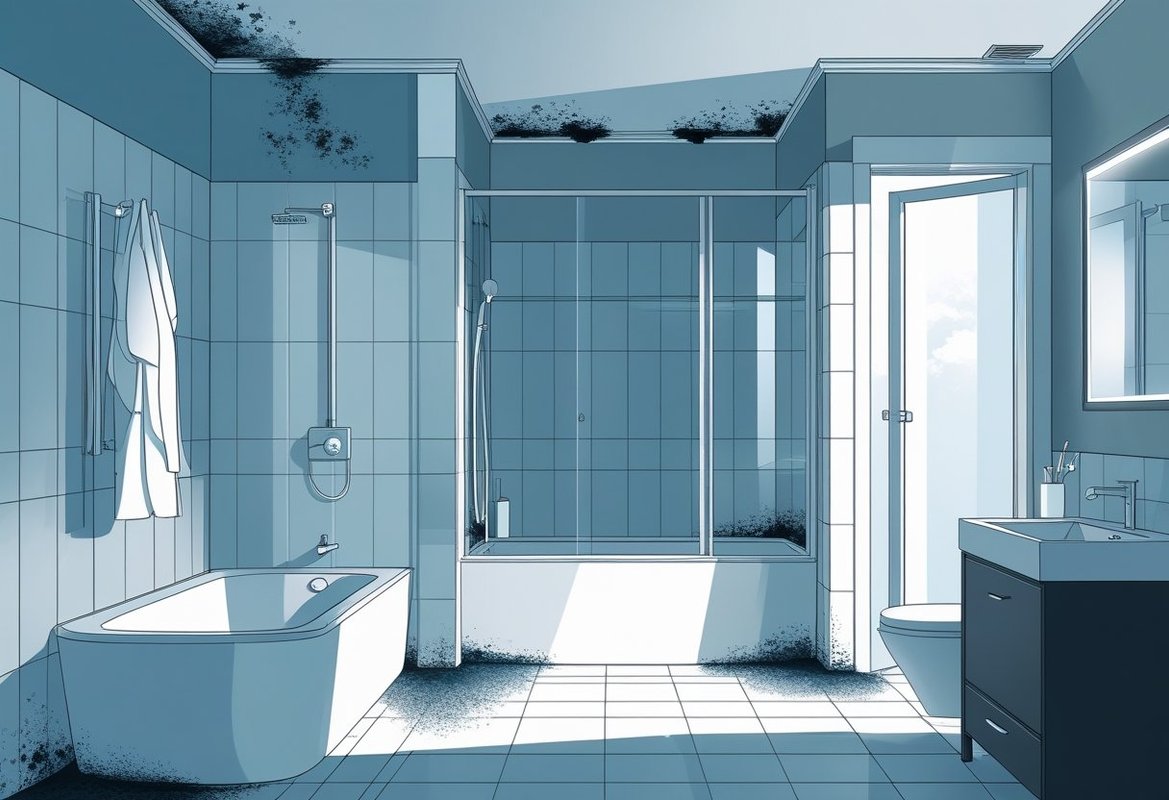
The Top 5 Causes of Attic Mold in Georgia and How to Fix Them for a Healthier Home
Attic mold pops up all over Georgia, thanks to our humid weather and those wild temperature swings. Warm, damp air gets trapped up there in the attic, and suddenly you’ve got mold creeping across w...
The Top 5 Causes of Attic Mold in Georgia and How to Fix Them for a Healthier Home
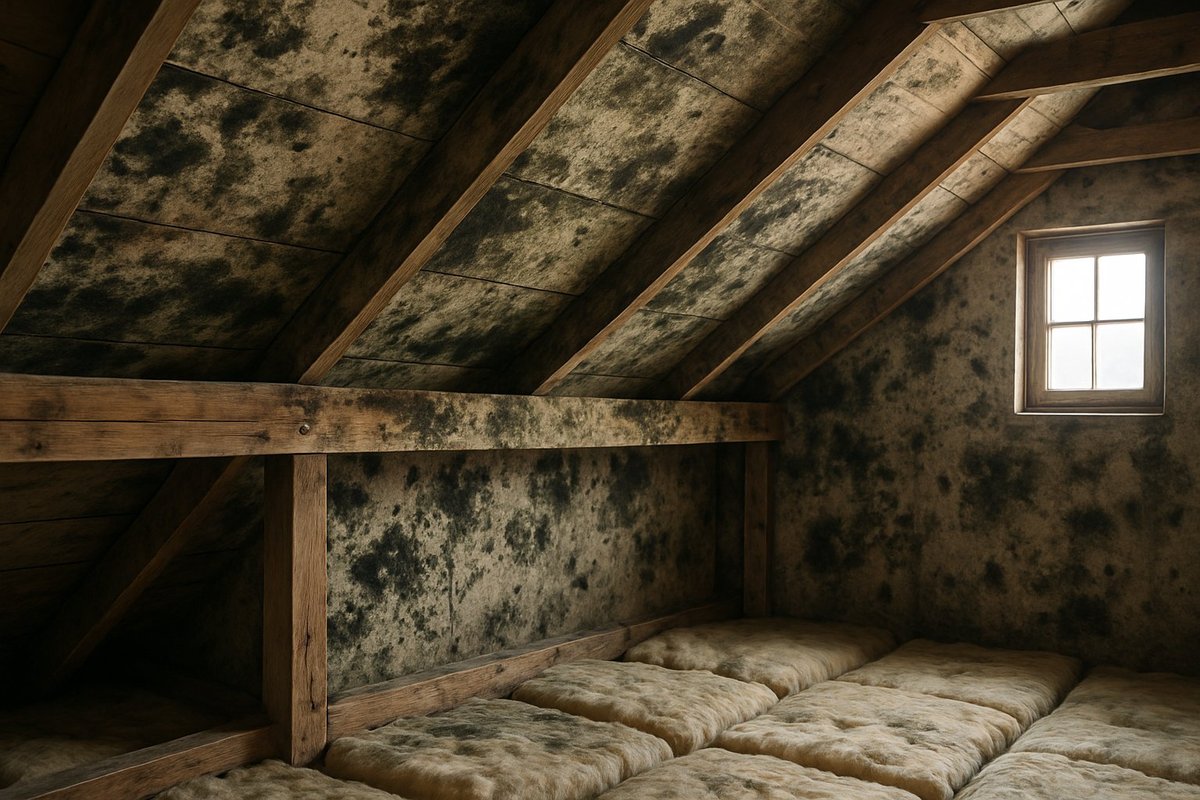
Attic mold pops up all over Georgia, thanks to our humid weather and those wild temperature swings. Warm, damp air gets trapped up there in the attic, and suddenly you’ve got mold creeping across wood, insulation, and whatever else it can grab.
The main culprits? Roof leaks, bad ventilation, appliances venting into the attic, not enough insulation, and unsealed gaps letting moisture in.
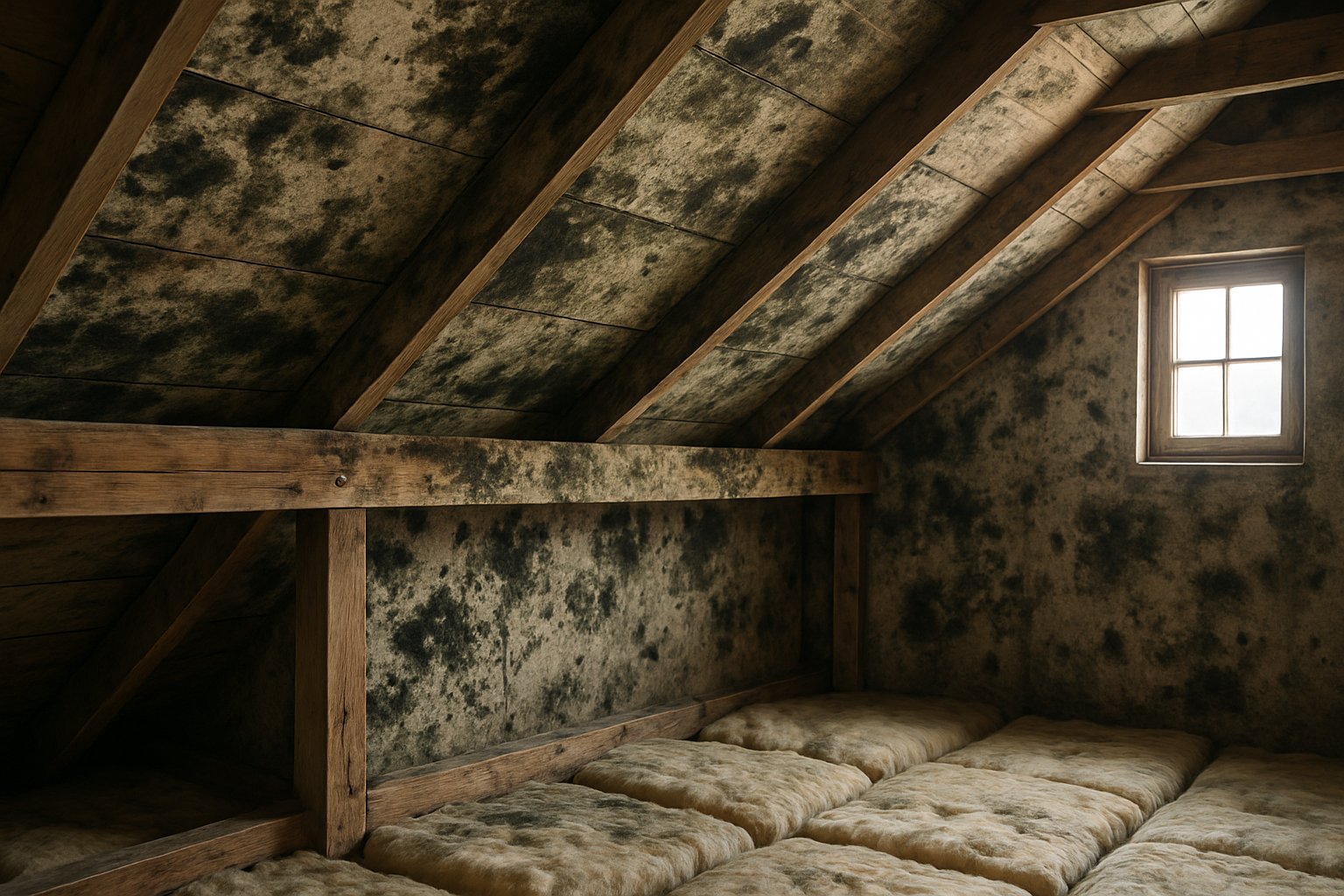
If you let attic mold fester, it can eat away at your house and mess with your indoor air. Here in Georgia—especially in places like Marietta, Roswell, and Alpharetta—humidity and heavy rain make it tough to keep moisture out.
Knowing what causes attic mold is half the battle. Fixing leaks, improving airflow, and sealing things up can really help keep your attic dry.
Understanding Attic Mold in Georgia
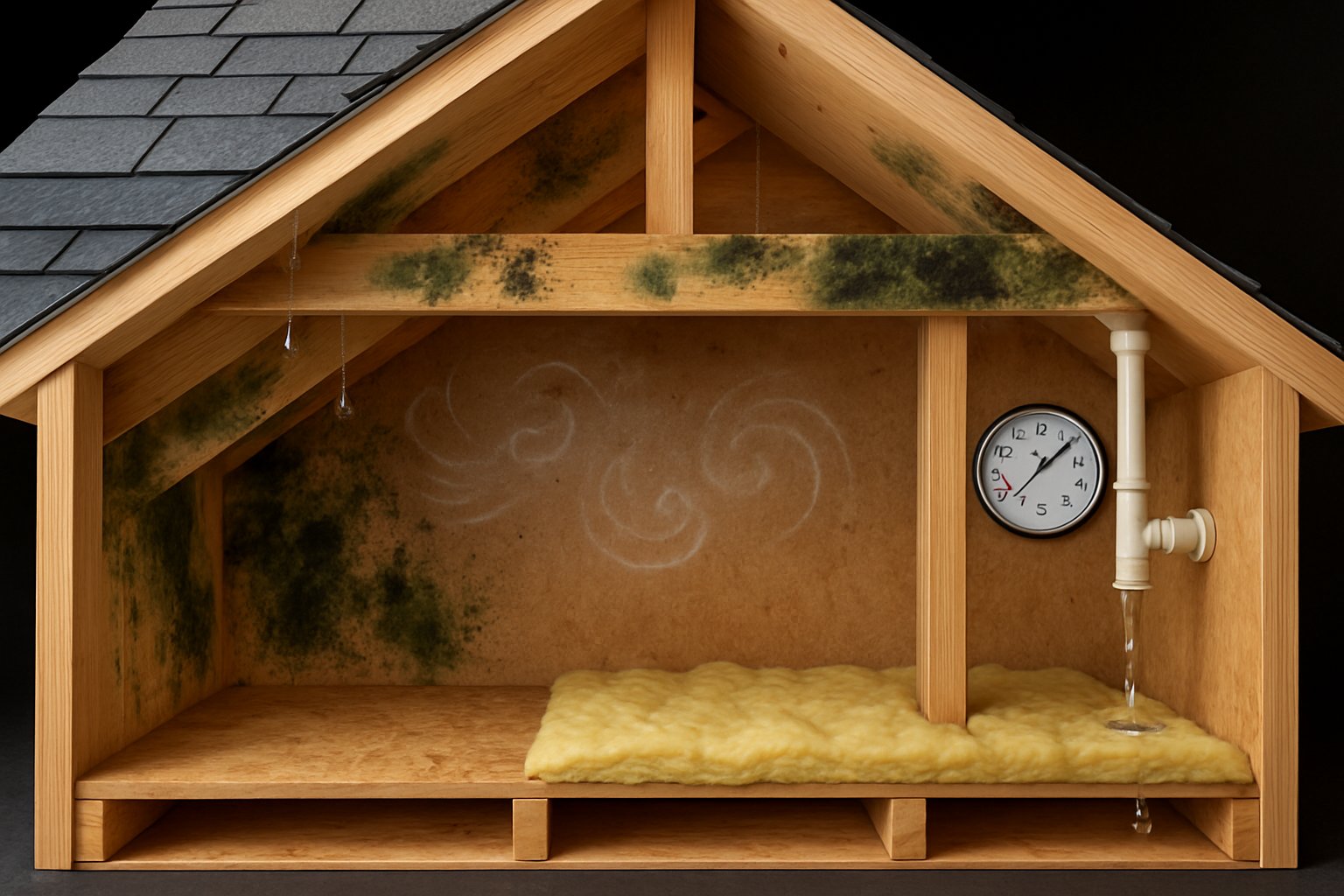
Mold loves it when moisture meets warm, still air in a closed-off space. Georgia’s muggy climate, all that rain, and those hot summers mean mold spores can flourish if you don’t have solid ventilation or moisture control.
Why Attic Mold Is a Problem in Georgia
Our high humidity means attics trap warm, moist air—especially during the summer. Without enough airflow, you end up with a hot, stuffy attic where mold just takes off.
Thunderstorms and heavy rain can sneak water in through tiny roof leaks. Even a little water can keep attic surfaces damp long enough for mold to get started.
Most folks rarely peek in their attics, so mold can spread for months before anyone notices. By then, it could be all over the rafters and plywood, and cleanup gets expensive fast.
Common Signs of Mold in Your Attic
A musty or mildew smell is usually the first thing you’ll notice. The smell gets worse after rain or when it’s humid.
Look for black, green, or white patches on wood beams, insulation, or the underside of your roof. Sometimes it just looks stained or fuzzy.
You might also spot warped wood, damp insulation, or condensation on nails and metal bits. Here’s a quick cheat sheet:
| Sign | What It Means |
|---|---|
| Musty smell | Mold releasing spores into the air |
| Discolored wood | Moisture damage and mold growth |
| Damp insulation | Water intrusion or poor ventilation |
How Mold Spreads and Its Impact on Indoor Air Quality
Mold throws off tiny spores that float through the air. Those spores can slip through cracks, attic doors, or ductwork and end up in your living spaces.
Once inside, spores stick to surfaces or float around, making indoor air quality worse. If you’re sensitive to mold, you might notice allergy symptoms.
High spore counts can even start mold in other parts of the house if there’s moisture. That’s why it’s important to tackle attic mold fast and cut off the moisture at its source.
The Top 5 Causes of Attic Mold in Georgia
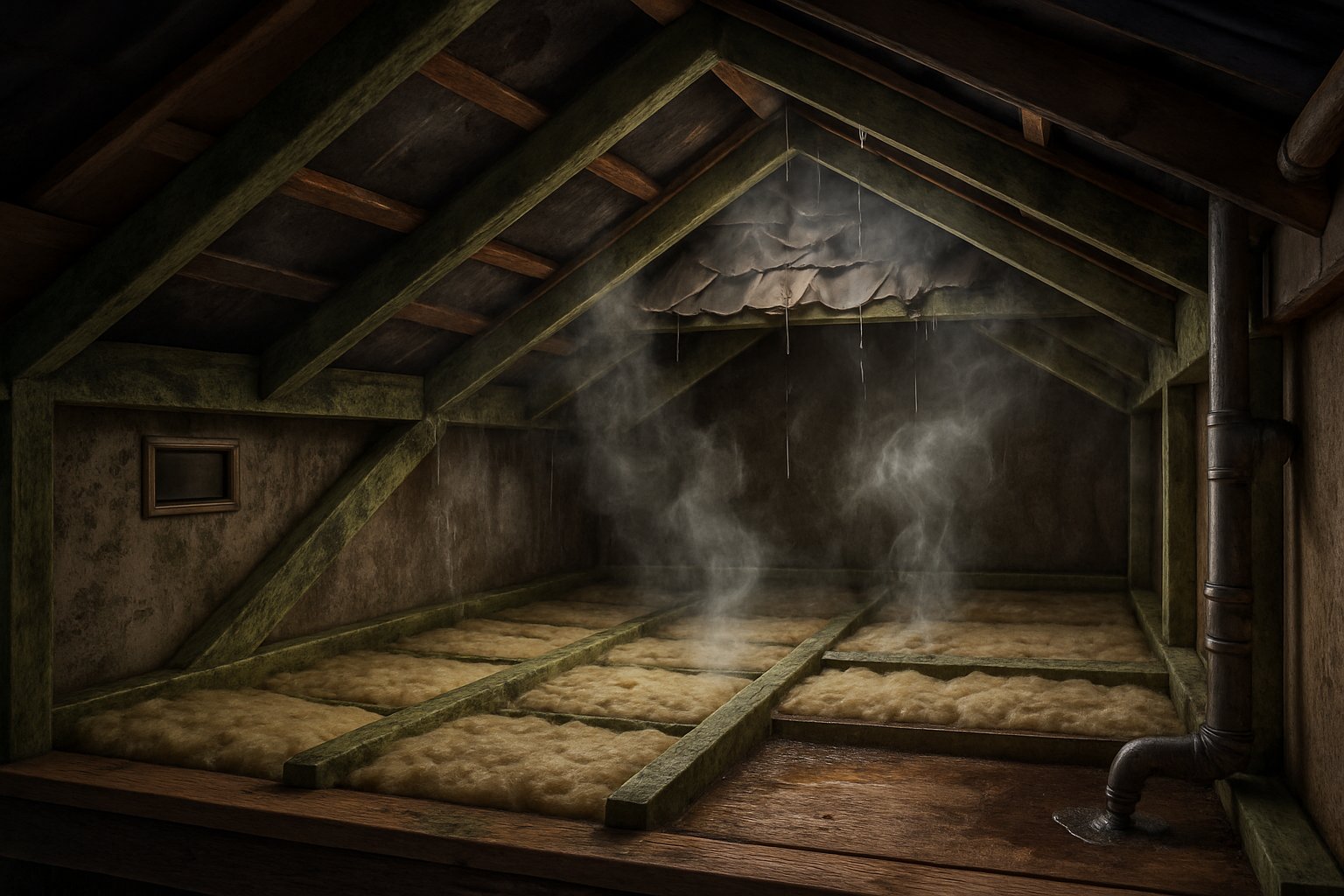
Mold in Georgia attics usually comes from too much moisture, lousy airflow, or sneaky leaks. Our steamy weather and sudden storms mean even a small problem can turn into a big mold patch on your roof or insulation.
Roof Leaks and Water Intrusion
Even tiny roof leaks can let water soak into your attic’s wood and insulation. In places like Sandy Springs or Decatur, heavy rain and high humidity make this a regular headache.
Damaged shingles, cracked flashing, or worn roof valleys are often to blame. Water from a leak can hang around for weeks, giving mold plenty of time to grow.
Regular roof checkups help you spot missing shingles or soft spots before water gets in. Keep an eye out for dark stains or warped sheathing.
Fix leaks fast, and seal around chimneys, skylights, and vent pipes to keep water out.
Improper Ventilation and Eave Vents
Attics need steady airflow to move out warm, moist air. Without it, humidity builds up and condenses on cool surfaces like roof sheathing.
Blocked soffit or eave vents are a common problem in older Atlanta homes. Sometimes insulation covers the vents, or they’re clogged with debris or paint.
A good setup uses intake vents at the eaves and exhaust vents at the ridge or gable ends. This keeps air moving and cuts down on condensation.
Check your vents for blockages, and make sure insulation isn’t covering them.
Exhaust Fans and Dryer Vents Discharging into the Attic
Bathroom fans, kitchen hoods, and dryers should always vent outside. If they dump warm, moist air into the attic, you’re basically feeding mold.
It’s pretty common in Georgia homes to find bathroom fans venting right into the attic. That extra moisture can lead to mold on wood framing and insulation.
Dryer vents add lint, which sticks to damp surfaces and makes things worse. Leaky or disconnected ducting just adds to the problem.
Redirect all exhaust ducts outside, and use smooth, rigid ducting to cut down on condensation.
Insufficient or Wet Attic Insulation
Insulation helps control temperature differences between your living space and the roof. If it’s too thin or gets wet, it stops doing its job and lets condensation form.
Roof leaks, high humidity, or air leaks from below can soak insulation in Georgia attics. Wet insulation traps moisture and gives mold a place to grow.
Fiberglass batts can hold water for ages, while blown-in cellulose can clump and sag. Either way, you’re asking for trouble.
Replace wet insulation, improve vapor barriers, and make sure you’ve got enough ventilation to keep things dry.
Unsealed Openings and Gaps in the Ceiling
Gaps around recessed lights, attic hatches, plumbing, or wiring let warm, moist air sneak into the attic. In winter, this can freeze on roof sheathing and later melt, feeding mold growth.
Even small air leaks in Georgia’s climate push humid air into cooler attic spots. Over time, this damages wood and insulation.
Seal gaps with caulk, spray foam, or weatherstripping. Insulate attic hatches and seal light fixtures to keep warm air from escaping.
Sealing these openings not only fights mold but also helps with your energy bills.
How to Fix Roof Leaks and Prevent Water Intrusion
Roof leaks bring moisture into the attic, damaging insulation and setting the stage for mold. Catching leaks early and keeping your roof in good shape goes a long way.
A lot of the tactics we're about to cover are definitely something you can tackle but it's on the "edge" of what we'd consider handy man work. We recommed a reputable water damage company to help you.
Identifying and Repairing Roof Leaks
Start your search in the attic. Look for wet insulation, dark stains, or drips after it rains. A flashlight helps spot small water trails.
Leaks usually show up around vents, chimneys, or skylights. Check for damaged shingles, cracked sealant, or loose flashing. Flat roofs can have pooling water that seeps through seams.
Small leaks can often be fixed by replacing shingles, sealing gaps, or tightening flashing. For big problems—like rotted sheathing or lots of missing shingles—you might need a pro.
After storms, give your roof a once-over to catch leaks before they go wild.
Maintaining Roof Sheathing and Flashing
Roof sheathing holds up your shingles and keeps moisture out. Plywood or OSB can get soft or sag if it stays wet.
Flashing moves water away from joints. If it’s rusty, warped, or has gaps, water can sneak past the shingles and into the attic.
What helps?
- Check flashing twice a year
- Swap out rusted or bent pieces
- Keep sealant fresh around roof penetrations
- Make sure gutters send water away from the edge
Good sheathing and flashing keep leaks at bay and help your roof last longer.
Improving Attic Ventilation to Prevent Mold Growth
Attic ventilation keeps moisture down, cools things off, and makes it harder for mold to get started. Fresh air comes in, warm air goes out—simple but effective.
Assessing Current Ventilation Systems
First, figure out if your attic has enough airflow. If it’s always hot and stuffy, ventilation isn’t cutting it. Watch for musty smells, damp insulation, or mold on rafters.
Check for both intake and exhaust vents. Soffit (eave) vents pull air in; ridge or gable vents let it out. Missing, blocked, or busted vents kill airflow.
In Georgia, attic humidity over 60% is a red flag. Use a moisture meter or digital hygrometer to keep tabs.
Sometimes it’s worth having a pro check your setup, especially in older homes around Buckhead or East Point.
Unblocking and Installing Eave Vents
Eave vents (soffit vents) bring in cooler air. If insulation or debris blocks them, airflow drops and mold risk rises.
To unblock vents, move insulation, clear out dust, and fix any busted covers. It’s an easy but important fix.
If you don’t have enough vents, add more along the soffits. Aluminum or vinyl vents last longer than wood.
In older homes, you might need to cut into the soffits—just be careful not to mess up the roof structure.
Balancing Intake and Exhaust Ventilation
You want intake and exhaust balanced. Too much exhaust pulls air from your house; too much intake traps moisture.
A common setup is continuous soffit vents for intake and a ridge vent for exhaust. Air flows naturally from low to high points.
If you can’t do ridge vents, gable or roof vents work. But don’t mix vent types in a way that messes up airflow.
Building codes usually call for 1 square foot of vent area per 150 square feet of attic, split half and half between intake and exhaust. That’s especially important in humid spots like Johns Creek or Smyrna.
Addressing Exhaust Fan and Dryer Vent Issues
Moisture from bathrooms and dryers can build up in the attic if vents aren’t routed or sealed right. That trapped humidity is a mold magnet, especially in Georgia’s climate.
Properly Routing Bathroom and Dryer Vents
Bathroom fans and dryers should always vent outside, never into the attic. Sending warm, moist air into a closed space just invites mold.
In Georgia, if a vent dumps into the attic, you’ll see mold in no time. Run ducting through the roof or an exterior wall with a vent cap.
Here’s what to do:
- Use smooth, rigid metal ducting to cut down on lint
- Keep duct runs short and straight
- Install a vent hood with a damper to block outside air
Clean dryer vents regularly to stop lint clogs. Make sure bathroom vents can actually move enough air for the room.
If you’re getting mold remediation in Marietta, GA or anywhere around Atlanta, these fixes make a real difference.
Sealing Vent Connections to Prevent Moisture
Even when vents run outside, loose connections can leak humid air into the attic. Gaps at duct joints or where the duct meets the roof cap let moisture escape before reaching outdoors.
Secure all duct joints with foil HVAC tape or mastic sealant. Skip standard cloth duct tape—it just doesn’t last.
At the roof or wall exit, seal the vent collar with exterior-grade caulk to keep rainwater out. If your attic isn’t conditioned, insulating the ducts can help cut down on condensation inside them.
Check vent seals regularly to catch small gaps before they turn into big moisture problems. In older homes around Decatur or Roswell, swap out damaged or flexible plastic ducts for rigid metal to boost airflow and sealing.
Upgrading and Maintaining Attic Insulation
Good attic insulation controls temperature, limits moisture, and helps prevent mold. Picking the right material—and keeping it dry—protects both your insulation and your home’s structure.
Choosing the Right Type of Attic Insulation
The most common types are fiberglass batts, blown-in cellulose, and spray foam. Each works a bit differently for moisture and energy efficiency.
Fiberglass resists moisture but can still trap damp air if airflow is poor. Cellulose covers well but soaks up water if there’s a leak. Spray foam seals gaps tightly, blocking air leaks that cause condensation.
In the Atlanta, GA area, where humidity is high, you’ll want insulation with solid thermal resistance (R-value) and moisture resistance. The U.S. Department of Energy suggests R-38 to R-60 for attics here.
Before adding insulation, check for air leaks around light fixtures, ductwork, and attic hatches. Sealing these spots first keeps warm, moist air from reaching cool attic surfaces—exactly where mold likes to start.
Preventing and Repairing Wet Insulation
Wet insulation can’t do its job and gives mold a place to grow. Roof leaks, poor ventilation, and attic plumbing leaks are the usual suspects.
If insulation feels damp or looks moldy, it’s best to remove and replace it. Drying it in place rarely works—moisture just hangs around inside the fibers.
Prevent moisture problems by:
- Fixing roof damage right away
- Keeping soffit and ridge vents clear
- Adding vapor barriers as needed
- Venting bathroom and kitchen fans outside
Inspect your attic regularly, especially after storms in places like Sandy Springs or Alpharetta. During humid months, running a dehumidifier inside the house can cut down on moisture heading into the attic.
Sealing Unsealed Openings and Gaps
Openings in your attic let warm, moist air from below sneak upward. That moisture can condense on cool surfaces, setting the stage for mold. Sealing these gaps cuts heat loss, boosts energy efficiency, and helps keep mold at bay.
Inspecting for Unsealed Openings
Start with a good flashlight and a close look around the attic. Check for gaps around recessed lights, attic hatches, plumbing vent pipes, electrical wiring, and exhaust fans.
Attic top plates—where the walls meet the attic floor—are common trouble spots. Even tiny cracks can add up.
Don’t forget soffit areas, around chimneys, and near HVAC ducts. Sometimes you’ll need to move insulation aside to spot the gaps. Make a list so you can seal everything in one go.
Air Sealing Techniques for Attics
The right sealant depends on the gap. Caulk is great for small cracks around framing or drywall. Expanding foam works better for bigger gaps around pipes and wires.
For attic hatches, weatherstripping and an insulated cover can block air movement. Swap out old recessed lights for airtight, insulation-contact fixtures, or cover them with approved light covers before sealing.
Once you’re done, put insulation back in place. Using the right materials helps seals last and lowers the chance of mold from air leaks. Check your work every so often to keep things tight.
Steps for Safe and Effective Attic Mold Removal
Getting rid of attic mold means stopping moisture, removing contaminated stuff, and cleaning surfaces without spreading spores. You’ll need safety gear and good ventilation to protect yourself and your home.
DIY Mold Removal Methods and HEPA Vacuum Usage
For small mold spots on hard surfaces, scrub with a detergent-and-water solution or a commercial mold cleaner. Always wear gloves, goggles, and an N95 respirator to limit spore exposure.
If insulation is moldy, take it out and replace it. Once mold gets into fiberglass, it’s impossible to clean.
A HEPA vacuum is essential for attic mold cleanup. It grabs loose spores from wood, drywall, and other surfaces—regular vacuums can’t trap the tiny stuff.
After vacuuming, scrub surfaces and vacuum again for good measure. Keep the work area sealed off from the rest of the house until you’re finished.
When to Call for Professional Mold Remediation
Call the pros if mold covers more than 10 square feet, if structural wood is involved, or if the attic’s ventilation and moisture issues are complicated.
Licensed contractors use gear like negative air machines to keep spores from spreading. They might also apply antimicrobial treatments to slow regrowth.
A professional can track down hidden mold in insulation, joists, or behind vapor barriers. They’ll also fix root causes like roof leaks or high humidity. In serious cases, attic mold removal in places like Marietta, GA may mean rebuilding some areas—leave that to trained crews.
Preventing Future Attic Mold Problems
Staying on top of attic conditions and moisture sources is the best way to keep mold from coming back. Fixing small leaks or airflow issues early can save you from bigger repairs later.
Routine Mold Inspection and Maintenance
Check your attic every 3–6 months for early signs: dark spots on wood, musty smells, or damp insulation.
A yearly professional inspection is smart, especially in humid spots like Atlanta, GA. Inspectors use moisture meters and thermal cameras to find hidden dampness.
Check for roof leaks, bad flashing, or blocked vents. Key maintenance jobs:
- Clear soffit and ridge vents
- Repair damaged shingles or flashing
- Replace wet or compressed insulation
Fixing these problems quickly cuts the odds of attic mold coming back.
Monitoring Humidity and Moisture Levels
Controlling moisture is one of the best ways to stop attic mold. Keep indoor humidity below 50%—a digital hygrometer helps track this.
In metro Atlanta, attic ventilation is crucial. Use soffit, ridge, or gable vents to keep air circulating.
Fix any water intrusion right away, whether it’s a roof leak or a plumbing issue. Watch these moisture sources:
| Source | Action Needed |
|---|---|
| Roof leaks | Patch or replace roofing |
| Condensation on ducts | Add insulation or vapor barrier |
| Poor ventilation | Install or clear vents |
Stay on top of moisture, and mold won’t have much of a chance.
Frequently Asked Questions
Attic mold pops up when moisture builds and ventilation falls short. In Georgia, high heat, humidity, and roof or insulation problems can make things worse. Tackling the moisture source is the real fix.
What are common signs of attic mold in Georgia homes?
You might notice a musty smell, dark or discolored spots on wood, or fuzzy growth on rafters and sheathing. Water stains on ceilings or walls below the attic are another clue. Sometimes, insulation looks damp or clumpy.
How does poor ventilation contribute to mold growth in attics?
Poor airflow traps warm, moist air in the attic. Humidity rises, making it easy for mold to grow on wood and insulation. Without good soffit, ridge, or gable vents, the attic just can’t get rid of that moisture.
Can insulation issues lead to mold problems in the attic space?
Definitely. Wet, compressed, or badly installed insulation traps moisture against wood. It also loses its insulating power, making temperature and humidity harder to control. That’s a recipe for mold.
What role does roof leakage play in the development of attic mold?
Even tiny roof leaks can let water into the attic. That moisture soaks into wood and insulation, creating a lingering dampness mold loves. Leaks often come from bad shingles, flashing gaps, or worn-out sealant around vents.
How should homeowners approach mold remediation in their attics?
For small spots, clean affected areas with the right gear and mold cleaners. If the problem is bigger or more widespread, call a licensed remediation pro. That way, you know the mold’s gone for good—and the moisture source is fixed.
What preventive measures can be taken to reduce the risk of mold in attics?
Keep your attic well-ventilated with working soffit and ridge vents. If you live in areas like Sandy Springs or Decatur near Atlanta, GA, don't overlook this step.
Fix any roof leaks as soon as you spot them. Make sure bathroom and dryer vents send air outside, not up into the attic.
Check that insulation stays dry and is put in correctly. This really helps control temperature and humidity.

Water Damage Atlanta Editorial Team
Restoration & Home Services Expert
We help Atlanta homeowners recover from water damage with trusted advice and local resources.