The 3 Categories of Water Damage and Why It Matters for Property Protection
water damage might all look the same at first, but the risks can be wildly different. A burst pipe in your Smyrna, GA home isn’t the same as a sewage backup in Decatur.
The 3 Categories of Water Damage and Why It Matters for Property Protection
water damage might all look the same at first, but the risks can be wildly different. A burst pipe in your Smyrna, GA home isn’t the same as a sewage backup in Decatur.
The three categories of water damage—clean water, gray water, and black water—tell you how dangerous the water is and what it’ll take to fix things safely.
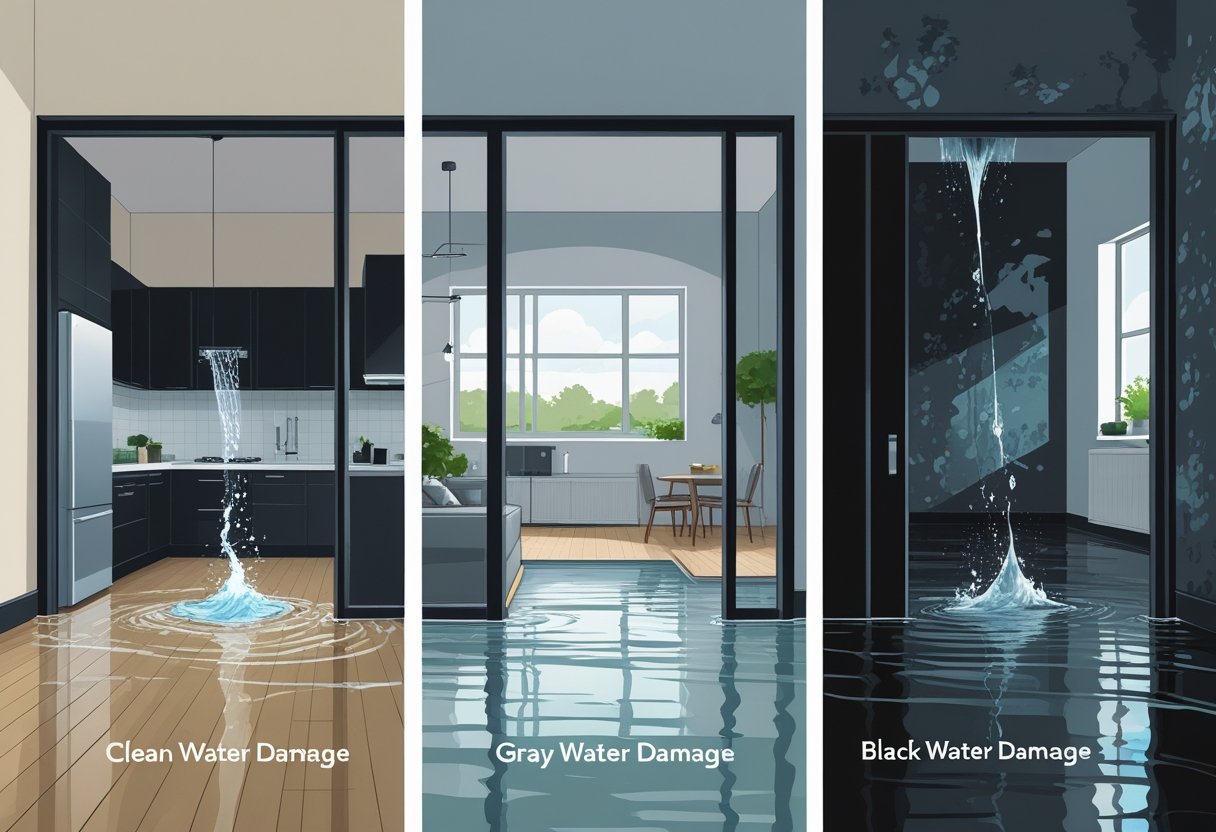
Getting these categories right helps you avoid mistakes that could make things worse or put your health at risk. Clean water might just need a fast dry-out, but contaminated water is a whole different animal.
By understanding the differences, you can act faster and make smarter choices—whether you’re in Buckhead or Roswell.
Let’s break down what defines each category, why it matters, and how responding the right way protects your property and your health.
Understanding the Three Categories of Water Damage
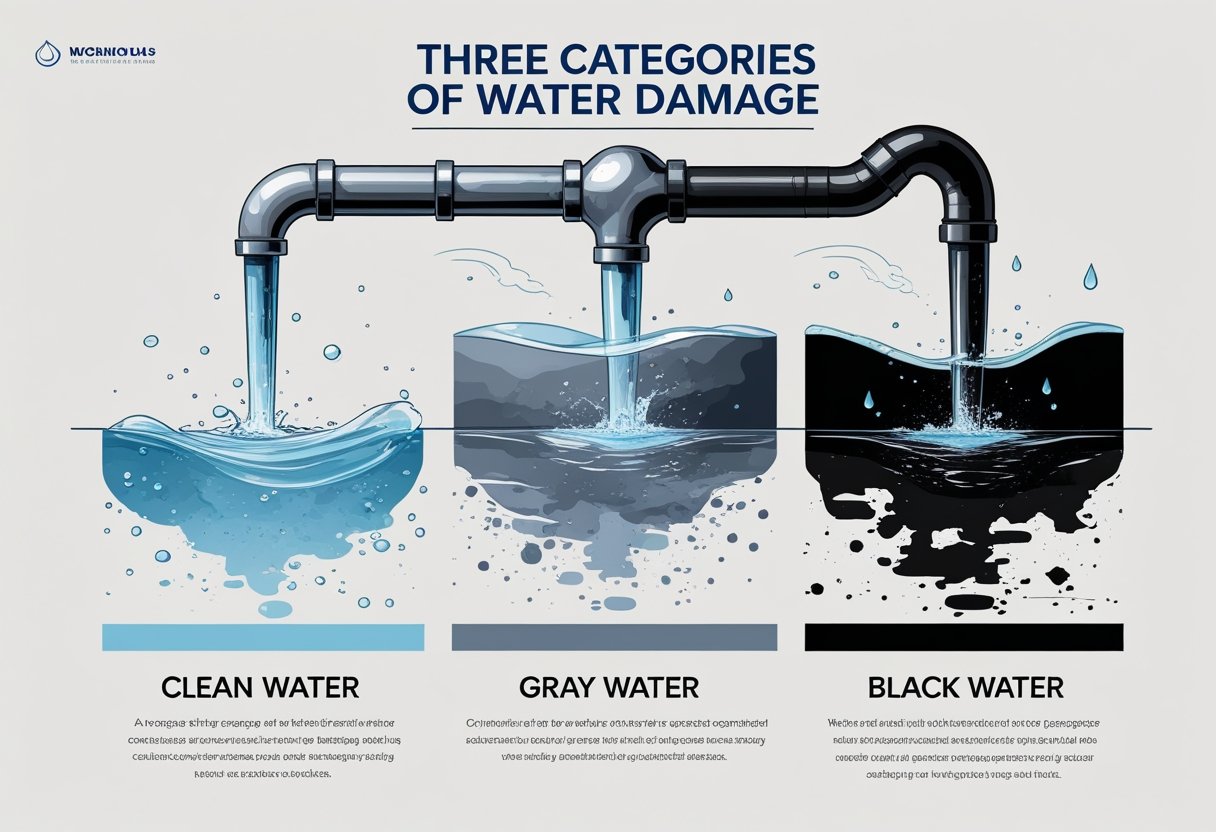
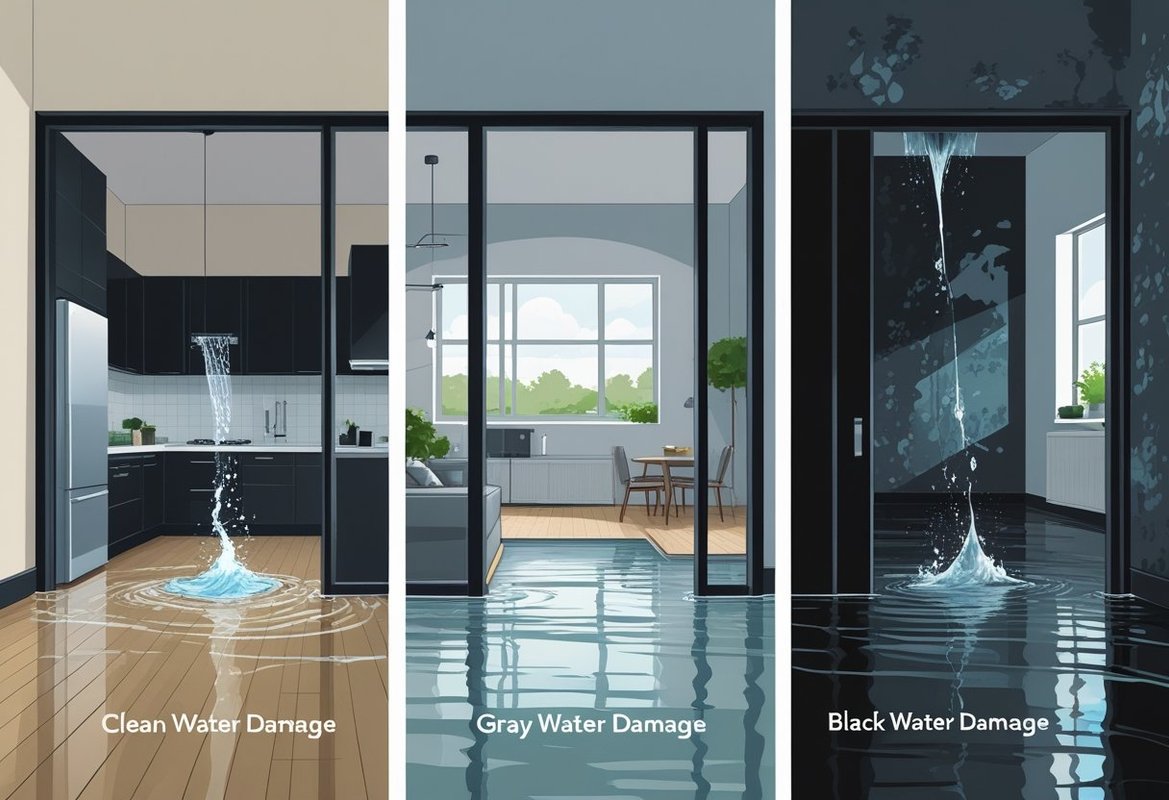
Water damage gets split into three main categories based on where the water comes from and how contaminated it is.
Each type needs a different approach because the risks change.
What Defines Each Category
Category 1 water is clean. It comes from sources like a broken supply line, a leaking faucet, or rainwater that hasn't touched the ground.
This water starts out free of harmful contaminants.
Category 2 water (gray water) is a little dirty. It might come from a dishwasher, washing machine, or a sump pump failure.
This stuff can make you sick if you touch or swallow it.
Category 3 water (black water) is the worst. Think sewage, storm flooding, or water that's been sitting around long enough to breed bacteria.
It’s dangerous and needs professional cleanup.
Levels of Contamination
The categories mainly differ by how much contamination the water has picked up.
- Clean water (Category 1): No dangerous microbes or chemicals. Usually safe if you deal with it quickly.
- Gray water (Category 2): Has some chemical or biological contaminants—could be soap, food waste, or a bit of sewage.
- Black water (Category 3): Loaded with pathogens, toxins, or raw sewage. Don’t touch it.
Time matters, too. Clean water can turn into gray water if it sits too long, and gray water can become black water if ignored.
So, moving fast is key—especially if you’re in busy areas like Midtown Atlanta.
Health and Safety Risks
Each category brings its own health concerns.
- Category 1: Pretty low risk if you clean it up fast, but mold can start in 24–48 hours.
- Category 2: Might cause skin irritation or stomach issues. Don’t touch or swallow it.
- Category 3: Can spread serious diseases. It’s often full of human or animal waste and chemicals.
Contaminated water ruins building materials, too. Carpets, drywall, and insulation exposed to gray or black water usually have to go.
Category 1: Clean Water
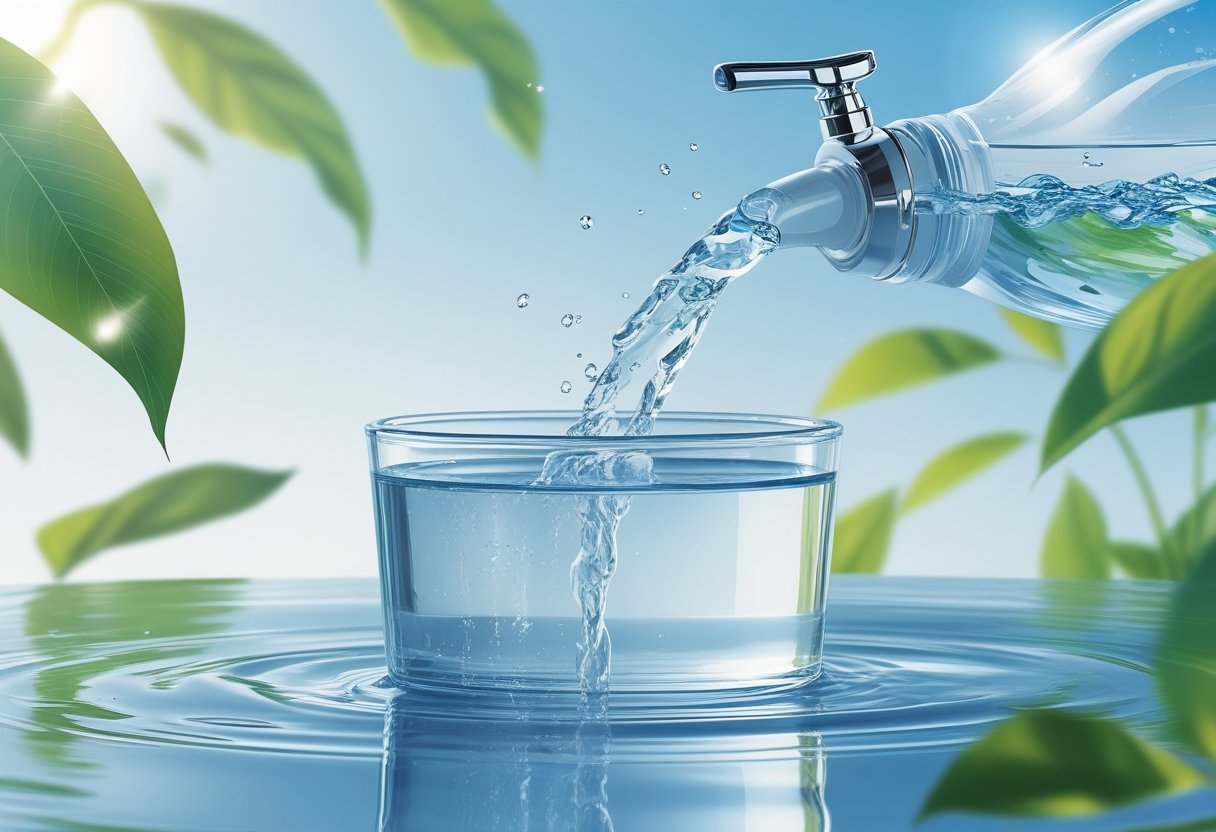
Category 1 water damage means clean water from sources that aren’t dangerous at first.
It’s the lowest risk for your health, but it can still mess up your house if you don’t act quickly.
Sources of Clean Water Damage
Clean water damage usually comes from plumbing or weather.
A burst pipe is common—fresh water gushes into walls or floors in Sandy Springs or Alpharetta.
Appliances like washing machines or dishwashers can leak, too. Sometimes it’s just a drip, but it can get out of hand fast.
Rainwater that gets in before touching the ground—like through a roof leak in Brookhaven—might still count as clean.
Typical sources:
- Broken water supply lines
- Overflowing sinks or tubs
- Appliance malfunctions with fresh water
- Minor roof leaks during rain
Don’t wait, though. Clean water can get contaminated if left sitting.
Potential Risks and Deterioration
Even clean water can cause a mess if you don’t remove it quickly.
It seeps into drywall and wood, causing swelling or warping.
If it sits for more than a day or two, it can become gray or black water.
Mold can start growing in a day or so. Suddenly, a simple cleanup turns into a big restoration headache.
Risks:
- Weakening of walls, floors, and ceilings
- Mold and mildew if drying is slow
- Water gets dirtier if ignored
Get it dried out fast to avoid bigger problems.
Examples of Category 1 Incidents
You might wake up in your Johns Creek home to a burst pipe under the kitchen sink flooding the floor.
That’s Category 1.
Or maybe you left the bathtub running. The water is clean, but if it soaks into the floor, it won’t stay that way.
A washing machine hose pops off and water spreads across your laundry room.
Rain sneaks in through a small roof leak during a storm in East Point—still clean if it hasn’t hit dirt.
These situations can escalate fast, even if the water seems harmless at first.
Category 2: Gray Water
Gray water has enough contamination to make it unsafe for direct contact.
It often comes from household sources and can carry chemicals, soap, or microorganisms.
What Is Gray Water
Gray water isn’t as nasty as sewage, but it’s not safe either.
It usually contains detergents, food particles, or a little human waste.
Direct exposure can cause skin irritation or illness.
You can’t just dry it out and move on. Porous materials like carpet or drywall often need to be ripped out.
Cleanup requires gloves and disinfectants.
Common Causes and Examples
Gray water often comes from things like:
- Washing machine overflows
- Dishwasher leaks
- Toilet overflows without solid waste
- Sump pump failures
- Shower or tub drain backups
For instance, if a sump pump fails during a storm in Marietta, GA, you might get dirty water mixed with cleaning chemicals in your basement.
A toilet overflow without fecal matter is still gray water.
If gray water sits for more than 48 hours, it can turn into black water—cleanup gets a lot harder and more expensive.
Health Hazards Associated with Gray Water
Gray water can carry germs and chemicals.
Touching it might cause a rash. Swallowing it? Don’t.
Kids, seniors, and anyone with a weak immune system are at higher risk.
Even if it looks clear, it can hide dangerous bacteria or cleaning agents.
Mold is another concern. Moisture from gray water can soak into walls and floors, creating a perfect home for mold spores.
Category 3: Black Water
Category 3 water, or black water, is the worst-case scenario.
It’s so contaminated that you shouldn’t even think about touching it.
Defining Black Water Contamination
Black water is full of bacteria, viruses, parasites, and nasty chemicals.
It’s way beyond what you can safely handle yourself.
Exposure can happen through skin, breathing, or accidental swallowing.
Even a brief encounter can make you sick.
The EPA and restoration pros agree: if it’s black water, you have to remove affected materials—no shortcuts.
Primary Sources and Events
Common sources include sewage backups and overflows.
Wastewater from toilets and sewer lines is packed with pathogens.
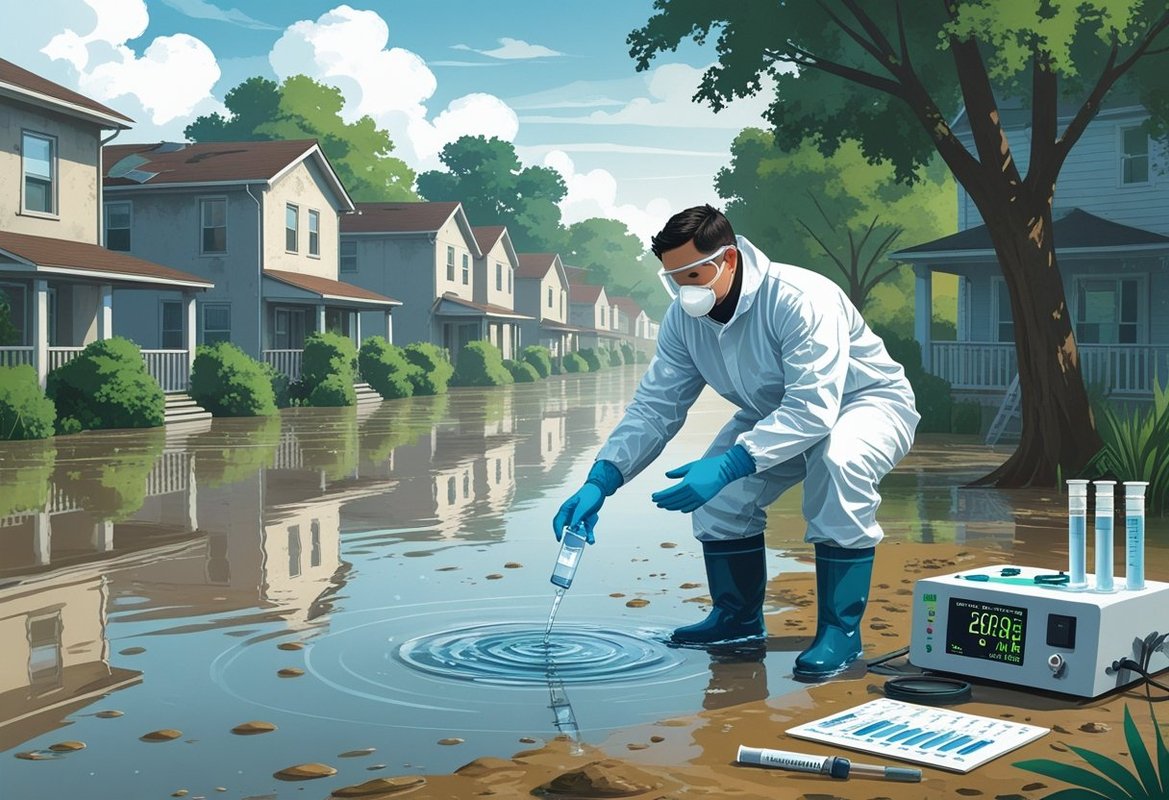
Floodwater from storms or rivers is another big one. When floodwater mixes with soil, sewage, and chemicals, it gets dangerous fast.
Other sources? Water that’s been sitting for days, or water coming from industrial or agricultural runoff.
Each situation brings its own set of hazards.
Dangers and Required Precautions
Black water can spread diseases like hepatitis or cause skin infections.
Mold can follow close behind, making things even worse.
Professional remediation is a must.
Precautions include:
- Full protective gear and respirators
- Containing the affected area
- Removing and tossing contaminated materials
- Disinfecting with EPA-approved cleaners
If you try to clean up black water yourself, you risk making things worse.
Trust the pros—especially if you’re dealing with black water in College Park or anywhere around Atlanta.
Why Proper Classification Matters
Getting the water category right guides the cleanup process, keeps people safe, and affects insurance.
It also cuts down on long-term risks to your health and property.
Impact on Restoration Process
Restoration depends on the water type.
- Category 1: Usually just drying and dehumidifying.
- Category 2: Surfaces need cleaning and disinfecting.
- Category 3: Remove everything contaminated.
If you use the wrong approach, you could leave behind bacteria or mold.
That leads to lingering smells, unsafe conditions, and extra costs.
Proper classification lets restoration teams work fast and smart, saving time and money.
It’s the difference between a safe home and one that just looks dry.
Insurance Considerations
Insurance companies care about the water category.
Policies might cover a burst pipe in Dunwoody (Category 1), but not a sewage backup in Stone Mountain (Category 3).
Accurate classification helps with claims.
Restoration pros usually provide a report—category, source, contamination level.
If you get it wrong, your claim might get denied or delayed.
The right records speed up approvals and help you get repairs started sooner.
Protecting Health and Property
Water damage isn’t just about puddles.
Contaminated water brings bacteria, chemicals, and other hazards.
- Gray water can have detergents or food waste.
- Black water often has sewage or dangerous microbes.
Touching or breathing this stuff can make you sick.
Kids, older adults, and folks with health issues are most at risk.
Classification also affects what you can save.
Drywall or carpet soaked with clean water might be salvageable, but black water usually means it all has to go.
Knowing the right category helps you and your restoration team decide what to keep and what to toss.
That way, you avoid hidden problems and keep your property safe for the long haul.
Responding to Water Damage by Category
The way you respond to water damage depends on the water type, how dirty it is, and how fast you act. Jumping in quickly, knowing when to call the pros, and stopping things from getting worse can protect your property and your health.
Immediate Actions to Take
When water damage hits, first try to stop the water at its source. For example, shutting off the main valve after a burst pipe or sump pump problem can save you a lot of trouble.
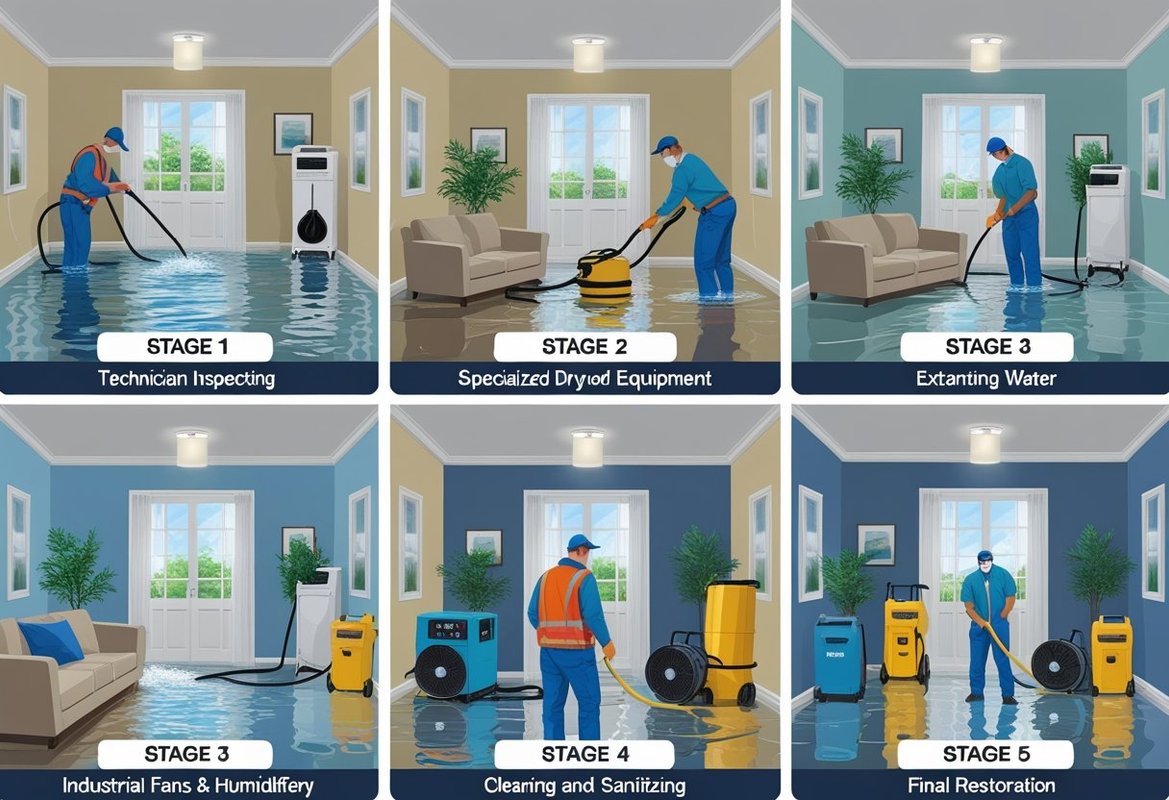
Category 1, or clean water, usually comes from supply lines or appliance leaks. In these cases, grab a wet vac, get rid of standing water, and dry everything out fast to keep mold away.
Category 2, or gray water, can come from a toilet overflow (without sewage) or a washing machine backup. Limit contact with this water. Wear gloves if you have to handle anything that's soaked.
Category 3, or black water, means sewage backups or floodwater. Don't try to clean this up yourself—it's dangerous and needs special handling.
When to Call Professionals
You probably don't need professional help for a small, contained Category 1 leak in Sandy Springs or Decatur, GA. But if water gets into walls, floors, or insulation, it's a different story. Those materials trap moisture and can hide serious problems.
Category 2 situations, like a messy washing machine backup in Marietta, GA, often call for trained technicians. They've got the right gear to remove contaminated water, disinfect, and stop mold or bacteria from spreading.
Category 3 always means calling in the experts. Restoration pros use special containment, industrial disinfectants, and know how to safely get rid of damaged materials. Trying to clean this up yourself? Not worth the risk.
Preventing Escalation Between Categories
Clean water doesn't stay clean forever. If you leave a supply line leak sitting for over 48 hours, bacteria and mold can start growing, bumping up the contamination level.
To keep things from getting worse, folks in Roswell, GA and nearby should:
- Dry everything within 24-48 hours
- Run fans and dehumidifiers to chase off moisture
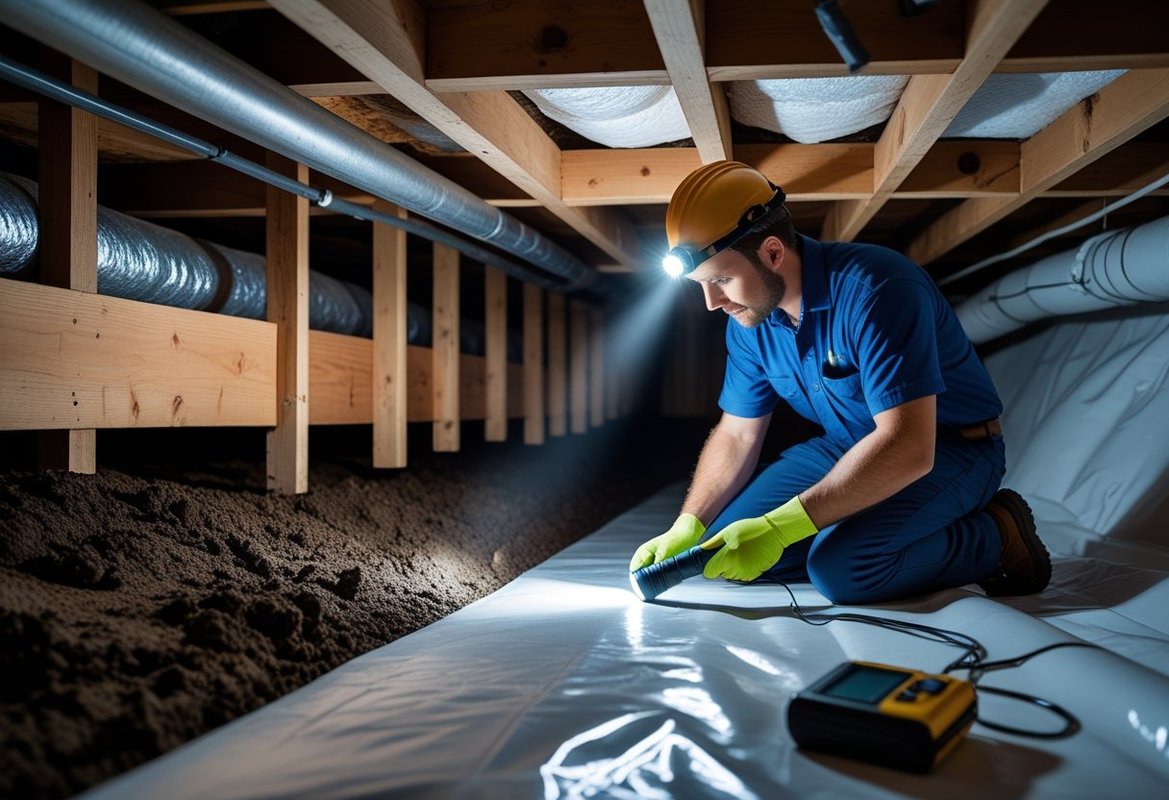
- Look in hidden spots like under floors and behind walls
Acting fast keeps things simpler. Wait too long, and water seeps deeper, making repairs costlier and raising health risks.
Browse [[[[[[[[[[[[[[[[[[water damage restoration companies in Atlanta](https://water-damage-atlanta.com/atlanta/water-damage-restoration)](https://water-damage-atlanta.com/atlanta/water-damage-restoration)](https://water-damage-atlanta.com/atlanta/water-damage-restoration)](https://water-damage-atlanta.com/atlanta/water-damage-restoration)](https://water-damage-atlanta.com/atlanta/water-damage-restoration)](https://water-damage-atlanta.com/atlanta/water-damage-restoration)](https://water-damage-atlanta.com/atlanta/water-damage-restoration)](https://water-damage-atlanta.com/atlanta/water-damage-restoration)](https://water-damage-atlanta.com/atlanta/water-damage-restoration)](https://water-damage-atlanta.com/atlanta/water-damage-restoration)](https://water-damage-atlanta.com/atlanta/water-damage-restoration)](https://water-damage-atlanta.com/atlanta/water-damage-restoration)](https://water-damage-atlanta.com/atlanta/water-damage-restoration)](https://water-damage-atlanta.com/atlanta/water-damage-restoration)](https://water-damage-atlanta.com/atlanta/water-damage-restoration)](https://water-damage-atlanta.com/atlanta/water-damage-restoration)](https://water-damage-atlanta.com/atlanta/water-damage-restoration)](https://water-damage-atlanta.com/marietta/companies) to connect with vetted professionals near you.
Frequently Asked Questions
Water damage isn't all the same. It depends on where the water comes from, how long it's around, and what kind of mess it leaves. All of that impacts safety, property, and what insurance will cover.
What are the differences between Category 1, 2, and 3 water damage?
Category 1 is clean water from things like broken pipes or supply lines.
Category 2, or gray water, has some contaminants—think washing machines, dishwashers, or sump pump failures.
Category 3, or black water, is the worst. We're talking sewage, floodwater, or anything with nasty pathogens.
How does the duration of exposure affect the category of water damage?
Clean water can turn into gray or black water if you let it sit. For example, Category 1 water might shift to Category 2 within 24–48 hours as bacteria starts to grow. Leave it even longer, and it can become Category 3—much harder and riskier to clean up.
What are typical examples of Category 3 water damage?
Category 3 includes sewage backups, toilet overflows with waste, and floodwater from rivers or streams. If water's touched soil, chemicals, or other hazardous stuff, it's Category 3 too. Cleanup here is strict, and you'll probably need to remove affected building materials.
How does insurance coverage vary for different categories of water damage?
Most homeowner policies in the Atlanta, GA area cover sudden, accidental water damage—like burst pipes. But they usually won't cover flooding, sewage backups, or slow leaks unless you've added extra coverage or flood insurance. The water damage category can affect what insurance will pay.
What are the IICRC guidelines for water damage restoration?
The Institute of Inspection, Cleaning and Restoration Certification (IICRC) sets the rules for safe, effective restoration. Their guidelines say you need to figure out the water category, remove standing water, dry everything out, and sanitize contaminated surfaces. Following these standards keeps everyone safer and makes sure the job gets done right.
What safety precautions should be taken during Category 3 water damage restoration?
Workers need to suit up with gloves, boots, masks, and sometimes full-body protective gear.
Crews usually remove contaminated carpet, drywall, and insulation.
They make sure to ventilate the area, disinfect thoroughly, and dispose of hazardous waste properly.
If you're dealing with water damage in Atlanta, GA or nearby areas like Sandy Springs or Marietta, GA, don't skip these steps—it's just not worth the risk.
If you're dealing with water damage right now, see what to do after a basement flood in Atlanta.
Water Damage Atlanta Editorial Team
Restoration & Home Services Expert
We help Atlanta homeowners recover from water damage with trusted advice and local resources.