Understanding The Complete Fire Damage Restoration Process: Key Steps And Best Practices
Fire damage does more than scorch walls and leave smoke stains—it upends daily life and sets off a long recovery. Fire damage restoration is a step-by-step process: assess the damage, make the prop...
Understanding The Complete Fire Damage Restoration Process: Key Steps And Best Practices
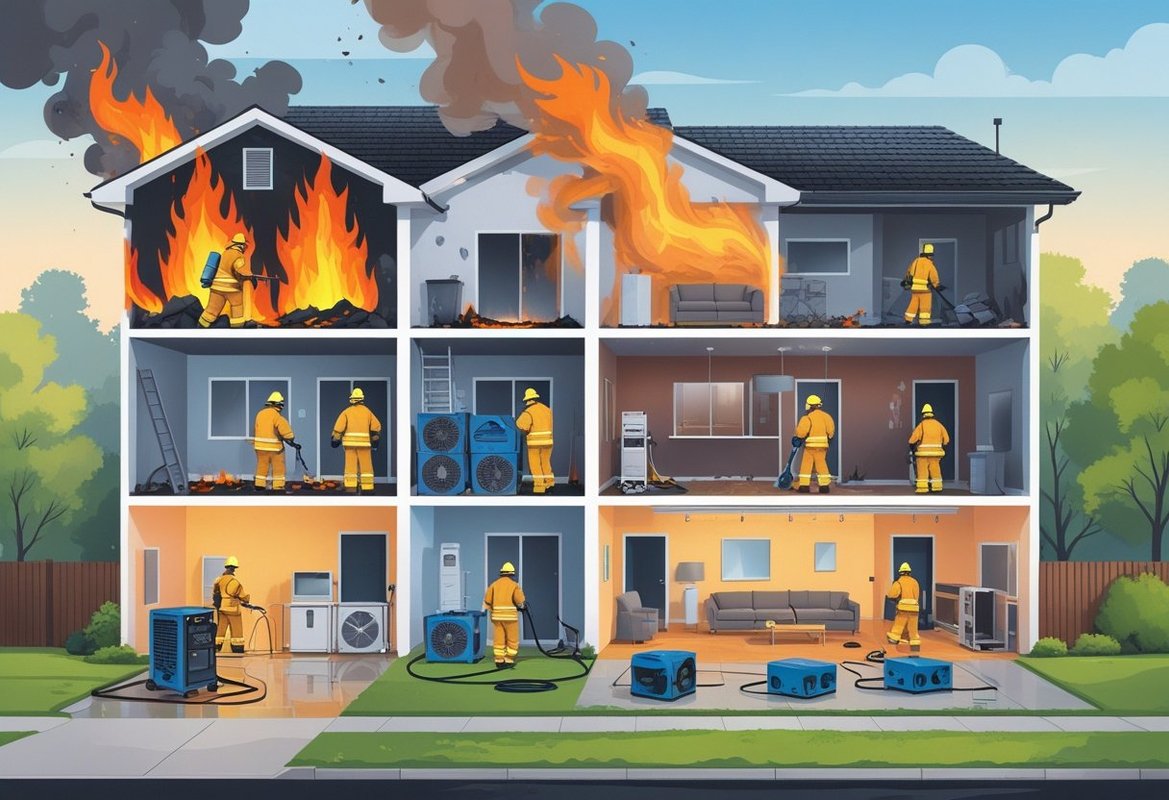
Fire damage does more than scorch walls and leave smoke stains—it upends daily life and sets off a long recovery. Fire damage restoration is a step-by-step process: assess the damage, make the property safe, remove hazards, and rebuild so life can return to normal. If you know what happens at each stage, it’s easier to face the mess and uncertainty ahead, especially here in Atlanta, GA, or nearby spots like Marietta or Sandy Springs.
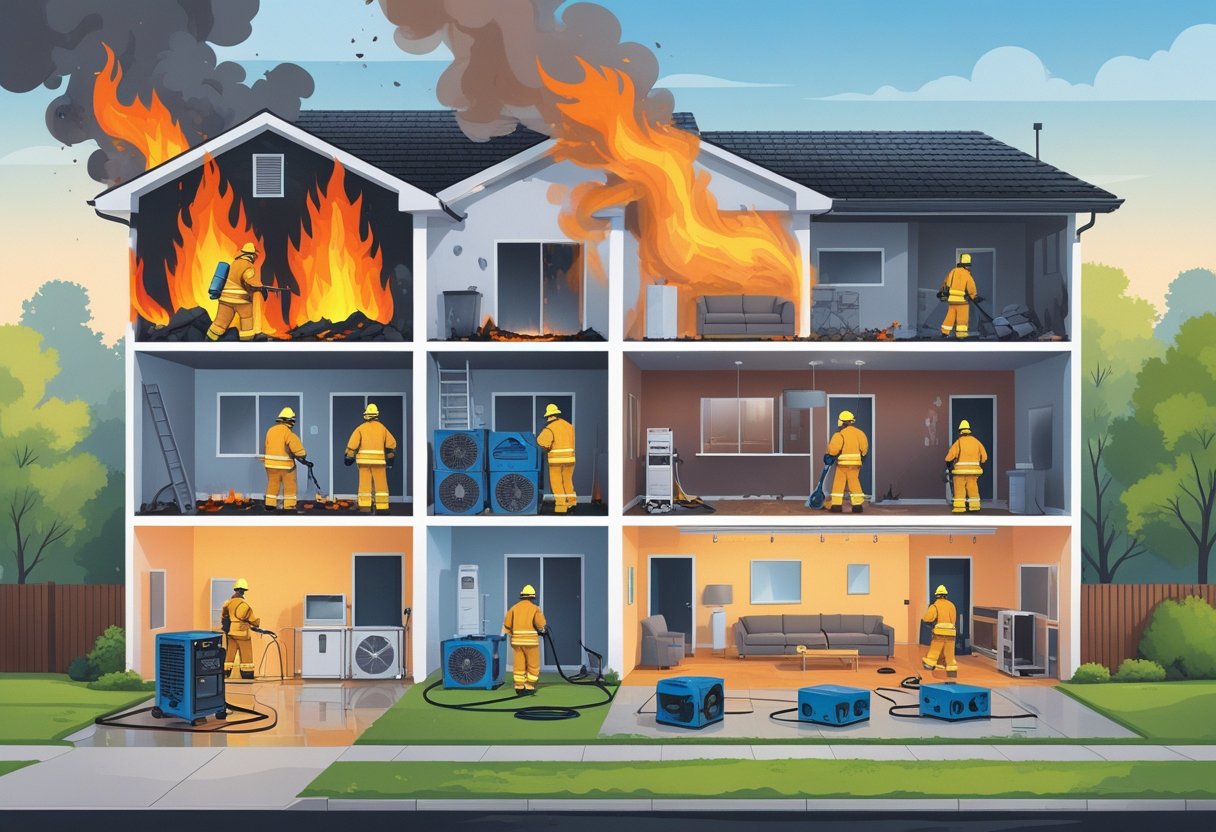
Restoration isn’t just about cleaning up visible messes. It digs into hidden problems like water from firefighting, stubborn smoke odors, and structural issues you might not notice at first glance. Each phase, from the first safety check to the last bit of reconstruction, matters for restoring comfort and safety.
What Is Fire Damage Restoration?
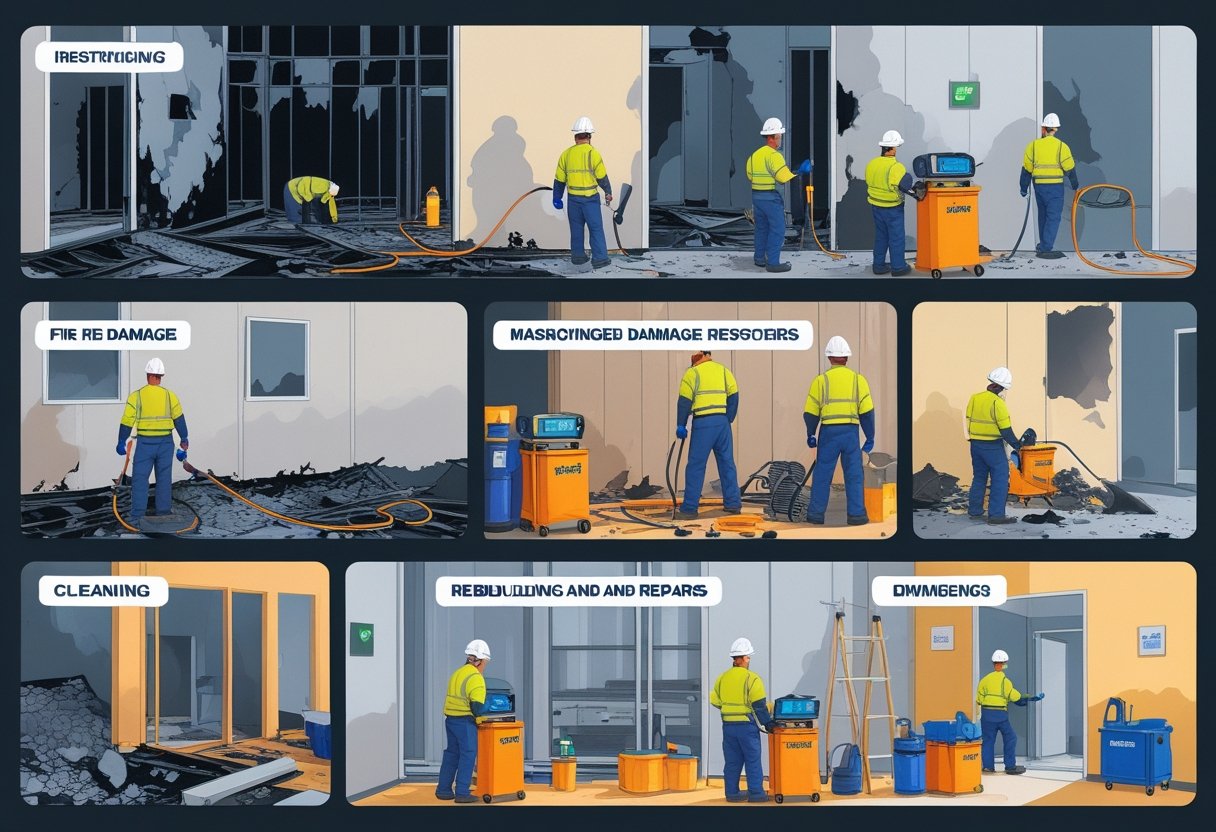
Fire damage restoration means repairing and cleaning up a property after a fire. It tackles visible destruction, hidden smoke issues, and water damage from firefighting. The goal is to make your home or business safe and livable again, as close as possible to how it was before.
Types of Fire Damage
Not all fire damage is the same, and each kind needs its own approach. Structural damage weakens walls, floors, and ceilings. Smoke and soot stain surfaces and leave odors that spread everywhere. Water damage from sprinklers or hoses can lead to mold or rot if you don’t act fast.
Fires also cause secondary damage when smoke byproducts corrode metal, glass, or electronics. This can stain or ruin appliances and fixtures if you wait too long.
Restoration crews use different cleaning tools for each problem. Thermal fogging or ozone treatments can knock out smoke odors, while industrial vacuums and HEPA filters pull soot from the air and surfaces.
Short-Term and Long-Term Impacts
Right after a fire, a property might be unsafe. Risks include unstable structures, smoke, and electrical hazards. Personal items can get worse if they aren’t cleaned or stored quickly.
Long-term, things can get even trickier. Smoke particles can linger, hurting indoor air and making people sick. Mold from water damage can weaken materials and cause health problems.
If you wait too long, costs climb. Stuff that could have been cleaned might need replacing. Tackling both the immediate and lasting effects protects your property and everyone in it.
Initial Assessment and Safety Measures
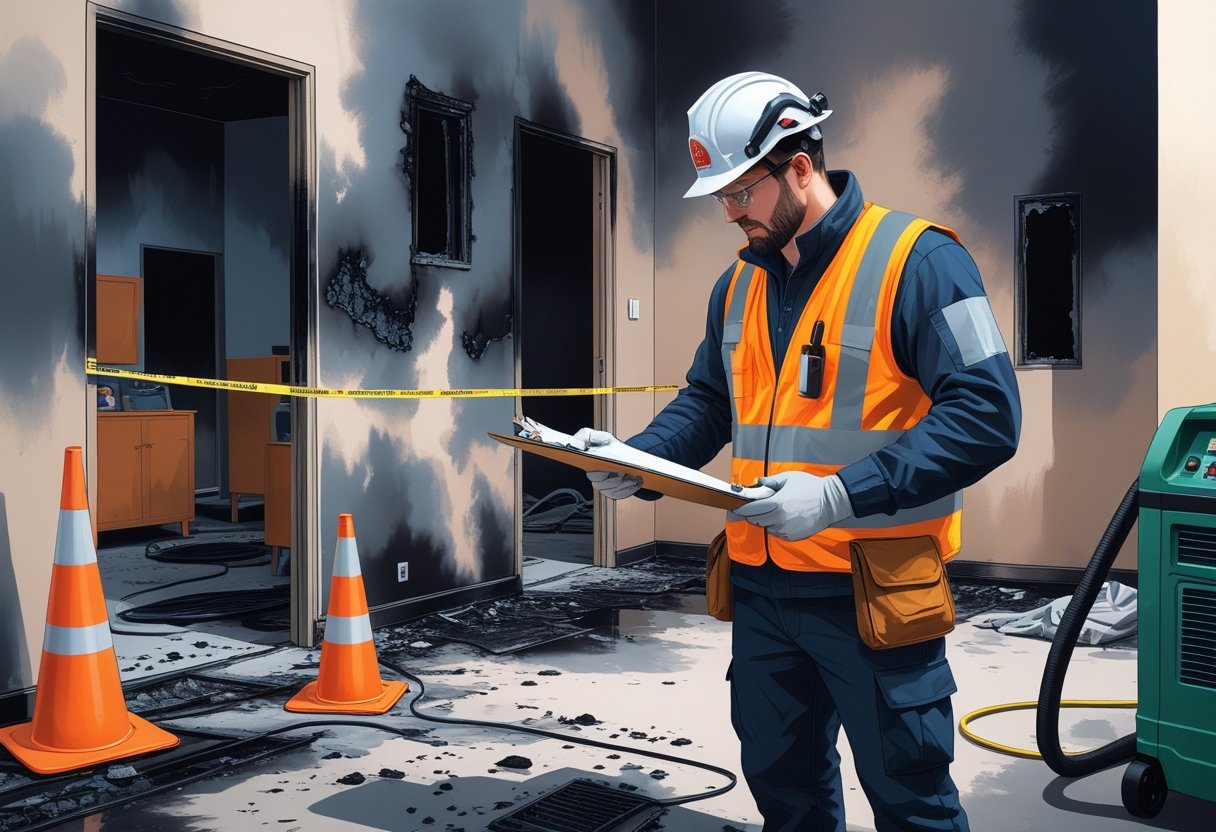
The first step is to figure out how bad the damage is and make sure it’s safe to go inside. Pros look for structural risks, hidden dangers, and anything that could cause more trouble before cleanup starts.
Comprehensive Damage Inspection
Assessment starts with a close inspection. Specialists check if walls, ceilings, and floors are safe. They document fire, smoke, and water damage for planning and insurance claims.
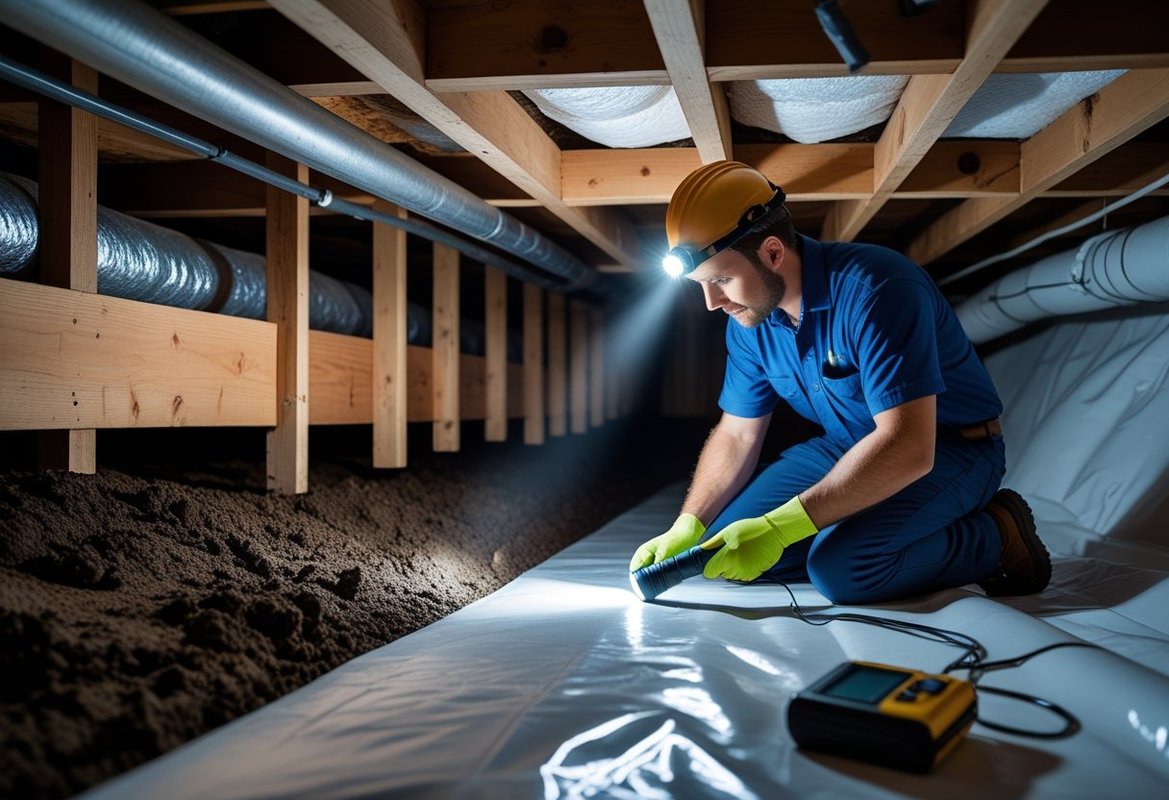
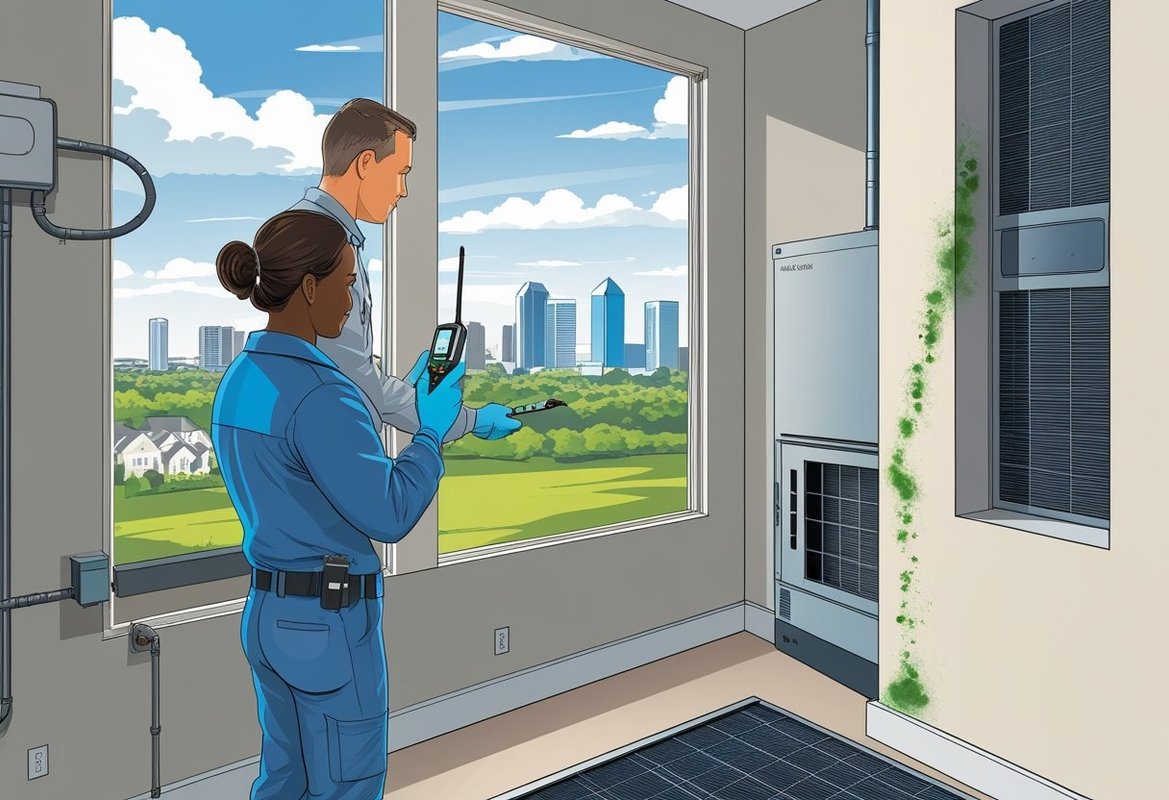
They use tools like moisture meters, thermal cameras, and air quality monitors. These help spot hidden water, smoke, or mold that you can’t see.
They focus on:
- Structural stability: Are load-bearing walls, beams, and the roof solid?
- Utilities: Is the wiring, gas, and plumbing safe?
- Surface damage: Any soot, charring, or corrosion?
A clear inspection report sets the stage for what happens next.
Safety Protocols and Hazard Identification
Safety comes first for both property owners and crews. Workers wear respirators, gloves, and suits to avoid soot, ash, and other hazards.
They check for unstable spots, sharp debris, and dirty water left behind by firefighters. Crews also test for toxic stuff like asbestos or chemicals from the fire.
Common steps include:
- Shutting off gas, power, and water
- Airing out spaces to reduce smoke and fumes
- Keeping people out of unsafe zones
Dealing with these hazards early lets crews work without extra risks.
Securing and Stabilizing the Property
The next move is to protect the building from more damage and keep it stable. This means covering holes, keeping people out, and making sure nothing gets worse before repairs start.
Board-Up and Tarping
Fires often leave windows busted and roofs with holes. Rain, wind, or animals can get inside and make things worse. Crews board up windows and doors with plywood and use tarps on the roof.
Boarding keeps out weather and moisture. Tarps stop leaks and water damage. These fixes are temporary but crucial until real repairs begin.
They secure boards and tarps with nails or screws, checking for weak spots first. This protects both the building and anything left inside.
Preventing Unauthorized Access
After a fire in Atlanta or Roswell, GA, damaged buildings sometimes attract trespassers or thieves. Open doors or windows make it easy for someone to get hurt or steal things. Crews lock up, board up, and sometimes set up fences or cameras.
They may also post warning signs. This keeps the owner safer from liability and helps control who gets in during restoration.
Securing the site lets insurance adjusters and contractors do their jobs without extra hassle.
Water Removal, Drying, and Dehumidification
Firefighting leaves behind a lot of water. Restoring a property means getting rid of all that moisture, drying everything out, and stopping mold before it starts.
Water Extraction Techniques
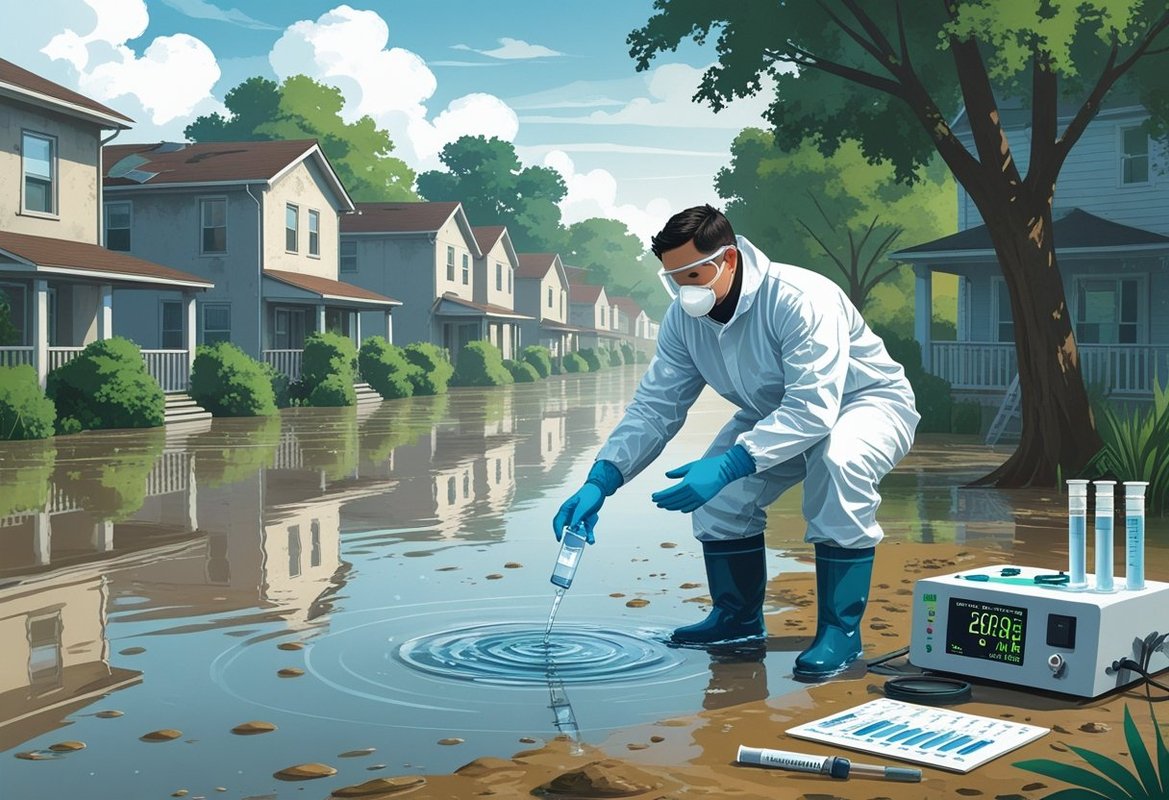
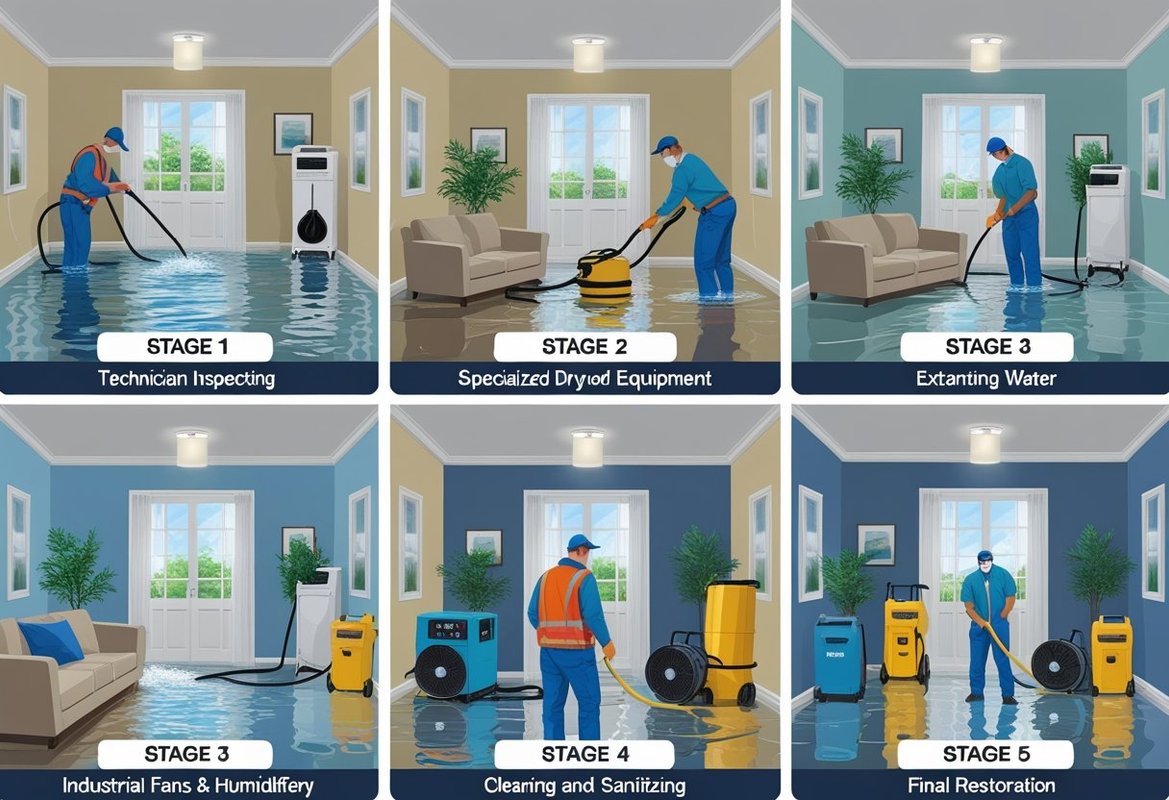
Water removal starts as soon as it’s safe to go in. Standing water can wreck floors and ceilings, so pros use pumps and wet vacuums to get it out fast.
Submersible pumps handle big puddles, while wet vacuums take care of smaller or hard-to-reach spots. Carpets and furniture often need to be removed—they hold a ton of water and can get ruined if left damp.
Getting water out quickly helps avoid hidden problems down the line.
Drying Procedures
Even after water’s gone, wood, drywall, and floors can still be wet inside. Air movers push air across surfaces to speed up drying.
Moisture meters and thermal cameras help track progress and spot damp spots you’d otherwise miss. If you skip this step, moisture can hide in walls or under floors and cause headaches later.
Dehumidification Strategies
Dehumidifiers pull extra moisture from the air. Refrigerant types work best in warm spaces, while desiccant models handle cooler or drier rooms.
Keeping humidity balanced is key. Too much moisture slows drying and lets mold grow. Dehumidifiers help get the job done faster and more thoroughly.
Mold Prevention
Mold can start growing within a day or two if things stay damp. Crews remove all water, dry everything, and run dehumidifiers.
They often treat surfaces with antimicrobial sprays to keep mold spores from spreading. Regular checks during restoration help catch any growth early.
Smoke and Soot Remediation
Smoke leaves behind tiny particles and strong smells that can damage property and health. Restoration means removing soot, getting rid of odors, and using special equipment to clean the air.
Soot Removal Methods
Soot settles fast—on walls, ceilings, furniture, and fabric. It can stain or corrode if not cleaned right.
Dry soot comes off with HEPA vacuums or dry sponges. Oily soot needs solvents or detergents. Kitchen fires often leave protein-based soot, which is sticky and smelly—this takes extra work.
Techs test surfaces first and use the right tools to avoid making things worse.
Smoke Odor Elimination
Smoke odors stick around because particles get deep into porous stuff like drywall or carpet. Cleaning alone isn’t enough.
Teams use odor counteractants, sealants, and deep cleaning for fabrics. HVAC systems get cleaned to stop smoke from circulating again. Sometimes insulation or ceiling tiles need replacing.
They may also seal wood and drywall to lock in any lingering smells.
Thermal Fogging and Ozone Treatments
Thermal fogging sends deodorizing fog into cracks and pores, reaching places regular cleaning can’t. It’s useful for smoke trapped in wood framing or hidden spots.
Ozone treatments use gas to neutralize odors. Pros use ozone generators in sealed spaces, but you have to be careful—ozone isn’t safe for people or pets in high doses.
These advanced techniques are often combined with surface cleaning for best results. Which one to use depends on the fire and the materials involved.
Air Scrubbing Technology
Air scrubbers pull contaminated air through HEPA filters, trapping soot and smoke particles. Some units also have activated carbon filters for odors and gases.
Industrial air scrubbers run constantly during restoration, especially in big or badly damaged areas. Portable ones get used for smaller spaces.
Air scrubbing matters because soot and smoke can float in the air for weeks. Filtering the air helps prevent cleaned surfaces from getting dirty again and keeps the environment safer for everyone.
Cleaning and Sanitization
After a fire, soot, smoke residue, and harmful particles stick around. Proper cleaning and sanitization remove these contaminants, restore surfaces, and make the place safe to live or work in again—whether you’re in Buckhead, Decatur, or anywhere else around Atlanta.
Surface Cleaning
Surfaces hit by fire and smoke usually end up coated in soot, ash, and oily residue. If you don’t get rid of these quickly, they can stain walls, ceilings, and floors.
Cleaning starts with dry methods like vacuuming or brushing. This helps lift loose particles without spreading them around.
After that, wet cleaning comes into play. Water-based or special solutions tackle the sticky stuff stuck to surfaces.
Non-porous surfaces like tile or glass respond well to scrubbing. Porous materials such as drywall might need to be replaced if the damage goes deep.
Technicians pay close attention to hidden spots—vents, cabinets, behind appliances. Smoke travels way farther than most folks realize, so a thorough inspection is a must.
If you’re getting fire cleanup in Sandy Springs, GA, make sure your crew checks everywhere smoke could have crept.
Use of Industrial-Grade Cleaners
Restoration pros rely on industrial-grade cleaners to get rid of contaminants that regular household products just can’t handle. These powerful cleaners break down soot, neutralize corrosive stuff, and kill bacteria that can pop up after firefighting.
Different problems call for different formulas:
- Degreasers tackle oily soot, especially in kitchens.
- Disinfectants sanitize surfaces exposed to water or moisture.
- Odor neutralizers help knock out lingering smoke smells.
Using these products safely takes training. If you use them wrong, they can damage surfaces or leave behind chemicals you don’t want around.
Restoration teams always wear gloves and respirators for protection. Industrial cleaners help bring back both the look and safety of your property, especially if you’re in areas like Decatur, GA.
Content Cleaning and Restoration
Personal belongings can get hit hard by smoke and soot, even if flames never touched them. Things like clothing, furniture, and electronics need special care to remove residue without causing more harm.
Soft items—clothes, bedding—might go through ozone treatment or thermal fogging to get rid of odors. Hard stuff, like dishes or tools, often gets cleaned with ultrasonic machines that use sound waves to shake particles loose.
Restoration crews sort your stuff into three categories:
- Cleanable items that can be fully restored.
- Partially damaged items that might be saved with advanced techniques.
- Unsalvageable items that need to be tossed.
This approach helps save what matters most while keeping your home in Roswell, GA safe and free of contaminants.
Structural Repairs and Reconstruction
Restoring a fire-damaged property takes careful inspection, targeted repairs, and rebuilding that follows safety codes. Each step makes sure your place is stable and ready for use again.
Structural Damage Assessment
Pros start by checking the foundation, walls, floors, and roof for cracks, warping, or weakened supports. Even a small shift in framing or masonry can threaten the whole building.
They also look for hidden damage. Fire often hurts what’s inside the walls—beams, insulation, wiring. Water from firefighting can weaken wood and corrode metal.
Assessment usually includes:
- Visual inspection of key structural parts
- Moisture testing to spot water damage
- Engineering evaluation to clear the building for repairs
Getting this right guides the whole repair plan and keeps things safe.
Remedial Construction
Once they know what’s damaged, crews pull out anything that can’t be saved—charred framing, collapsed drywall, ruined floors. Safety codes mean all damaged areas have to be replaced with approved materials.
Contractors reinforce or rebuild critical supports. They might put in new beams, swap out roof trusses, or pour fresh concrete where fire cracked the foundation.
Common tasks include:
- Framing replacement to restore strength
- Roof and floor reconstruction for stability
- Wall rebuilding with fire-resistant materials
Every repair has to meet local building codes. If you’re in Marietta, GA, make sure your contractor knows the local requirements.
Final Finishing and Restoration
Once the main structure is solid, crews turn to making the place livable again. This means fixing both the inside and outside.
Work often includes new drywall, fresh flooring, and insulation. Damaged electrical and plumbing systems get repaired or replaced. Crews seal and paint surfaces to cover smoke odors and stains.
Finishing touches might involve:
- Installing cabinets and fixtures
- Cleaning or replacing HVAC systems
- Restoring exterior siding and roofing
This phase turns the repaired shell into a real home again, ready for move-in.
Insurance Claims and Documentation
Keeping good records after a fire helps prove your losses and speeds up insurance claims. Clear communication with your insurer is key.
Documenting Damage for Claims
Right after a fire, start recording the damage. Take wide and close-up photos of every affected area—walls, ceilings, floors, and your stuff. Videos can help show the full scope.
Make a detailed inventory. List each damaged item, what it cost, when you got it (if you know), and what it’s worth now. Hang onto receipts, invoices, and warranties to prove ownership.
Keep everything organized in one folder. A simple table helps track things:
| Item | Description | Purchase Date | Estimated Value | Condition After Fire |
|---|---|---|---|---|
| Sofa | Leather, 3-seat | 2019 | $900 | Smoke and water damage |
| Laptop | 15-inch, Dell | 2021 | $1,200 | Burned beyond repair |
Good documentation can prevent arguments about what was lost.
Working with Insurance Providers
Once you’ve got your records, contact your insurance company right away. Most policies require quick notice, and waiting could mess up your coverage.
The insurer will send an adjuster to check the property and review your claim. Show them your organized evidence—photos, lists, receipts. Keep copies of all emails and letters for your own records.
Insurance companies sometimes want several repair estimates. Get quotes from licensed contractors to make sure you’re not short-changed. If you and the adjuster disagree, you can ask for a re-inspection or bring in a public adjuster.
Staying in touch with your insurer keeps things moving and improves your chances of a fair payout, whether you’re in Alpharetta, GA or anywhere else nearby.
Browse fire damage restoration companies in Atlanta to find certified specialists near you.
Frequently Asked Questions
Fire restoration has a bunch of steps that focus on safety, damage checks, cleaning, and rebuilding. Pros use specific methods to handle fire, smoke, and water damage, all while following industry standards to make your property safe again.
What are the initial steps taken by a fire restoration company?
First, crews check for safety—looking at structural stability and hazards. Then they secure the property, boarding up windows or covering damaged roofs to keep out the elements. After that, they assess fire, smoke, and water damage and put together a restoration plan.
What does a typical fire damage restoration checklist include?
A checklist usually covers safety checks, debris removal, smoke and soot cleanup, odor control, drying and dehumidification, and structural repairs. It also includes documentation for insurance. Each step makes sure both visible and hidden damage gets addressed.
How is smoke damage assessed and treated during restoration?
Pros inspect walls, ceilings, floors, and vents for soot and odor. They use special cleaning agents and equipment to remove residue. Air scrubbers, ozone treatments, or thermal fogging help knock out lingering smoke smells.
What should homeowners expect during the restoration process after a fire?
Expect a detailed inspection, followed by cleanup, drying, and repairs. The whole thing might take weeks, depending on how bad the damage is. Staying in touch with your restoration team helps you track progress and clear up any questions.
How do professionals handle both fire and water damage in a property?
Teams start by removing standing water left from firefighting. Then they dry everything out with dehumidifiers and air movers to prevent mold. Once it’s dry, they move on to soot removal, odor treatment, and repairs. If you’re in the Atlanta, GA area, make sure your restoration company specializes in both fire and water damage.
What are the guidelines for ensuring proper repair of fire and smoke damage?
Start by following local building codes and safety rules. If something's damaged beyond saving, just replace it.
Clean and restore anything that's still good. For peace of mind, get an independent inspection and keep clear records.
If you're in the Atlanta, GA area—maybe Sandy Springs or Decatur—make sure your contractor knows the local requirements.
If water damage was involved, also read what to do after water damage in Atlanta.
Water Damage Atlanta Editorial Team
Restoration & Home Services Expert
We help Atlanta homeowners recover from water damage with trusted advice and local resources.