What Do Your Mold Testing Results Actually Mean? A Plain-English Guide
Mold test results can seem overwhelming—lots of numbers, strange species names, and technical jargon. But those reports actually tell you if mold levels are normal or if there’s a real problem in y...

What Do Your Mold Testing Results Actually Mean? A Plain-English Guide
Mold test results can seem overwhelming—lots of numbers, strange species names, and technical jargon. But those reports actually tell you if mold levels are normal or if there’s a real problem in your home.
Mold testing results show what kind of mold is present, how many spores are there, and whether those levels might affect your indoor air quality.

Understanding these results matters because mold hides out of sight—behind walls, under floors, or in tucked-away corners. A report helps you pinpoint not just the mold, but also the conditions causing it.
Knowing how to read spore counts and species gives you what you need to decide your next move. If you're in Atlanta, GA or places like Marietta or Decatur, this is especially important since humidity can make things worse.
Mold exposure can mess with your comfort, trigger allergies, or make existing health problems worse. Learning how to interpret your results helps you take action and keep mold from coming back.
Understanding Mold Test Results

Mold test results are packed with numbers, terms, and comparisons that may look confusing. Breaking things down makes the reports a lot more useful.
Key Components of a Mold Report
A mold report usually comes from a lab that analyzed air or surface samples. It lists mold species, spore counts, and the concentration of spores per cubic meter (spores/m³).
These numbers show if your mold levels are normal or unusually high. Most reports also give a raw count—the actual spores seen under the microscope—then convert that to a concentration so you can compare samples more easily.
Reports break down findings by room or sample location, like the living room, basement, or even outdoors. This makes it easier to spot problem areas in your Atlanta home.
Common Terminology Explained
You’ll see terms like spore count (number of spores in a sample), raw count (the direct number seen on the slide), and spores/m³ (estimated spores in a cubic meter of air).
Mold is listed by genus (broad group) or species (specific type). Common genera include Aspergillus, Penicillium, Cladosporium, and Stachybotrys. Some mean water damage, others are just common outside.
You might also see background debris or trace—these just mean there’s non-mold stuff in the sample or very low spore levels.
How to Compare Indoor and Outdoor Results
Indoor mold levels are usually compared to an outdoor sample. This helps you see if what’s inside is typical or if there’s a hidden issue.
If outdoor Cladosporium is 1,000 spores/m³ but indoors it’s only 200, that’s fine. But if Aspergillus/Penicillium is 50 outside and 800 inside, you’ve probably got hidden growth somewhere.
If an unusual species like Stachybotrys turns up inside but not outside, there’s likely a moisture problem that needs checking out.
Types of Mold Testing Methods

Mold testing uses different methods to detect spores, measure how many there are, and find problem spots. Each approach brings something different to the table.
Air Sampling and Air Quality Testing
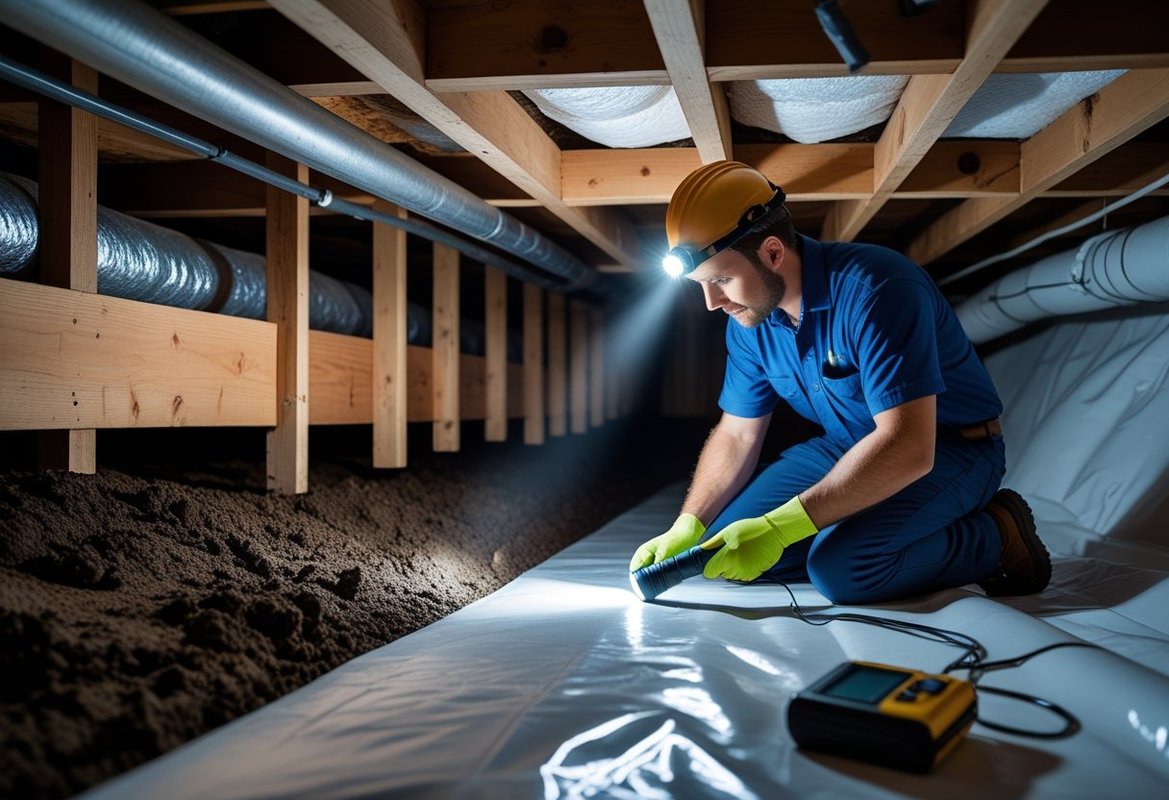
Air sampling measures what’s floating around in the air. It helps spot mold you can’t see.
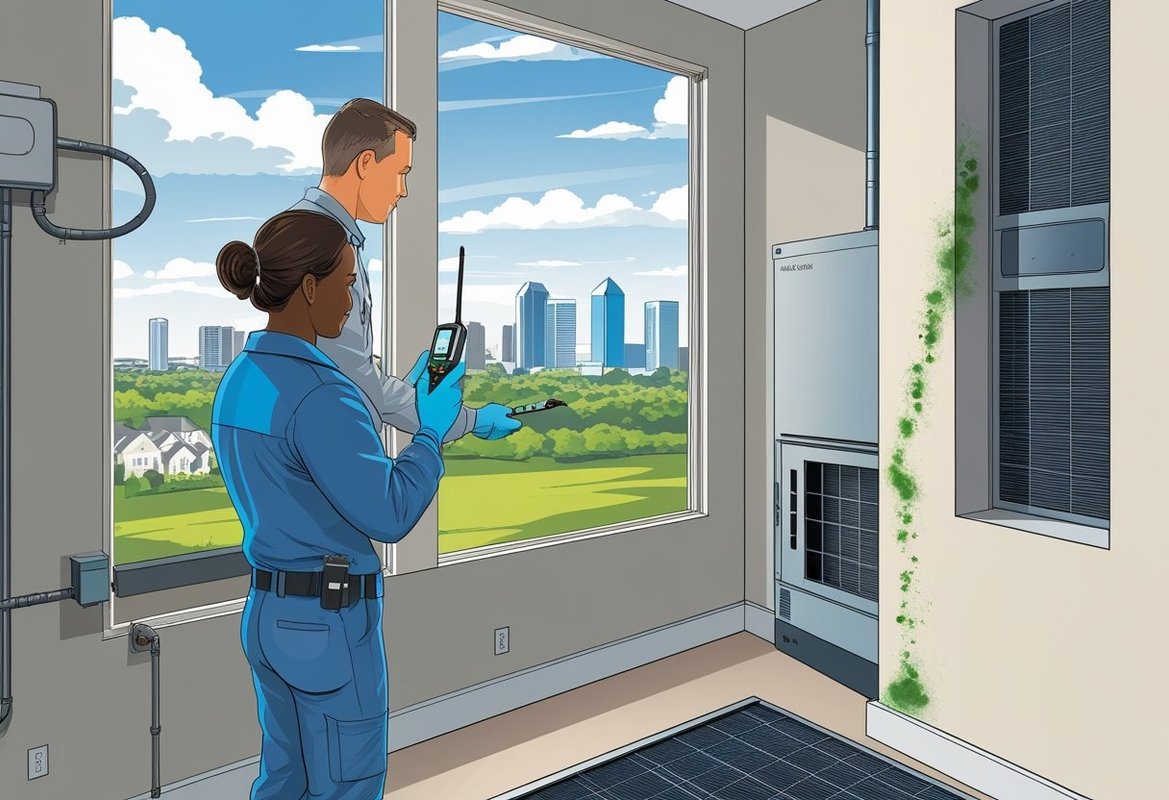
Inspectors compare indoor and outdoor air to see if your home’s levels are high. Results show up as spores per cubic meter, giving you a snapshot of what you’re breathing.
Quick facts about air sampling:
- Finds airborne spores you might not see
- Good for comparing inside vs. outside
- Results can change based on time of day or what’s happening in the room
Air sampling alone doesn’t always reveal where the mold is hiding. It works best with other tests and a walk-through inspection.
Surface Sampling Techniques
Surface sampling checks for mold growing on things like walls or furniture. Inspectors use swabs, tape lifts, or plates to collect samples, then send them to a lab.
It’s handy when you see a suspicious spot and want to know if it’s really mold. Also helps figure out if a stain is mold or just dirt.
Common surface sampling tools:
- Swab tests for rough or odd-shaped surfaces
- Tape lifts for flat spots like drywall
- Contact plates for smooth areas with visible mold
Surface sampling tells you what’s growing on the material, but not how much is in the air. That’s why it’s often paired with air testing.
Bulk Sampling Procedures
Bulk sampling means cutting out a chunk of material—like drywall or carpet—that might have mold. The lab checks it out in detail.
This method gives you direct proof of mold inside building materials. It also shows how deep the mold goes and if you need to replace stuff.
Why use bulk sampling?
- Confirms mold inside porous materials
- Gives detailed lab results
- Helps decide on repairs or removal
Bulk sampling is more invasive. Inspectors use it when they suspect water damage or other tests aren’t clear.
ERMI Test and Advanced Methods
The ERMI (Environmental Relative Moldiness Index) test uses DNA analysis to identify mold species in dust. It gives a detailed profile compared to national averages.
ERMI looks at long-term exposure by analyzing settled dust—helpful for spotting past water damage or recurring mold that air tests might miss.
Some inspectors use thermal imaging to spot hidden moisture behind walls or floors. It’s not a mold test, but it points to where you should sample.
Benefits of ERMI and advanced methods:
- DNA-level mold identification
- Shows long-term exposure through dust
- Thermal imaging helps find hidden moisture
These are typically used for tough cases—chronic health complaints or stubborn mold issues—when standard tests don’t cut it.
Interpreting Mold Species and Spore Counts
Mold test reports list both the types of mold found and how many spores are present. This info helps you figure out if your levels are normal or if you need to worry.
Significance of Different Mold Types
Not all molds are equally risky. Some are common outdoors and usually harmless inside. Others, like Stachybotrys or Chaetomium, suggest water damage or poor air quality.
Common indoor molds:
- Cladosporium – often on wood, fabrics, or HVAC systems
- Penicillium – linked to water-damaged stuff like wallpaper
- Aspergillus – shows up in dust, soil, or damp spots
Stachybotrys (black mold) and Chaetomium often grow on water-damaged drywall or wood. Their presence usually means there’s a moisture issue that needs fixing.
Alternaria is more common outdoors but can show up indoors if there’s a leak or condensation.
Knowing which species are present helps you tell if it’s just background mold or a sign of active moisture.
Assessing Spore Concentrations
Spore counts show how many mold spores are in the air or on surfaces. Compare your indoor numbers to outdoor ones to see if you’ve got a problem.
Air samples often use spores per cubic meter (spores/m³). For example, 200 spores/m³ of Cladosporium indoors is usually fine, but 2,000 inside versus 100 outside? That’s a red flag.
High spore counts of water-damage molds like Stachybotrys or Chaetomium matter—even small amounts indoors can mean hidden growth.
Look at both the total count and the types of mold. Lots of outdoor molds inside might just mean poor ventilation or a moisture leak.
Understanding Raw Count vs. Spores per Cubic Meter
Labs might report a raw count or spores/m³. Both show the same info, just in different ways.
- Raw count – number of spores seen under the microscope
- Spores/m³ – adjusts the raw count for the air volume sampled
A raw count of 10 spores could be 500 spores/m³ if the air sample was small. Bigger samples mean lower spores/m³ for the same raw count.
Raw counts can’t be compared across different samples, but spores/m³ lets you compare rooms or check against outdoor air.
Both formats help, but spores/m³ is better for checking indoor air quality.
Health Implications of Mold Exposure
Mold affects people differently. Some folks barely notice, while others get hit with allergies or worse—especially if they’ve already got health issues.
Allergic Reactions and Asthma
Mold is a strong allergen. Breathing in spores can trigger sneezing, watery eyes, stuffy nose, or skin irritation. It feels like seasonal allergies, but it won’t go away if the mold sticks around.
If you have asthma, mold can make things a lot worse—wheezing, coughing, and shortness of breath. Poor air quality in Atlanta homes, especially those with old HVAC systems, doesn’t help.
Doctors usually say to lower humidity, improve ventilation, and get rid of visible mold. Sometimes you’ll need medicine like inhalers or antihistamines to keep symptoms in check.
Mycotoxins and Toxic Mold Risks
Some molds make mycotoxins—chemicals that can be harmful in certain amounts. Not all molds do this, and the risk depends on how much mold is there, the type, and how long you’re exposed.
Mycotoxins might cause fatigue, headaches, or skin and eye irritation. Serious problems are rare and usually need long-term, high-level exposure. Honestly, the science is still catching up.
Just finding mold doesn’t mean you’re dealing with toxic exposure. You may need more testing and a pro’s opinion to know if mycotoxins are an issue.
Vulnerable Populations and Sensitivities
Some groups are more likely to have health problems from mold. Kids, seniors, and people with weak immune systems react more strongly to spores.
Anyone with asthma or COPD faces higher risks—just a little mold can trigger breathing troubles. Folks with sensitivities might notice symptoms even at low levels.
For them, prevention is key. That means controlling humidity, using air filters, and removing anything contaminated—especially in Atlanta, where damp basements are common.
Identifying Causes of Mold Growth
Mold usually pops up when there’s too much moisture, poor air flow, and surfaces that let spores settle. Water damage, high humidity, and hidden damp spots are the main culprits—especially in Atlanta, GA neighborhoods like Sandy Springs or East Point, where older homes might have leaks or basement issues.
Moisture Issues and Water Damage
Water damage is a top reason for indoor mold. Leaks from roofs, plumbing, or appliances bring constant moisture that seeps into walls, ceilings, and floors.
Even a small leak can cause enough dampness for mold to start growing if you don’t catch it early.
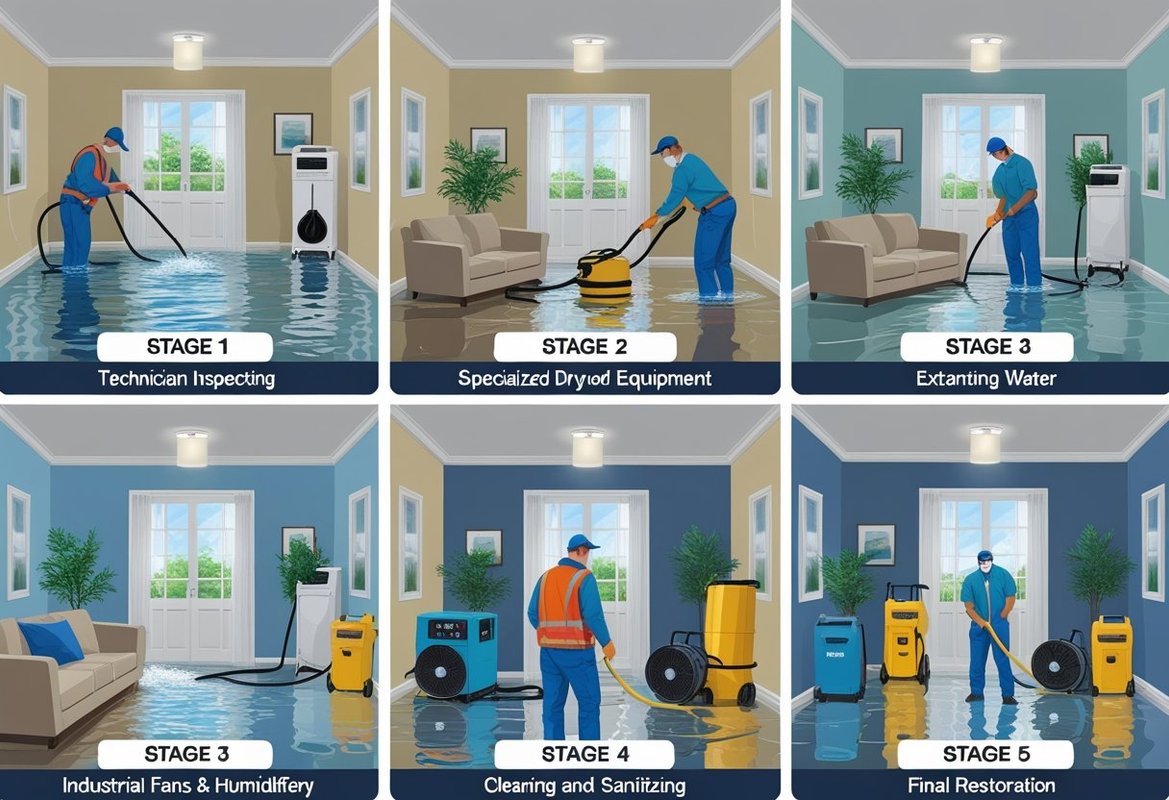
Flooding creates high-risk conditions too. Materials like drywall, carpet, and insulation soak up water fast and can stay wet for days.
This lingering moisture gives mold spores the perfect place to multiply.
Homeowners around Atlanta, GA should watch for stains, warped spots, or that unmistakable musty smell as early warnings. Regular checks of plumbing, roof shingles, and basement corners help catch hidden moisture before it gets out of hand.
Key sources of water damage include:
- Roof leaks
- Burst or leaking pipes
- Appliance malfunctions (washing machines, dishwashers, water heaters)
- Flooding or drainage problems
Role of Humidity and Indoor Conditions
Humidity inside your home matters a lot. Mold loves it when relative humidity stays above 60%.
Bathrooms, kitchens, and basements in places like Smyrna, GA or Decatur, GA often have higher moisture and become trouble spots.
Condensation is another culprit. Warm air hitting cold windows or poorly insulated walls leaves behind damp spots.
Over time, these can turn into mold colonies—even if you don’t see any leaks.
A cheap hygrometer can track humidity for you. Dehumidifiers, AC, and decent insulation help keep things in check.
Try to keep indoor humidity between 30–50% to make life harder for mold.
Poor Ventilation and Hidden Mold
Poor ventilation traps moisture indoors. Attics, crawl spaces, and closed-off rooms—especially in older homes around Roswell, GA—often end up with hidden mold.
Bathrooms and kitchens without exhaust fans are especially vulnerable.
Hidden mold likes to grow behind walls, under floors, or inside HVAC systems. You might not see it, but it can still send spores into the air.
If you notice musty smells, unexplained allergies, or asthma getting worse, hidden mold might be the reason.
Better ventilation really helps. Exhaust fans, air purifiers, and keeping up with HVAC maintenance all boost airflow.
Crack a window when the weather’s nice, and you’ll help regulate air and moisture.
What to Do After Receiving Your Mold Test Results
Mold test results usually point to the source of moisture, the amount of contamination, and whether you need pros to step in.
When to Seek Professional Remediation
If you find mold covering more than 10 square feet, the EPA says it’s time to call a licensed mold remediation company.
Big areas often mean there’s hidden damage in walls, ceilings, or HVAC systems—stuff homeowners in Sandy Springs, GA just can’t tackle safely.
If your test finds toxic molds like Stachybotrys chartarum (black mold), don’t mess around. These release mycotoxins that can really mess with your lungs and make allergies or asthma worse.
A good remediation company starts with a full inspection to find every spot that’s affected.
They’ll set up barriers, use HEPA vacuums, and treat surfaces with antimicrobial sprays to get rid of mold and keep spores from spreading.
Pros also handle throwing out contaminated drywall, carpet, or insulation. Skip this, and mold can come right back.
Improving Indoor Air Quality
Even after you remove mold, some spores can linger in the air. Running HEPA air purifiers in bedrooms and living rooms helps trap particles that regular filters miss.
Ventilation is still key. Use exhaust fans in kitchens and bathrooms or open windows when you can.
Keep up with HVAC maintenance. Change filters every 1–3 months and get the ducts cleaned if needed to stop mold from building up inside.
Controlling moisture is huge for air quality. Using a dehumidifier to keep humidity between 30–50% makes it tougher for mold to return.
Preventing Future Mold Problems
Mold testing doesn’t mean much if you don’t fix the root cause. Leaks, condensation, and poor ventilation are the usual suspects.
Repair roof leaks, seal up plumbing joints, and insulate cold spots to stop problems before they start.
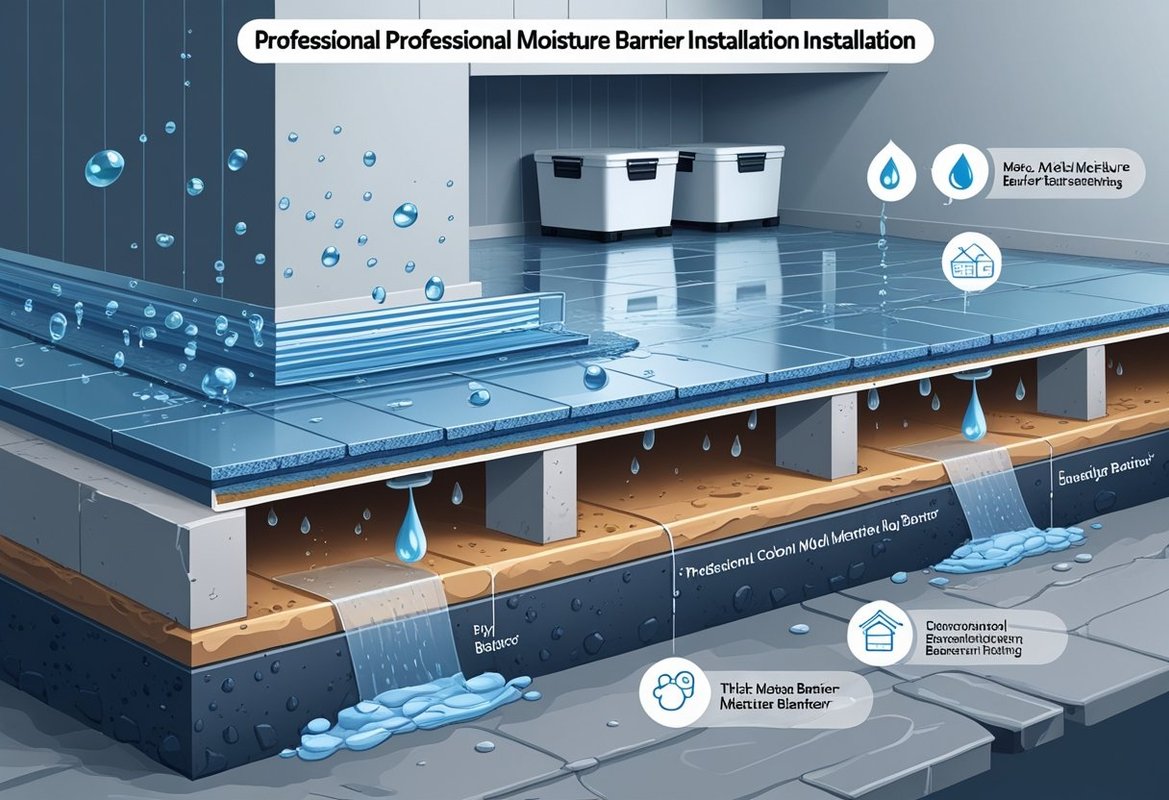
Basements and crawl spaces—especially in places like Alpharetta, GA—need vapor barriers and sump pumps to keep moisture out. Check these spaces regularly so water doesn’t sneak in.
If you live in a humid area or have had mold before, get annual mold inspections. Catching it early saves time and money.
Simple habits help too. Dry wet clothes fast, wipe down shower walls, and store stuff in airtight bins to keep mold from coming back.
When you're ready to hire, browse vetted certified mold remediation companies near Atlanta to find certified specialists.
Frequently Asked Questions
Mold test results usually include spore counts, mold types, and a comparison to outdoor samples. Knowing what these mean can help you spot abnormal mold growth.
How can I determine if the mold levels in my home are safe?
There’s no magic number for “safe” mold. Instead, compare your indoor results with outdoor samples and check what you see or smell.
If indoor counts are way higher than outdoor, that’s a red flag.
What do the different mold spore count ranges indicate about my indoor environment?
If your indoor levels are low or about the same as outdoor, that’s normal.
Moderate elevations suggest you should check for moisture problems. High or dominant indoor counts mean you’ve probably got active mold that needs attention.
What are the EPA guidelines for acceptable mold levels in residential properties?
The EPA doesn’t set a specific number for mold in homes. If you spot visible growth or smell mustiness, deal with it.
Focus on removing moisture and cleaning up, not hitting a certain spore count.
How should I interpret the results from my at-home mold test kit?
At-home kits can tell you if mold spores are present, but they don’t always show if it’s a real problem.
Without comparing to outdoor air, results can be misleading. For real answers, you’ll want lab analysis and expert advice.
What does a typical mold report include, and how do I read it?
A standard report lists mold types, spore counts per cubic meter, and compares indoor to outdoor samples.
You’ll also see notes on sampling methods and what the inspector saw. If you notice high indoor counts or weird mold types, it’s time to take action.
Can you explain the significance of the various types of mold identified in test results?
Not all molds mean the same thing. Some, like Cladosporium, show up indoors at low levels and usually don’t cause much worry, especially since they’re common outdoors around Atlanta, GA neighborhoods like Decatur or Sandy Springs.
But if you see higher levels of molds like Stachybotrys or Chaetomium, that’s a red flag. These molds often point to water damage, maybe from a leak in your Roswell, GA home or a flooded basement in Marietta, GA.
Knowing the specific mold type helps you figure out where it’s coming from and what you need to do next.
For a comparison of testing methods, see DIY mold kits vs. professional [mold testing](https://water-damage-atlanta.com/articles/diy-mold-kits-vs-professional-mold-testing).

Water Damage Atlanta Editorial Team
Restoration & Home Services Expert
We help Atlanta homeowners recover from water damage with trusted advice and local resources.