Understanding Water Contamination Levels in Flood Cleanup and Their Impact on Safety
Floodwater isn't just water. It carries dirt, sewage, chemicals, and all sorts of nasty stuff that can cause real trouble for your health and safety.
Understanding Water Contamination Levels in Flood Cleanup and Their Impact on Safety
Floodwater isn't just water. It carries dirt, sewage, chemicals, and all sorts of nasty stuff that can cause real trouble for your health and safety.
Understanding water contamination levels in flood cleanup guides how you protect people and property.
Not all floodwater is equally dangerous. Some water starts out almost clean but turns unsafe if left sitting, while sewage-filled blackwater is dangerous from the moment it enters your home.
Knowing these differences helps you pick safe cleanup methods and decide when it's time to call in the pros—especially if you’re in the Atlanta, GA area or suburbs like Marietta, GA or Decatur, GA.
Fundamentals of Water Contamination in Flood Cleanup
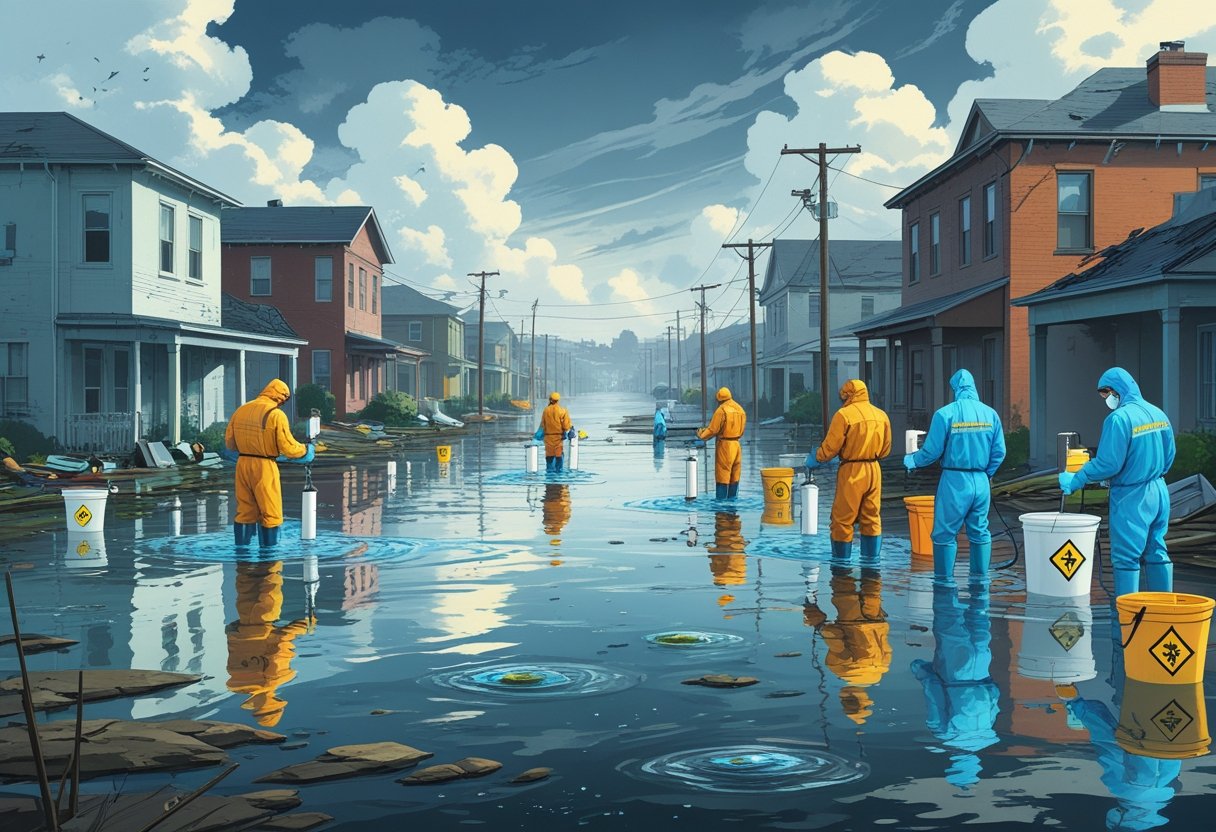
Floodwaters pick up more than just rain. They mix with sewage, chemicals, and other pollutants, creating different contamination levels that shape cleanup and safety.
Definition of Water Contamination Levels
After a flood, water contamination usually falls into three categories: clean water, greywater, and blackwater.
- Clean water comes from rain or broken pipes. It’s low risk unless it sits for a while.
- Greywater comes from appliances or light flooding. It has bacteria and chemicals that can make you sick.
- Blackwater is the worst—loaded with sewage, flood runoff, or industrial waste. This stuff is full of pathogens, toxins, and heavy metals.
These categories determine what kind of gear and methods you'll need. For example, you might skip hazmat gear for a minor clean water spill, but not for blackwater.
Identifying contamination early lets you dispose, disinfect, and restore safely.
Importance of Assessing Contamination
Testing floodwater protects everyone involved. People often underestimate the risks—clear water can still hide bacteria or chemicals.
Assessment shows if you need to rip out flooring, toss belongings, or treat walls. It also tells you when to call professionals, like if you’re dealing with blackwater in Sandy Springs, GA.
Health risks change depending on the water. Greywater can cause rashes or mild illness, but blackwater can spread hepatitis or stomach bugs.
Overview of Flood Cleanup Challenges
Cleaning up after a flood means more than just mopping up puddles. Contamination makes things tricky and demands careful planning.
Hidden damage is a big headache. Contaminated water can sneak into walls, insulation, and floors—feeding mold and causing rot.
Waste soaked with blackwater, like carpets or mattresses, usually can’t be saved. You have to dispose of them to stop contamination from spreading.
Flood cleanup also means working with homeowners, contractors, and sometimes health officials. Every step needs to follow safety rules to keep your building dry and pollutant-free.
Sources and Causes of Water Contamination During Floods
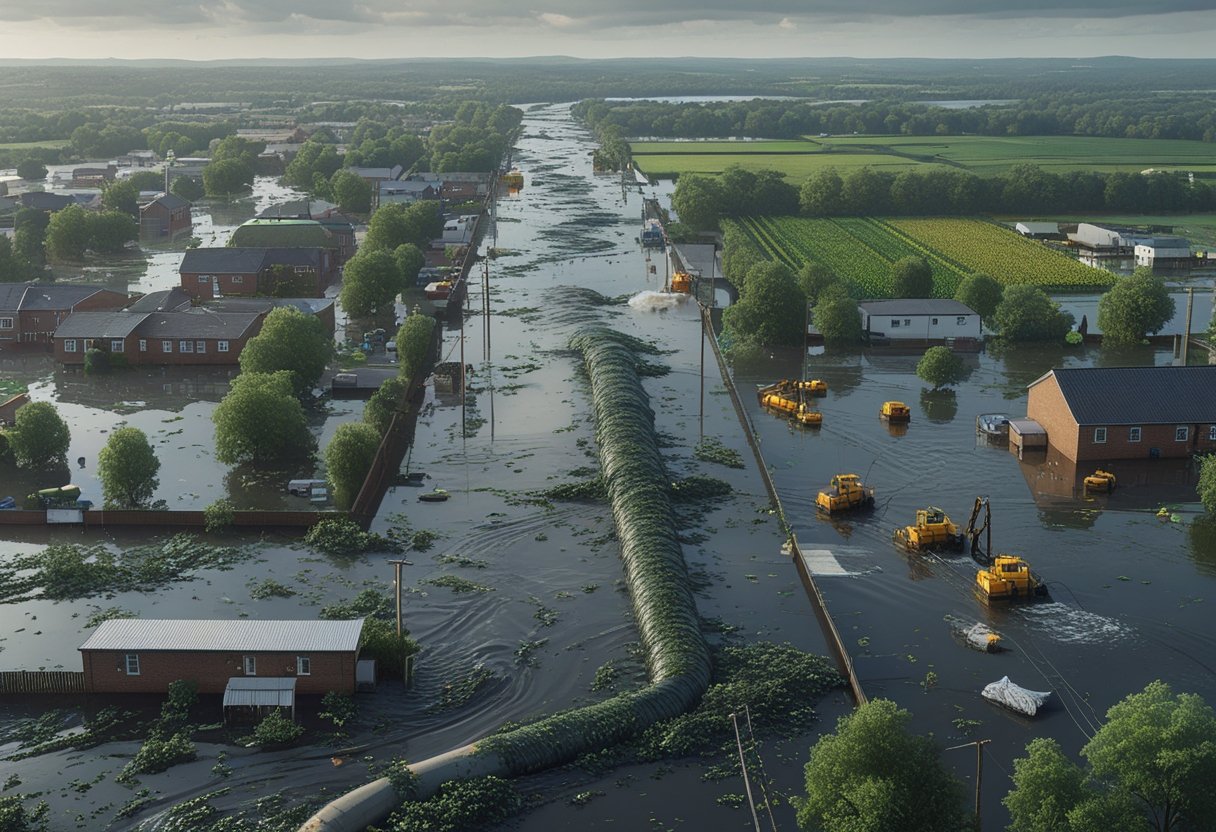
Floodwater often picks up more than rain or melted snow. It drags along sewage, chemicals, and debris, raising health and environmental risks.
The type and severity of contamination depend on how the flood starts and what it touches.
Heavy Rainfall and Storm Surges
Heavy rain can overwhelm storm drains and rivers. When the ground can't absorb water fast enough, runoff washes pollutants from streets, farms, and factories into the floodwater.
This includes oil, pesticides, fertilizers, and urban waste.
Storm surges add to the problem. Seawater pushed inland during hurricanes mixes with sewage and industrial waste. Saltwater can ruin drinking water and corrode pipes.
Even shallow floods can spread contaminants far and wide.
- Urban areas: fuel, trash, cleaning chemicals
- Agricultural land: fertilizers, animal waste
- Coastal zones: saltwater, petroleum products
Rainfall and surges create fast-moving water that dumps pollutants into homes, rivers, and groundwater.
Melting Snow and Seasonal Flooding
Rapid snowmelt can trigger floods. When temperatures rise fast, rivers and drains get overwhelmed, and water carries soil, sediment, and leftover fertilizers.
Snow stores pollutants all winter. Road salt, exhaust, and airborne particles build up in the snowpack.
When it melts, those pollutants wash into streams and fields.
In farming areas, spring floods push manure and chemicals into rivers. This boosts nutrients in the water, often leading to algae blooms and poor water quality.
The bigger the snowpack, the more contamination gets released.
Infrastructure Failures and Human Activities
Flooding breaks down infrastructure and spreads contamination. Sewage plants overflow when they can't keep up. Broken pipes leak oil or chemicals into the water.
People make it worse by storing cleaners, fuel, or pesticides in places that flood easily. When water gets in, those chemicals spread everywhere.
Abandoned industrial sites and landfills are extra risky when submerged.
Failed drainage and levees spread pollutants over wider areas. Once mixed with debris and sediments, cleanup gets tougher and pricier.
Types and Categories of Water Contamination
Floodwater contamination depends on how dirty the water is and what’s in it. This affects health risks, cleanup, and safety steps.
Clean Water Versus Contaminated Water
Clean water (Category 1) usually comes from a broken pipe, leaky faucet, or rainwater that hasn’t touched the ground. It’s not considered harmful at first.
But if clean water sits or touches surfaces, it changes fast. Carpets, drywall, and floors can add bacteria or pollutants.
- Source matters: water from sanitary pipes is safer at first
- Time matters: even clean water gets risky after 24–48 hours
- Contact matters: once water touches building materials or soil, it’s no longer clean
Gray Water and Its Risks
Gray water (Category 2) has some contamination. It comes from washing machines, sinks, or bathtub overflows.
This water might have soap, food scraps, grease, or small amounts of waste.
Touching gray water can make you sick, especially if you swallow any. It can irritate skin or infect cuts. Kids and pets are at higher risk.
Gray water gets worse if ignored. Bacteria and mold grow quickly, and it can turn into black water. Cleanup needs protective gear and proper disposal.
Black Water Hazards
Black water (Category 3) is the most dangerous. It comes from sewage backups, river floods, or storm surges.
This water can carry human waste, bacteria, viruses, and toxic chemicals.
Exposure can cause serious health issues—stomach bugs, skin infections, or breathing problems. Even brief contact is risky.
Cleanup means full protective gear and strong disinfectants. Porous stuff like carpets, mattresses, and drywall usually has to go.
Black water sources:
- Sewage overflows
- Floodwater mixed with chemicals or waste
- Stagnant water with visible contamination
Health and Structural Risks Associated With Contaminated Floodwater
Contaminated floodwater causes immediate and long-term problems. It spreads disease, weakens buildings, and feeds mold growth.
Health Hazards for Occupants
Floodwater carries sewage, pesticides, industrial chemicals, and microbes. Touching it can cause rashes, stomach bugs, and infections.
Even small cuts are risky.
Breathing in dust from dried contaminants can trigger asthma or allergies. Mold spores and toxic residues stick around long after the water is gone.
Kids, seniors, and people with weak immune systems are more likely to get sick.
Wear waterproof gloves, boots, and masks during cleanup. Throw out any food or water that touched floodwater—contamination isn't always obvious.
Mold Growth After Floods
Mold grows fast in damp spaces—sometimes within a day or two after flooding. It thrives on wet drywall, wood, insulation, and carpet.
Once mold takes hold, it spreads through airborne spores.
Breathing in mold can cause coughing, asthma flare-ups, or even lung infections. Even after you remove standing water, hidden moisture in walls and floors can keep mold growing.
Remove soaked materials that can't dry completely. Use dehumidifiers, fans, and open windows to lower moisture.
Sometimes, you’ll need professional mold remediation—especially if you’re in humid places like Atlanta, GA or Roswell, GA.
Structural Damage to Buildings
Floodwater weakens wood, drywall, and insulation. Wood can warp or rot, drywall crumbles, and insulation stops working once wet.
Concrete and brick can crack or absorb contaminants.
Standing water erodes foundations and causes uneven settling. Moisture rusts metal fasteners and corrodes pipes.
Look for these warning signs:
- Foundation cracks or shifting
- Warped floors or walls
- Rust on metal supports
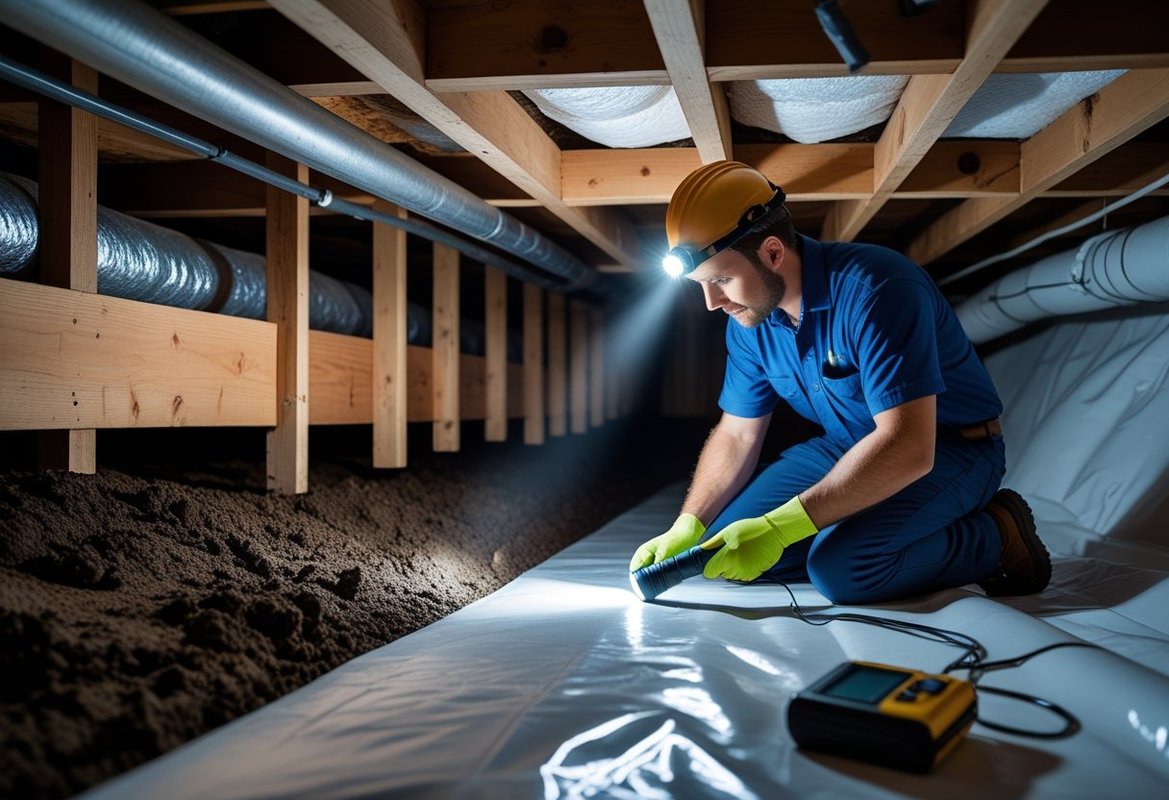
- Persistent dampness in basements or crawl spaces
Fixing these issues early saves money and keeps your home safe.
Assessment and Monitoring of Water Contamination Levels
Floodwaters often mix in pollutants from sewage, chemicals, and runoff. Testing contamination levels takes reliable methods and clear protocols to make sure water’s safe.
Water Quality Testing Methods
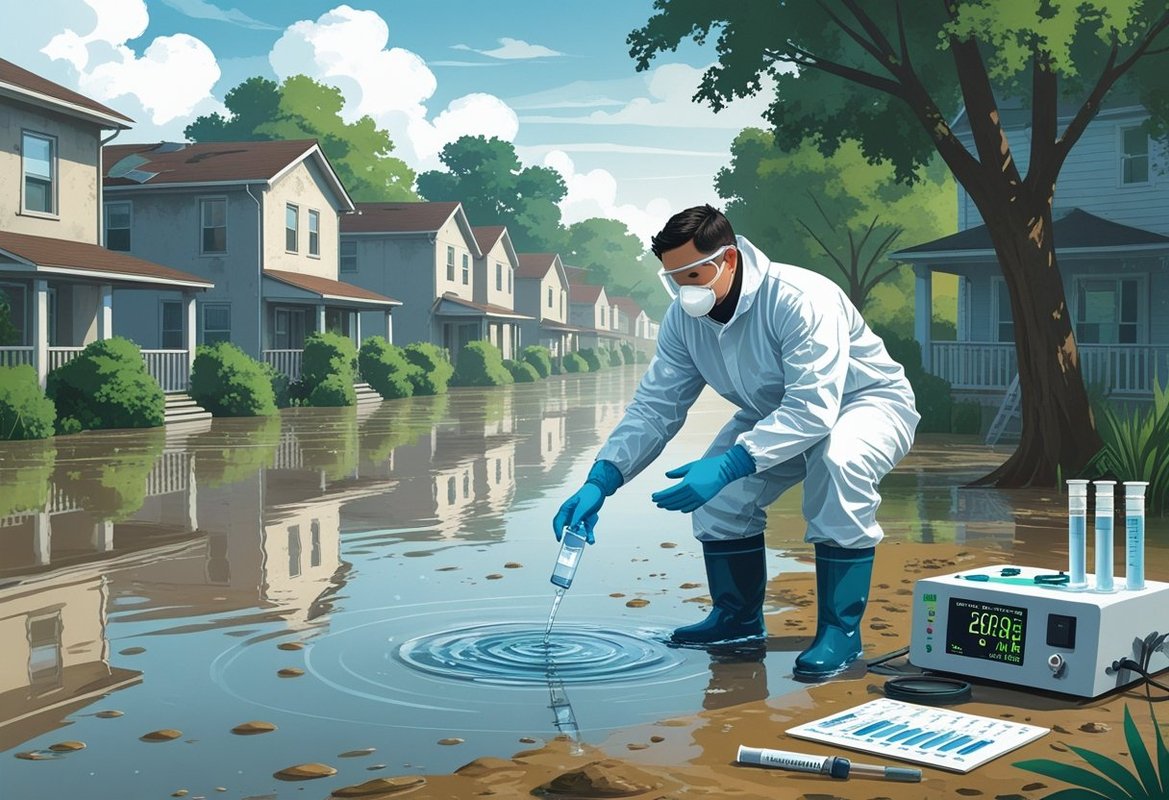
Testing after floods uses field and lab techniques. Portable meters check pH, turbidity, and dissolved oxygen on the spot. These give quick results but not the full picture.
Labs test samples for nutrients, heavy metals, pathogens, and organic chemicals. They use microbial cultures, spectrometry, and chromatography.
The U.S. Geological Survey (USGS) often combines flow measurements with water sampling during floods. This helps track contamination as water levels change.
Regular monitoring shows how contamination shifts as floodwaters recede.
Identifying Contaminants in Floodwater
Floodwater mixes with sewage, industrial runoff, and farm fields. This brings in E. coli, Salmonella, pesticides, petroleum, and heavy metals.
Biological contaminants spread quickly and cause sickness. Chemical contaminants can stick around in soil and groundwater long after the flood.
Here’s a quick look at common contaminants:
| Category | Examples | Source |
|---|---|---|
| Biological | E. coli, Giardia, viruses | Sewage, animal waste |
| Chemical | Pesticides, solvents, nitrates | Farms, industry, storm runoff |
| Physical | Sediment, debris, microplastics | Erosion, damaged infrastructure |
Spotting these hazards early helps guide safe cleanup and water use in communities like Alpharetta, GA and beyond.
Professional Assessment Protocols
Public health agencies and water utilities in the Atlanta, GA area use a series of steps to assess floodwater. Teams collect samples from spots like tap water, surface water, and groundwater wells.
They do this to catch contamination that might hide in unexpected places. Sometimes, they run stress tests to see how contaminants might move around if things go wrong.
These tests help predict how pollution could spread in different water flow situations. Professionals stick to strict chain-of-custody rules so test results stay accurate and legally solid.
The results guide choices about boil-water advisories, water restrictions, or bringing in treatment systems until things are safe again.
Effective Cleanup Strategies and Restoration Solutions
When a flood hits, acting fast is key. Quick cleanup limits health risks, stops mold, and helps save building materials.
Using the right gear and safe handling methods makes a big difference. Long-term planning helps homes and businesses in places like Marietta, GA get back to normal.
Immediate Cleanup and Safety Measures
First, get rid of standing water as soon as you can. Pumps, wet vacs, and extraction tools help protect floors and walls from worse damage.
Move quickly—mold can start growing within a day or two. Safety matters most, so always put on gloves, boots, and masks.
Floodwater isn’t just dirty; it can carry bacteria, sewage, or nasty chemicals. If black water soaks things like mattresses or carpets, it’s usually best to toss them.
Hard surfaces—tile, metal, plastic—can often be disinfected with bleach or an EPA-approved cleaner. But materials like drywall and insulation? Those usually need to be cut out and replaced.
That’s how you avoid hidden moisture and future mold or structural headaches.
Role of Dehumidifiers in Drying
After you remove the obvious water, drying comes next. Dehumidifiers pull extra moisture out of the air and materials.
This step keeps wood from warping and paint from peeling. It also helps stop mold before it starts.
Air movers and fans work with dehumidifiers to speed things up. You’ve got to aim them right to reach into wall cavities and under floors.
Most pros watch humidity levels with meters, making sure things drop below 50% before calling it safe.
Big buildings or serious floods might need industrial dehumidifiers. These machines handle lots of moisture and can run non-stop.
If you skip proper drying, surfaces might look fine but still stay damp and unsafe. That’s a recipe for long-term trouble.
Long-Term Flood Restoration Approaches
Restoration doesn't end with cleaning and drying. Sometimes, you need to repair or replace things like subflooring or wall studs.
Always get electrical, HVAC, and plumbing systems checked before using them again.
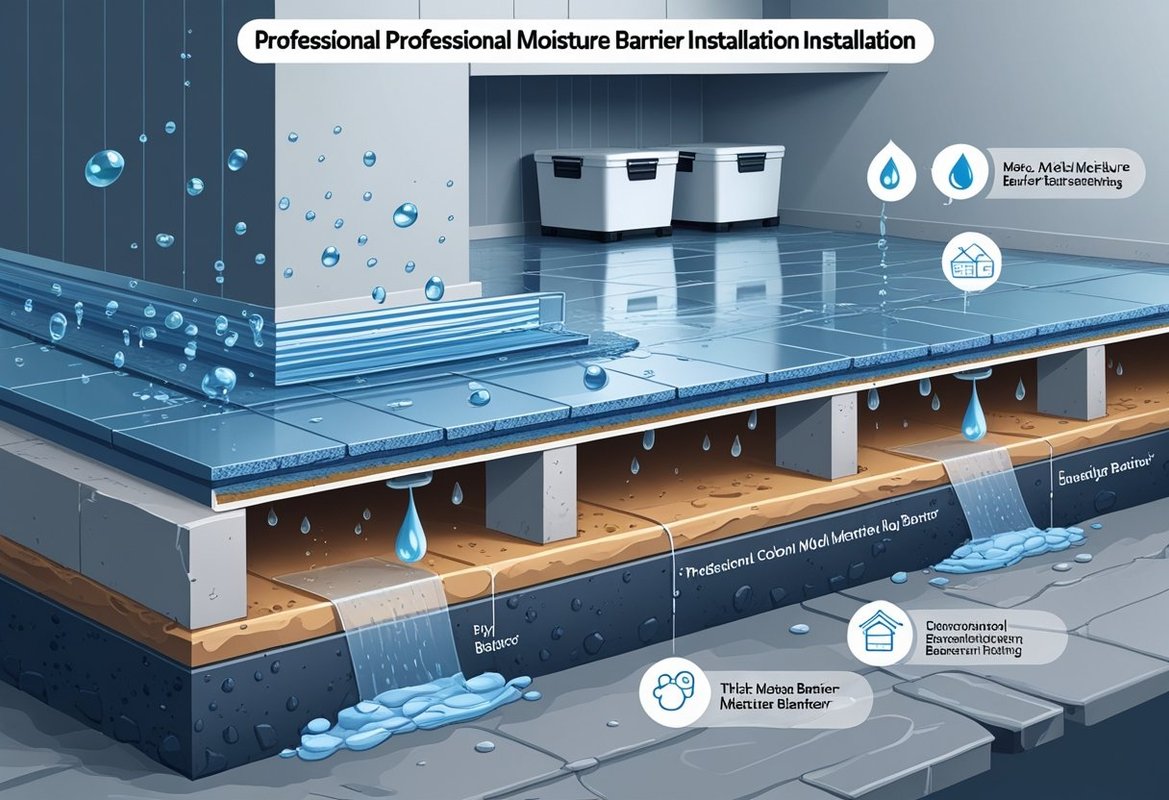
Thinking ahead helps too. Installing sump pumps, improving drainage, or sealing basements can prevent future problems.
In flood-prone spots around Atlanta—like Sandy Springs or Decatur—people sometimes raise outlets or move appliances higher.
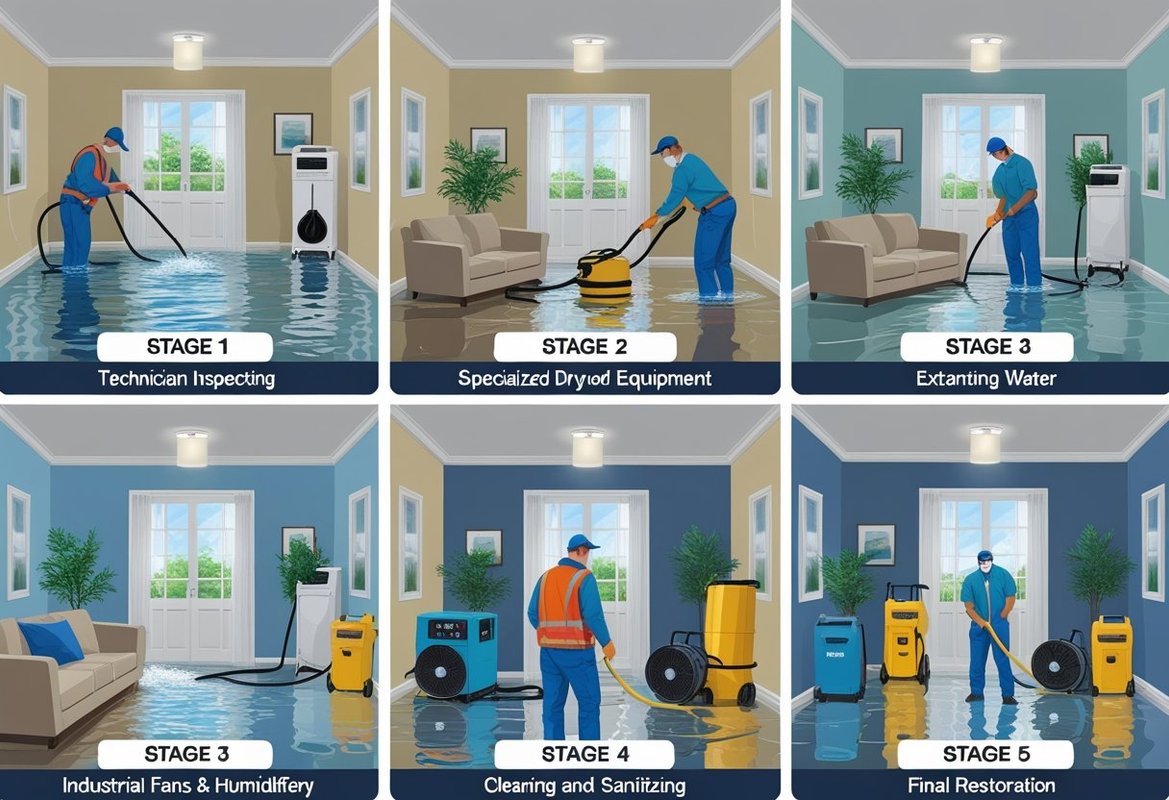
Restoration teams usually follow a checklist:
- Assess the water and damage
- Remove what can’t be saved
- Sanitize everything else
- Dry with dehumidifiers and fans
- Rebuild as needed
Browse flood cleanup companies in Atlanta to find certified specialists near you.
Frequently Asked Questions
Floodwater brings real health risks. Testing, treatment, and safe habits help keep people in the Atlanta area safer after a flood.
What are the common types of contaminants found in water after a flood?
Floodwater can carry sewage, chemicals, pesticides, and heavy metals. It’s also full of bacteria, viruses, and parasites that spread disease.
Debris and sediment make the water cloudy and unsafe to use.
How can you test water safety following a flooding event?
You can send water samples to certified labs. Local health departments or water providers in Atlanta, GA can point you in the right direction.
Home test kits exist, but labs give more reliable results.
What are the health risks associated with water contamination from floods?
Touching or drinking contaminated water can cause stomach bugs, skin infections, or breathing issues.
Sewage in water makes things even riskier, especially for kids, seniors, or anyone with a weak immune system.
What are the recommended steps for treating contaminated water in a flood-affected area?
Boil water for at least a minute to kill most germs. If you can’t boil, use chlorine bleach or water purification tablets.
If things are really bad, stick with bottled water until the supply is safe again.
How can one prevent waterborne diseases during flood cleanup operations?
Wear gloves, boots, and masks to avoid touching contaminated water. Wash up with soap and clean water after handling flood debris.
Never drink untreated water—no matter how clear it looks.
What are the guidelines for safe usage of water for drinking and cooking post-flooding?
Stick to water that's been tested or cleared by local officials. If you're not sure it's safe, go ahead and boil it, or disinfect it before using it for drinking or cooking.
Honestly, bottled water's your best bet in places like Decatur, GA or Sandy Springs, GA, until the city says the tap is safe again.
See our guide on estimating water damage restoration costs in Atlanta once you know the contamination level.
Water Damage Atlanta Editorial Team
Restoration & Home Services Expert
We help Atlanta homeowners recover from water damage with trusted advice and local resources.