Should I Get My Home Tested for Mold? 5 Signs Every Homeowner Should Know
Mold hides in places you’d never expect, quietly affecting both your health and your home. If you’re asking whether mold testing is worth it, especially in the Atlanta, GA area, the answer is usual...
Should I Get My Home Tested for Mold? 5 Signs Every Homeowner Should Know
Mold hides in places you’d never expect, quietly affecting both your health and your home. If you’re asking whether mold testing is worth it, especially in the Atlanta, GA area, the answer is usually yes—especially when warning signs start popping up.
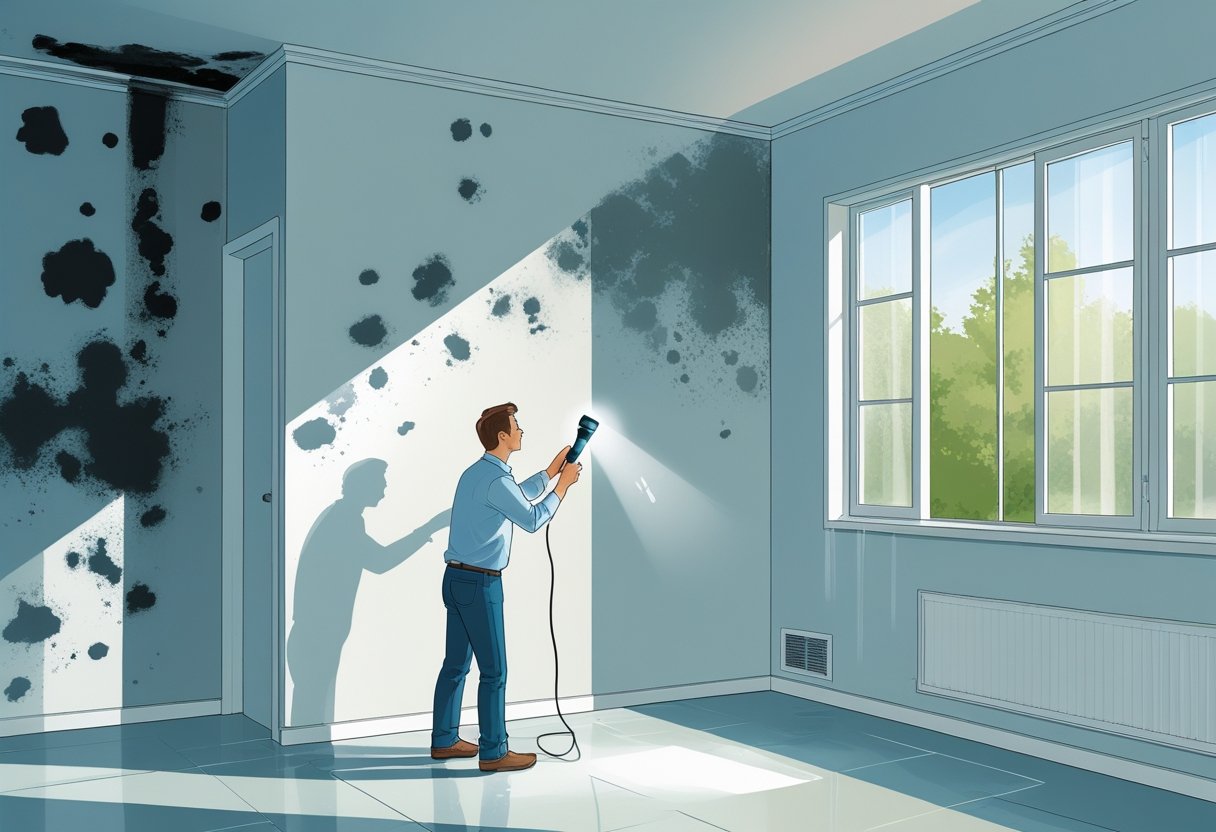
You can’t always see mold. It grows behind walls, under floors, and in any damp spot that doesn’t dry out. If you notice odd smells, stubborn moisture, or unexplained health issues, knowing when to test might just save you a lot of trouble.
Let’s break down why mold testing matters, the signs you should watch for, and what actually happens during an inspection. If you’re in Decatur, Marietta, or Sandy Springs, knowing what to expect could make a big difference.
Why Mold Testing Matters for Homeowners
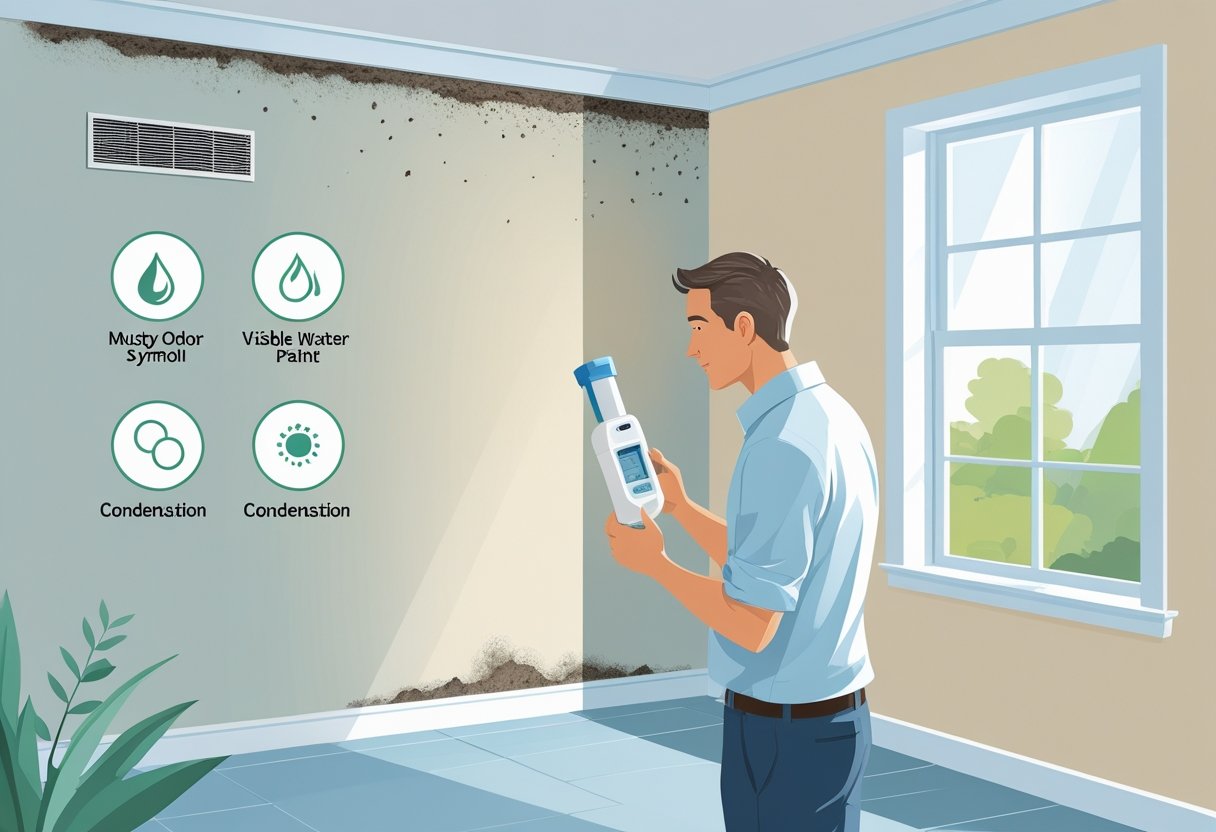
Mold isn’t just ugly—it can mess with your health and damage your house. It loves damp corners and can spread fast, often before you even notice.
Health Risks of Mold Exposure
Mold spores float in the air, and you breathe them in. For some, this just means a little sneezing or coughing.
If you have asthma or allergies, things can get worse—think tight chest or trouble breathing. Some molds release mycotoxins that irritate your lungs and skin.
Kids, seniors, and anyone with a weaker immune system are at higher risk. Even if it’s not “toxic” mold, regular exposure can really drag down your quality of life.
Catching mold early with testing can help you avoid bigger problems. Air and surface tests show you what’s lurking in your home—even if you can’t see it.
Structural Damage from Mold Growth
Mold doesn’t just hang out on the surface. It actually eats away at drywall, wood, and insulation.
Over time, this weakens your home’s structure. Roof leaks, plumbing issues, or poor ventilation make things worse.
If you’re in Roswell, GA and spot moisture problems, mold could be hiding behind walls or under floors. Testing helps you catch these issues before they turn into expensive repairs.
Top 5 Signs Your Home Needs Mold Testing

Mold usually starts in hidden, damp areas. Here are the main signs you might need a mold test in your Atlanta-area home.
Persistent Musty Odors
A strong, musty smell is a classic sign. Mold gives off gases as it grows, and you’ll notice this most in basements, bathrooms, or closets.
If the smell sticks around after cleaning, there’s likely a hidden moisture problem. Sometimes it’s behind drywall or inside your HVAC system.
Don’t just cover it up with air fresheners. If the odor won’t quit, it’s time to check for mold.
Visible Mold Growth or Water Stains
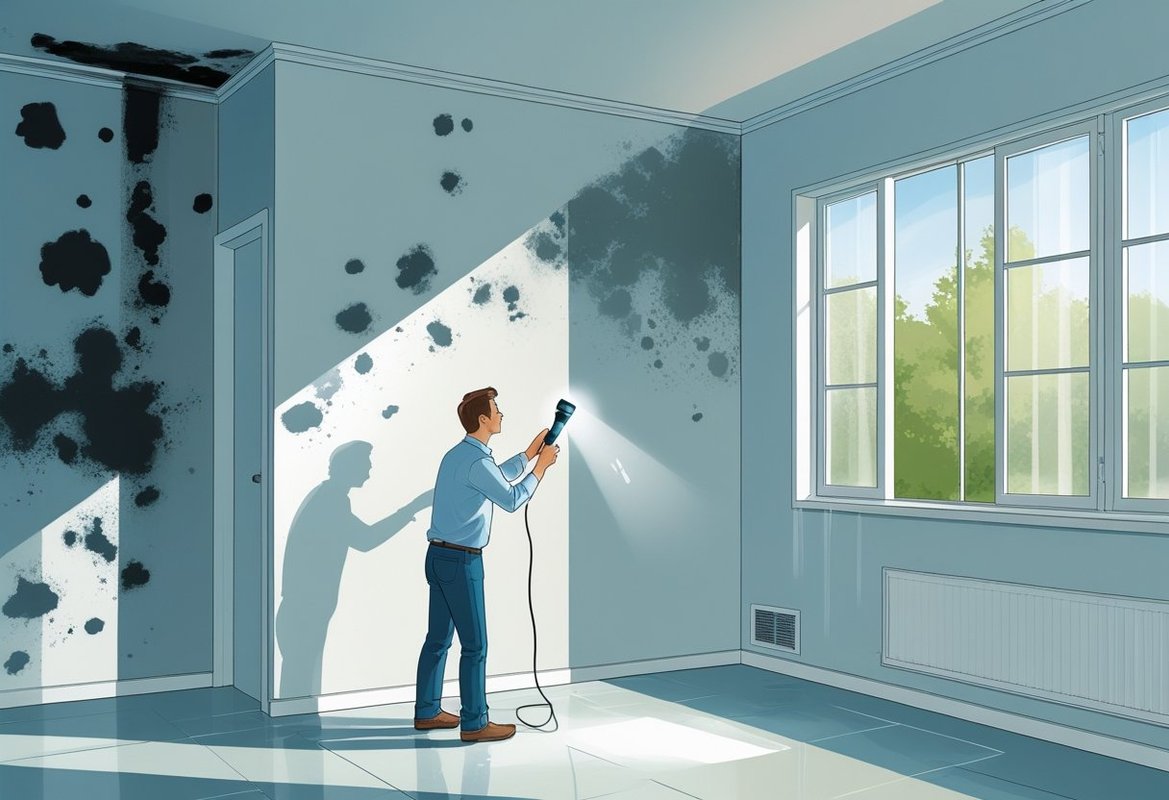
Seeing mold? That’s a red flag. It might look black, green, or even white on walls, ceilings, or tile grout.
Water stains—yellow or brown marks on ceilings or walls—often mean leaks or past water damage. These are prime spots for mold.
Sometimes, mold just looks like dirt or soot. If you see odd stains, get them tested.
Unexplained Health Symptoms
If you start coughing, sneezing, or feeling congested at home but feel better when you leave, mold might be the culprit.
Some people get itchy eyes, headaches, or skin irritation. Asthma or allergy sufferers usually notice symptoms more.
If these issues only happen indoors, consider a mold test. It’s not always the answer, but it’s worth checking.
Recent Water Damage or Flooding
Leaks, burst pipes, or flooding create the perfect conditions for mold. Even after things look dry, moisture can stick around inside walls or floors.
Mold can start in just a day or two after water exposure. If cleanup wasn’t thorough, the risk goes way up.
Testing after water damage—especially in basements or crawl spaces—can help you catch mold before it spreads.
Peeling Paint or Warped Surfaces
If paint’s peeling or wood is warping, you’ve probably got a moisture problem. Drywall and wood swell or crack when they get wet, making it easy for mold to settle in.
Bathrooms, kitchens, and basements in Alpharetta, GA often have these issues due to high humidity or hidden leaks.
If you notice these changes and can’t figure out why, a mold test is a smart move.
Hidden Mold: Where It Grows and How to Detect It
Hidden mold is sneaky. It likes damp, closed-off areas and can spread behind walls, under floors, or through air systems.
To find it, you’ll need to look past what’s visible and use some basic tools.
Common Hidden Mold Locations
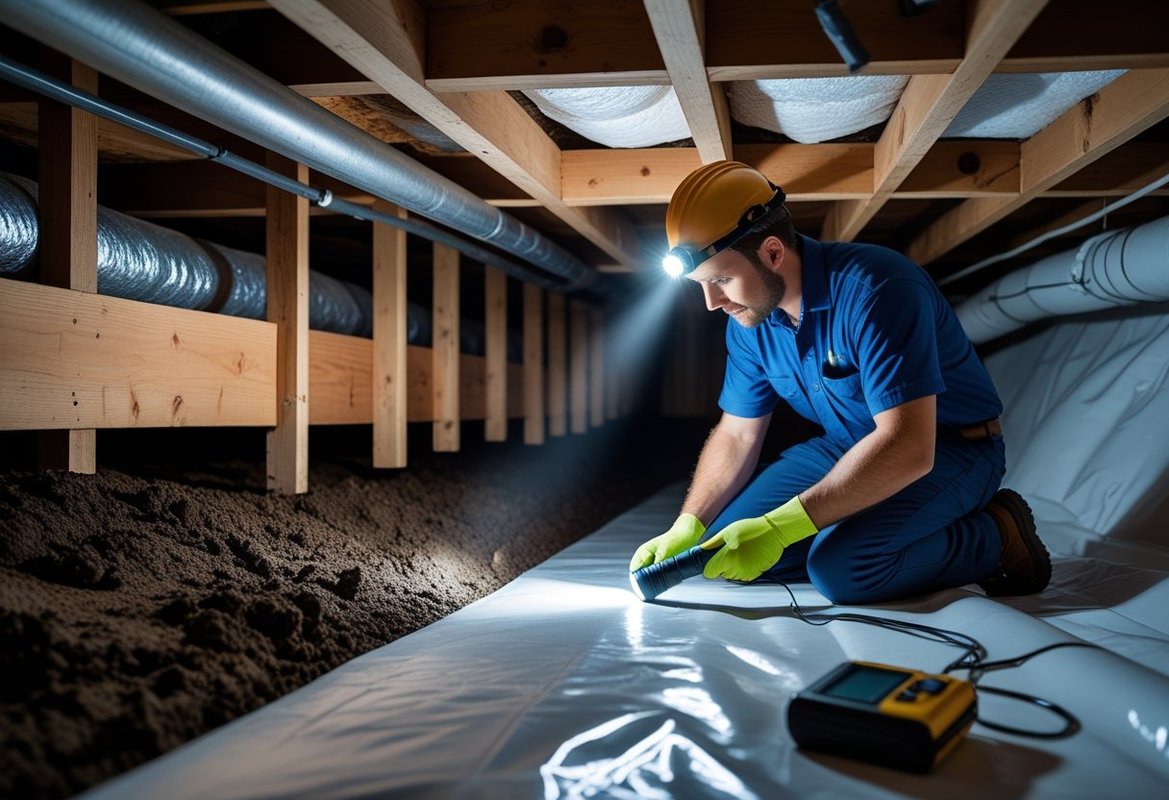
Mold loves places with little airflow and lots of moisture. Think wall cavities, basements, attics, and crawl spaces.
Leaks from plumbing or the roof can let mold grow behind drywall or under insulation. Kitchens and bathrooms are also common trouble spots.
Stored stuff in damp basements or garages can trap moisture and grow surface mold. Check boxes, carpets, and wood furniture for musty smells or stains.
Where to look:
- Behind walls and ceilings
- Under flooring and carpets
- Around windows and doors
- Inside cabinets and under sinks
- Stored items in damp rooms
Moisture Detection Techniques
Since mold needs moisture, finding damp spots is key. Moisture meters can check inside walls and floors for hidden dampness.
Infrared cameras or thermal imaging spot cool areas that might signal a leak. If you see peeling wallpaper or warped wood, that’s another clue.
Using both your eyes and a few tools helps you find mold before it gets out of hand.
Handy tools:
- Moisture meters
- Infrared cameras
- Thermal imaging
HVAC System Risks
If mold gets into your HVAC system, it can spread everywhere. Condensation in ducts or around cooling coils creates a perfect home for spores.
Dirty filters or drip pans can trap and grow mold. Ductwork with dust is another risk, since mold feeds on organic stuff.
Notice a musty smell when the air kicks on? Or see spots near vents? That’s a warning sign. Regular cleaning helps keep the system safe.
Check these:
- Ducts and vents
- Cooling coils
- Condensation pans
- Air filters
How Mold Testing Works
Mold testing isn’t just about spotting visible patches. It usually combines a close look around the house with air or surface samples.
If you’re in Smyrna, GA, you can go the DIY route or hire a pro, depending on how serious things seem.
Visual Inspection Methods
A visual check is always the first step. Inspectors look at basements, bathrooms, attics, and anywhere plumbing runs.
They look for stains, peeling paint, or mold patches. Moisture meters or infrared cameras help spot damp spots behind walls or floors.
Musty odors are another giveaway, even when you can’t see anything. A good inspection report points out problem areas and says if testing is needed.
Air and Surface Sampling Explained
Air sampling checks how many mold spores are floating around inside. Samples get sent to a lab for analysis and can be compared to outdoor air.
Surface sampling means swabbing or tape-lifting material like drywall or carpet. This tells you if a spot is actually mold and what kind.
Both methods help figure out how bad the problem is. Pros usually combine them with a full inspection for the most accurate results.
DIY Mold Test Kits vs. Professional Testing
DIY kits are cheap and easy to find at hardware stores. You collect a sample and mail it off.
They’re handy for minor worries, but they don’t always tell you where the mold’s coming from. If you’ve got health symptoms, hidden leaks, or a bigger issue, professional testing is more reliable.
Certified inspectors use better equipment and know how to interpret results. They’ll give you a clearer picture of what’s going on.
When to Call a Professional Mold Inspector
Mold hides in places most people never think to look. If you’re in Buckhead or Midtown Atlanta and have water damage, persistent odors, or health symptoms, a pro can help you figure out what’s really happening.
Scenarios Requiring Professional Mold Inspection
If you’ve had leaks, floods, or plumbing disasters—even if things look dry—call an inspector. Moisture can linger behind walls or under floors.
Notice musty odors that won’t go away? That could mean hidden mold in your HVAC, crawl space, or insulation.
Buying or selling a home in Dunwoody, GA? Mold inspections help avoid headaches later. Sometimes lenders or insurers require proof there’s no mold.
If anyone in your home has unexplained allergies or breathing problems, a mold test can rule out hidden exposure.
And if you keep cleaning up the same moldy spot and it comes back, it’s time to find the source.
Choosing the Right Mold Inspection Service
Not all inspectors are equal. The good ones do a visual check, use moisture meters or thermal imaging, and collect samples if needed.
Ask if the inspector works independently from remediation companies. You want advice, not a sales pitch.
Look for experience with homes in your area and check reviews or certifications. Get a written report that lists findings and recommendations—it’s useful for home sales or insurance.
If you’re in the Atlanta, GA metro area and notice any of these signs, don’t wait. Mold won’t fix itself, and the sooner you act, the easier it is to solve.
Preventing Mold Growth in Your Home
Mold loves damp spaces and spreads fast if water problems go unnoticed. Stopping it means fixing moisture issues quickly and keeping surfaces dry.
Identifying and Controlling Moisture Sources
Controlling moisture is key to preventing mold. Roof leaks, plumbing leaks, and poor ventilation are the usual suspects.
Even tiny drips under sinks or around windows can cause trouble. If you spot water stains, musty smells, or peeling paint, you might have a hidden leak.
Basements and crawl spaces in Atlanta, GA neighborhoods like Decatur or Sandy Springs often trap humidity. Keep an eye on these spaces, especially during our muggy summers.
Proper grading around your foundation helps push rainwater away from your home. If water pools near the foundation, it can seep inside and damage drywall or wood.
Turn on exhaust fans in bathrooms and kitchens to cut down indoor humidity. In places like Marietta, GA, a dehumidifier really helps keep moisture below 60%, making it harder for mold to take over.
Home Maintenance Tips for Mold Prevention
Routine care goes a long way. Cleaning gutters and downspouts keeps rainwater from leaking into walls or roofs.
Fix damaged shingles or flashing as soon as you spot them to avoid roof leaks. Check appliances like washing machines, dishwashers, and water heaters for leaks.
Replace old hoses and seal connections to lower the risk of hidden water damage. If carpet or ceiling tiles get wet, dry them within 24–48 hours.
If they stay damp, mold can show up fast and you might have to replace those materials.
Keep furniture a few inches from the wall so air can move around. Regular vacuuming and dusting help reduce moisture and keep mold from finding a foothold.
Understanding Mold Remediation and Costs
mold remediation means removing mold and making sure it doesn’t come back. Costs depend on the type of mold, the size of the problem, and how tough it is to reach.
What to Expect from Mold Remediation
Remediation starts with an inspection to find hidden mold. Pros often test for types like aspergillus or stachybotrys chartarum (black mold), which can spread fast in damp spots.
Usually, the process includes:
- Containing the area so spores don’t spread.
- Air filtration using HEPA filters to catch floating particles.
- Removing contaminated stuff like drywall, carpet, or insulation.
- Cleaning and disinfecting surfaces with antimicrobial solutions.
- Drying and moisture control to keep mold from coming back.
Small surface mold might be cleaned up without tearing things out. Bigger problems, especially with black mold in walls or floors, often mean removing building materials.
If you’re getting mold remediation in Roswell, GA or Buckhead, expect the process to take anywhere from a couple of days to a week, depending on the job.
Factors Affecting Mold Remediation Cost
Remediation costs depend on a few things. The national average sits around $3,500, but you might pay anywhere from $1,500 to $9,000.
Prices go up if:
- Mold covers large areas or several rooms.
- It’s hiding in hard-to-reach places like crawl spaces, attics, or HVAC systems.
- Toxic molds like stachybotrys chartarum need extra safety steps.
- A lot of material removal is needed, like cutting out drywall or replacing floors.
For small, visible patches, cleanup might only cost a few hundred bucks. If the damage hits structural stuff, it can run several thousand.
Where you live matters too. In-town Atlanta, GA areas like Midtown or Virginia-Highland might see higher prices than more rural spots.
Browse certified mold inspectors in Atlanta to connect with vetted professionals near you.
Frequently Asked Questions
Mold affects both homes and the people living there. You’ll usually notice it in the environment first, but health effects can show up if exposure continues.
What are the common signs of mold presence in a home?
Most people notice a musty or earthy odor first. You might see black, green, or white spots on walls, ceilings, or furniture.
Water damage, damp surfaces, or peeling paint can also signal mold problems.
How can a doctor determine if someone has been exposed to mold?
Doctors start by asking about your symptoms and home or work environment. If there’s moisture or visible mold, they may do a physical exam or allergy testing.
What methods are available for self-testing for mold toxicity?
You can buy home mold test kits, but honestly, they’re not always reliable. They might show if spores are present but can’t confirm health risks.
Professional testing is more accurate if you think you’ve been exposed.
Are there medical tests to detect mold exposure through blood samples?
Some blood tests can check for antibodies or immune responses linked to mold. These might show if your body’s reacted, but they won’t confirm the exact type of mold or how much exposure you’ve had.
Doctors usually use these tests along with other evaluations.
What are the potential long-term health effects of mold exposure?
Long-term exposure can make asthma, allergies, and respiratory problems worse. Some folks have ongoing sinus issues or skin irritation.
It really depends on your health and how much mold you’ve been around.
Does exposure to mold lead to chronic fatigue?
Some folks in the Atlanta, GA area say they feel wiped out after dealing with mold for a while. The body’s immune system might kick into overdrive, or maybe it’s just hard to breathe.
Mold isn’t the only thing that can make you feel exhausted. Still, if you're sensitive, it might be a piece of the puzzle—especially if you’re dealing with mold remediation in Marietta, GA or nearby neighborhoods.
For testing options, see our guide on DIY mold kits vs. professional [mold testing](https://water-damage-atlanta.com/articles/diy-mold-kits-vs-professional-mold-testing).

Water Damage Atlanta Editorial Team
Restoration & Home Services Expert
We help Atlanta homeowners recover from water damage with trusted advice and local resources.