Leaky Pipe, Big Problem: Essential Steps for Effective Water Damage Restoration
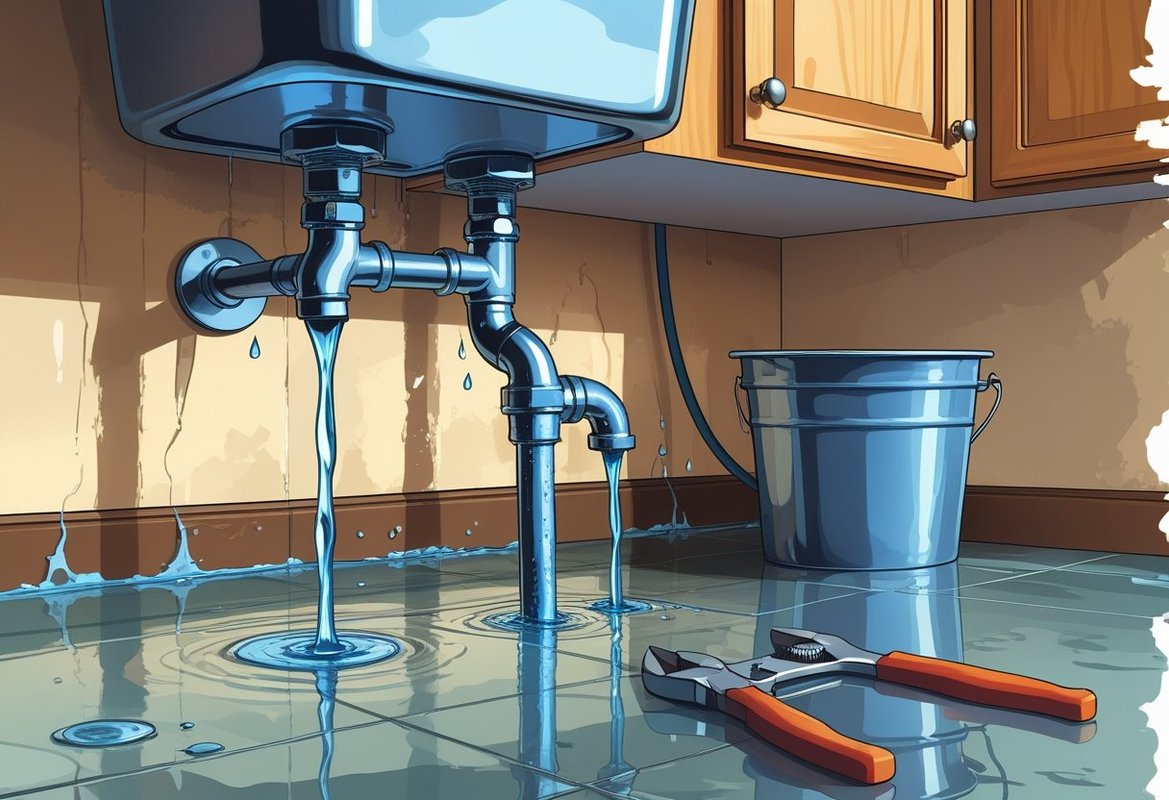
A small pipe leak might seem harmless, but it can soak walls, ruin floors, and rack up expensive repairs before you know it.
Leaky Pipe, Big Problem: Essential Steps for Effective Water Damage Restoration
A small pipe leak might seem harmless, but it can soak walls, ruin floors, and rack up expensive repairs before you know it.
Fixing the leak and starting water damage restoration right away keeps things from spiraling—especially with mold risk.
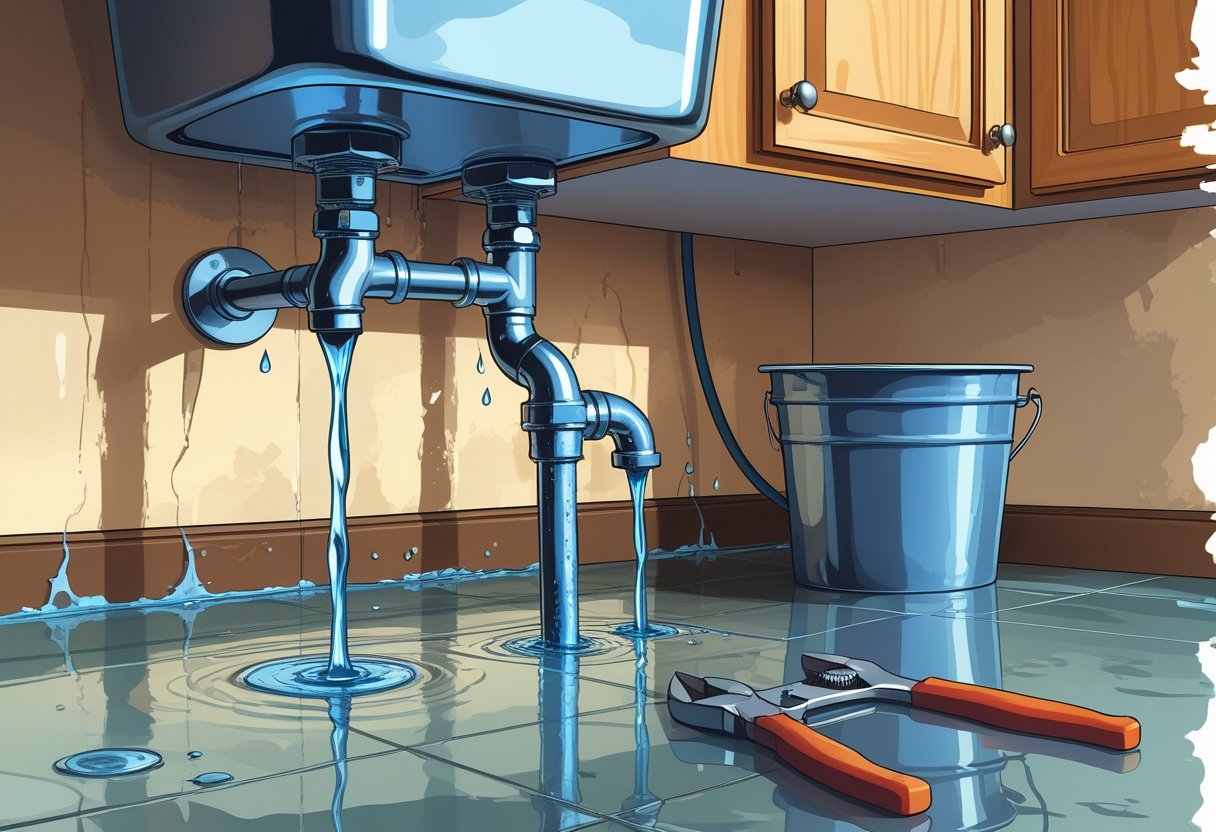
Water doesn’t just stay put. It sneaks through drywall, flooring, and insulation, causing hidden damage that’s easy to miss until it’s a real headache.
Knowing what to do in those first moments after spotting a leak can keep the problem small and the repairs simple.
This guide covers what causes leaks, the first actions to take, and how pros repair and dry out properties. We’ll also talk about mold prevention, protecting your home’s structure, and keeping this mess from happening again—whether you’re in Alpharetta, Decatur, or right here in Marietta, GA.
Understanding Leaky Pipes and Water Damage
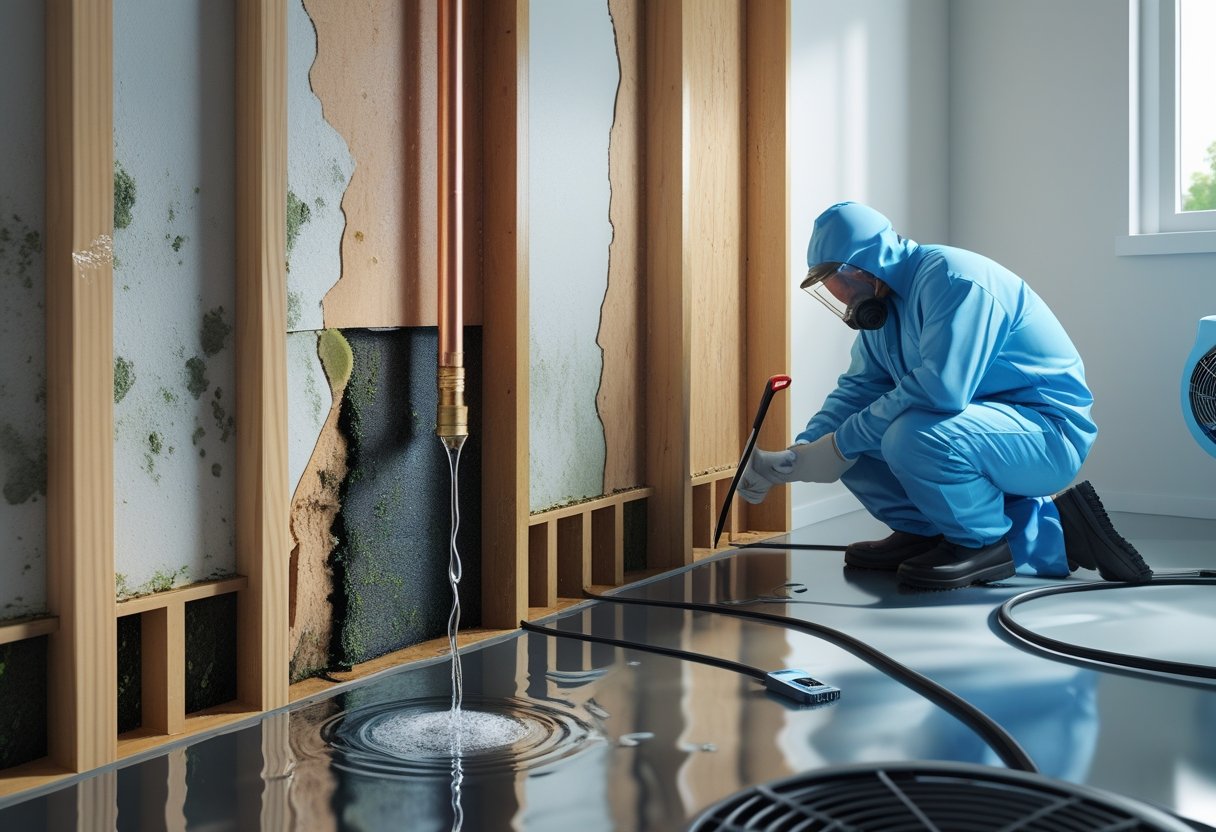
A leaking pipe can start small but quickly create costly problems. Water in walls, floors, or ceilings weakens structures and can ruin your stuff.
Mold isn’t far behind. Spotting early warning signs and knowing why pipes fail can help you avoid bigger headaches.
Common Causes of Leaky Pipes
Several things make pipes leak.
Pipe corrosion is a big one, especially in older Atlanta homes with metal plumbing. Rust and minerals eat away at pipes until water finds a way out.
High water pressure strains joints and fittings. Even newer pipes in places like Sandy Springs can crack if the pressure’s too high. A simple pressure regulator can help.
Foundation shifts and soil movement stress underground pipes. Cracks can form where pipes connect, and leaks might not show up until you see water damage inside.
Poor installation is another culprit. If joints aren’t sealed right or cheap materials are used, leaks pop up fast. Cold snaps in Atlanta can also make pipes expand and contract, weakening them over time.
Signs and Symptoms of Pipe Leaks
Leaks don’t always announce themselves.
Unexplained water stains—yellow or brown splotches on ceilings, walls, or floors—are a classic clue. If they keep growing, there’s still a leak.
Musty smells often mean hidden water damage. Mold and mildew love damp drywall and flooring.
A sudden spike in your water bill without extra usage is another red flag. Even slow leaks can waste gallons.
You might also see peeling paint, warped floors, or damp spots under sinks. Sometimes, a burst pipe floods everything—no detective work needed.
Immediate Risks of Water Leaks
Structural damage is the first big risk. Water weakens wood framing, drywall, and flooring—sometimes fast.
Mold is another major worry. Moisture inside walls or under floors creates a perfect breeding ground, and mold can show up in just a day or two.
Leaks near wiring or outlets mean electrical hazards. That’s a fire risk you don’t want.
A small leak left alone can turn into a burst pipe, dumping water everywhere and causing chaos in minutes.
First Steps: What to Do When You Discover a Leak
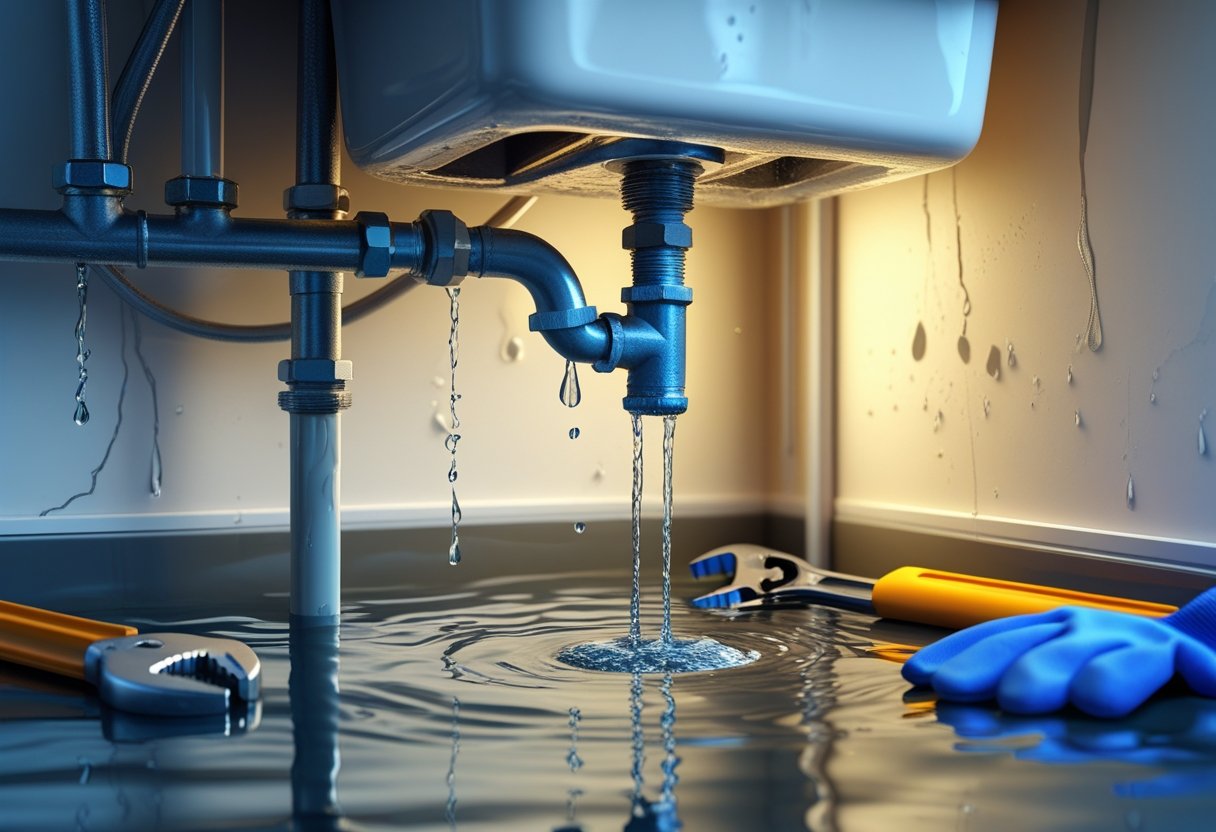
A leaking pipe can dump water fast, damaging walls, floors, and ceilings.
Acting quickly limits mold, electrical dangers, and expensive repairs.
Turning Off the Water Supply Valve
First, shut off the water supply valve. That stops the flow and keeps things from getting worse.
Most homes around Atlanta, GA have a main valve near the water meter, basement, or where the main line comes in.
If the leak’s under a sink or behind a toilet, look for a local shutoff valve. Turning just that one off can save you from losing water to the whole house.
To close the main valve:
- Find the handle or wheel.
- Turn it clockwise until it stops.
- Open a faucet to make sure water’s off.
Move fast here—it buys you time for repairs.
Ensuring Safety Around Electrical Hazards
Water and electricity? Not a good mix.
If water’s near outlets, appliances, or wiring, treat the area as unsafe.
Look for wet outlets or sparking. If you’re not sure, shut off power to that area at the breaker panel.
Be careful:
- Don’t touch wet electrical stuff.
- Keep kids and pets away.
- Use battery lights, not plug-in lamps or cords.
If water’s near main wiring or the breaker box, call an electrician before turning power back on.
Documenting Damage for Insurance
Once you’ve stopped the leak, grab your phone and take photos or videos.
Get shots of:
- The leaking pipe and shutoff valve
- Damage to walls, floors, and ceilings
- Anything else that’s soaked
Jot down dates, times, and what you did to stop the leak. This helps with insurance claims and keeps things smoother with adjusters.
Hang onto receipts for emergency repairs or cleanup. Keeping everything together speeds up the claims process.
Temporary and Permanent Pipe Repair Methods
How you fix a pipe depends on the damage, where it is, and how urgent things are.
Some fixes buy you time; others solve the problem for good.
Using Epoxy Putty for Small Leaks
Epoxy putty works fast for pinholes or tiny cracks. It’s a two-part compound that hardens into a solid plug.
Clean and dry the area first—dirt or moisture makes it less effective. Press the putty over the leak and shape it to cover everything.
It usually cures in minutes and can handle water pressure after. Still, it’s a stopgap, not a forever fix—especially for bigger leaks.
Applying a Repair Cast
A repair cast is a resin-soaked bandage you wrap around the pipe. It’s good for cracks or small ruptures that putty can’t handle.
Clean and rough up the pipe with sandpaper first. Dip the bandage in water or activator, then wrap it tightly in layers.
As it cures, it creates a hard shell. It’s stronger than putty and lasts longer but isn’t always a permanent fix—especially on high-pressure pipes.
Installing Pipe Clamps and Sleeves
Pipe clamps and sleeves are metal devices that squeeze around the damaged pipe.
A clamp uses a rubber gasket and a metal band tightened with bolts. Once it’s on, it seals the leak and holds up to moderate pressure.
Pipe sleeves cover a longer stretch—handy for bigger cracks. These fixes can last years, but replacing the damaged section is still the gold standard.
Replacing Damaged Pipe Sections
If a pipe’s badly cracked, collapsed, or burst, replacement is the way to go.
Turn off the water, drain the line, and use a pipe cutter or saw to remove the bad section. Attach a new piece with couplings or solder, depending on the material.
This restores full strength and keeps leaks from coming back. It’s more work, but it’s the best way to fix things for good.
Water Removal and Extraction Techniques
Getting water out fast is key. Quick cleanup limits damage and keeps mold away.
You can try some things yourself, but sometimes you’ll need pros—especially for big leaks or floods in places like Roswell or Smyrna.
DIY Water Removal Methods
For small leaks, grab a wet/dry shop vacuum to suck up standing water. Mops, buckets, and towels work for smaller puddles.
Lift carpet and aim fans underneath to help dry things out. Open windows and use portable fans to boost airflow.
If it’s humid outside (which Atlanta knows all about), run a dehumidifier to pull moisture from the air.
Move quickly—standing water warps floors and ruins drywall in hours. DIY works for minor messes, but bigger jobs usually need professionals.
Professional Water Extraction Equipment
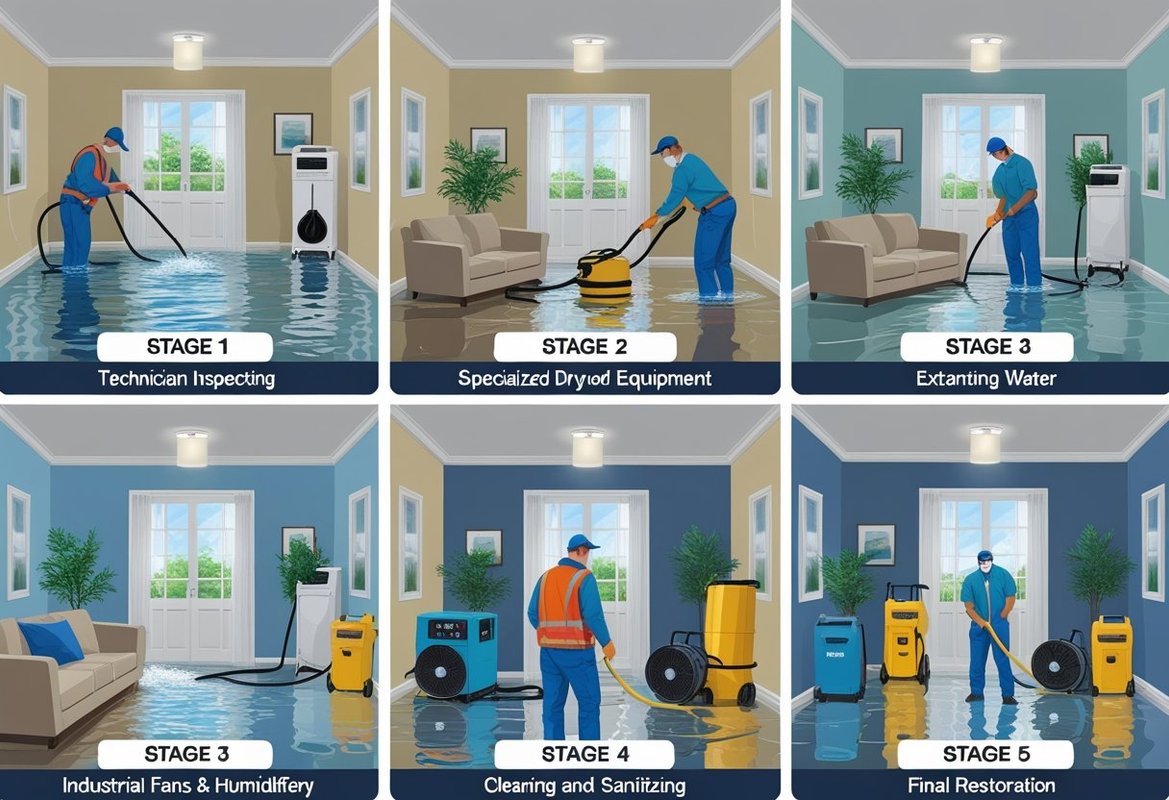
Restoration companies use heavy-duty gear. Truck-mounted extractors and submersible pumps clear out big pools of water fast.
For soaked carpets, pros use weighted tools to squeeze water out. High-capacity dehumidifiers and air movers dry things out better than home fans.
They’ll also check moisture levels with meters to make sure everything’s actually dry before repairs start.
Assessing Hidden Water Damage
Water hides in wall cavities, subfloors, and insulation. Just because surfaces look dry doesn’t mean the inside is.
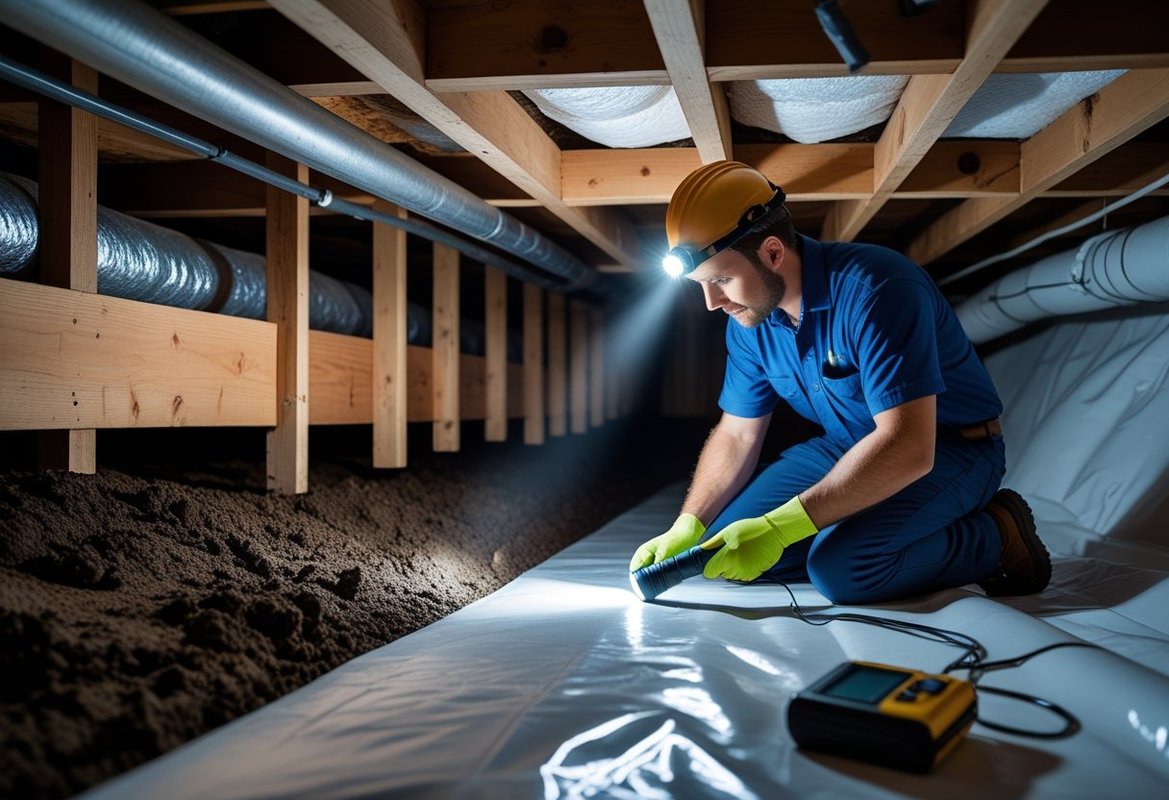
Pros use infrared cameras and moisture meters to find damp spots behind walls or under floors—no need to tear everything apart.
If they find hidden moisture, they’ll use targeted drying methods. Sometimes that means drilling small holes for airflow or pulling out damaged drywall or flooring.
Effective Drying and Dehumidification
Getting rid of extra moisture takes air movement and humidity control.
Proper drying stops mold and keeps your home’s structure safe. It also helps materials bounce back faster.
Using Fans and Air Movers
Fans and air movers push air across wet surfaces to speed up evaporation.
Aim them at an angle toward walls, floors, or carpets—not straight on. That keeps air moving and lifts moisture into the air.
In big rooms, use several air movers in different corners. For small spaces, one or two high-velocity fans will do.
Keep doors and windows closed during drying. Letting in Atlanta’s humid air just slows things down. Focus on moving air inside.
Dehumidifiers and Dehumidification
Dehumidifiers pull water vapor from the air after fans have done their thing.
Run them for 24–48 hours after a leak, though it depends on the space and how much water you’re dealing with.
Large units work best for basements or big rooms, smaller ones for bedrooms or bathrooms.
Set dehumidifiers away from walls and furniture so air can circulate. Empty the tank or hook up a drain hose for continuous use.
Monitoring Moisture Levels
Drying isn’t done until moisture levels return to safe ranges. Walls, floors, and furniture might look dry but still hide dampness.
A moisture meter checks water inside materials like drywall or wood. Homeowners in Atlanta, GA should check readings daily during drying.
If numbers stay high, keep fans and dehumidifiers running longer. Restoration pros often use thermal imaging cameras to spot hidden moisture.
For most folks, a handheld meter is enough to track progress and dodge future damage.
Preventing and Addressing Mold Growth
Moisture from leaky pipes can set up the perfect conditions for mold to spread. Fast drying and early detection make a huge difference.
Mold Prevention Steps After Water Damage
Mold can start forming in just 24 to 48 hours after water damage. Quick action really matters.
Stop the leak and get rid of standing water first. Dry all wet surfaces with fans, open windows, and dehumidifiers.
If carpets, insulation, or drywall stay wet, it’s best to remove them. Keeping indoor humidity below 50% helps a lot.
Check hidden spots—under sinks, behind walls, around appliances—especially in areas like Sandy Springs or Decatur. Fixing small leaks right away can save you a headache later.
Checklist for prevention:
- Fix leaks immediately
- Remove water within 24–48 hours
- Dry or replace damaged materials
- Use dehumidifiers and ventilation
- Monitor humidity levels
Identifying Signs of Mold
Mold doesn’t always grow where you can see it. It loves hidden, damp corners.
A musty smell is usually the first clue. Visible mold might show up as black, green, or white patches on walls or ceilings.
Water stains, peeling paint, or warped surfaces can also mean mold’s around. Health symptoms like coughing, sneezing, or itchy eyes may get worse indoors and ease up when you leave.
Check areas with past water damage often, especially if you’re in older homes around Marietta, GA. Even tiny leaks behind walls can feed mold colonies.
When to Call Mold Remediation Experts
Some mold problems are just too big for DIY fixes. If mold covers more than 10 square feet or keeps coming back, it’s time for pros.
Mold remediation experts use special tools to find hidden mold. They follow safety steps so spores don’t spread to other rooms.
If mold’s inside walls, HVAC systems, or plumbing, you’ll need their equipment and know-how. They can also suggest ways to prevent future mold, like better ventilation or improved insulation.
Restoring Your Property After Water Damage
Water damage from a leaky pipe can weaken building materials and leave behind hidden moisture. Proper restoration means tackling structure, sanitation, and future protection.
Structural Repairs and Material Replacement
Water can soak into drywall, flooring, and framing. Once these materials get saturated, they lose strength and often need to go.
Contractors in Atlanta, GA usually cut out damaged drywall, swap out warped subflooring, and check wall studs for rot. Roofs, insulation, and electrical systems also need a look.
Wet insulation can’t be reused, and water-damaged wiring might need to be replaced. Always fix the pipe before rebuilding to avoid a repeat.
Here’s a quick breakdown:
| Material | Action Needed |
|---|---|
| Drywall | Cut and replace |
| Flooring | Remove and reinstall |
| Insulation | Discard and replace |
| Wiring | Inspect, repair, replace |
Handle weakened structures first so the building’s safe before cleaning starts.
Cleaning and Sanitizing Affected Areas
After repairs, cleaning targets bacteria, mold, and smells left by standing water. Crews use pumps or vacuums to pull out leftover moisture, then disinfect surfaces.
High-touch spots—floors, cabinets, baseboards—need extra attention. Porous items like carpets, mattresses, and upholstered furniture usually can’t be salvaged if they’re soaked.
Non-porous stuff like metal, tile, and glass can be cleaned and reused. Air movers and dehumidifiers speed up drying and help prevent mold.
Sanitizing makes the home safe for daily life again.
Final Inspection and Preventive Maintenance
A final inspection checks that everything’s dry, stable, and hazard-free. Moisture meters might get used on hidden spots inside walls or under floors.
Preventive maintenance helps avoid future water damage. Schedule regular pipe inspections, insulate exposed plumbing, and check for leaks in the roof or foundation.
Installing water leak detectors near sinks, water heaters, and washing machines gives you early warnings. Routine upkeep keeps repair costs down and protects your property from future pipe problems—especially in busy areas like Buckhead or Alpharetta.
Browse [[[[[[[[[[[[[[[water damage restoration companies in Atlanta](https://water-damage-atlanta.com/atlanta/water-damage-restoration)](https://water-damage-atlanta.com/atlanta/water-damage-restoration)](https://water-damage-atlanta.com/atlanta/water-damage-restoration)](https://water-damage-atlanta.com/atlanta/water-damage-restoration)](https://water-damage-atlanta.com/atlanta/water-damage-restoration)](https://water-damage-atlanta.com/atlanta/water-damage-restoration)](https://water-damage-atlanta.com/atlanta/water-damage-restoration)](https://water-damage-atlanta.com/atlanta/water-damage-restoration)](https://water-damage-atlanta.com/atlanta/water-damage-restoration)](https://water-damage-atlanta.com/atlanta/water-damage-restoration)](https://water-damage-atlanta.com/atlanta/water-damage-restoration)](https://water-damage-atlanta.com/atlanta/water-damage-restoration)](https://water-damage-atlanta.com/atlanta/water-damage-restoration)](https://water-damage-atlanta.com/atlanta/water-damage-restoration)](https://water-damage-atlanta.com/marietta/companies) to find vetted specialists near you.
Frequently Asked Questions
Water from a leaky pipe can spread fast, damage materials, and set the stage for mold. Acting quickly and knowing what to watch for can save money and hassle.
What are the first steps I should take when I notice water damage from a leaky pipe?
Shut off the main water supply right away. If water’s near outlets or wiring, also turn off the electricity in that area.
Remove standing water with towels, a wet vacuum, or buckets. If the damage is more than minor, call a restoration pro.
How can I determine the extent of water damage in my home?
Look for stains, warped flooring, or peeling paint. Check for soft spots or bulges on walls and ceilings.
A moisture meter or a pro inspection can uncover hidden water behind drywall or under floors.
What are the risks of ignoring water damage caused by a leaky pipe?
Ignoring water damage can weaken wood, drywall, and flooring. Over time, you might face serious structural issues needing major repairs.
Mold is another big risk—it spreads fast in damp materials.
Can water damage from a leaky pipe lead to mold growth, and how can it be prevented?
Yes, mold can start growing within 24 to 48 hours. Dry the area quickly with fans and dehumidifiers.
Remove any wet materials that can’t be completely dried, like soaked carpet padding.
What should I look for in a professional water damage restoration service?
Choose a company certified in water damage restoration. Look for experience with plumbing leaks and access to solid drying equipment.
Check reviews, and make sure they provide clear estimates and emergency response—especially if you’re in a busy spot like Midtown Atlanta.
How long does it typically take to restore a home after water damage from a leaky pipe?
It really depends on how much water got loose and how quickly you start cleaning up. Usually, drying things out takes anywhere from 2 to 5 days.
Fixing stuff like drywall or flooring might take a week, sometimes longer—especially if you live in busy Atlanta neighborhoods like Sandy Springs or Decatur. If the damage is really bad, expect it to drag out for several weeks.
For more on responding quickly to water intrusion, read what to do after basement flooding in Atlanta.
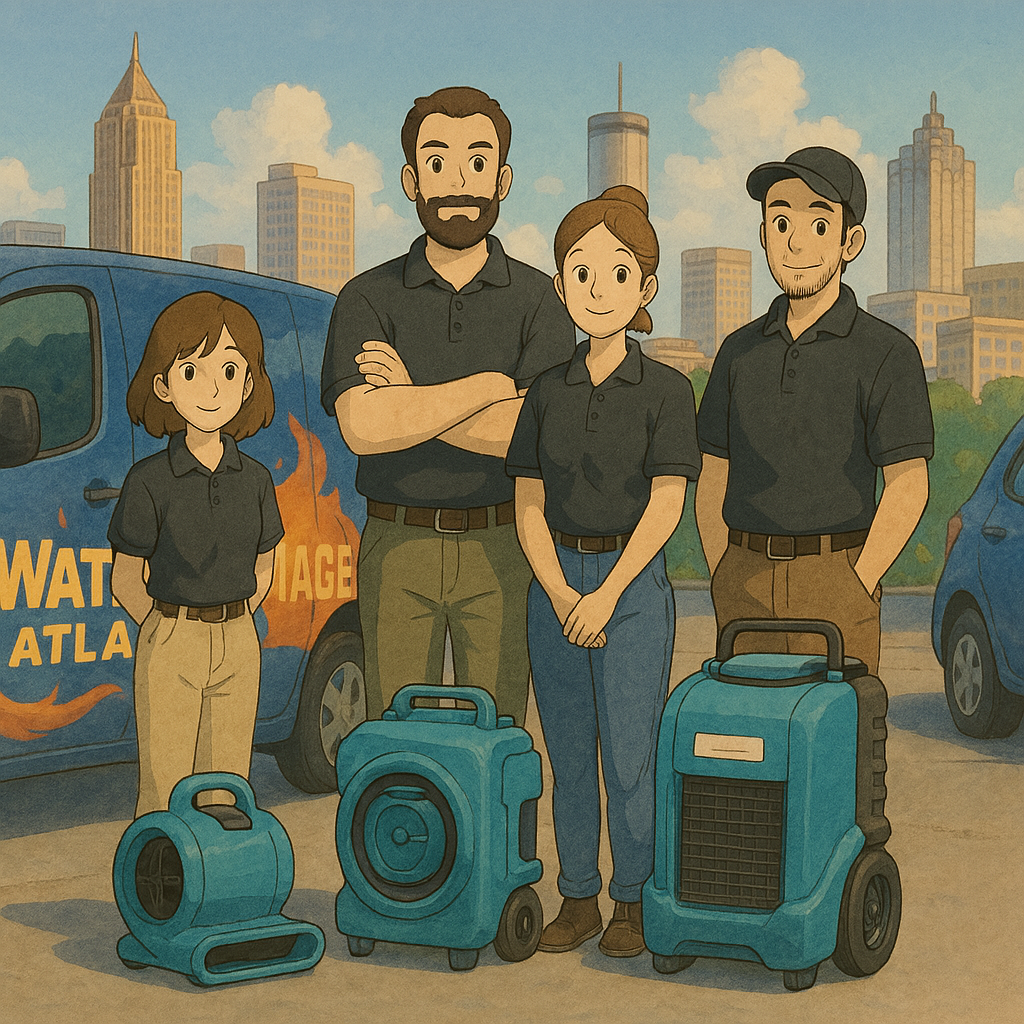
Water Damage Atlanta Editorial Team
Restoration & Home Services Expert
We help Atlanta homeowners recover from water damage with trusted advice and local resources.