How We Find and Eliminate Hidden Mold Sources in Your Home
Mold loves to hide in places we rarely check—behind walls, under floors, in attics. Spots like these, especially with moisture and bad airflow, become perfect for mold to take hold.

How We Find and Eliminate Hidden Mold Sources in Your Home
Mold loves to hide in places we rarely check—behind walls, under floors, in attics. Spots like these, especially with moisture and bad airflow, become perfect for mold to take hold.

Most folks only notice mold when it’s already visible, but by then, it’s often spread much further. Hidden mold doesn’t just mess up your air quality—it can quietly wreck your house and bring on new moisture problems.
If you live in the Atlanta, GA area—maybe in Marietta, Decatur, or Sandy Springs—knowing where mold hides and how to spot it early can make all the difference.
Let’s get into why hidden mold matters, where it usually develops, and how professionals in places like Roswell or Alpharetta find and remove it. We’ll also touch on ways to keep it from coming back.
Why Hidden Mold Is a Serious Concern
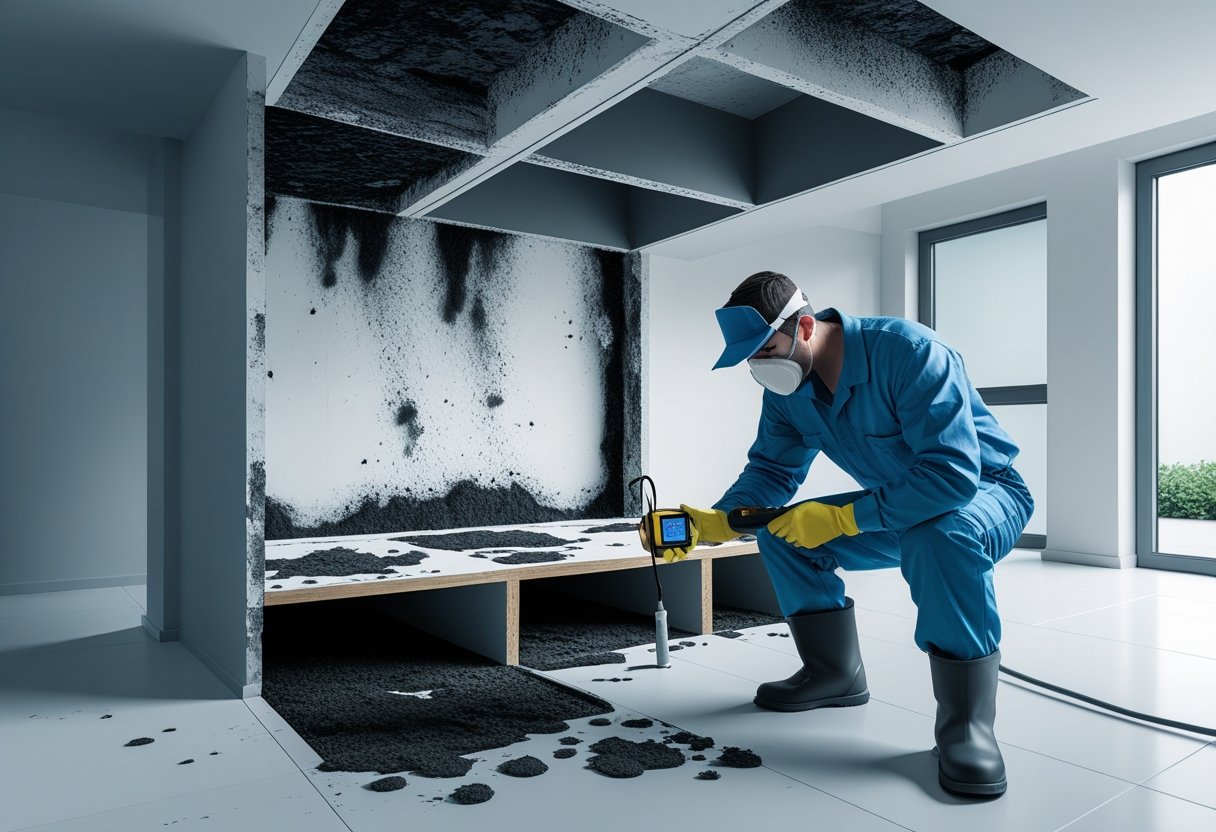
Mold doesn’t announce itself. It spreads quietly in walls, ceilings, or HVAC systems. By the time you notice, it might already be causing trouble for your health or your home’s structure.
Health Risks of Mold Exposure
Everyone reacts differently to mold. Some folks just get a little cough or sneeze, while others—especially those with asthma or allergies—might have bigger issues.
Kids and older adults in Atlanta homes can be more sensitive. If you’re noticing stuffy noses, watery eyes, or skin irritation that clears up when you leave, mold could be the culprit.
Long-term exposure is worse. Mold spores floating in the air can lead to chronic sinus infections or flare up existing breathing problems. Black mold (Stachybotrys chartarum) sometimes causes even harsher reactions.
Musty smells are a giveaway. Even if you can’t see mold, that odor means spores are in the air, and you’re probably breathing them in.
Doctors usually say: get rid of the mold, not just the symptoms. Otherwise, you’ll keep getting sick.
Structural Damage From Hidden Mold
Mold isn’t just a health issue—it eats away at your house. It loves wood, drywall, insulation, and carpet backing.
Moisture is the main culprit. Once mold sets in, it can rot wood framing, stain drywall, and ruin insulation—sometimes making your home less energy efficient.
If left unchecked, mold can even compromise your home’s structural integrity. Wood can rot, drywall can crumble, and floors might start to warp or buckle.
These problems often stay hidden until you remodel or inspect. Fixing this kind of damage can get expensive fast.
Common Sources and Causes of Hidden Mold
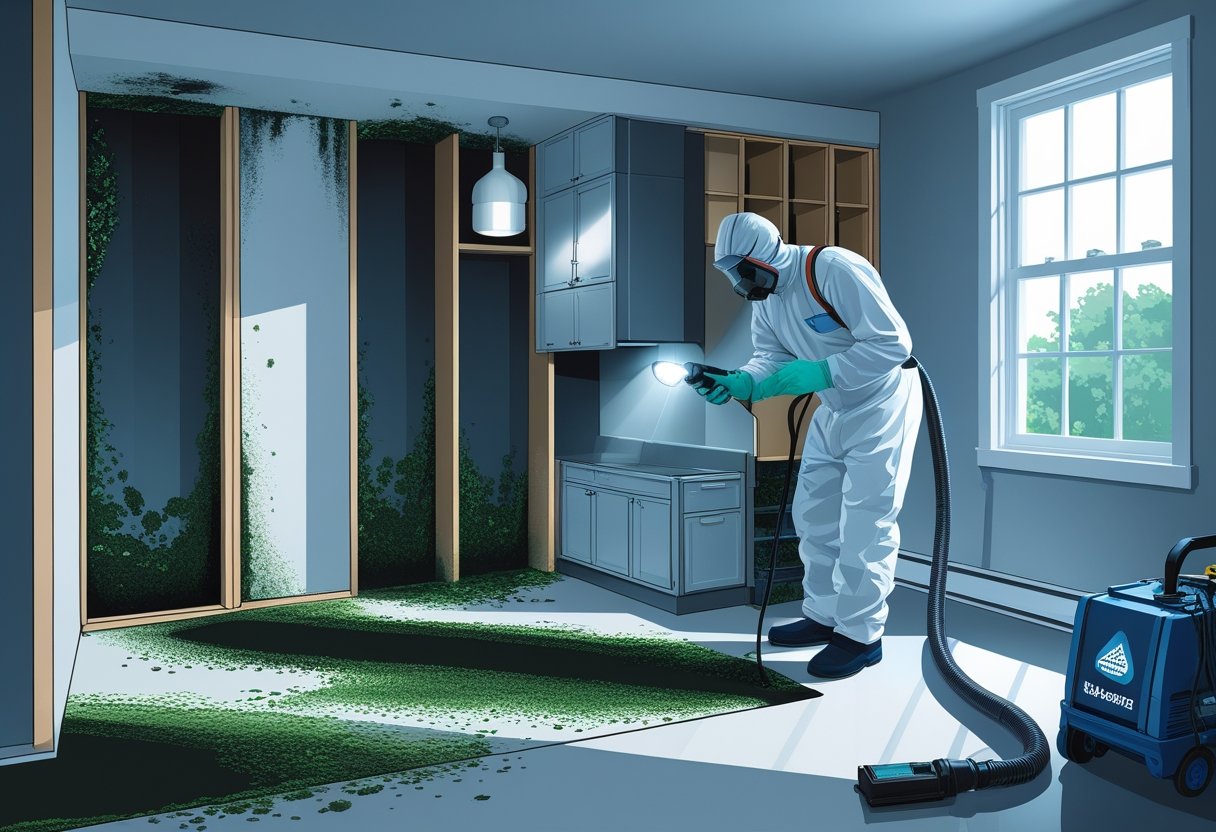
Hidden mold usually pops up where moisture lingers out of sight. Leaks, humidity, or poor airflow—these are the usual suspects in places like [Decatur, GA homes.
Water Leaks and Water Damage](https://water-damage-atlanta.com/decatur)
Leaks are a top reason for hidden mold. Even a small drip from a pipe or a faulty appliance can soak into drywall, flooring, or insulation.
If you’ve had a flood or a burst pipe, you’re at higher risk. Mold can start growing in as little as 24–48 hours if things stay wet.
Watch out for:
- Plumbing leaks under sinks, behind walls, or around toilets
- Roof leaks that let water into attics or ceilings
- Appliance leaks from dishwashers, washing machines, or water heaters
If you don’t fix and dry things out fast, mold will find a way.
Condensation and High Humidity
Condensation happens when warm, moist air hits cooler surfaces—think windows, pipes, or concrete. Basements and bathrooms, especially in older Atlanta homes, are prime spots for this.
High humidity is another big risk. If it’s over 60% inside, moisture will build up in places like closets, crawl spaces, and corners with poor airflow.
To fight this:
- Use dehumidifiers in damp rooms
- Insulate cold pipes
- Keep humidity between 30–50%
These steps make it much harder for mold to get comfortable.
Poor Ventilation and HVAC Systems
Bad ventilation traps moisture. Bathrooms, kitchens, and laundry rooms without good exhaust fans hold onto steam, which soaks into walls and ceilings.
HVAC systems can be sneaky. Dust and moisture inside ducts or coils feed mold. Once it’s in there, the system can spread spores all over your house.
Watch for:
- Clogged drain pans with standing water
- Dirty filters full of dust and spores
- Leaky ducts letting in humid air
Regular cleaning and changing filters goes a long way. If you’re in Sandy Springs or Brookhaven, don’t skip this stuff.
Detecting Hidden Mold in Your Home
You can’t always see mold, but you’ll notice signs. Smells, weird stains, or health issues can all point to hidden growth. A few tools can help confirm what’s going on.
Physical Signs and Musty Odors
A musty smell in a room, basement, or closet is a classic sign. If it doesn’t go away after cleaning, there’s probably mold hiding somewhere.
Check for discoloration—green, black, or brown stains on walls, ceilings, or floors. Peeling paint, warped drywall, or soft wood spots are red flags.
Look near plumbing leaks, under sinks, and around windows. Mold loves these damp, tucked-away spots.
Health Symptoms as Warning Signs
You might notice sneezing, coughing, congestion, or itchy eyes that get better when you leave home. If you or someone in your house has asthma or allergies, reactions might be stronger.
Long-term, you could feel tired, get headaches, or have trouble breathing. If symptoms seem worse in certain rooms—say, the basement in your Roswell, GA home—it’s time to investigate.
Using Moisture Meters and At-Home Mold Tests
A moisture meter checks how wet your walls, floors, or ceilings are. High readings mean water has gotten in, which usually leads to mold.
At-home mold tests can pick up spores in the air or on surfaces. Swabs, tape lifts, or air samplers are common. They won’t tell you exactly what type of mold, but they’ll show if it’s present.
Use these tools where you notice musty smells, stains, or after water damage. If results are high, it’s probably time to call in a pro.
Hidden Mold Hotspots: Where Mold Commonly Hides
Mold needs moisture, poor airflow, and something organic to feed on. These conditions can show up in any home, especially in places like East Point or College Park, GA.
Inside Walls and Under Flooring
Moisture behind drywall or under floors is a mold magnet. Leaky pipes, roof leaks, or condensation inside walls give mold a place to spread unseen.
Carpet and padding can trap water from spills or floods. If you don’t dry things out fast, mold will grow underneath, and you might not notice until there’s a smell or a stain.
Watch for:
- Musty smells near walls or floors
- Discoloration or bubbling paint
- Warped or soft spots in flooring
Since you can’t see inside walls, pros use moisture meters to find trouble spots.
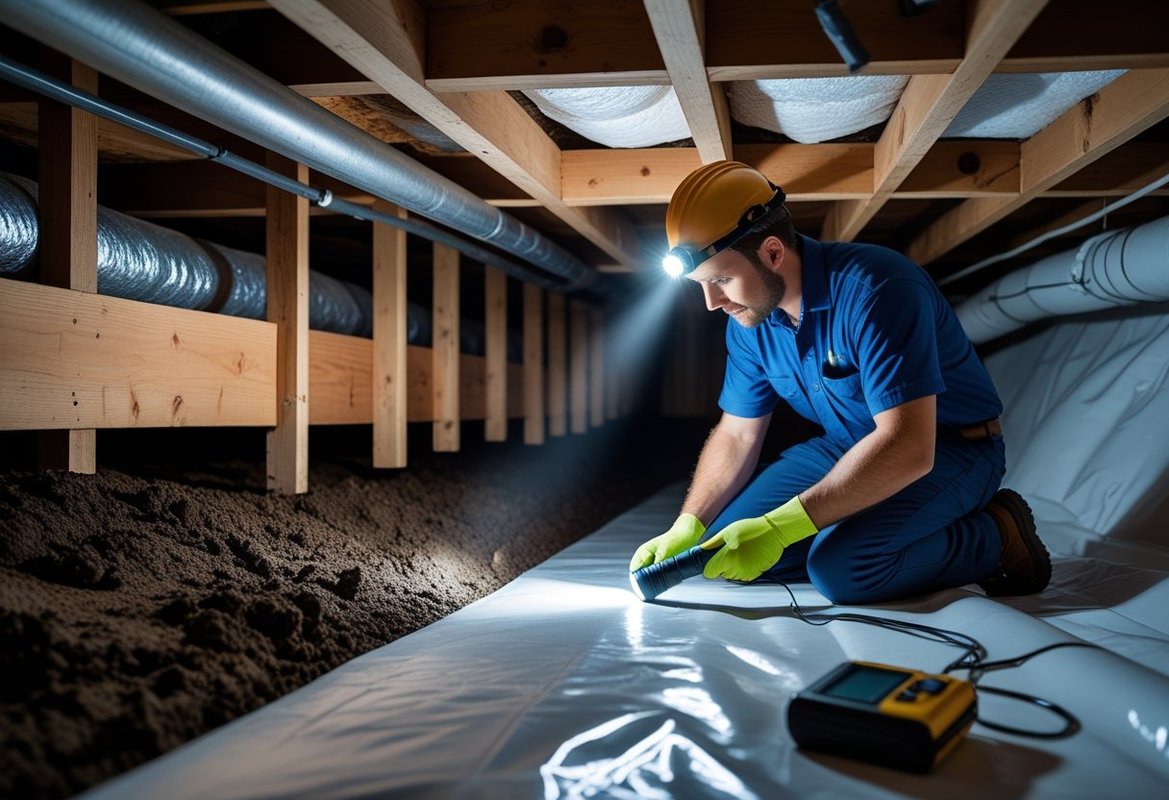
Basements, Attics, and Crawl Spaces
Basements, attics, and crawl spaces are classic mold trouble spots. Basements often have foundation cracks or leaks that keep things damp.
In attics, roof leaks, poor insulation, or condensation around beams can all cause mold. Crawl spaces are risky too—exposed soil, pipes, and bad airflow make them perfect for mold.
Look for:
- Standing water or damp soil
- Not enough insulation
- Stale, trapped air
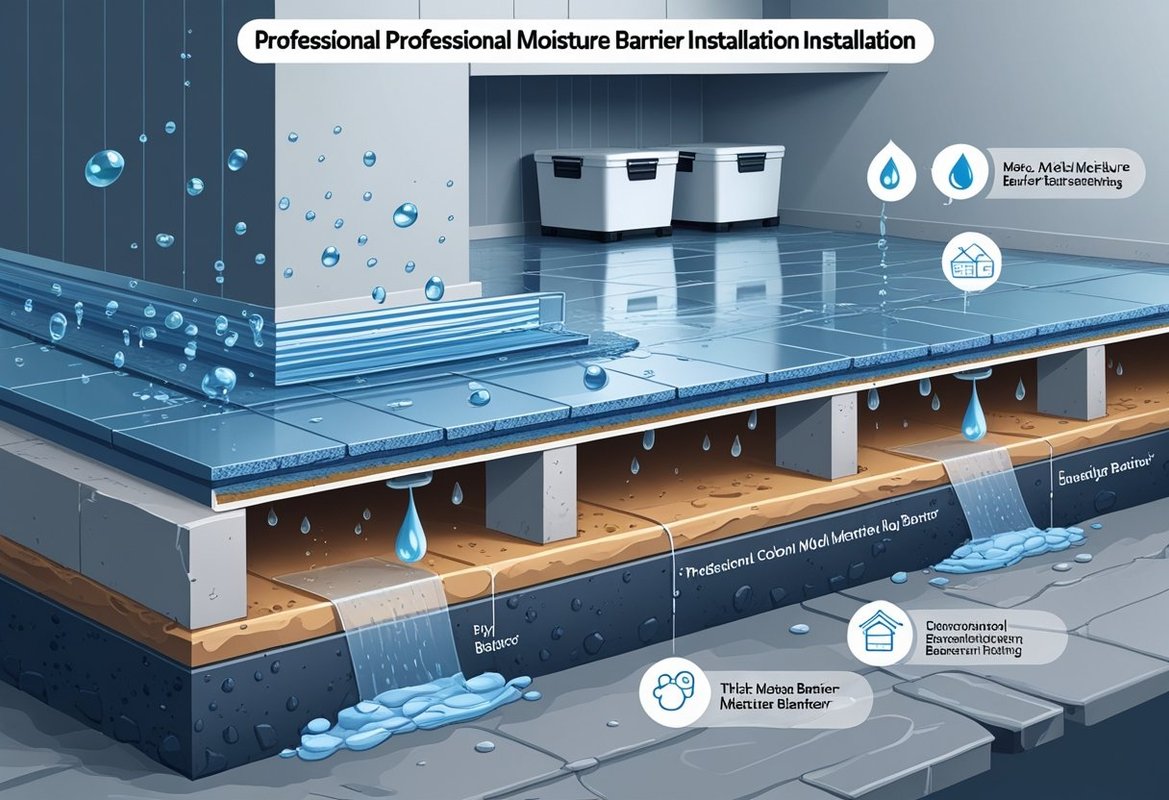
Adding vapor barriers, sealing leaks, and boosting ventilation helps. But you’ve got to check these spaces regularly since they’re easy to forget.
Kitchens, Bathrooms, and Laundry Areas
These rooms see a lot of water. Leaks under sinks, behind dishwashers, or around tubs and showers can let mold grow out of sight.
Laundry rooms trap moisture behind washers or inside dryer vents. Bathrooms are especially vulnerable—steam and poor ventilation help mold hide behind tile or under caulking.
High-risk spots:
- Under sinks and appliances
- Around showers and tubs
- Behind washers and dryers
Use exhaust fans, fix leaks quickly, and keep things dry. It’s simple, but it works.
Air Ducts and HVAC Components
Mold can spread through air ducts and HVAC systems if moisture builds up inside. Condensation in coils, drain pans, or ductwork creates damp surfaces mold loves.
Dust and debris in ducts feed mold, too. Sometimes, you won’t notice until you smell it when the system kicks on.
Check:
- Condensate drain pans
- Cooling coils
- Poorly insulated ductwork
Regular cleaning and filter changes help. If you’re in Buckhead or Midtown Atlanta, don’t ignore your HVAC—mold can travel fast this way.
Professional Mold Inspection and Testing
Mold hides in wall cavities, under floors, or inside HVAC systems. Professional inspections in Atlanta-area homes help find the source and guide safe removal.
When to Seek Professional Help
If you see mold, smell musty odors, or keep having unexplained health issues, it’s time to call a pro. Mold loves damp spots like basements and bathrooms, but it can spread anywhere.
After water damage, during real estate deals, or if DIY cleaning doesn’t solve the problem, bring in experts. They have the right tools and training to find what you can’t.
If mold covers a big area, or if someone in your home has asthma, allergies, or a weak immune system, don’t wait. Professional mold remediation in Marietta, GA or anywhere in Atlanta is critical.
What to Expect During a Mold Inspection
A licensed inspector starts with a visual check—looking for water damage, stains, or warped materials. They use moisture meters, thermal cameras, and scopes to find damp spots behind walls or ceilings.
They’ll check air flow and ventilation, since trapped moisture helps mold grow. Expect questions about past leaks, flooding, or humidity issues.
If they suspect contamination, they’ll take samples for mold testing. You’ll get a report with their findings and recommendations for cleanup.
Types of Mold Testing Methods
Inspectors use several mold testing methods, depending on what they find onsite.
Air sampling checks the number of spores in your indoor air and compares it to outdoor levels. This can confirm if hidden mold is messing with your air quality.
Surface sampling means taking swabs or tape lifts from spots where mold is visible or suspected. This helps identify exactly which mold species are hanging around.
Bulk sampling takes things a step further. Inspectors remove small chunks of building material, like drywall, and send them to a lab. That shows how deep the mold goes.
Air tests reveal exposure risks. Surface and bulk tests confirm the type and extent of contamination.
If you're getting [[[[[[[[[[[[mold remediation in Marietta](https://water-damage-atlanta.com/marietta/mold-remediation)](https://water-damage-atlanta.com/marietta/mold-remediation)](https://water-damage-atlanta.com/marietta/mold-remediation)](https://water-damage-atlanta.com/marietta/mold-remediation)](https://water-damage-atlanta.com/marietta/mold-remediation)](https://water-damage-atlanta.com/marietta/mold-remediation)](https://water-damage-atlanta.com/marietta/mold-remediation)](https://water-damage-atlanta.com/marietta/mold-remediation)](https://water-damage-atlanta.com/marietta/mold-remediation)](https://water-damage-atlanta.com/marietta/mold-remediation)](https://water-damage-atlanta.com/marietta/mold-remediation)](https://water-damage-atlanta.com/marietta/mold-remediation), GA or Decatur, GA, your inspector will likely use a mix of these methods to get the clearest picture.
Effective Mold Remediation and Prevention Strategies
Mold remediation means getting rid of mold safely and making sure it doesn't come back. Small spots can usually be handled with basic cleaning, but bigger or hidden growths? You’ll want a pro for that.
Controlling moisture, boosting ventilation, and taking care of your indoor air quality all help keep mold from returning.
DIY Mold Removal for Small Areas
If the moldy patch is under about 10 square feet, you can probably tackle it yourself. Scrub hard, non-porous surfaces like tile or glass with detergent and water. For grout or textured spots, a stiff brush works well.
Always wear gloves, goggles, and an N95 mask—even for small jobs. Open some windows or run a fan to keep air moving while you clean.
If mold has gotten into porous stuff like carpet, drywall, or ceiling tiles, you’re better off replacing those. Cleaning rarely gets rid of all the growth in those materials.
Dry the area quickly after cleaning. A portable dehumidifier helps lower humidity and keeps mold from coming back, especially in places like bathrooms or your Smyrna, GA basement.
Professional Mold Remediation Process
When mold spreads over a large area or gets into walls, ceilings, or your HVAC system, it's time to call the pros. Specialists start with a thorough inspection, often using a moisture meter to find hidden damp areas.
They seal off the work area with plastic sheeting and use negative air machines to keep spores from spreading. Workers suit up with protective gear and respirators as they remove contaminated materials.
Porous stuff like drywall or insulation usually gets tossed. Non-porous surfaces get cleaned and disinfected. Air scrubbers with HEPA filters grab airborne spores during the process.
Pros also track down and fix the moisture source—maybe a roof leak, busted pipe, or bad ventilation. Without this step, mold will just come back.
Preventing Future Mold Growth With Moisture Control
Moisture is the main reason mold shows up. Try to keep indoor humidity under 60%. Use a dehumidifier in damp spaces like basements, laundry rooms, or crawl spaces in Sandy Springs, GA.
Fix leaks fast. Even a tiny drip under your sink or condensation on a window can set the stage for mold. Check under sinks and around appliances regularly.
A moisture meter comes in handy for checking walls, floors, and wood for hidden moisture. That way, you know things are really dry after a leak or flood.
Run bathroom fans during showers and skip carpet in damp areas. These simple habits help keep mold away.
Improving Home Ventilation and Air Quality
Good ventilation keeps humidity down and improves your indoor air quality. Kitchens and bathrooms need exhaust fans that vent outside, not just into the attic.
Open windows when the weather's nice to let in fresh air. In tightly sealed homes, you might need mechanical ventilation to keep things from getting stuffy.
Air purifiers with HEPA filters can catch mold spores, dust, and other particles. That’s especially helpful for folks with allergies or asthma in Johns Creek, GA.
Take care of your HVAC system, too. Change filters regularly and keep ducts clean to support airflow and reduce the odds of mold spreading.
Browse mold specialists in Atlanta to find certified professionals near you.
Frequently Asked Questions
Hidden mold often pops up in damp or poorly ventilated areas. You might not notice it until you spot damage or start feeling off.
What are the common signs of hidden mold in homes?
A musty smell that won’t quit is a big clue. Stains, discoloration, or warped walls, ceilings, or floors can also point to hidden mold. Some people get allergy-like symptoms indoors—coughing, sneezing, or eye irritation—even if they can't see mold.
Which areas of a home are most susceptible to mold growth?
Mold loves moisture. Basements, bathrooms, kitchens, attics, and laundry rooms are usual suspects. Leaks around roofs, windows, and plumbing create perfect conditions for mold to spread.
What steps should homeowners take when they suspect mold but cannot see it?
Start by looking for water damage, leaks, or condensation. Use dehumidifiers and boost airflow to slow mold growth. If you still can’t find the source, it’s smart to call a professional inspector in the Atlanta, GA area.
How do professionals identify mold sources that are not immediately visible?
Inspectors use tools like moisture meters, thermal cameras, and borescopes to find damp spots behind walls or ceilings. They may take air or surface samples to confirm if mold is present. Their training helps them spot hidden damage without tearing everything apart.
What are effective methods for preventing mold in residential settings?
Keep moisture under control. Fix leaks quickly, keep humidity below 60%, and make sure bathrooms and kitchens have good ventilation. Regular cleaning and using exhaust fans go a long way toward keeping mold at bay.
Can hidden mold cause health problems, and how can it be safely removed?
Hidden mold can definitely cause health problems. People might notice allergies, asthma flare-ups, or just general breathing issues.
If you want to remove mold safely, you should wear protective gear. Seal off the area and use the right cleaning solutions.
For big mold problems—like if you’re dealing with hidden mold in a crawlspace in Sandy Springs, GA—it’s usually better to call a professional. That way, you know the cleanup is thorough and mold won’t just come back.
Curious about testing first? Read our breakdown of DIY mold kits vs. professional [mold testing](https://water-damage-atlanta.com/articles/diy-mold-kits-vs-professional-mold-testing).

Water Damage Atlanta Editorial Team
Restoration & Home Services Expert
We help Atlanta homeowners recover from water damage with trusted advice and local resources.