How We Ensure Black Mold Is Gone for Good With Proven Remediation Methods
Black mold hides in damp corners, behind walls, and sometimes inside your vents. It loves spots where moisture lingers and air barely moves.
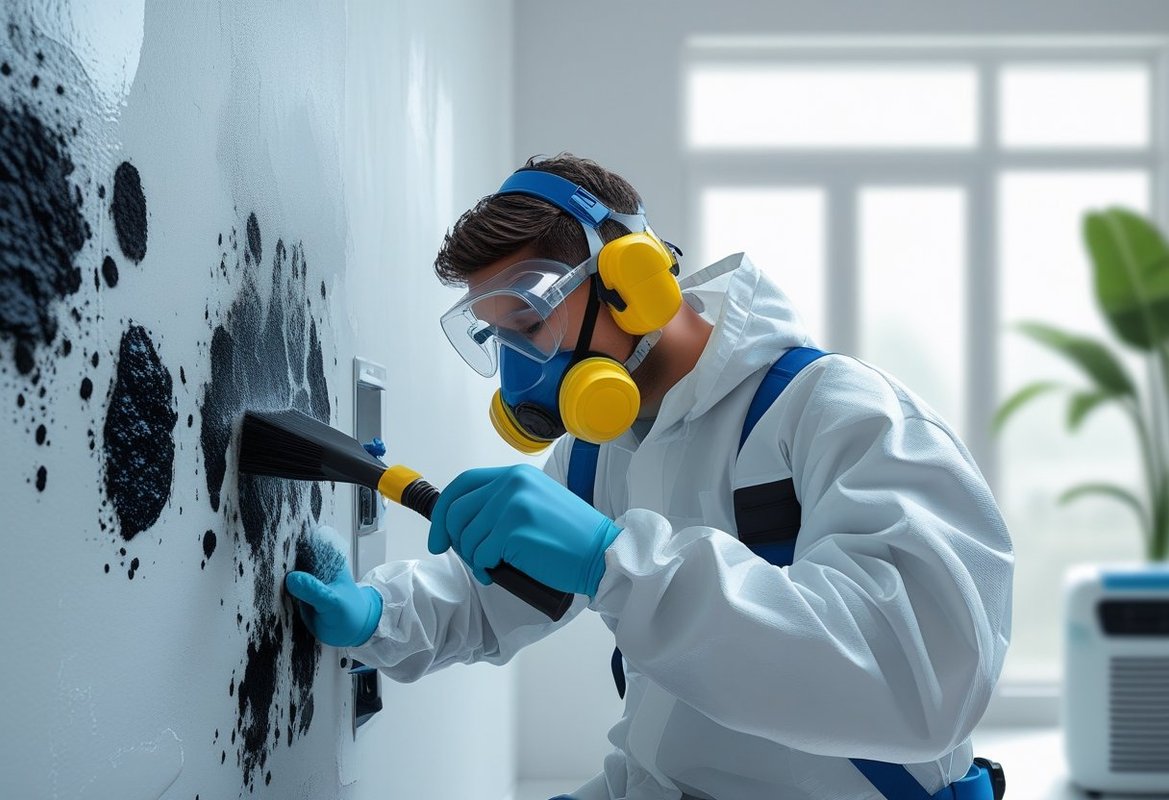
How We Ensure Black Mold Is Gone for Good With Proven Remediation Methods
Black mold hides in damp corners, behind walls, and sometimes inside your vents. It loves spots where moisture lingers and air barely moves.
If you ignore it, black mold damages surfaces and messes with indoor air quality. The only way to be sure black mold is gone for good is to remove it completely and fix the moisture problem that caused it.
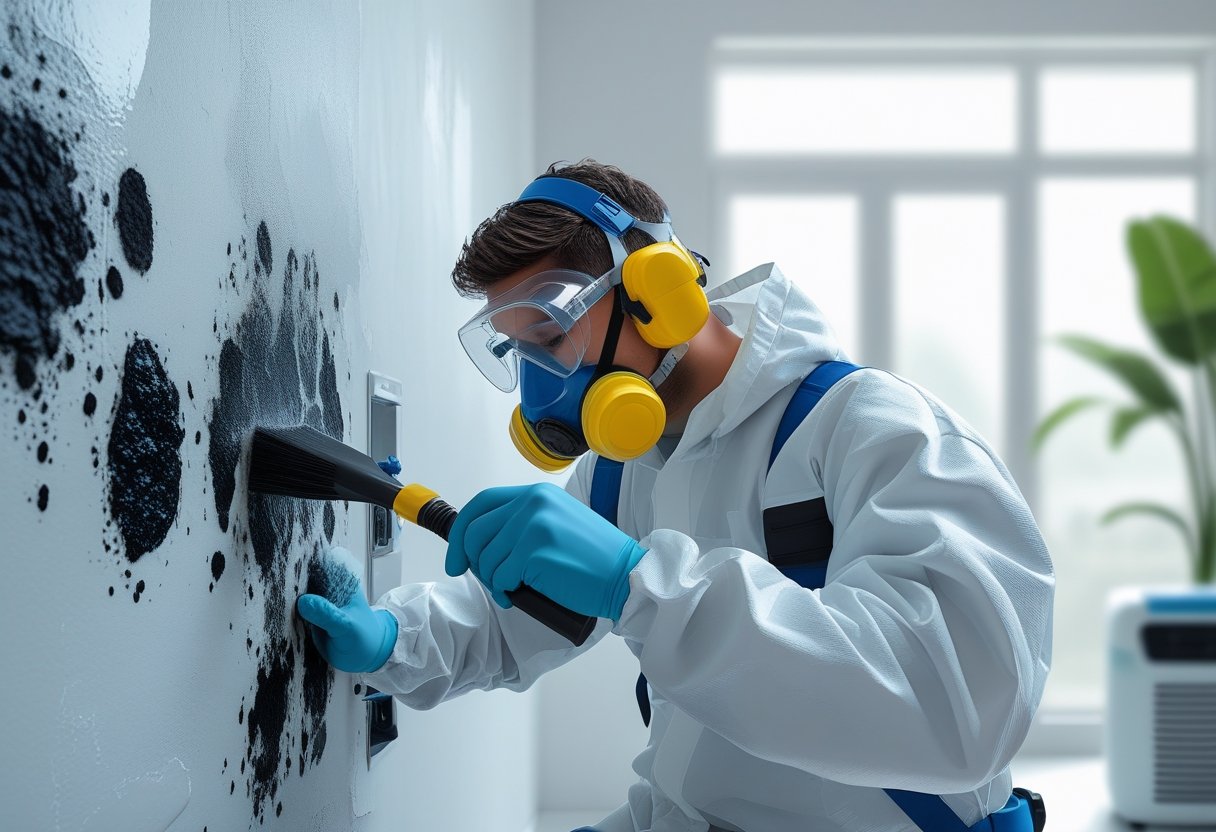
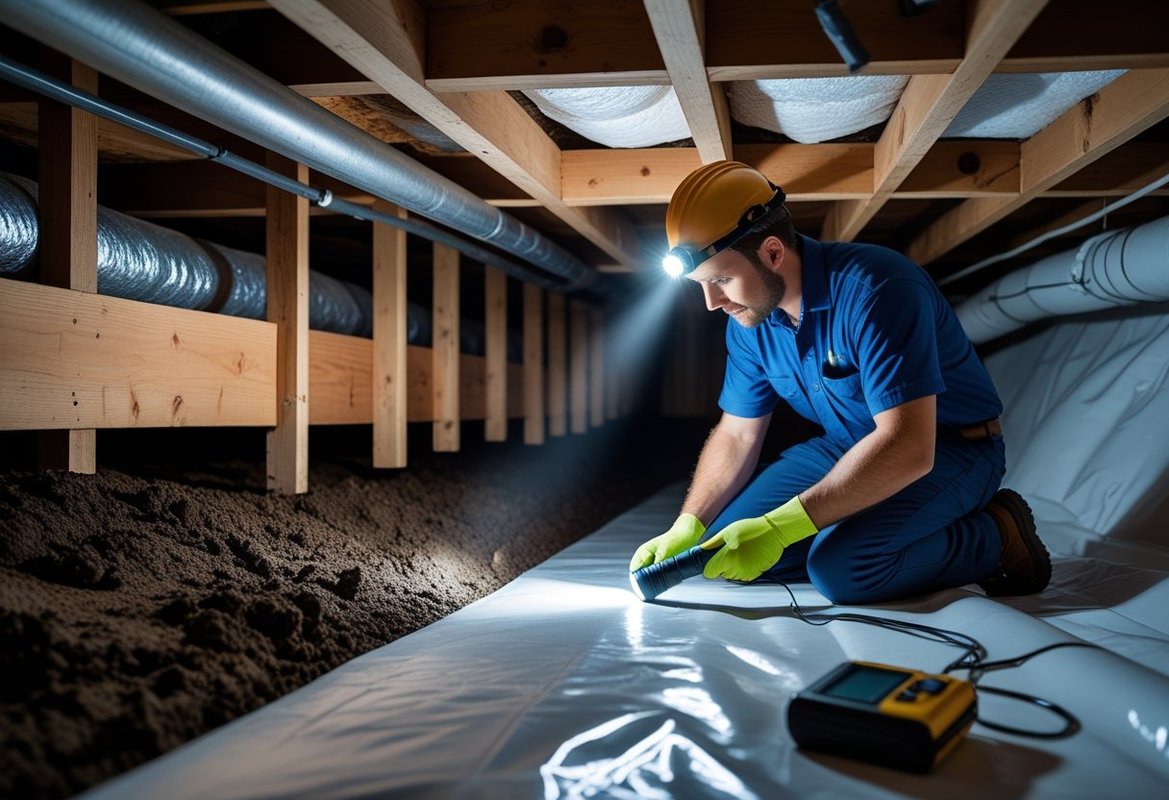
Our process starts by pinpointing the mold and figuring out where it's coming from. We check classic trouble spots—bathrooms, basements, and places with past water leaks.
We repair leaks, boost airflow, and use safe removal methods to keep mold from returning. It's a thorough approach, and honestly, it's the only way to stop mold in its tracks.
Every step focuses on safety and real results. We contain the area, clean thoroughly, and control moisture, so mold doesn't get a second chance.
Understanding Black Mold and Its Risks
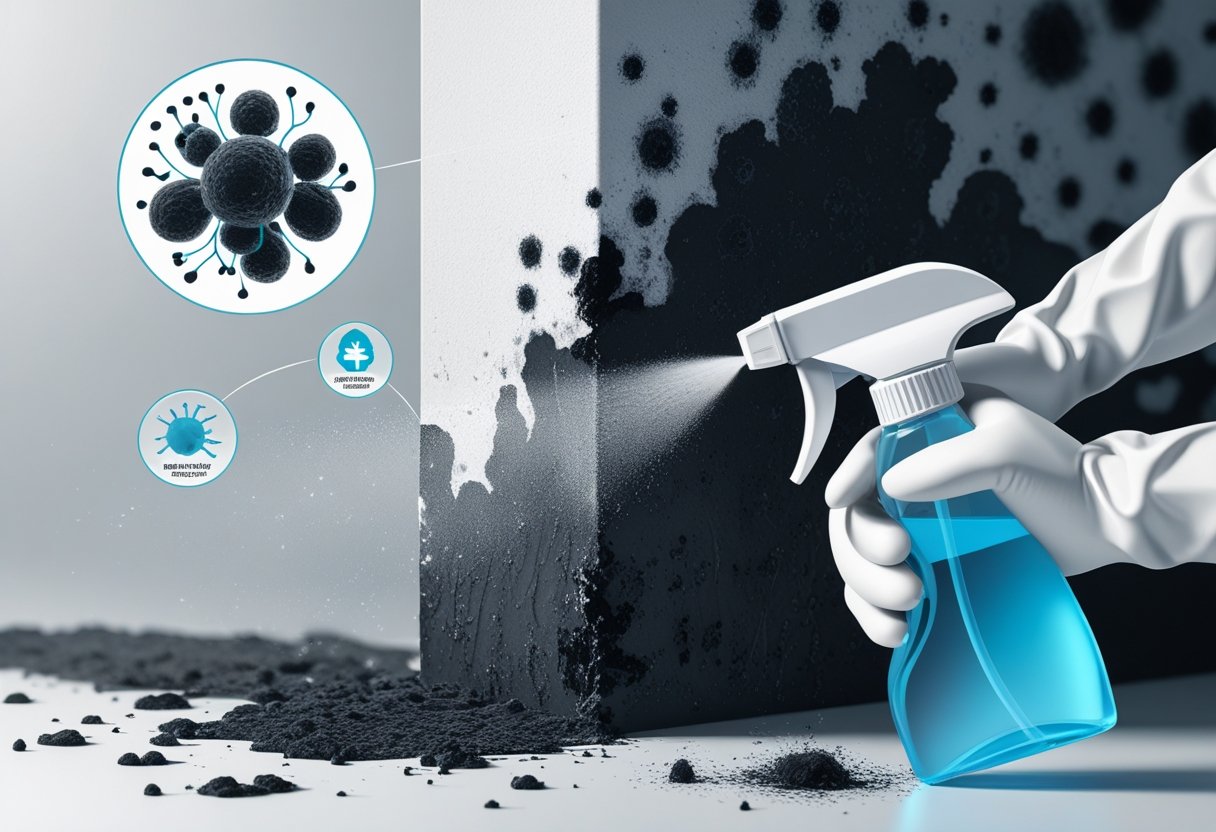
Black mold grows in damp indoor areas and releases spores that can impact health and property. It thrives where there's water damage, poor airflow, or humidity.
What Is Black Mold (Stachybotrys chartarum)?
Black mold, or Stachybotrys chartarum, is a dark green or black fungus. It usually grows on things like drywall, wood, or paper—basically, anything with cellulose that stays wet.
It can't survive without constant moisture. Leaks, flooding, or ongoing condensation are an open invitation.
You won't find it growing on metal, glass, or plastic. This mold puts out tiny spores, which float through the air and settle in other damp spots if you don't fix the underlying moisture.
Health Effects of Black Mold Exposure
Breathing in black mold spores can cause health issues, especially for folks with allergies, asthma, or weak immune systems.
You might notice:
- Nasal congestion
- Coughing or wheezing
- Eye and skin irritation
If you're a child, older adult, or have lung problems, symptoms can hit harder. Sometimes, leaving the moldy place helps symptoms fade—clear proof that fixing the source matters.
Common Signs and Symptoms of Infestation
Black mold usually gives off a musty, earthy smell. Even if you can't see it, you might smell it behind walls or under floors.
Look for dark patches or spots on ceilings, walls, or near windows. If these spots keep spreading, you've probably got a moisture problem.
Other clues:
- Peeling or bubbling paint
- Warped or soft drywall
- Areas that just never seem to dry out
If your allergies or asthma flare up indoors, mold spores could be to blame—even if you can't spot the mold.
Identifying Black Mold in Your Home
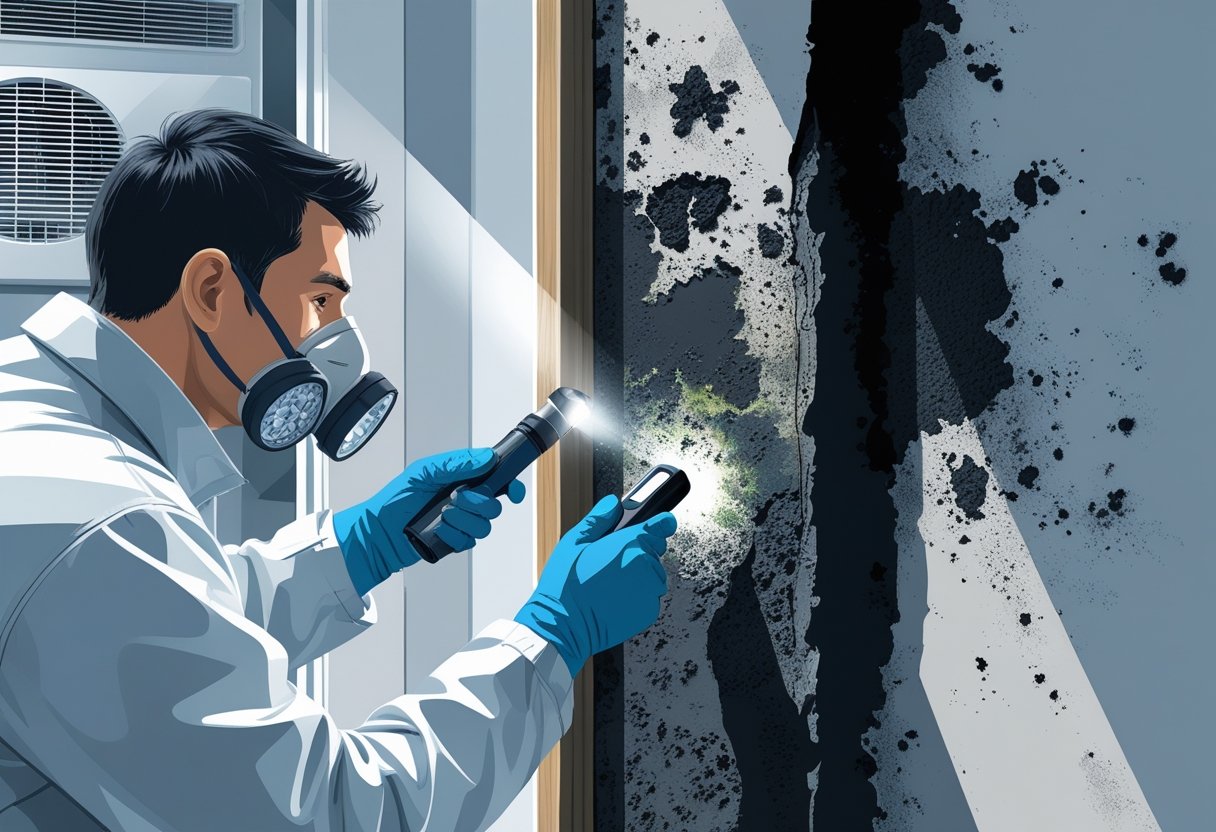
Black mold likes damp, stuffy places and shows up on all sorts of surfaces. Finding it early means looking for visible spots, weird smells, or extra moisture.
Visual and Odor Clues
Black mold looks like dark green, black, or brown spots. Sometimes it's slimy, sometimes fuzzy, sometimes just powdery.
A musty odor is a dead giveaway, even if you can't see the mold. That smell comes from compounds released by the spores.
You might see stains on walls, ceilings, or floors. On wood, it can look like dark streaks or blotches that keep spreading.
If a room smells mustier than the rest, check behind walls, under carpets, or inside the HVAC system. Mold loves to hide.
Common Problem Areas and Surfaces
Mold thrives in places with high humidity or water exposure. Typical trouble spots in Atlanta, GA homes include:
- Bathrooms (showers, tubs, under sinks)
- Basements (near foundation cracks or sump pumps)
- Kitchens (under appliances, around dishwashers, by leaky pipes)
- Windows (sills and frames where condensation forms)
Drywall, wood, carpet, and insulation are at risk. Mold on wood is common in attics, crawl spaces, and around window frames.
Check visible surfaces and hidden spots—behind wallpaper, under floors, or inside walls. Mold is sneaky.
Using Mold Test Kits and Moisture Meters
A mold test kit can confirm if spores are in the air or on surfaces. Usually, you swab or take an air sample and send it to a lab.
A moisture meter checks how wet materials like drywall or wood are. High readings mean mold could show up soon.
Best results come from using these tools along with a good visual inspection. If you find high moisture and a musty smell, don't wait to clean and dry the area.
Keep humidity below 50% and fix leaks fast—especially important if you're in humid areas like Decatur, GA or Smyrna, GA.
Why Mold Returns: The Role of Moisture
Mold keeps coming back if a building stays damp. Even after cleaning, spores just need moisture to start fresh. Controlling moisture is the only real way to keep mold away.
Sources of Moisture and Humidity
Moisture sneaks in through leaks, condensation, or just high indoor humidity. Watch out for:
- Leaky roofs or bad flashing
- Plumbing leaks under sinks or in walls
- Poorly sealed windows and doors
- Condensation on pipes or basement walls
- Weak ventilation in kitchens, bathrooms, or laundry rooms
In Marietta, GA, basements and crawl spaces can get damp from groundwater. Hot, humid air coming inside can also cause condensation.
Appliances like dryers or humidifiers add moisture if you don't vent them properly. Even daily stuff—cooking, showers—raises humidity if you skip the exhaust fan.
Importance of Moisture Control
Keep humidity under 60% to slow mold. A hygrometer helps you track it. Use dehumidifiers and ventilation in damp spots.
Fix leaks ASAP to stop water from soaking in. Seal gaps and add insulation to cut down on condensation.
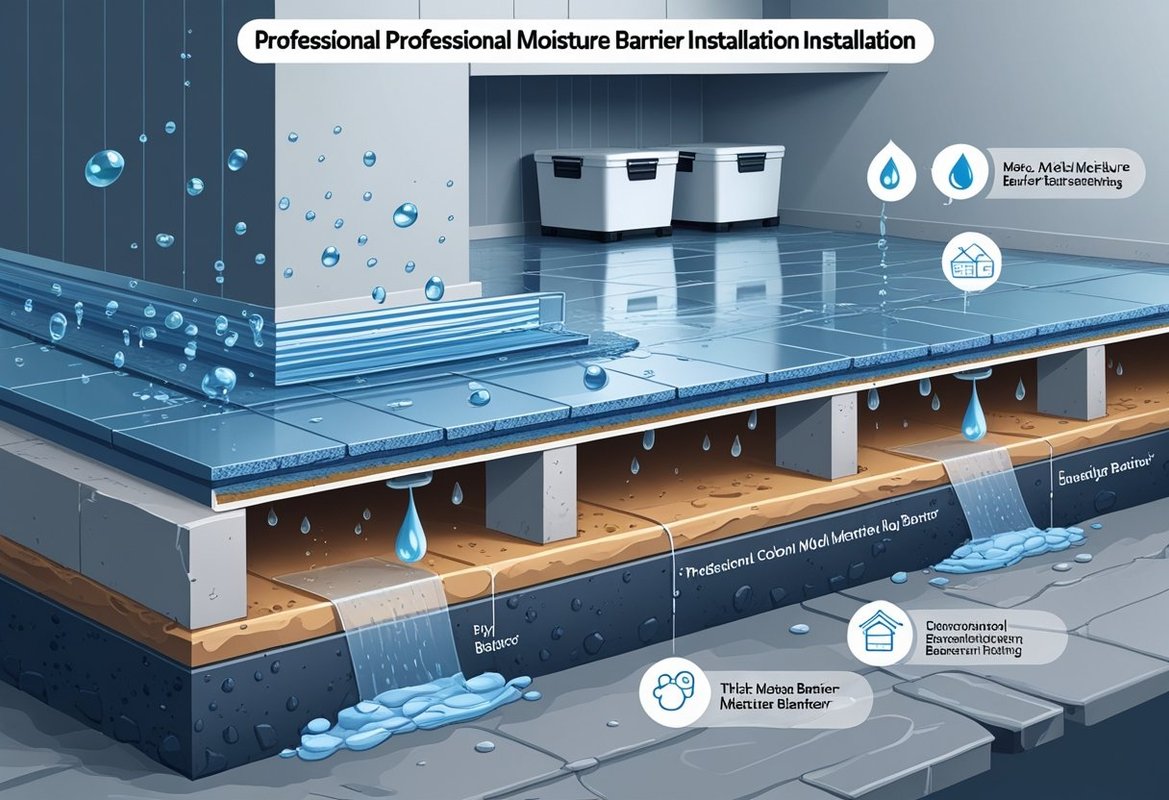
Exhaust fans in kitchens and bathrooms should vent outdoors, not into the attic or crawl space. In basements, vapor barriers and sump pumps help with groundwater.
Keep checking for moisture. After storms or plumbing problems, look for trouble before mold gets started.
Safe and Effective Black Mold Removal Methods
Getting rid of black mold means using the right safety gear, cleaning methods, and knowing when to call in the pros. The approach depends on how much mold there is, what it's growing on, and where it's hiding.
Preparation and Safety Precautions
Before you start, put on protective gear—gloves, goggles, and an N95 mask.
Seal off the area with plastic and painter’s tape to keep spores from spreading.
Find and fix every moisture source first. If you skip this step, mold will just come back.
Here's a quick prep list:
| Step | Action |
|---|---|
| 1 | Wear protective gear |
| 2 | Seal off affected area |
| 3 | Stop moisture sources |
| 4 | Gather cleaning supplies |
DIY Black Mold Removal Techniques
If the patch is under 10 square feet, you can probably handle it yourself. Use 1 cup bleach per gallon of water, or a store-bought mold remover.
Scrub the area with a stiff brush until the mold's gone. Dry it out completely right after.
Never mix bleach with ammonia or other cleaners—it's dangerous. For carpets or ceiling tiles, replacement is safer than cleaning.
Cleaning Different Surfaces
Different surfaces need different care.
- Non-porous (tile, glass, metal): Clean with bleach or a disinfectant.
- Semi-porous (wood, concrete): Scrub with soap and water, then use a mold-killer.
- Porous (drywall, carpet, insulation): Usually, it's best to remove and replace.
Don't soak wood—too much water can ruin it. For fabrics, wash in hot water and dry on high heat if you can save them.
Throw away sponges or rags after cleaning to avoid spreading spores.
When to Hire Professional Mold Remediation
Call a pro for big infestations, mold inside HVAC systems, or if it keeps coming back.
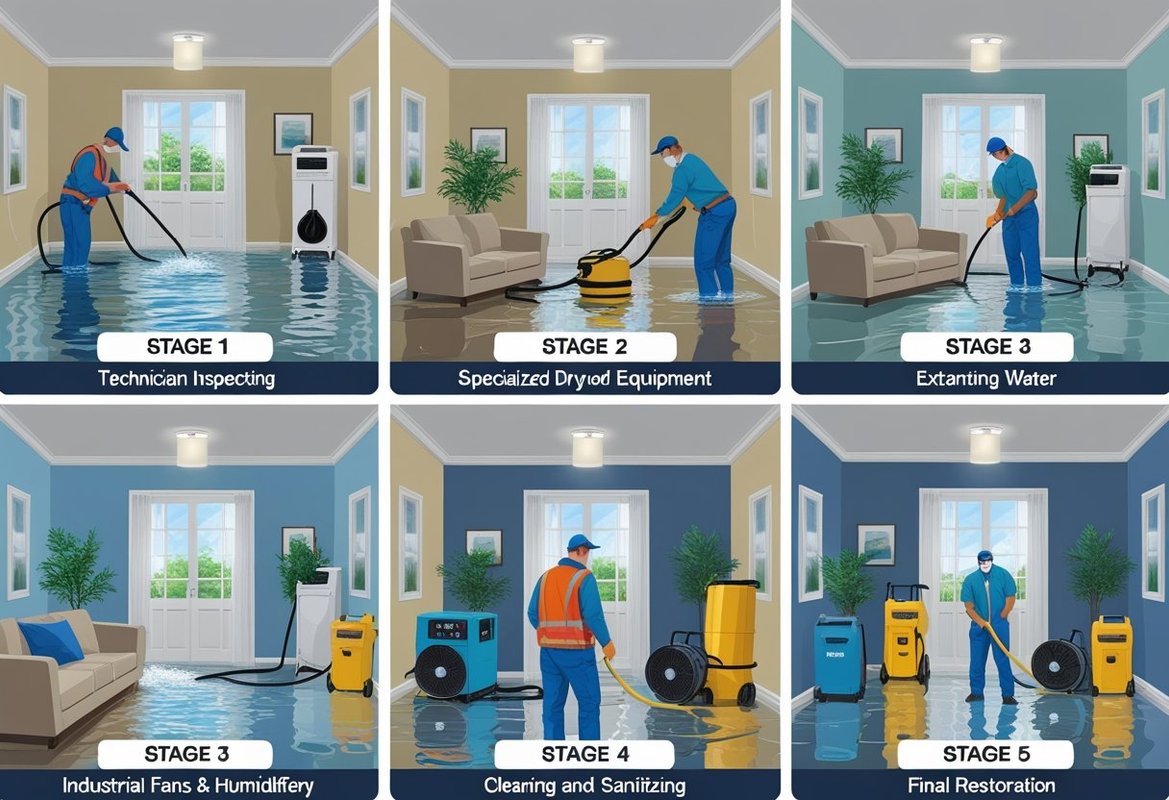
Certified teams use HEPA vacuums, air scrubbers, and antimicrobial treatments to get rid of spores in the air and on surfaces.
They check for hidden mold behind walls or under floors, making sure they fix the real source. It's a bigger investment, but if you're dealing with a serious case—especially in older homes in Buckhead, GA or College Park, GA—it's worth it.
Preventing Black Mold from Returning
To keep black mold away, control moisture, keep air moving, and check problem spots often. Fix leaks fast, manage humidity, and clean damp surfaces before mold has a chance.
Long-Term Moisture Management
Moisture is mold's best friend. Even small leaks or damp spots let spores spread.
Fix plumbing leaks, roof issues, or bad seals right away. Dry wet areas within 24–48 hours to stop mold before it starts.
Keep indoor humidity between 30–50%. A hygrometer is cheap and handy. In places like Sandy Springs, GA where humidity climbs, a dehumidifier can be a lifesaver.
Clean and dry surfaces that get wet a lot, like bathroom walls or basement floors. Waterproof sealants help protect tricky spots.
Improving Ventilation and Airflow
Bad airflow traps moisture and gives mold an easy win. Let air move through every room.
Use exhaust fans in bathrooms, kitchens, and laundry rooms. Make sure they vent outside, not just into the attic.
Open windows when you can to get cross-breezes. In windowless rooms, add vents or use fans.
Don't block vents with furniture or push couches right up against outside walls. Even a small gap helps air move and keeps things drier.
Ongoing Monitoring and Maintenance
Regular checks catch issues before they become mold problems. Look for water stains, peeling paint, or musty smells.
Basements, attics, under sinks, and around windows are hot spots. Try this simple checklist:
| Area to Check | What to Look For | Action Needed |
|---|---|---|
| Under sinks | Leaks, damp wood | Repair leaks, dry surfaces |
| Basement walls | Water intrusion, cracks | Seal cracks, use dehumidifier |
| Bathroom corners | Dark spots, peeling caulk | Clean, re-caulk if needed |
Clean with mild detergent and dry surfaces fast. If moisture keeps coming back, you might need a pro to find hidden leaks or fix airflow.
Protecting Your Health and Home
Limiting your contact with black mold, managing allergy or breathing symptoms, and knowing when to get medical help keeps you and your home safer. Act quickly, use safe cleaning habits, and don't ignore those musty odors—your lungs (and your house) will thank you.
Reducing Exposure to Mold Spores
Mold spores float through the air and land on all sorts of surfaces. If you're cleaning up, especially in places like Decatur, GA or Sandy Springs, GA, grab an N95 respirator, gloves, and goggles first.
Seal off the work area using plastic sheeting and tape. This keeps spores from drifting into other rooms.
Turn off fans and HVAC systems. You don't want to blow mold around your Roswell, GA home.
After cleaning, run a HEPA vacuum over carpets, furniture, and vents. Toss the clothes you wore into a hot wash and dry them fully.
Key steps to limit spores:
- Wear protective gear
- Contain the affected area
- Use HEPA filtration
- Clean and launder items promptly
Addressing Allergies and Respiratory Issues
Mold can make you sneeze, cough, or deal with itchy eyes and stuffy nose. Folks with asthma or ongoing breathing problems might get hit even harder.
Keep indoor humidity below 50%. Use a dehumidifier—especially if you're in humid areas like East Point, GA. Air purifiers with HEPA filters help trap airborne spores.
If you're allergic to mold, steer clear of contaminated areas during cleanup. Over-the-counter antihistamines or nasal sprays can help, but use them as your doctor recommends.
Common signs of mold-related reactions:
| Symptom | Possible Cause |
|---|---|
| Sneezing | Allergic response to spores |
| Wheezing | Asthma flare-up |
| Eye irritation | Airborne mold particles |
When to Seek Medical Advice
If symptoms stick around or get worse after mold exposure, it's time to call a doctor. This matters even more for kids, seniors, and anyone with a weak immune system.
Shortness of breath, chest tightness, fever, or bad allergic reactions mean you should get medical help. Doctors can run tests and figure out the right treatment.
Sometimes, you'll need to see a specialist like an allergist or pulmonologist. Early care can help prevent bigger health problems.
Browse [certified [[[[[[[[[[[mold remediation companies in Atlanta](https://water-damage-atlanta.com/atlanta/mold-remediation)](https://water-damage-atlanta.com/atlanta/mold-remediation)](https://water-damage-atlanta.com/atlanta/mold-remediation)](https://water-damage-atlanta.com/atlanta/mold-remediation)](https://water-damage-atlanta.com/atlanta/mold-remediation)](https://water-damage-atlanta.com/atlanta/mold-remediation)](https://water-damage-atlanta.com/atlanta/mold-remediation)](https://water-damage-atlanta.com/atlanta/mold-remediation)](https://water-damage-atlanta.com/atlanta/mold-remediation)](https://water-damage-atlanta.com/atlanta/mold-remediation)](https://water-damage-atlanta.com/atlanta/mold-remediation)](https://water-damage-atlanta.com/marietta/companies) to find specialists who can handle black mold for good.
Frequently Asked Questions
Black mold removal means using proven cleaning methods, taking safety steps, and stopping regrowth. Health risks depend on how much mold there is, how long you're exposed, and your personal sensitivity.
What methods effectively kill black mold permanently?
Clean with EPA-approved mold killers. Remove contaminated materials if needed, and make sure everything dries out fully.
HEPA vacuuming grabs loose spores. Fix the moisture source—if you don't, mold just comes back.
Is it safe to remove black mold without professional help?
If the area is under 10 square feet, you can usually handle it yourself with gloves, goggles, and an N95 mask. For bigger jobs—like if you find mold inside walls in your Marietta, GA house—bring in licensed pros to keep spores from spreading.
What are the signs that mold in the home has reached a toxic level?
Watch for strong, musty smells and visible black or dark green patches. If mold spreads quickly, that's a warning sign.
If people in the house keep coughing, wheezing, or getting skin rashes, there could be major contamination.
How can you prevent black mold from returning after removal?
Fix leaks, boost ventilation, and run dehumidifiers in damp spots. Check bathrooms, basements, and around windows in your Atlanta, GA area home to catch moisture issues early.
What are the immediate steps to take upon discovering black mold in your home?
Stop the moisture right away—shut off a leaking water supply if you can. Block off the area, put on protective gear, and get started on cleanup or call in a professional for inspection.
Can long-term exposure to black mold be fatal, and how can one mitigate the risks?
Death from black mold exposure doesn't happen often, but staying around it for too long can really mess with your lungs. People in Atlanta, GA with asthma or weak immune systems face even greater risks.
If you spot mold, get rid of it fast. Try to keep your indoor air clean, and don't hesitate to talk to a doctor if you start feeling off.
Folks in places like Marietta, GA should act quickly if they need mold remediation.
Learn more about the health dangers of black mold exposure if you've had an infestation.

Water Damage Atlanta Editorial Team
Restoration & Home Services Expert
We help Atlanta homeowners recover from water damage with trusted advice and local resources.