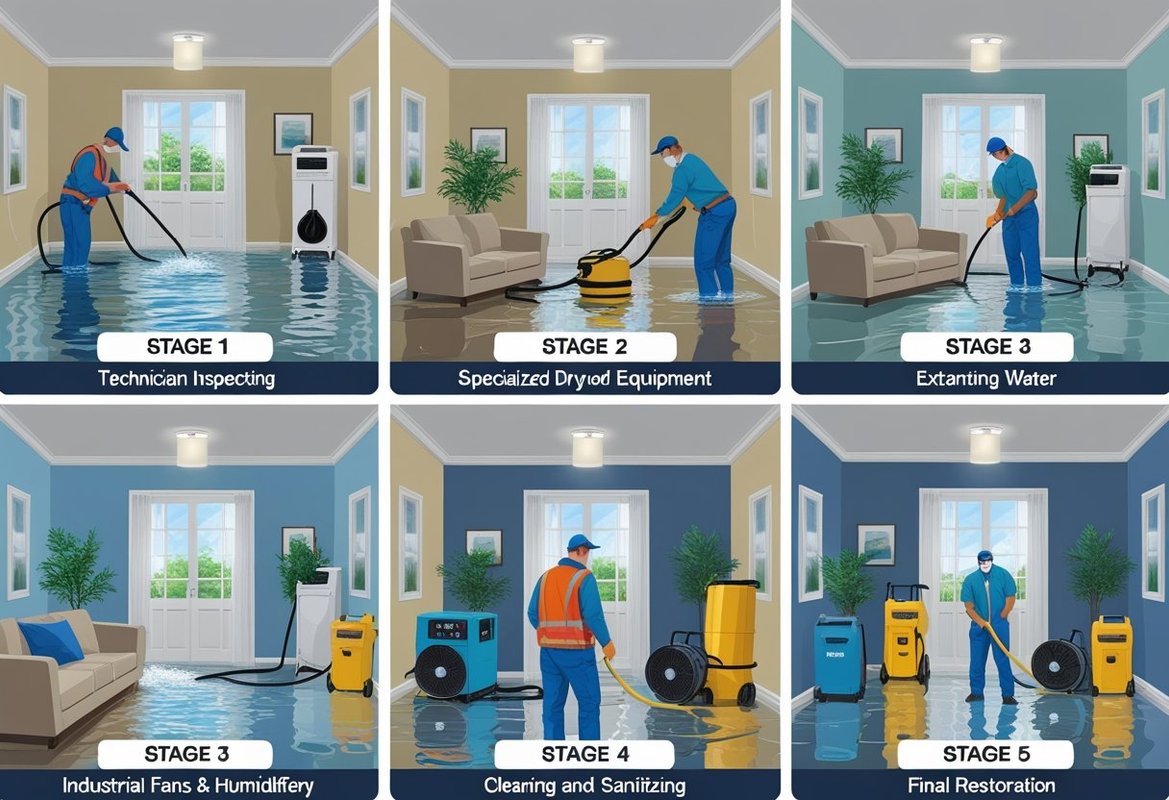
How to Calculate the Cost of Water Damage in Atlanta

How to Calculate the Cost of Water Damage in Atlanta
Water damage hits fast, and so does the anxiety about what it's going to cost. Whether you're dealing with a burst pipe, appliance overflow, or storm flooding, one of the first questions homeowners ask is: how much is this going to set me back?
The honest answer — it depends. But that doesn't mean you're flying blind. Our water damage restoration team put together this guide to walk you through the real cost factors, so you can go into the process with realistic expectations.
Table of Contents
- The Average Cost of Water Damage Restoration
- Factor 1: The Category of Water Damage
- Factor 2: How Much Area Is Affected
- Factor 3: Materials Damaged
- Factor 4: How Long the Water Sat
- Factor 5: Mold Growth
- Use Our Free Water Damage Cost Calculator
- Hidden Costs Most Homeowners Miss
- What Insurance Usually Covers
- FAQ
The Average Cost of Water Damage Restoration {#average-cost}
Most homeowners in the Atlanta area pay between $1,500 and $8,000 for water damage restoration. That's a wide range, and for good reason — a minor bathroom leak looks nothing like a flooded basement.
Here's a rough breakdown by job size:
| Scope | Typical Range |
|---|---|
| Minor (single room, clean water) | $1,000–$2,500 |
| Moderate (multiple rooms or gray water) | $2,500–$6,000 |
| Major (flooding, sewage, or structural) | $6,000–$20,000+ |
These numbers include water extraction, drying, and basic repairs. They don't always include mold remediation, full reconstruction, or content restoration — which can add significant costs.
Factor 1: The Category of Water Damage {#category}
Not all water is the same, and the type of water involved has a big impact on cost.
Category 1 (Clean water) — This comes from supply lines, rain, or clean appliance overflow. It's the cheapest to remediate because the water itself isn't a health hazard. Think dishwasher overflow or a burst copper pipe.
Category 2 (Gray water) — This includes washing machine discharge, toilet overflow without feces, or water that sat for more than 24 hours. It requires more aggressive cleaning and PPE.
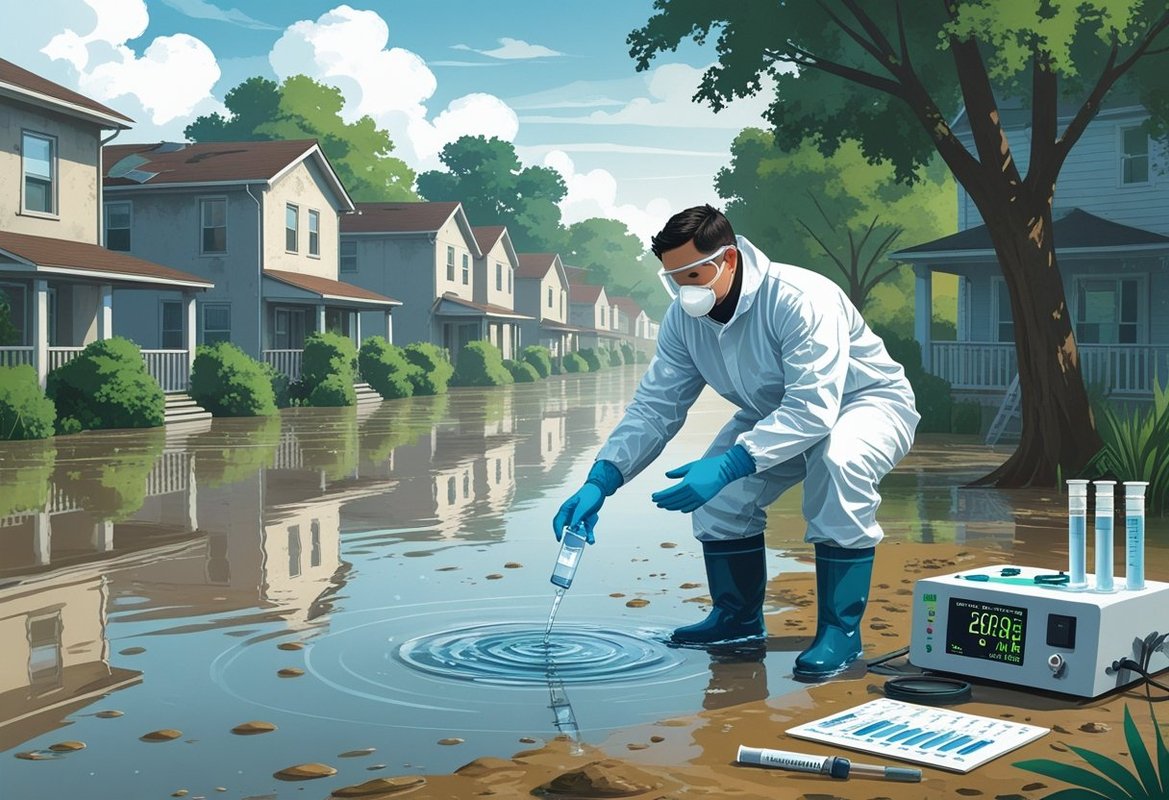
Category 3 (Black water) — Sewage, floodwater, or any water heavily contaminated with bacteria. This is the most expensive to address because of the health risks and disposal requirements.
Jumping from Category 1 to Category 3 can triple your restoration costs. Worth understanding before you call for estimates.
Factor 2: How Much Area Is Affected {#area}
Square footage drives labor and drying equipment costs. Restoration companies typically charge per square foot for water extraction and structural drying.
Rough estimates:
- Water extraction: $3–$7 per square foot
- Structural drying: $1–$3 per square foot per day (often 3–5 days minimum)
- Demo and disposal: $1–$3 per square foot for drywall, flooring, or insulation
A 400 sq ft basement at the low end of those ranges can still run $2,000–$4,000 just for extraction and drying — before any repairs.
Factor 3: Materials Damaged {#materials}
Hardwood floors, drywall, insulation, and cabinetry all absorb water differently. Some can be dried in place. Others have to come out.
Materials that usually need replacement:
- Soaked drywall (especially after 48 hours)
- Carpet padding (almost always)
- Particleboard cabinets and shelving
- Wet insulation
Materials that can often be dried and saved:
- Solid hardwood floors (with fast response)
- Concrete subfloors
- Tile and grout
Restoration contractors will assess each material to determine salvageability. Getting to it faster means more can be saved — and lower overall costs.
Factor 4: How Long the Water Sat {#timeline}
This is one of the most controllable variables. The longer water sits, the worse the damage gets.
Within 24–48 hours, clean water can turn gray. Drywall softens. Subfloors start to buckle. And after 48 hours, mold becomes a real concern.
A job that costs $3,000 if you call today can turn into a $7,000+ job if you wait a week. Speed matters more than almost anything else in water damage.
Factor 5: Mold Growth {#mold}
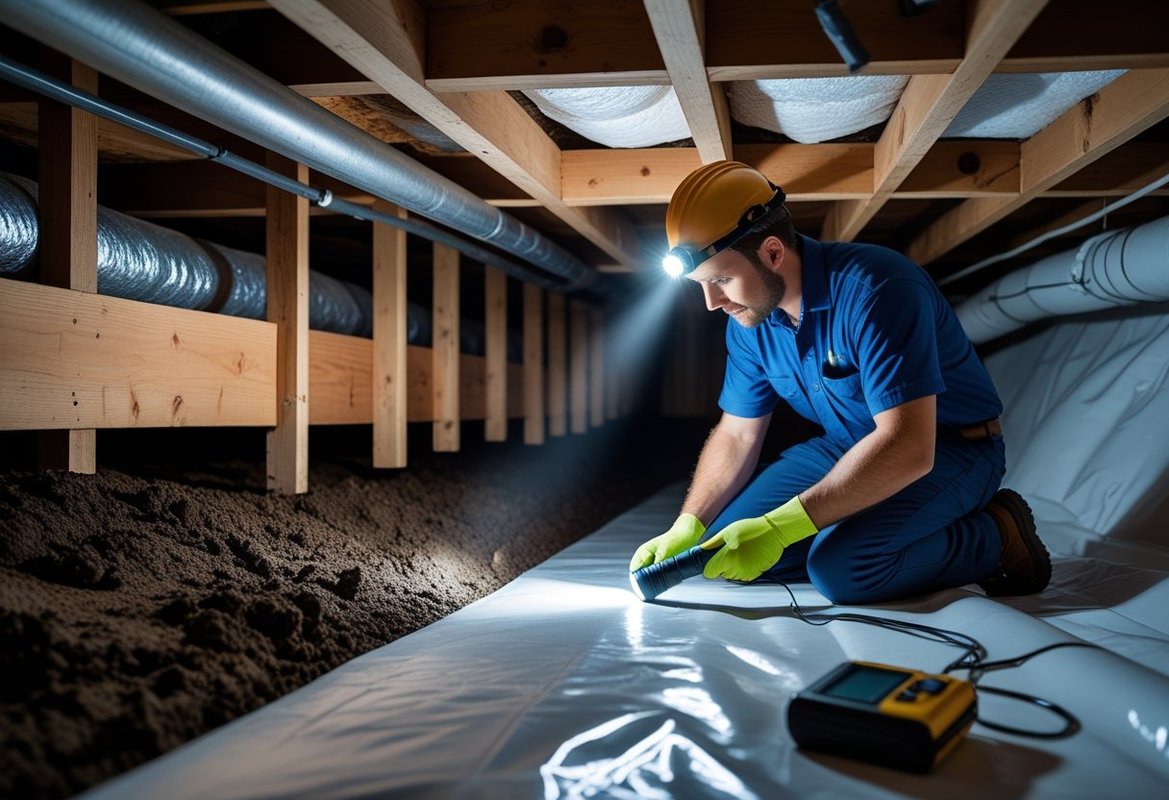
If mold has already started, that's a separate remediation cost on top of water damage restoration. Mold remediation typically runs $1,500 to $5,000 for moderate growth, but can go much higher if it's spread into walls, HVAC ducts, or crawl spaces.
For homeowners in Marietta and across Atlanta's humid suburbs, mold growth after water damage is common — not rare. The climate here accelerates it.
Getting water extraction started within 24 hours and running commercial dehumidifiers is the best way to keep mold from turning a restoration job into a full remediation project.
Use Our Free Water Damage Cost Calculator {#calculator}
Rather than guessing, you can get a personalized estimate in minutes. Our water damage cost calculator asks about the type of water, affected area, and materials involved, then gives you a cost range based on real Atlanta market rates.
It's free, takes about 2 minutes, and gives you a realistic baseline before you start calling contractors. Knowing your number upfront means you're less likely to get taken advantage of when the estimates roll in.
Hidden Costs Most Homeowners Miss {#hidden-costs}
There are costs that rarely show up in the first estimate — but do show up on the final bill.
Temporary housing — If your home is uninhabitable during restoration, hotel or rental costs add up fast. This can run $100–$200/night for large families.
Content restoration — Furniture, electronics, and personal belongings damaged by water can be restored professionally, but it costs extra. Not all contractors include this.
Permit fees — Structural repairs in Atlanta often require permits, especially if load-bearing walls or electrical systems are involved.
Air quality testing — After a major event, some homeowners opt for third-party air quality testing to confirm mold spores are within safe levels. This typically runs $300–$600.
Secondary damage — Water that got into walls can rot framing, corrode electrical wiring, or damage HVAC equipment. These discoveries mid-project can increase costs significantly.
What Insurance Usually Covers {#insurance}
Most standard homeowners insurance policies cover sudden and accidental water damage — a burst pipe, an appliance failure, or a roof leak from a storm.
What they typically don't cover:
- Flooding from outside the home (requires flood insurance)
- Gradual leaks from neglect
- Sewer backups (requires a separate rider)
Document everything before cleanup starts. Photos, videos, and a written log of what was damaged will support your claim. Most insurers want you to mitigate damage immediately — which means you don't have to wait for adjuster approval before calling a restoration company.
For a deeper look at the claims process, check out our guide on the 3 categories of [water damage and why they matter](https://water-damage-atlanta.com/articles/the-3-categories-of-water-damage-and-why-it-matters) — because category classification affects what insurance will and won't pay.
Frequently Asked Questions {#faq}
How much does water damage restoration cost per square foot?
On average, expect $3–$7 per square foot for water extraction and $1–$3 per square foot per day for structural drying. Materials replacement adds additional costs depending on what was damaged.
Does homeowners insurance cover water damage restoration?
Usually yes, if the damage was sudden and accidental — like a burst pipe or appliance failure. It typically doesn't cover flooding from outside, gradual leaks, or sewage backups without a rider.
How long does water damage restoration take?
Drying typically takes 3–5 days with commercial equipment. Full restoration including repairs can take 1–3 weeks depending on the scope of damage and materials involved.
Can I negotiate the cost of water damage restoration?
Yes, to a degree. Getting 2–3 estimates helps. You can also negotiate what gets replaced versus dried in place. Be cautious of dramatically low bids — restoration is an area where cutting corners creates bigger problems down the road.
What happens if I delay water damage cleanup?
Costs go up significantly. Clean water becomes gray water after 24 hours. Mold can start growing within 48 hours. Structural damage worsens over days and weeks. Delaying cleanup is almost always more expensive than acting fast.
Is water damage tax deductible?
In most cases, no — unless the damage is from a federally declared disaster and exceeds a certain percentage of your adjusted gross income. Consult a tax professional for your specific situation.
Ready to get a real cost estimate? Use our free water damage cost calculator and take the guesswork out of your next steps.
Water Damage Atlanta Editorial Team
Restoration & Home Services Expert
We help Atlanta homeowners recover from water damage with trusted advice and local resources.