How to Calculate the Cost of Mold Remediation in Atlanta

How to Calculate the Cost of Mold Remediation in Atlanta
Most homeowners have no idea what mold remediation should cost — which makes it easy to overpay, and just as easy to be tempted by an unrealistically low bid.
The real cost depends on several factors that most contractors won't volunteer upfront. This guide breaks them all down. By the end, you'll know how to assess your own situation, what questions to ask contractors, and where to get a solid baseline estimate before anyone steps foot in your home.
Our mold remediation team works across the Atlanta metro every week, so the numbers here reflect what real jobs actually cost in this market — not national averages from a data aggregator.
Table of Contents
- Average Cost of Mold Remediation in Atlanta
- Factor 1: Size of the Affected Area
- Factor 2: Location of the Mold
- Factor 3: Type of Mold
- Factor 4: Materials Involved
- Factor 5: Whether the Moisture Source Is Fixed
- Use Our Free Mold Remediation Cost Calculator
- What's Included in a Remediation Estimate
- Red Flags in Mold Remediation Bids
- FAQ
Average Cost of Mold Remediation in Atlanta {#average-cost}
Here's a rough breakdown by project type:
| Job Type | Typical Cost Range |
|---|---|
| Small surface mold (bathroom, <10 sq ft) | $300–$800 |
| Moderate growth (single room, drywall) | $1,500–$4,000 |
| Crawl space remediation | $2,000–$6,000 |
| Attic mold remediation | $2,500–$7,000 |
| Whole-house or multi-area | $6,000–$15,000+ |
Keep in mind these are remediation costs only. If structural materials need to be replaced or moisture intrusion needs to be fixed, those are separate line items.
Factor 1: Size of the Affected Area {#size}
Square footage is the primary driver of cost. Most remediation companies charge per square foot, plus setup costs for containment and equipment.
Typical per-square-foot rates:
- Containment setup: $200–$500 flat fee
- HEPA vacuuming and surface cleaning: $3–$8 per sq ft
- Antimicrobial treatment: $1–$3 per sq ft
- Material removal (drywall, insulation): $2–$5 per sq ft additional
A 200 sq ft basement with moderate mold growth can run $1,500–$3,500 in remediation labor alone, before any reconstruction.
Factor 2: Location of the Mold {#location}
Where the mold is affects both access difficulty and the scope of work required.
Bathrooms and kitchens — Surface mold here is usually the cheapest to address. The space is accessible, materials are nonporous, and the cleanup is straightforward.
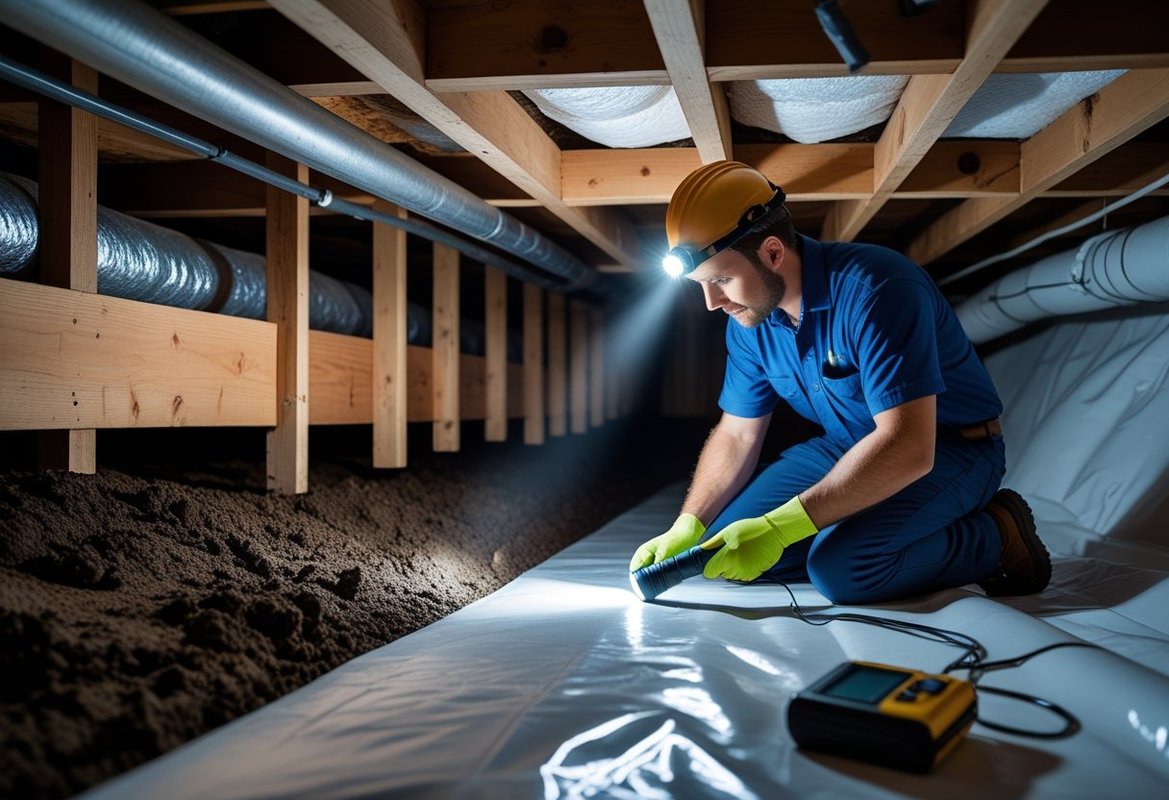
Crawl spaces — Tight access, high humidity, often requiring encapsulation work alongside remediation. Expect to pay more for labor and materials.
Attics — Attic mold often covers large wood surface areas (sheathing, rafters). While it doesn't always require material removal, dry-ice blasting or HEPA sanding adds to the cost. See our detailed breakdown of [attic mold removal costs in Atlanta](https://water-damage-atlanta.com/articles/how-much-does-attic-mold-removal-cost-in-the-atlanta-area) for more on this specific area.
Inside walls — If mold is behind drywall, that material has to come out. Drywall demo, disposal, and reconstruction add cost that's hard to avoid.
HVAC systems — Mold in ductwork requires specialized treatment and can spread spores throughout the home if not handled carefully. This often costs $1,500–$4,000 just for the duct component.
Factor 3: Type of Mold {#type}
Different mold species require different handling protocols.
Common molds (Cladosporium, Penicillium, Aspergillus) — These are the most frequently encountered and can usually be addressed with standard remediation procedures.
Black mold (Stachybotrys chartarum) — Because it's often found in deeply porous materials after prolonged moisture exposure, affected materials usually require removal rather than cleaning. This increases cost.
Extensive mixed growth — When multiple species are present across large areas, the remediation protocol becomes more complex and more expensive.
The type of mold matters for pricing, but more importantly, it matters for understanding what caused the problem and whether the conditions that allowed it to grow have been addressed.
Factor 4: Materials Involved {#materials}
Some materials can be cleaned. Others have to come out.
Can be cleaned and treated:
- Concrete and masonry
- Metal surfaces
- Tile and grout (with some exceptions)
- Solid wood (if not deeply penetrated)
Usually need to be removed:
- Drywall with mold penetration
- Carpet and padding
- Fiberglass insulation
- Particleboard
When demolition is required, add demo labor ($1–$3 per sq ft), disposal fees, and eventually reconstruction costs — drywall installation runs $2–$5 per sq ft, and flooring varies widely.
Factor 5: Whether the Moisture Source Is Fixed {#moisture}
This is the most important factor — and the one contractors sometimes skip over in their initial estimate.
Mold remediation without fixing the moisture source is money wasted. It will come back. Every time.
Before starting any remediation work, you need to know:
- Where is the water coming from?
- Has that source been repaired or controlled?
- Is there ongoing infiltration from outside, HVAC condensation, or plumbing?
If the moisture source hasn't been fixed, a reputable contractor will tell you before starting work. Be cautious of anyone who jumps straight to remediation without asking about the cause.
Fixing moisture sources — whether that's a crawl space drainage system, a plumbing repair, or better attic ventilation — can add $500 to several thousand dollars to the total project cost. But it's non-negotiable if you want lasting results.
For homeowners in Decatur and across the Atlanta area, humidity control is particularly important. The climate here is unforgiving when it comes to mold recurrence.
Use Our Free Mold Remediation Cost Calculator {#calculator}
Before you start getting quotes, get a realistic cost range for your specific situation. Our mold remediation cost calculator factors in the affected area, location, material types, and whether the moisture source is resolved — and gives you an estimate based on real Atlanta market rates.
It takes about 2 minutes and gives you a baseline so you can evaluate contractor bids with confidence. Knowing your number before calls start means you're less likely to accept an inflated quote or get pulled in by a suspiciously low one.
What's Included in a Remediation Estimate {#whats-included}
A complete mold remediation estimate should include:
- Containment setup (plastic sheeting, negative air pressure)
- HEPA vacuuming of all affected surfaces
- Antimicrobial treatment
- Removal and disposal of non-salvageable materials (if applicable)
- Post-remediation cleaning
- Clearance testing (sometimes billed separately)
What's often not included in the base quote:
- Moisture source repairs
- Reconstruction and drywall replacement
- Air quality testing (separate from remediation clearance)
- HVAC cleaning (if ductwork is affected)
Make sure you understand what's in scope before agreeing to a price. Ask specifically: "Does this include clearance testing?" and "Is reconstruction included or quoted separately?"
Red Flags in Mold Remediation Bids {#red-flags}
Unusually low price with no detailed scope of work — Legitimate remediation isn't cheap. A $300 quote for a 500 sq ft crawl space is a red flag. Ask for a written scope of work that explains exactly what's being done.
No mention of containment — Remediation without proper containment just spreads spores to other areas of your home. If containment isn't in the estimate, that's a problem.
No clearance testing offered — Post-remediation testing is how you verify the job was done correctly. A contractor who doesn't offer it — or discourages it — is worth questioning.
Pressure to sign quickly — Mold is a real problem, but it's not an emergency that requires signing a contract on the spot. Take time to get 2–3 estimates.
No license or certifications — Georgia doesn't require specific mold licensing, but reputable remediation contractors typically hold certifications from organizations like IICRC or NORMI.
Frequently Asked Questions {#faq}
How much does mold remediation cost per square foot?
Labor typically runs $5–$10 per square foot when you factor in containment, cleaning, treatment, and material removal. Smaller jobs have higher per-square-foot rates because setup costs are fixed regardless of size.
Is mold remediation covered by homeowners insurance?
Sometimes. If the mold resulted from a covered sudden water event (like a burst pipe), your insurer may cover remediation. Mold from long-term moisture problems or neglect is typically excluded.
How long does mold remediation take?
Most residential jobs take 1–3 days for remediation, followed by 24–48 hours before clearance testing. Larger or more complex jobs (attic, crawl space, multi-room) may take 3–5 days.
What happens if you don't remediate mold?
Mold continues to grow and spread. It can cause health problems for occupants, particularly those with allergies, asthma, or compromised immune systems. It can also damage structural materials over time and significantly affect resale value.
Can I remediate mold myself to save money?
Small surface patches (under 10 sq ft) in non-porous areas can sometimes be handled DIY with proper PPE and EPA-registered products. Anything larger, anything in structural materials, or anything involving black mold should be handled professionally.
Does mold always come back after remediation?
Not if the moisture source is properly addressed. Mold that comes back after remediation almost always indicates the underlying moisture problem wasn't fixed. This is why identifying and resolving the moisture cause is as important as the remediation itself.
Want a real cost estimate for your situation? Our free mold remediation cost calculator gives you a range based on your specific inputs — before you talk to a single contractor.

Water Damage Atlanta Editorial Team
Restoration & Home Services Expert
We help Atlanta homeowners recover from water damage with trusted advice and local resources.