Basement Flooded? An Emergency Action Plan for Atlanta Homeowners
Basement flooding in Atlanta happens more often than people realize, especially when storms hit or pipes burst. When water starts pouring in, time isn’t really on your side.

Basement Flooded? An Emergency Action Plan for Atlanta Homeowners
Basement flooding in Atlanta happens more often than people realize, especially when storms hit or pipes burst. When water starts pouring in, time isn’t really on your side.
Acting fast and having a plan is the best shot at saving your home and sanity.

A flooded basement can wreck your foundation, ruin keepsakes, and quickly turn into a health hazard with mold and bacteria. What you do in the first hour or two really shapes whether it’s a minor mess or a total headache.
Let’s break down what to do right away, how to clean up, when to call Atlanta-area pros, and a few tips to keep your basement dry in the future. If you’re in Buckhead, Decatur, or Marietta, GA, these steps matter just as much.
Immediate Actions for a Flooded Basement
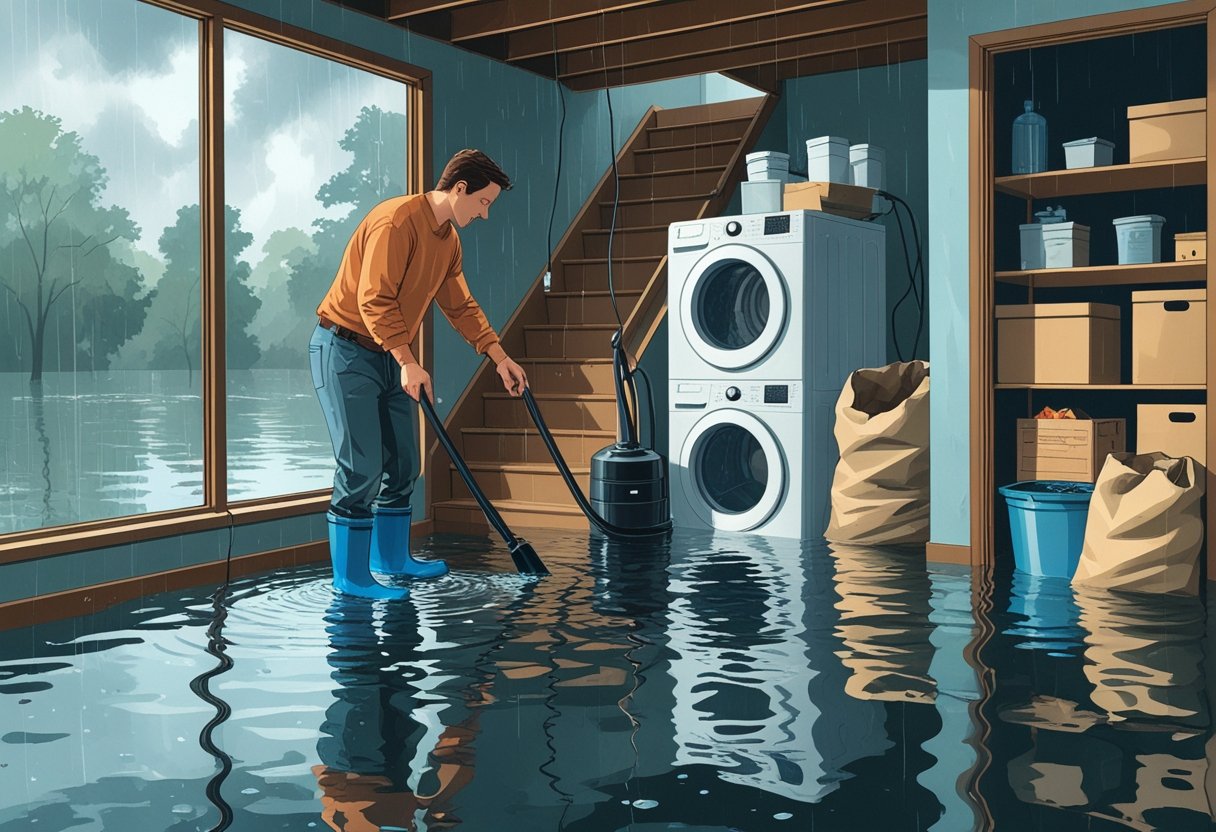
When water’s rising, focus on keeping everyone safe, stopping the flow, and getting a good record of what’s going on. That way, you avoid bigger problems and make insurance claims less of a nightmare.
Ensuring Safety First
Safety comes first—no exceptions. Flooded basements can hide live wires, gross water, or even weak floors.
If water’s reached outlets or appliances, don’t go in until you’ve shut off power at the main breaker. It’s not worth the risk.
Standing water might contain sewage or chemicals. Rubber boots, gloves, and a mask help, but honestly, keep kids and pets out completely.
If you’re not sure where the water’s from, treat it as unsafe. Sometimes, it’s smarter to call local authorities or an electrician before you step inside.
Stopping the Water Source
Once it’s safe, try to stop more water from coming in. Burst pipes, broken sump pumps, or Atlanta’s famous downpours are usual suspects.
If it’s a plumbing issue, shut off the main water supply or the closest valve. That can slow things down fast.
If it’s stormwater, you might not be able to stop it, but sandbags or moving valuables upstairs can help limit the mess until help arrives.
Quick action here keeps things from getting worse.
Documenting the Damage
After you’ve stopped the water, grab your phone and take photos and videos of everything—standing water, damaged walls, ruined furniture.
Make a simple list of what’s been hit and what it’s worth. Keep receipts for any emergency supplies or repairs.
Don’t toss out damaged stuff right away unless it’s unsafe. Insurance folks often want to see things in person.
Emergency Water Removal and Cleanup
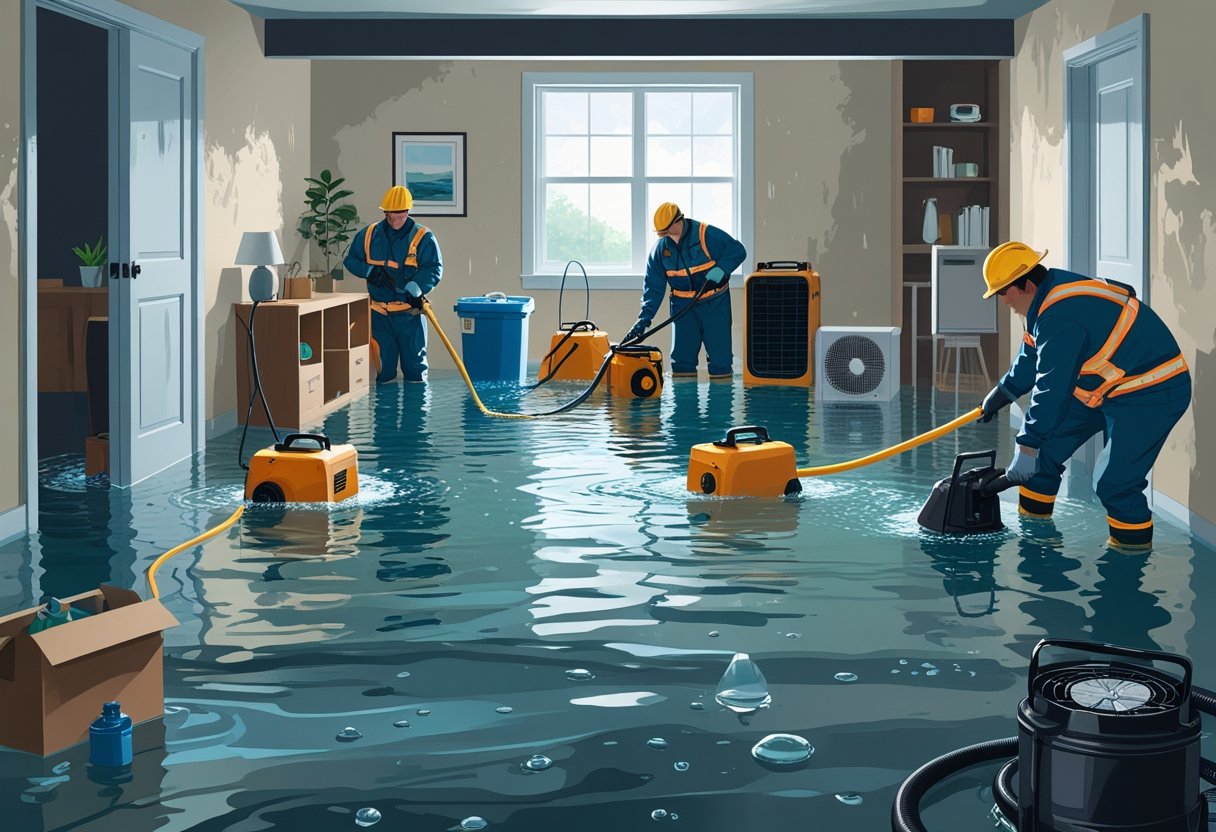
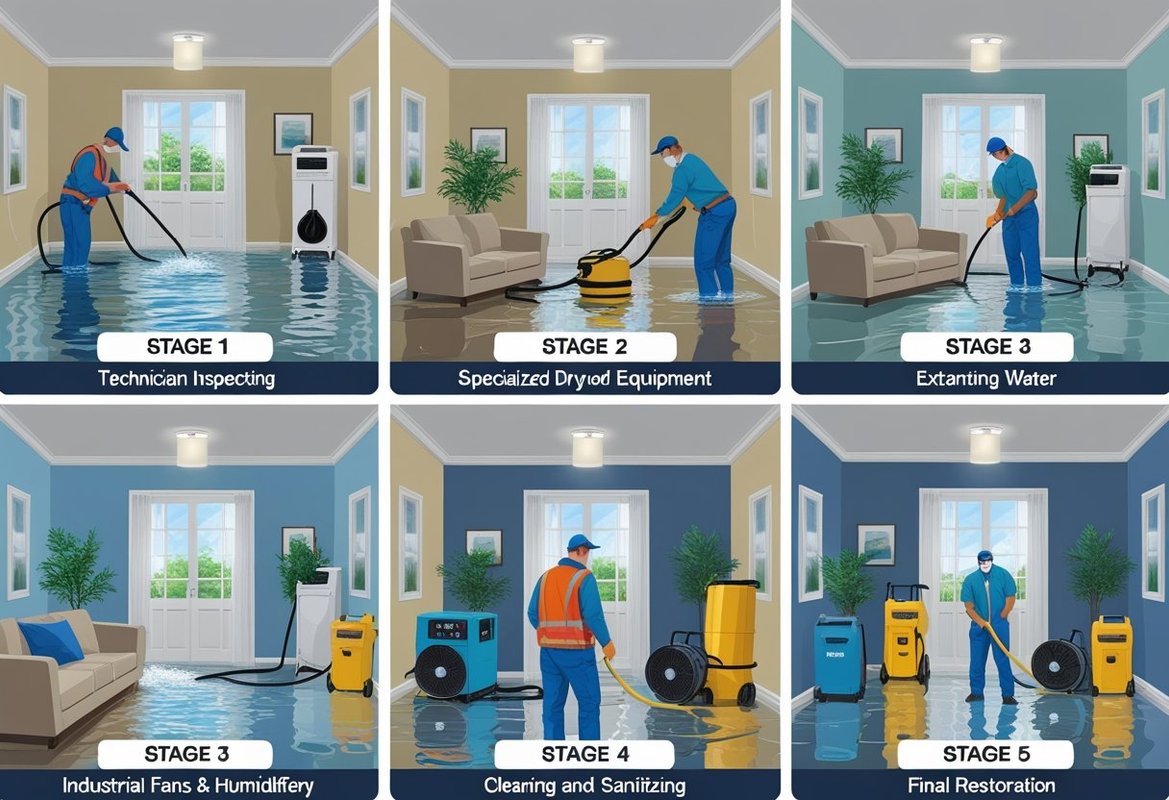
Water in your basement will ruin floors, walls, and anything stored down there if you don’t act fast. The best approach is to get the water out, dry everything, and clean up to stop mold and health issues.
Removing Standing Water
Start by removing as much water as you can. For smaller floods, a wet/dry vac, buckets, and mops might do the trick.
If you’re dealing with a lot, you’ll need a submersible pump or a water removal service in Atlanta or Sandy Springs.
Don’t use any electrical tools until you’re sure the power’s off. Always wear boots and gloves, just in case.
If the water’s deep, pump it out slowly. Removing it too fast can crack walls or floors.
Drying Out the Basement
Even after the water’s gone, things stay damp. That’s mold’s favorite environment.
Set up big fans and run dehumidifiers for several days. Put fans in opposite corners for better airflow.
Carpets, insulation, and upholstered furniture usually can’t be saved. Hard surfaces like concrete or metal are easier to dry.
Keep an eye on humidity—shoot for under 50% to keep mold away.
Cleaning and Disinfecting Surfaces
Once it’s dry, scrub every surface with soap and water. After that, use a bleach solution (1 cup bleach per gallon of water) to disinfect.
Toss out porous stuff like cardboard, paper, and some fabrics—they trap bacteria and odors.
Wear gloves and goggles when cleaning. Open windows or run fans, since bleach fumes are rough.
Assessing and Addressing Damage
Floods can mess with your home’s structure and trigger mold if you don’t act fast. Look for both obvious and hidden problems before you start repairs.
Identifying Structural Issues
Water puts pressure on basement walls and floors, sometimes causing cracks or shifts. Even small cracks can get worse if you ignore them.
Check for uneven floors, bowing walls, or doors and windows that stick. Here’s a quick list to watch for:
- Cracks in walls or floors
- Bowing or bulging walls
- Sagging beams
- Rust on metal supports
If you see any of these, call a structural engineer or foundation pro in Atlanta. Better safe than sorry.
Checking for Mold and Mildew
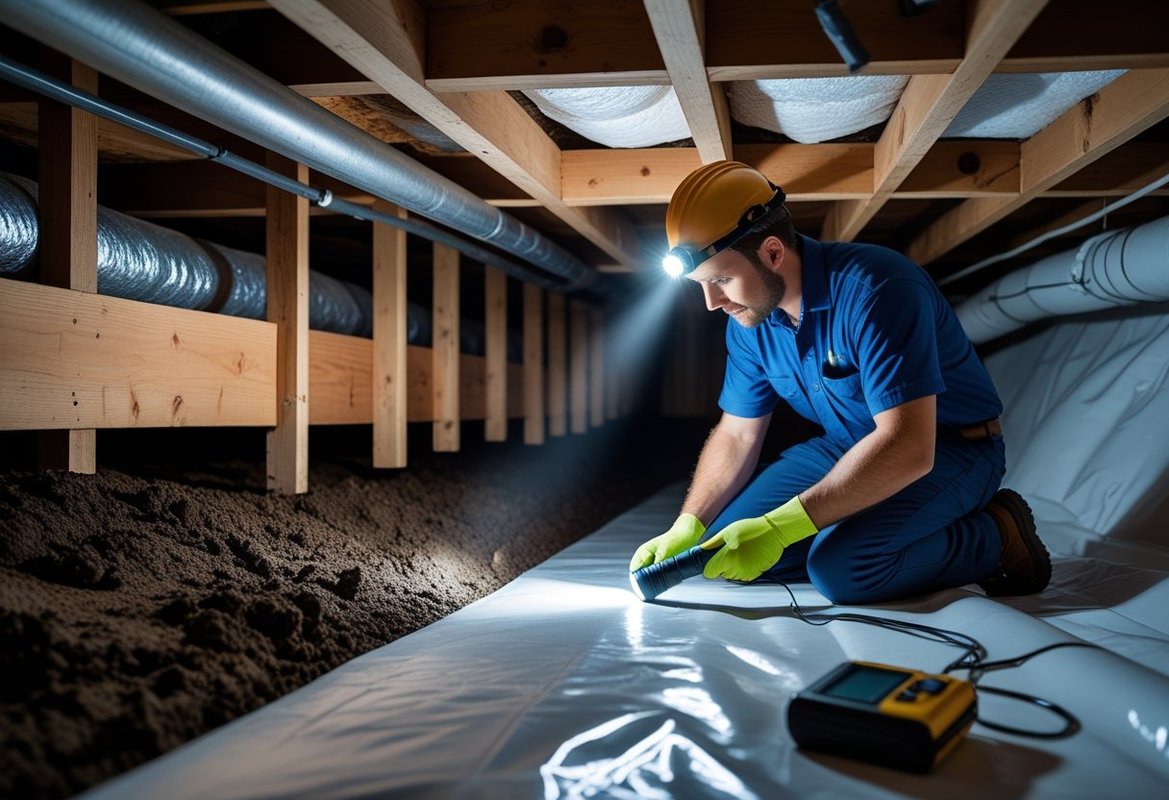
Mold can show up within 24–48 hours after a flood. It loves drywall, wood, carpet, and insulation.
Look for:
- Dark spots or stains
- Peeling paint or wallpaper
- Musty smells that stick around
Small patches can sometimes be cleaned with bleach, but bigger outbreaks need a professional—especially if you’re in humid areas like Midtown Atlanta.
Mold isn’t just ugly; it can mess with your breathing. Good ventilation and a dehumidifier help keep it from coming back.
Contacting Atlanta Restoration Professionals
Floods can cause serious problems you can’t always see. Atlanta homeowners need to know when to call in the pros and how to pick the right team.
When to Call a Specialist
Call a professional as soon as you spot standing water. Even a couple of inches can ruin drywall, flooring, and storage in hours.
If it’s sewage, burst pipes, or stormwater, don’t try to clean it yourself. That water’s probably contaminated.
Atlanta restoration services are usually available 24/7, including weekends and holidays. The sooner they get started, the less damage spreads.
If your basement has electrical, gas, or HVAC equipment, let a pro check it before you go back in.
Choosing the Right Service Provider
Not all restoration companies are equal. Look for Atlanta-area providers that offer:
- 24/7 emergency help
- Experience with basement floods
- Certified techs (IICRC or similar)
- Upfront pricing and written estimates
Check reviews and ask if they’ve handled jobs in Roswell, Smyrna, or your part of Atlanta. Local experience matters.
Make sure they use professional pumps, dehumidifiers, and moisture meters. Some companies help with insurance paperwork, which makes life easier.
Pick a provider that answers your questions and shows up fast. That makes all the difference.
When you're ready to hire, browse vetted water damage restoration companies near Atlanta to find certified specialists.
Preventing Future Basement Flooding
You can cut your risk by fixing weak spots and keeping up with maintenance. A few smart upgrades go a long way in Atlanta’s stormy climate.
Waterproofing Solutions
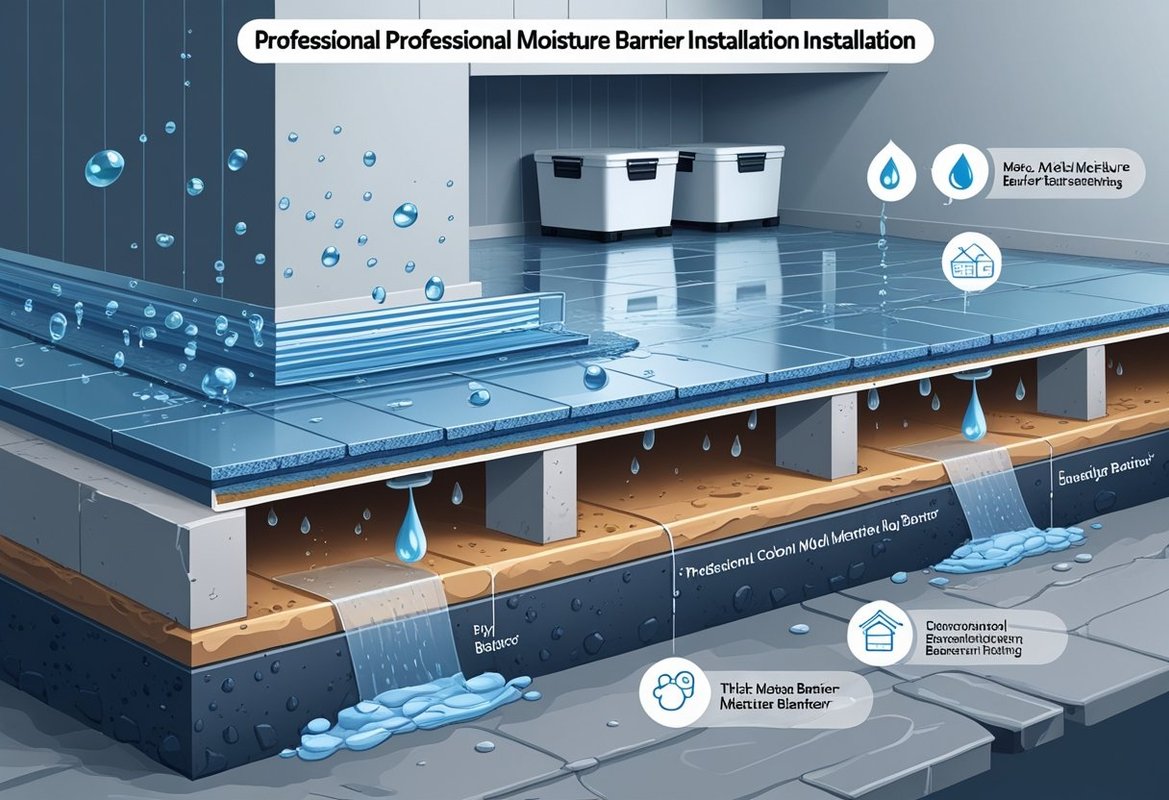
Waterproofing keeps water out of your basement. Interior sealants like epoxy help block small cracks. Exterior membranes and drainage boards keep water away from the foundation.
Pros often recommend using both. For example, drain tiles inside send water to a sump pump, while sloped soil outside keeps rain from pooling.
Don’t forget basement windows. Covers and good seals stop leaks. In older homes, you might need to upgrade to modern materials.
Popular waterproofing options:
- Interior sealants
- Exterior membranes
- French drains or drain tiles
- Window well covers
Maintaining Drainage Systems
Good drainage is key. Clean gutters and downspouts twice a year. Make sure downspouts send water at least 5–10 feet from your foundation.
Yard should slope away from the house. If it doesn’t, you might need to regrade or add a swale.
French drains and catch basins help in places like East Point or College Park, where heavy rain is common.
Quick checklist:
- Clean gutters and downspouts
- Extend downspouts
- Check yard grading
- Clear outdoor drains
Upgrading Sump Pumps
A sump pump is your basement’s last line of defense. Test it by pouring water into the pit and watch it run.
Replace pumps every 7–10 years to avoid surprises. Battery backups are a must, especially during Atlanta’s summer storms.
Choose a pump with enough power for your home. If you’re in flood-prone areas like Peachtree City, go for a high-capacity model with an alarm.
Consider upgrading:
- Battery or water-powered backup
- High-capacity pump
- Alarm or monitoring system
- Regular testing and replacement
Insurance and Financial Considerations
Floods can bring surprise expenses. What your insurance covers depends on your policy, the cause of the flood, and whether you’ve got separate flood coverage.
Filing a Flood Damage Claim
Call your insurance company ASAP after a flood. Waiting can make claims harder.
Take photos and videos before you start cleaning. Make a detailed list of damaged stuff and keep receipts for repairs.
Some policies pay for temporary housing if your home isn’t safe. Ask your adjuster about it. Keep track of all calls and emails with your insurer.
If your claim gets denied, ask for a written reason. You can review your policy with an independent agent or lawyer if you’re not sure the denial is fair.
Understanding Coverage Options
Standard homeowners insurance usually covers sudden water damage, like a burst pipe or appliance failure. It won’t cover flooding from heavy rain, rising groundwater, or storm surge.
For those risks, you’ll need separate flood insurance.
Here are the main types of coverage:
- Homeowners insurance: Covers burst pipes, appliance leaks, and accidental discharges.
- Water backup coverage: Handles sewer or sump pump backups (you’ll need to add this).
- Flood insurance (NFIP or private): Protects against rising water from storms or overflowing rivers.
In Atlanta, places like Decatur, Sandy Springs, and Marietta, GA, see their share of heavy rain and sewer backups. If you’re living in Buckhead or East Point, adding water backup coverage and looking into flood insurance can spare you a big headache later.
It’s a good idea to compare quotes and check those deductibles. That way, you’ll know what protection fits your budget—or at least, what you can live with.
When you need help, browse [[[water damage restoration companies in Atlanta](https://water-damage-atlanta.com/atlanta/water-damage-restoration)](https://water-damage-atlanta.com/atlanta/water-damage-restoration)](https://water-damage-atlanta.com/marietta/companies) to find certified specialists near you.
Frequently Asked Questions
Flooded basements in Atlanta, from Midtown to Roswell, come with urgent safety steps, health risks, and insurance questions. You’ve got to know how to check damage and what to do next.
What immediate steps should I take when I discover my basement is flooding?
If it’s safe, turn off electricity to the basement. Don’t go into standing water until you’re sure the power’s off.
Try to stop the water source—like shutting off the main water valve for a burst pipe.
Who should I contact first in Atlanta for emergency flooding assistance?
Call a licensed water damage restoration company in Atlanta, GA that offers 24/7 emergency service. If you’re dealing with sewage or a burst pipe, get professionals in as soon as possible.
Sometimes you’ll need to call the utility company or city services, especially if things get out of hand.
What are the best ways to prevent future basement flooding in Atlanta homes?
Install a sump pump with a backup power source. Keep gutters and downspouts clear so water drains away from your foundation.
Think about basement waterproofing, grading your yard away from the house, and sealing up any foundation cracks.
How can I safely assess the damage after a basement flood?
Wait for the water to be removed and the power to be off before you go in. Wear gloves, boots, and a mask—don’t take chances.
Snap photos or take videos of the damage for insurance before you start cleaning anything up.
What are the health risks associated with a flooded basement?
Standing water can have bacteria, sewage, or mold spores. That stuff can cause respiratory problems, skin irritation, or infections.
If you’re cleaning or checking the basement, use protective gear and don’t touch contaminated water if you can help it.
Are there specific insurance considerations for Atlanta homeowners with flooded basements?
If you live in Atlanta, GA—maybe in Buckhead or Decatur—standard homeowners insurance probably won’t cover flooding from heavy rain or rising groundwater. That’s a tough reality for folks in flood-prone spots.
To get protection, you’ll need separate flood insurance, usually through the National Flood Insurance Program. Your regular policy might help if a pipe bursts or you have sudden water damage, but it all comes down to the details in your coverage.
For a full action plan, read our guide on basement flooding in Atlanta: what to do.
Water Damage Atlanta Editorial Team
Restoration & Home Services Expert
We help Atlanta homeowners recover from water damage with trusted advice and local resources.