After the Fire: Your First 5 Steps to Fire Damage Restoration for a Safe Recovery
A house fire leaves more than just visible damage. It shakes up daily life, creates safety worries, and leaves you wondering what to do next.
After the Fire: Your First 5 Steps to Fire Damage Restoration for a Safe Recovery
A house fire leaves more than just visible damage. It shakes up daily life, creates safety worries, and leaves you wondering what to do next.
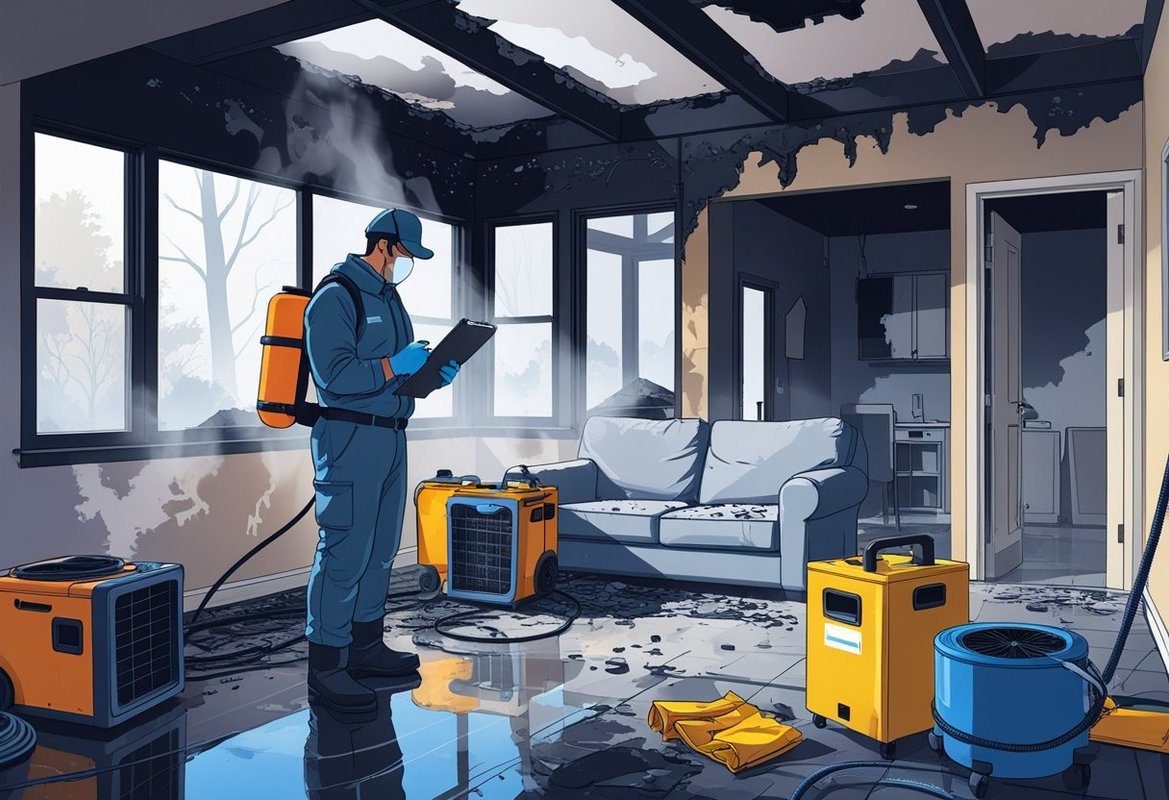
The first five steps after a fire set the foundation for a safe recovery and a smoother restoration process. Acting quickly and correctly helps protect both your property and your well-being.
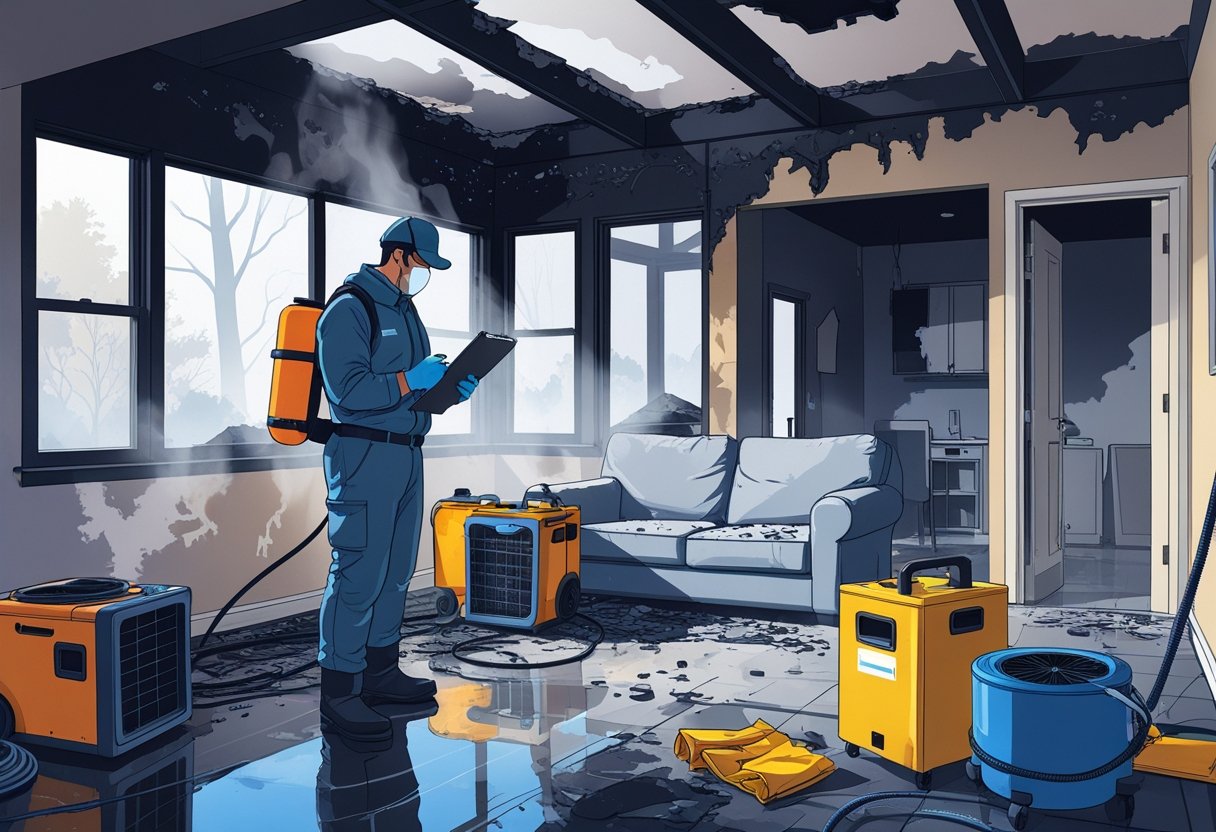
From securing your home and documenting damage to cleaning up and calling your insurance, each step matters. These actions reduce further loss and get things ready for professional restoration.
If you’re in the Atlanta, GA area—maybe in Marietta or Sandy Springs—these steps can help you get started on the right foot.
Immediate Actions After the Fire
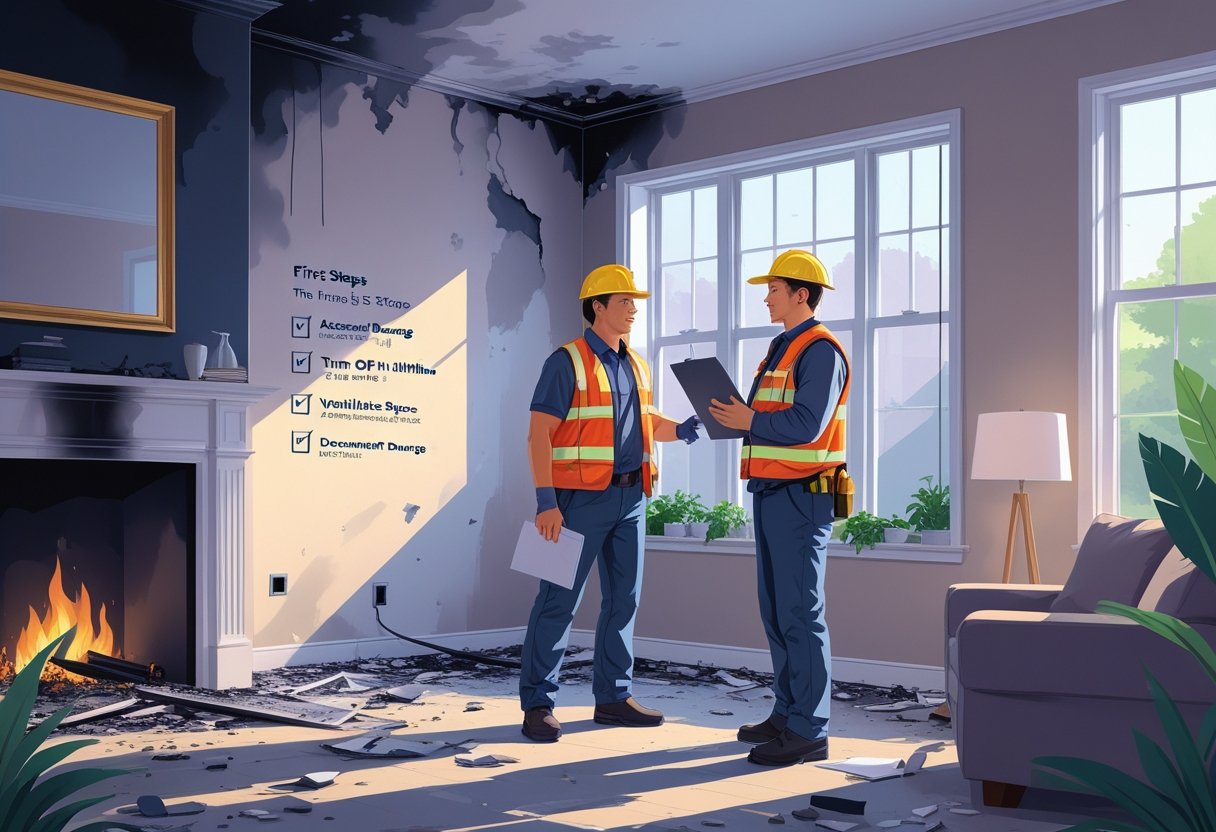
After a house fire, your top priorities are safety, preventing more damage, and preparing for restoration. That means checking if the structure is stable, contacting the right authorities, and securing the property from weather and trespassers.
Ensuring Safety and Assessing Structural Risks
Safety comes first. Don’t go back inside until the fire department or a qualified inspector says it’s safe.
Fire can weaken walls, ceilings, and floors, making collapse a real risk. Smoke and water add to the problem—even untouched rooms can have hidden moisture that weakens floors and ceilings.
Breathing in soot or lingering smoke isn’t safe either. Have a professional check for urgent repairs, especially:
- Roof stability: Fire and water can leave it ready to cave in.
- Electrical hazards: Damaged wires might spark another fire.
- Foundation cracks: Heat can mess with concrete or brick.
Once these risks are handled, you can move forward with restoration.
Contacting Authorities and Utility Providers
After safety, notify the right agencies. The fire department usually gives you a report you’ll need for insurance and restoration.
Call your utility companies right away. Gas, electricity, and water lines could be damaged.
Request that services stay off until a licensed pro inspects the systems. That keeps things safe and lets repairs begin without extra hazards.
You might also need permits before starting restoration. Stay in touch with local officials and utility providers to avoid any holdups.
Securing the Property
Once the site is stable and utilities are off, secure the property against more loss. Fires often leave windows broken, doors weak, and roofs exposed.
Rain, wind, or trespassers can make things worse fast. Temporary fixes might include:
- Boarding up windows and doors
- Covering roof holes with tarps
- Putting up temporary fencing
These steps help protect what’s left and keep things safe until restoration crews arrive.
Insurance companies often want proof you tried to prevent more damage. Snap photos before and after you secure the home—this helps with claims and avoids disputes.
Initiating the Fire Damage Restoration Process
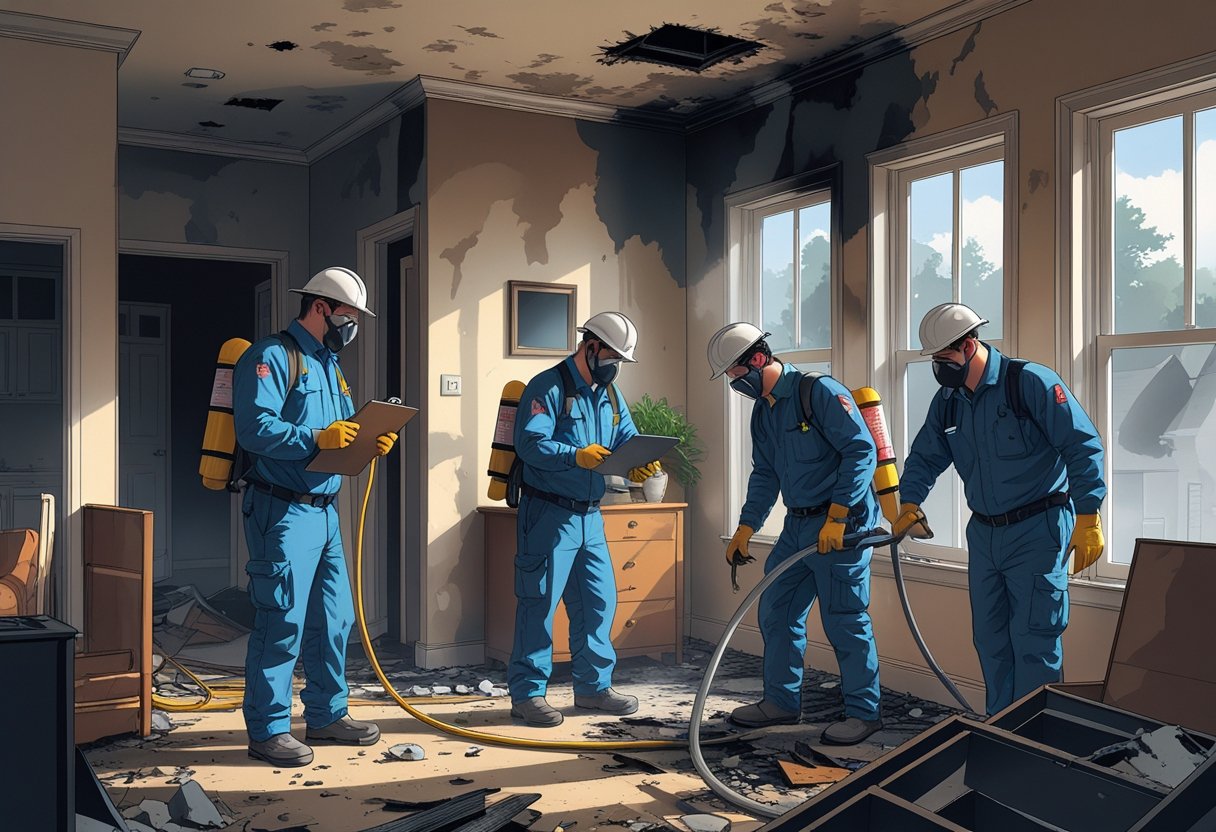
Early steps after a fire focus on figuring out the damage, keeping good records for insurance, and picking the right pros for the job. Acting quickly can save you money and time.
Professional Assessment and Inspection
A licensed fire damage restoration company will inspect your property in detail. They look for structural issues, smoke and soot damage, and water from firefighting.
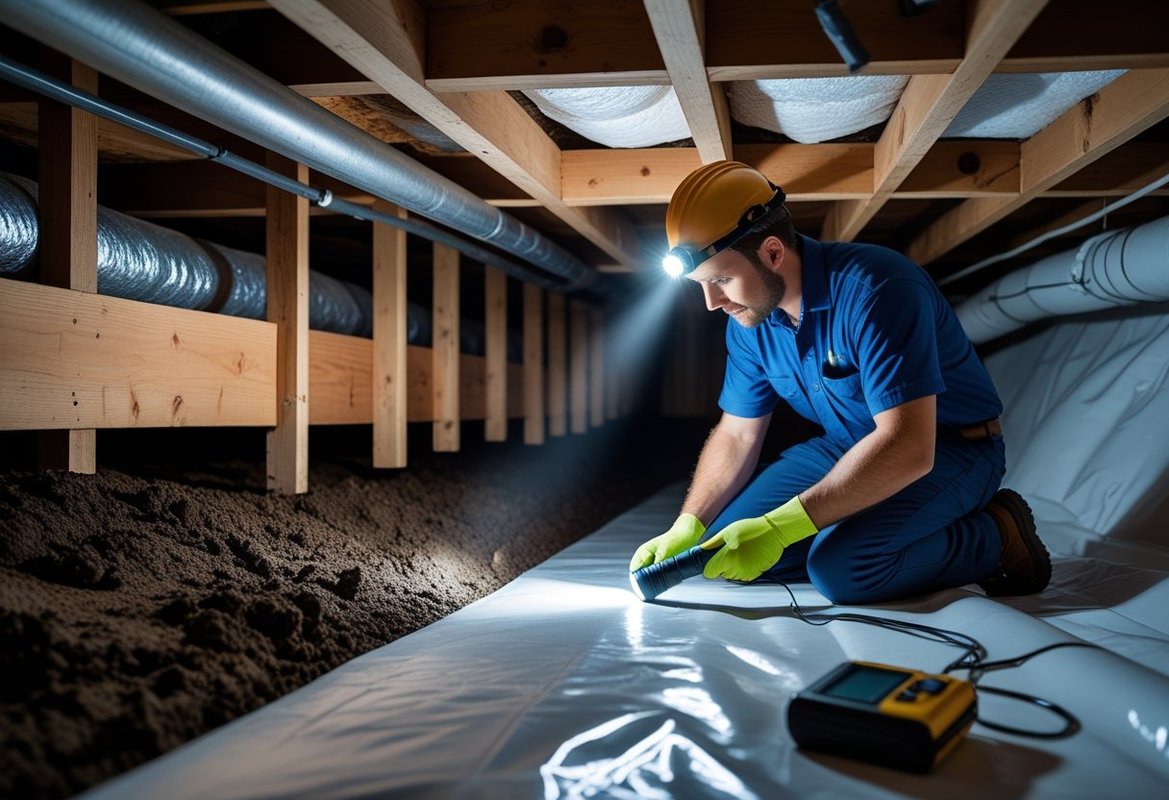
They use tools like moisture meters and thermal cameras to find hidden problems. This helps prevent future headaches like mold or weakened walls.
An inspection report usually breaks down:
- Structural damage (walls, floors, ceilings)
- Smoke and soot contamination (surfaces, HVAC)
- Water damage (from hoses or sprinklers)
This info shapes the restoration plan and keeps everyone safe before cleanup starts.
Documenting Damage for Insurance
Good documentation is key for insurance claims. Take clear photos and videos of every damaged area—include personal items, walls, and smoke residue.
Go room by room and keep a written list with estimated values. Save receipts for any temporary repairs or living expenses.
Restoration companies often help by making detailed reports and estimates. These records help adjusters approve your claim faster.
Tip: Don’t toss damaged items until your insurance adjuster sees them.
Choosing a Restoration Company
Picking the right company matters. Look for contractors certified by the Institute of Inspection, Cleaning and Restoration Certification (IICRC).
Consider:
- Experience with fire, smoke, and water damage
- 24/7 emergency response
- Clear estimates and written contracts
- Ability to work with your insurance
Check references and reviews, especially if you’re in Atlanta suburbs like Roswell or Decatur. The right team makes recovery smoother and less stressful.
Managing Insurance Claims and Temporary Housing
After a fire, you’ll need to protect your rights and find a safe place to stay. That means starting your insurance claim, working with adjusters, and arranging temporary housing.
Filing Insurance Claims
Call your insurance company ASAP. Most want you to report quickly, or they might delay things.
Give them your policy number, the fire date, and a clear description of the damage. Use photos, videos, and a written inventory of what’s lost or ruined.
Keep receipts for things like hotel stays, meals, or clothes. These can be reimbursed under “additional living expenses.”
Keep a claim folder with:
- Your insurance policy copy
- Claim number and contact info
- Notes from all calls and meetings
- Estimates and receipts
Organized info helps your claim move faster.
Working with Adjusters
Insurance adjusters will inspect the property. Be there to point out all damage, even hidden stuff like smoke or water exposure.
Having your contractor’s estimate helps if the adjuster’s numbers seem low. Take notes during meetings—details help if there’s a disagreement later.
If you think the settlement is too low, you can ask for a re-inspection or hire a public adjuster for a second opinion. Stay calm and stick to the facts.
Arranging Temporary Housing
If your home isn’t safe, you’ll need somewhere to stay. Most homeowners insurance covers loss of use—that means hotels or short-term rentals.
Double-check your coverage before booking anything long-term. Insurers might want receipts or direct billing, so save all paperwork.
Think about location, schools, and commutes—especially in busy Atlanta areas like Buckhead or Alpharetta. Some policies even cover meals if you can’t cook.
Keep your insurance rep in the loop to avoid surprise costs.
Addressing Water, Smoke, and Soot Damage
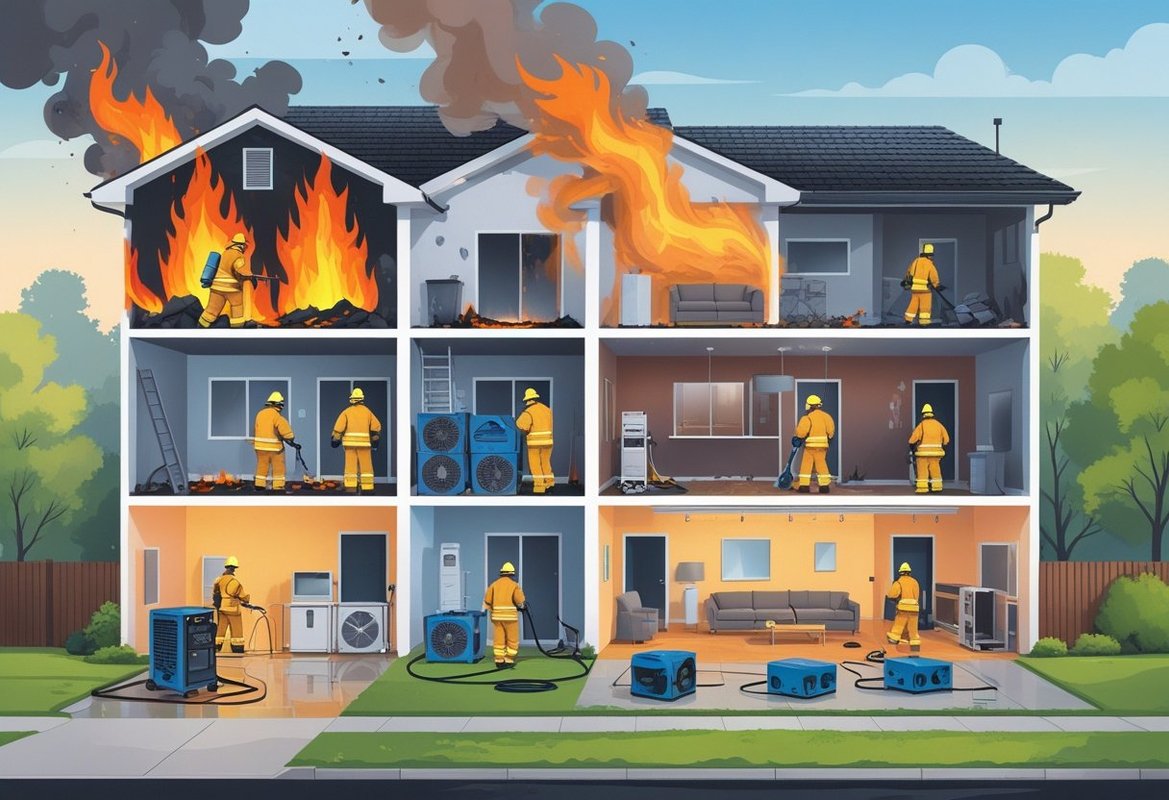
Fire damage isn’t just about what burned. Water from firefighting, smoke, and soot can cause big problems if not handled fast.
Water Extraction and Drying
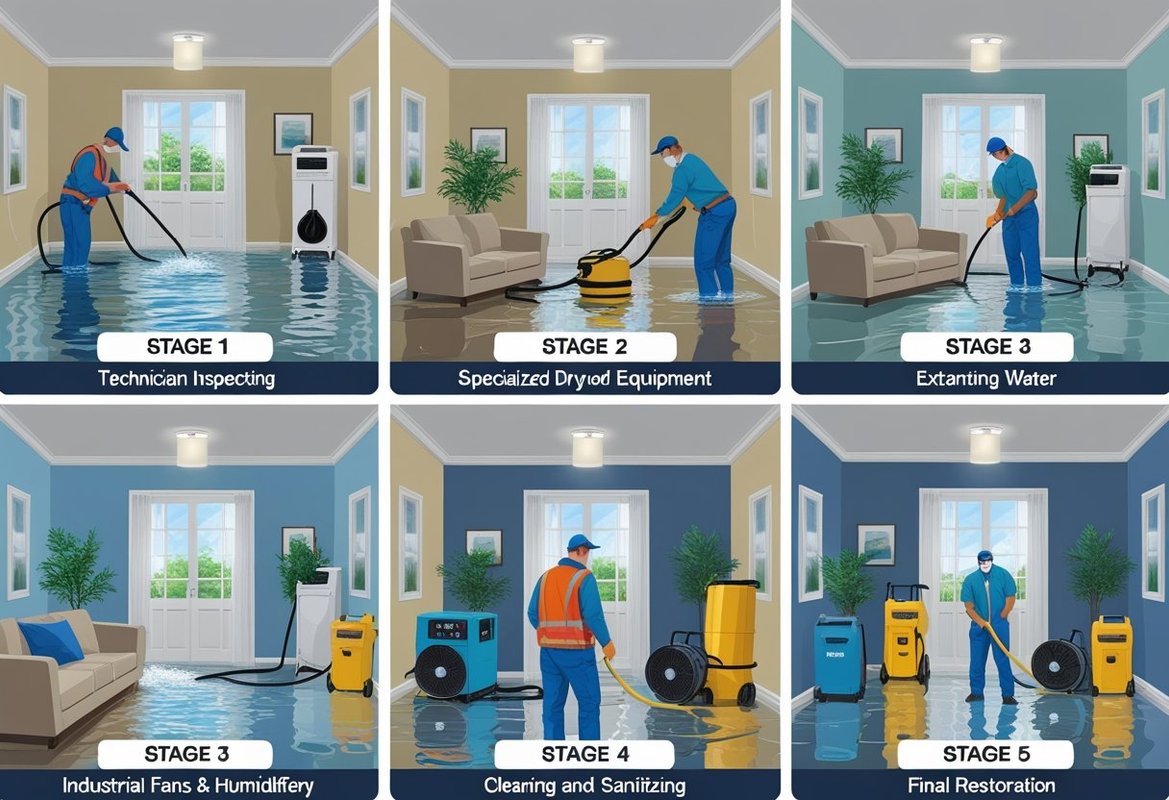
Water from firefighting soaks walls, floors, and your stuff in minutes. Remove standing water quickly to prevent more damage.
Use pumps, wet vacs, and absorbent materials. Once the water’s out, focus on drying.
Pros use industrial fans and air movers to speed things up. Trapped moisture can hide in walls or floors and cause trouble later.
Checklist:
- Remove standing water
- Lift carpets and pads to dry underneath
- Use fans on damp spots
- Check moisture with detection tools
Quick action keeps mold and warping at bay.
Smoke and Soot Removal
Smoke leaves stubborn odors and harmful particles everywhere. Soot can travel far from the fire, coating walls and belongings.
Dry soot comes off with chemical sponges or gentle vacuums. Oily soot (from plastics) needs special cleaners—otherwise you’ll smear it.
Don’t forget air quality. Air scrubbers and HEPA filters pull smoke particles out of the air, making it safer to breathe.
Dehumidification and Mold Prevention
Even after water’s gone, dampness lingers. Dehumidifiers pull moisture from the air and help you avoid mold.
Keep humidity below 50%. Monitor moisture levels, and if needed, use antimicrobial treatments on walls or furniture.
Unchecked mold can wreck drywall, wood, and insulation. Early action protects your home and health.
Structural Repairs and Restoration
Structural repairs focus on making the building safe again. That means replacing damaged materials and restoring both the inside and outside.
Repairing and Rebuilding Damaged Structures
Fires can weaken beams, joists, and walls. Contractors remove unsafe debris and decide what needs reinforcement or replacement.
Steel or concrete might just need cleaning, but charred wood usually has to go. Sometimes, partial demolition is required before rebuilding.
Key repairs:
- Replace damaged roof trusses
- Reinforce or rebuild wall framing
- Repair foundations or floor joists
- Install new subflooring
Always use licensed pros—especially in Atlanta’s older neighborhoods like East Point or College Park.
Restoring Interiors and Exteriors
Once the structure’s solid, focus shifts to surfaces inside and out. Crews clean or replace drywall, insulation, and flooring touched by smoke or water.
Exterior work might mean new siding, windows, or roofing. For brick or stone, pros clean soot without damaging the surface.
Inside, walls and ceilings often need repainting after sealing in odors. Cabinets and trim may be refinished or replaced, depending on the damage.
Typical tasks:
- Install new drywall and insulation
- Replace roofing or siding
- Clean and seal masonry
- Repair or refinish woodwork
These steps get your home livable again.
Final Safety Inspections
Before moving back in, inspectors check that your home meets safety codes. They’ll look at wiring, plumbing, and HVAC systems for fire or smoke damage.
Officials confirm repairs follow local rules. They’ll also make sure fire alarms and carbon monoxide detectors work.
A final walkthrough often includes air quality tests. Lingering smoke or mold can still pose risks.
Passing inspection means you’re cleared to come home.
Replacing Belongings and Salvaging Items
After a fire, you’ll need to decide what can be cleaned and what needs replacing. Careful sorting and safe cleaning reduce health risks and make recovery a bit easier—though, honestly, it’s never easy.
Inventorying and Evaluating Salvageable Items
Start by making a clear record of everything the fire affected. Walk through each room and jot down items, noting if you see fire damage, smoke damage, or water damage.
Take photos for your insurance claim. It’s extra work, but it pays off.
Next, sort everything into three groups:
- Salvageable (can be cleaned or repaired)
- Repairable (needs professional restoration)
- Unsuitable (unsafe or beyond repair)
Clothing, dishes, and some furniture might survive with a good cleaning. Electronics, mattresses, and food usually aren’t safe to keep because smoke and soot get deep inside.
If you’re not sure, call a restoration pro in the Atlanta, GA area—maybe someone local to Smyrna or Decatur. They can test stuff and let you know if it’s safe.
Cleaning and Restoring Personal Property
Once you've sorted your things, cleaning starts. Hard surfaces like glass, metal, and ceramics usually wash up with soap and water.
Fabric or wood? Those need special cleaning to get rid of soot and smoke smell. Sometimes it’s just not worth the effort.
Restoration services use methods like ozone treatment, ultrasonic cleaning, and dry sponging. These tackle tough residues that regular cleaning can’t touch.
Wear gloves and a mask, and keep windows open. You don’t want to breathe in lingering smoke or mold.
If something still smells like smoke or has mold after cleaning, toss it. Don’t take chances with your health.
Replacing Irreparably Damaged Belongings
Some stuff just can’t be saved. Burned furniture, melted plastics, and charred electronics aren’t safe.
Always get rid of food, medicine, and children’s items if they were exposed to fire or smoke.
Insurance usually helps cover replacements. Keep your receipts, photos, and a list of what you lost—it makes the claim process smoother.
When you buy new things, consider fire-resistant materials. Metal filing cabinets, for example, protect papers better than wood. Sealed containers can help keep out future smoke.
Preventing Future Fire Damage
Nobody wants to go through fire damage twice. Good safety gear, clear plans, and regular maintenance make a big difference.
Installing Smoke Alarms and Fire Extinguishers
Smoke alarms give you an early heads-up. Every floor in your house—especially bedrooms and hallways—needs one.
Test alarms every month. Change batteries once a year, unless you’ve got long-life sealed units.
A Class ABC extinguisher covers most household fires. Put one in the kitchen, garage, and near exits.
It’s not enough to own an extinguisher—you have to know how to use it. The PASS method (Pull, Aim, Squeeze, Sweep) is easy to remember. Teach everyone in your home, even the kids.
Developing a Fire Escape Plan
Make sure everyone knows how to get out fast. Every room in your Atlanta home—whether you’re in Roswell or College Park—should have two exits, like a door and a window.
Pick a safe meeting spot outside, maybe the mailbox or a neighbor’s driveway.
Practice your escape plan twice a year. Drills help you spot problems, like blocked exits or stuck windows.
Assign clear roles—who grabs the pets, who helps little kids. It saves precious seconds during a real emergency.
Everyone should know how to call 911 once they’re out.
Ongoing Maintenance and Preparedness
Check smoke alarms regularly. Replace expired extinguishers.
Have a pro inspect your heating, chimneys, and electrical wiring. It’s worth it to avoid hidden fire risks.
Clear out clutter, especially flammable stuff like papers or rags. Don’t overload extension cords, and unplug appliances you’re not using.
Keep a kit handy with flashlights, spare batteries, and important documents in a fireproof box. If you ever need it, you’ll be glad it’s ready.
Frequently Asked Questions
After a fire, people in Atlanta neighborhoods like Buckhead or Sandy Springs usually have lots of questions—about safety, property, and insurance. Here’s a quick rundown.
What are the initial steps to take immediately after a fire?
First, stay safe. Don’t go back inside until officials say it’s okay.
Once you’re allowed in, cover broken windows or doors to keep out rain and intruders. Call your insurance company right away.
How do professionals clean and restore smoke-damaged interiors?
Restoration teams use special tools to remove soot from walls, ceilings, and other surfaces. They also use cleaning agents that get rid of smoke odor.
When you're ready to hire, browse vetted fire damage restoration companies near Atlanta to find certified specialists.
Air scrubbers and dehumidifiers improve air quality and help prevent more damage.
What should homeowners know about the fire damage assessment process?
A full inspection checks for structural damage, smoke impact, and water damage from firefighting.
Pros document everything and make a cleanup and repair plan. They share this with your insurance company.
What are the key considerations when deciding to repair or rebuild a fire-damaged house?
It depends on how bad the structural damage is, repair costs, and what your insurance covers.
If the home’s framework is stable, repairs might work. If not, rebuilding could be the only option.
How does the fire and water damage restoration process differ?
Fire restoration focuses on removing soot, treating smoke odor, and fixing structural damage.
Water damage restoration is all about drying, dehumidifying, and stopping mold. Most fires in Atlanta suburbs like Alpharetta or East Point involve both, since firefighters use lots of water.
Who is responsible for cleaning up debris and damage after a house fire?
Homeowners in the Atlanta, GA area need to set up cleanup after a house fire. Insurance might help with some of the costs, but you’ll have to check your policy.
Licensed fire restoration companies take care of debris removal and hazardous materials. They’ll also handle repairs, whether you’re in Marietta, Decatur, or right in downtown Atlanta.
Sometimes local authorities step in and set safety requirements before anyone can start cleaning up.
If water damage followed the fire, see our guide on what to do after flooding in Atlanta.
Water Damage Atlanta Editorial Team
Restoration & Home Services Expert
We help Atlanta homeowners recover from water damage with trusted advice and local resources.