A Homeowner's Guide to the Professional Mold Remediation Process
Mold spreads fast in a home and can cause both property damage and health issues if ignored. Small patches might be safe to clean yourself, but bigger or persistent growth usually calls for expert ...
A Homeowner's Guide to the Professional Mold Remediation Process
Mold spreads fast in a home and can cause both property damage and health issues if ignored. Small patches might be safe to clean yourself, but bigger or persistent growth usually calls for expert help.
Professional mold remediation means safely removing mold, stopping it from spreading, and fixing the conditions that let it grow in the first place.
Understanding what happens during professional remediation helps you know what to expect and why each step matters. From the first inspection to containment, removal, and moisture control, every part of the process aims to restore a safe living space.
If you live in the Atlanta, GA area—maybe in Marietta or Decatur—knowing these steps makes it easier to decide when you need professional help instead of just doing a quick cleanup.
Understanding Mold and Its Risks
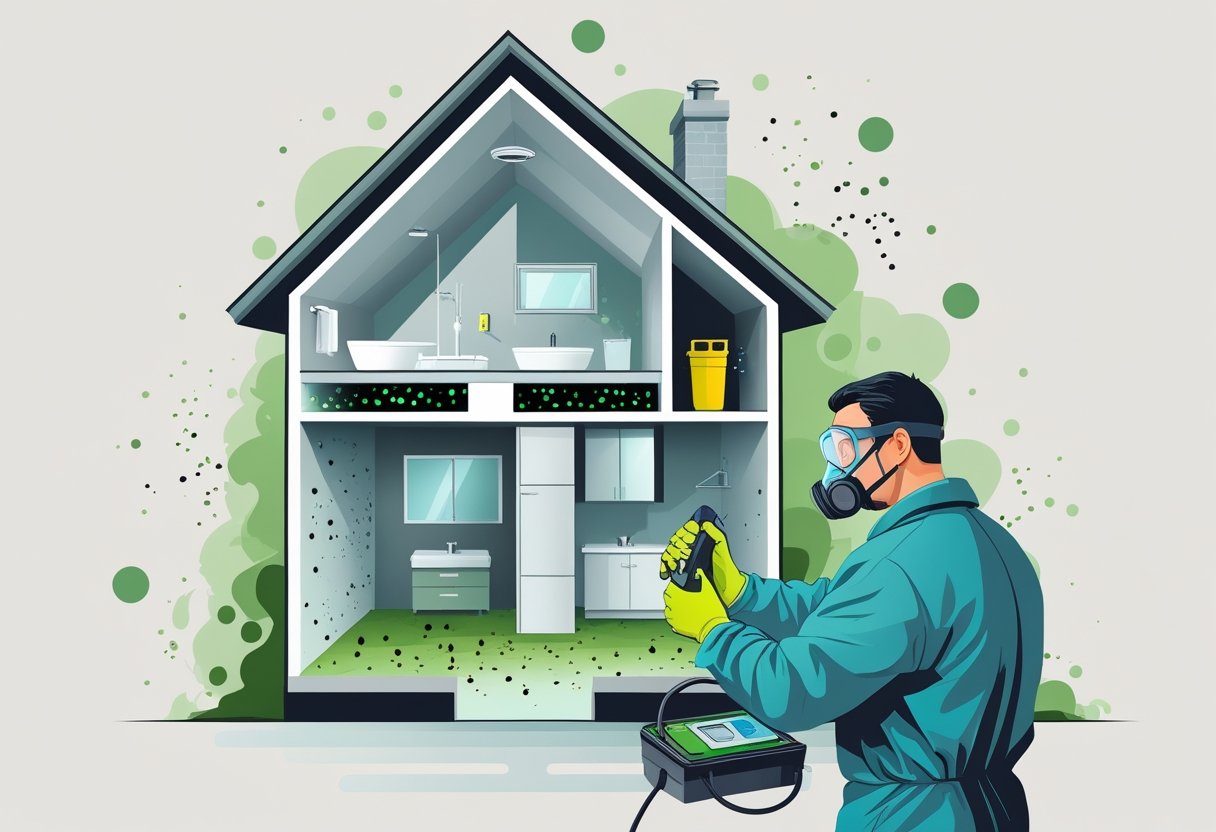
Mold is a fungus that spreads through tiny spores and loves damp places. It can damage your home, lower air quality, and trigger health problems—sometimes just mild irritation, other times more serious breathing issues.
Some molds even produce mycotoxins, which can add more risks in certain situations.
What Is Mold?
Mold is a fungus that grows indoors and outdoors. It spreads by releasing microscopic mold spores into the air, which land on damp surfaces and start to grow.
You won't see the spores, but they move easily through air currents. Indoors, mold usually shows up as black, green, or white patches on walls, ceilings, or furniture.
It thrives in humid spots like bathrooms, basements, and kitchens. Mold feeds on things like wood, drywall, paper, and fabric, weakening structures and staining surfaces over time.
Unlike dust, mold is alive and keeps growing unless you control the moisture. Since spores are always around, too much moisture is what really lets mold take hold.
If you don't solve water problems, cleaning alone won't keep mold away.
Health Effects of Mold Exposure
Mold affects people differently. Some folks don't notice anything, while others get symptoms.
Common effects:
- Nasal congestion
- Coughing or wheezing
- Eye irritation
- Skin rashes
People with asthma, allergies, or weak immune systems are at higher risk. Mold can trigger asthma attacks or make breathing harder.
Kids and older adults may be more sensitive, too. In damp homes, long-term exposure can cause ongoing respiratory irritation.
Even if symptoms seem mild, living with mold can lower indoor air quality. Medical treatment might help, but you really need to get rid of the mold at home to stop the problem.
Common Causes of Mold Growth
Mold needs three things: moisture, organic material, and warmth. Homes are full of wood, paper, and fabric, so moisture is usually the deciding factor.
Common causes:
- Leaky roofs or plumbing
- Flooding or water damage
- Bad ventilation in bathrooms and kitchens
- High indoor humidity (over 60%)
Condensation on windows, walls, and pipes can also cause damp spots where mold grows. Basements and crawl spaces are especially at risk because of poor airflow and higher moisture.
You can lower the risk by fixing leaks fast, using exhaust fans, and keeping humidity between 30–50%. It's smart to check hidden spots like attics and under sinks now and then.
The Role of Mycotoxins
Some molds make mycotoxins—chemical substances that can be harmful if you breathe them in, eat them, or touch them. Not every mold does this, but when they do, it's a bigger health concern.
Mycotoxins can stick to spores and dust, spreading through the air and landing on surfaces. They might irritate your lungs, cause headaches, or make you feel tired.
Researchers are still looking into the long-term effects of low-level exposure. People with breathing issues are probably more vulnerable.
Visible mold doesn't always mean mycotoxins are present. Testing for them is tricky, so professionals focus on removing all mold, not just certain types.
Keeping your home dry and well-ventilated is the best way to limit both mold and mycotoxins.
When to Seek Professional Mold Remediation
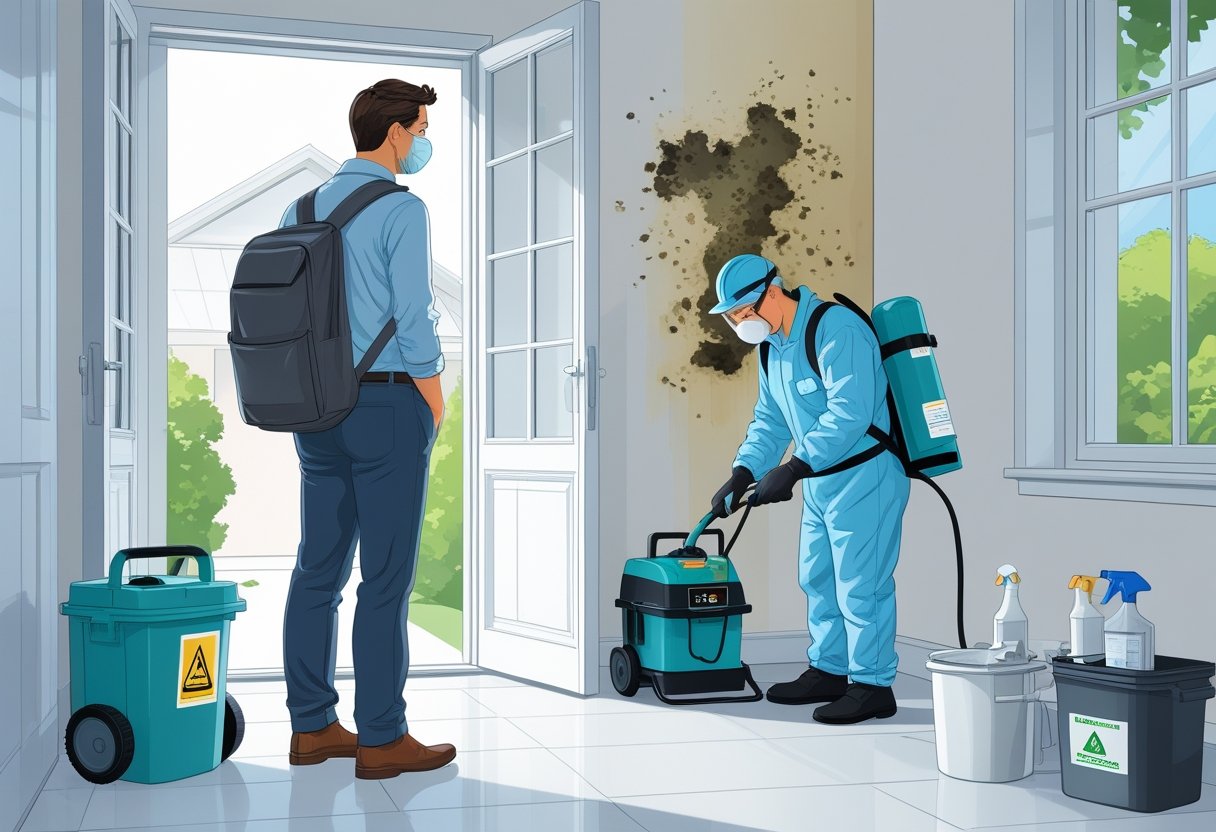
Mold can quickly damage your home and affect air quality. You really need professional remediation when mold is widespread, hidden inside walls, or tied to health issues.
If you live in Sandy Springs, Smyrna, or anywhere in the Atlanta, GA area, knowing when to call in the pros can save you a lot of trouble.
Signs You Need Professional Help
Look for clear signs that mold is more than a minor cleanup job. If you see large areas of mold—over 10 square feet—it's time to call professionals.
Strong, musty smells that stick around after cleaning might mean there's hidden mold behind walls or floors. Health symptoms like coughing, congestion, or worsening asthma indoors can also be a warning.
If you spot water damage that hasn't dried out, stains on ceilings or walls, or mold in your HVAC system, that's a red flag. When mold shows up in multiple rooms, it probably spread through air or leaks.
A professional can inspect, test, and remove mold safely so it doesn't come back.
Risks of DIY Mold Removal
Small spots of mold on tile or non-porous surfaces are usually safe to clean yourself. But trying to remove bigger patches is risky.
Disturbing large colonies without proper containment can send thousands of spores into the air, spreading mold to new places. Scrubbing drywall or carpet often just pushes mold deeper.
Bleach might make things look better on the surface, but it rarely kills the root growth. That can fool you into thinking the problem's gone.
DIY jobs also lack the protective gear professionals use. Without respirators, gloves, and sealed work areas, you might get exposed to allergens or irritants.
Incomplete removal often leads to regrowth, more repairs, and higher costs down the line.
Mold Remediation vs. Mold Removal
People mix up these terms, but they're different. Mold removal means cleaning or tossing out contaminated materials.
It might get rid of what you can see but doesn't fix what lets mold thrive. Mold remediation covers inspection, containment, removal, cleaning, and prevention.
Pros in places like Alpharetta, GA follow EPA or IICRC guidelines to make sure mold is handled safely. Remediation tackles both the mold and the source, like leaks or bad ventilation.
By fixing these issues, you lower the risk of mold coming back. That's why remediation is the smarter long-term fix.
The Professional Mold Remediation Process
Professional mold remediation follows a step-by-step process to find mold, stop it from spreading, remove contaminated materials, and make your home safe again.
Each stage deals with both visible mold and hidden spores that could cause health problems or future infestations.
Initial Assessment and Inspection
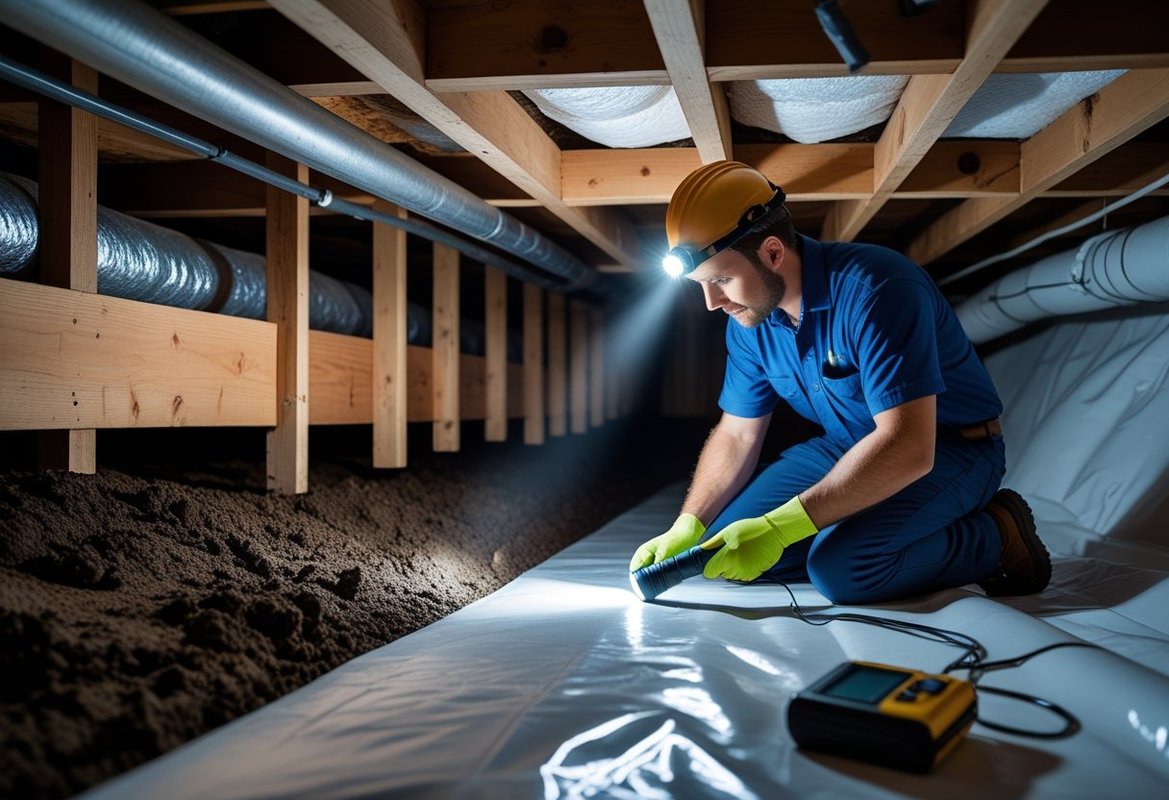
It all starts with a thorough inspection. A licensed pro checks for visible mold and hunts for hidden colonies using tools like moisture meters or infrared cameras.
They look for where the extra moisture is coming from—maybe a roof leak, plumbing issue, or poor ventilation. The inspector documents the problem and usually creates a remediation plan.
This plan lists which rooms or materials need treatment and helps figure out if you should leave during the process. Clear communication here helps you know what's coming before the real work starts.
Containment and Air Filtration
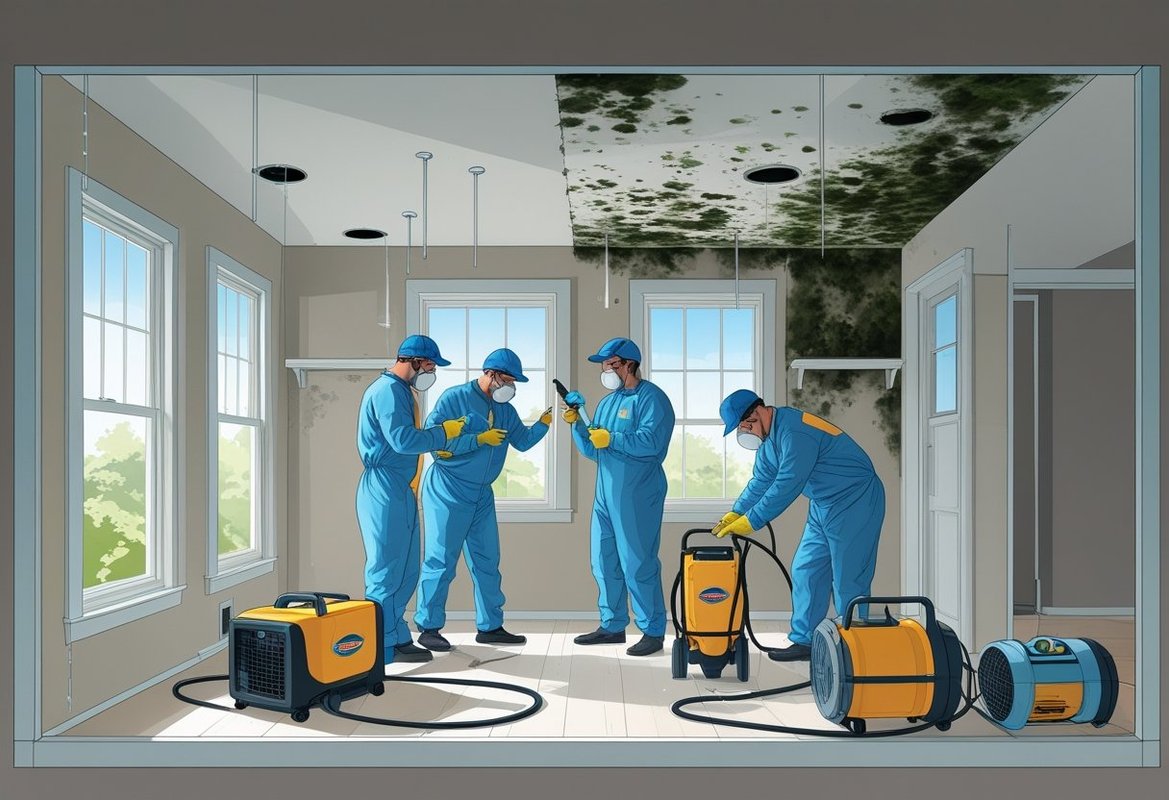
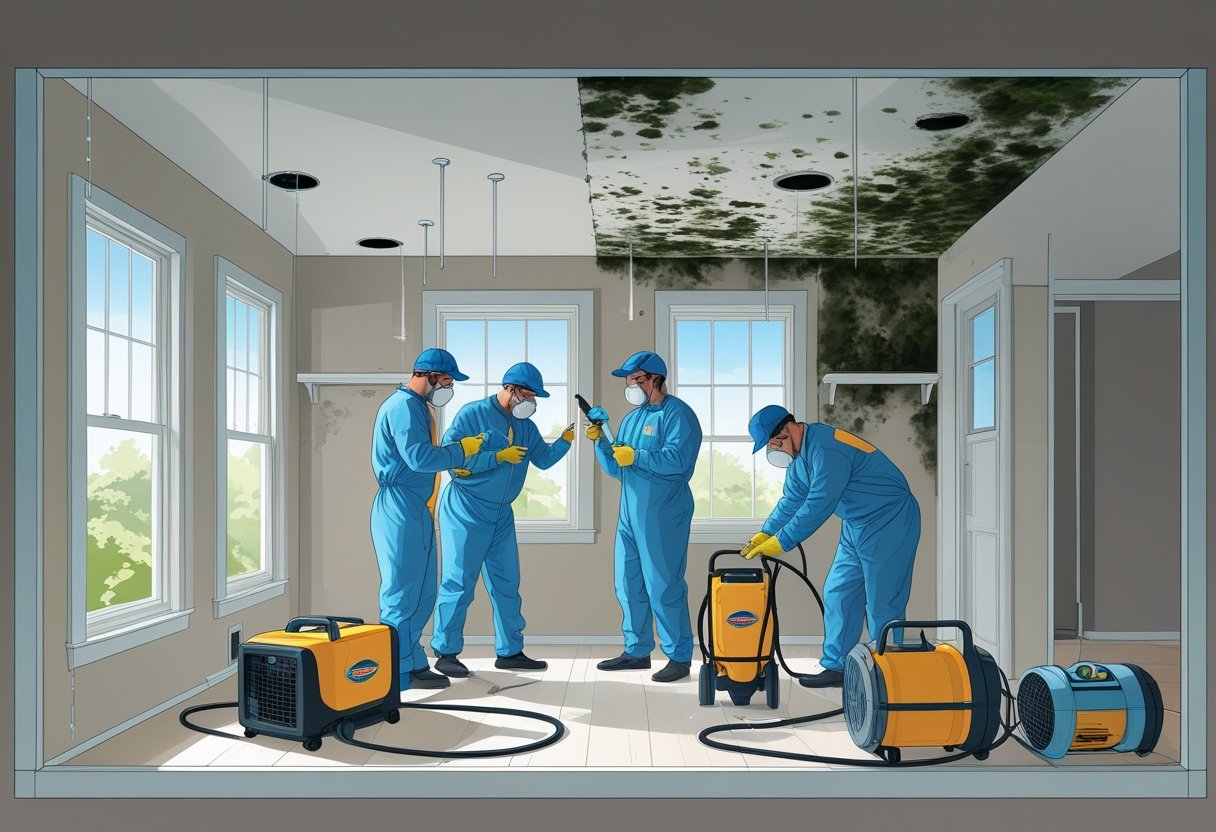
After the inspection, the team sets up containment barriers to keep spores from spreading. They use plastic sheeting and negative air machines to seal off work zones.
Key methods:
- Plastic walls or zippered doors
- Negative air pressure
- HEPA filtration
HEPA air scrubbers run non-stop during this step, pulling spores out of the air as cleaning happens. This is crucial because spores travel easily—through ducts, halls, or even on clothes.
Proper containment keeps both workers and the rest of your home safe.
Removal of Mold-Infested Materials
Next, the team removes materials that can't be saved. Porous stuff like drywall, carpet, and insulation usually has to go because mold digs in deep.
Non-porous items like metal, glass, or sealed wood can often be cleaned and reused if they're not damaged. The crew bags up contaminated materials in thick plastic and seals them before carrying them out.
That way, spores don't spread during transport. Sometimes, big sections of walls or floors need replacing.
The main goal is to get rid of every source of active mold so it can't grow back.
Cleaning and Disinfection Procedures
Once removal's done, the team cleans all remaining surfaces. They use HEPA vacuums to suck up fine spores from floors, walls, and ceilings.
Then, they wipe down surfaces with antimicrobial cleaners to kill leftover spores and stop new mold from growing. They pay special attention to HVAC systems and vents, since spores love to hide there.
Sometimes, they apply sealants to treated surfaces, adding a protective layer in case moisture returns. Finally, they dry the area with dehumidifiers and air movers.
Drying makes sure the conditions that let mold grow are fixed, so your home is safe to re-enter.
Addressing the Source: Moisture and Water Issues
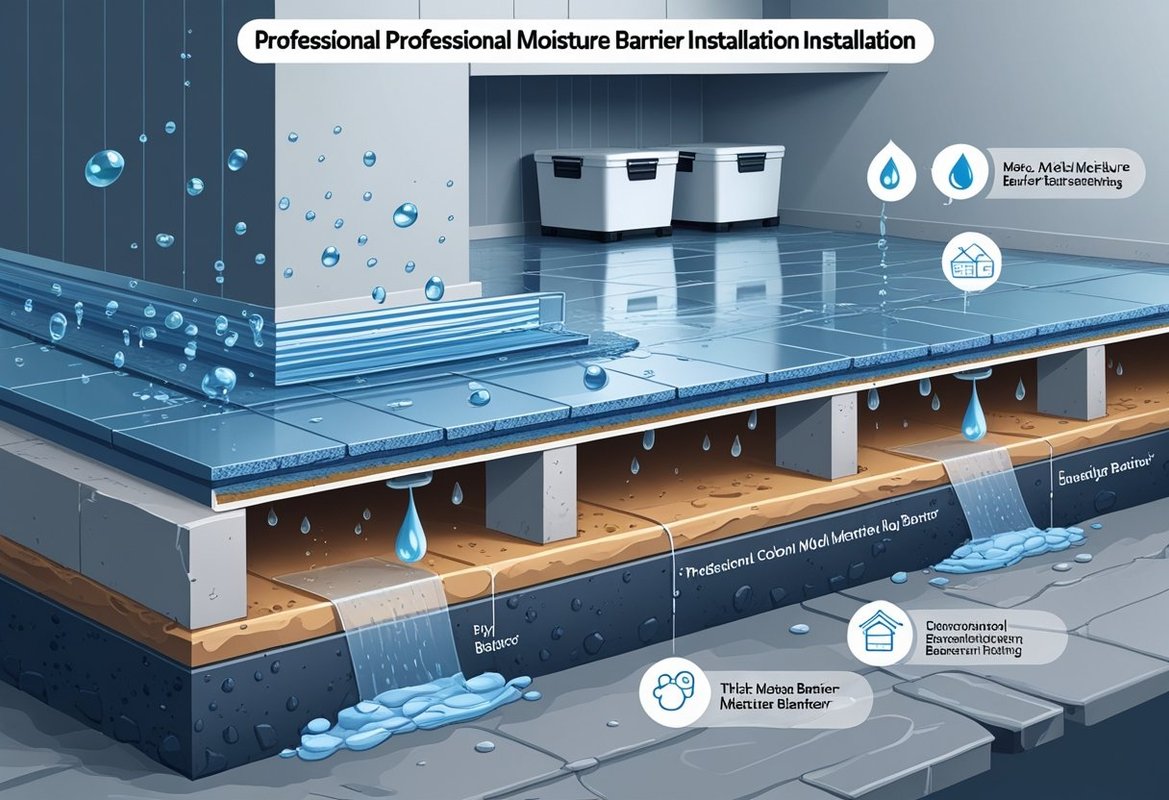
Mold can't grow without moisture. Stopping the water, removing extra humidity, and preventing new leaks are the most important parts of making remediation last.
Identifying Water Leaks and Flood Damage
Leaks and flood damage are the top causes of mold in homes. Even small plumbing or roof leaks can give mold what it needs.
Flooding can leave hidden dampness in walls or insulation that you might not notice right away. Check around sinks, under appliances, near water heaters, and in basements.
Look for discoloration, bubbling paint, or a musty smell. Here's a quick checklist:
- Plumbing: Check pipes and fixtures
- Roof and Gutters: Watch for missing shingles or ceiling stains
- Foundation: Look for cracks or seepage after rain
- Appliances: Monitor dishwashers, washers, and fridges for drips
Fixing leaks quickly cuts the risk of mold coming back after remediation.
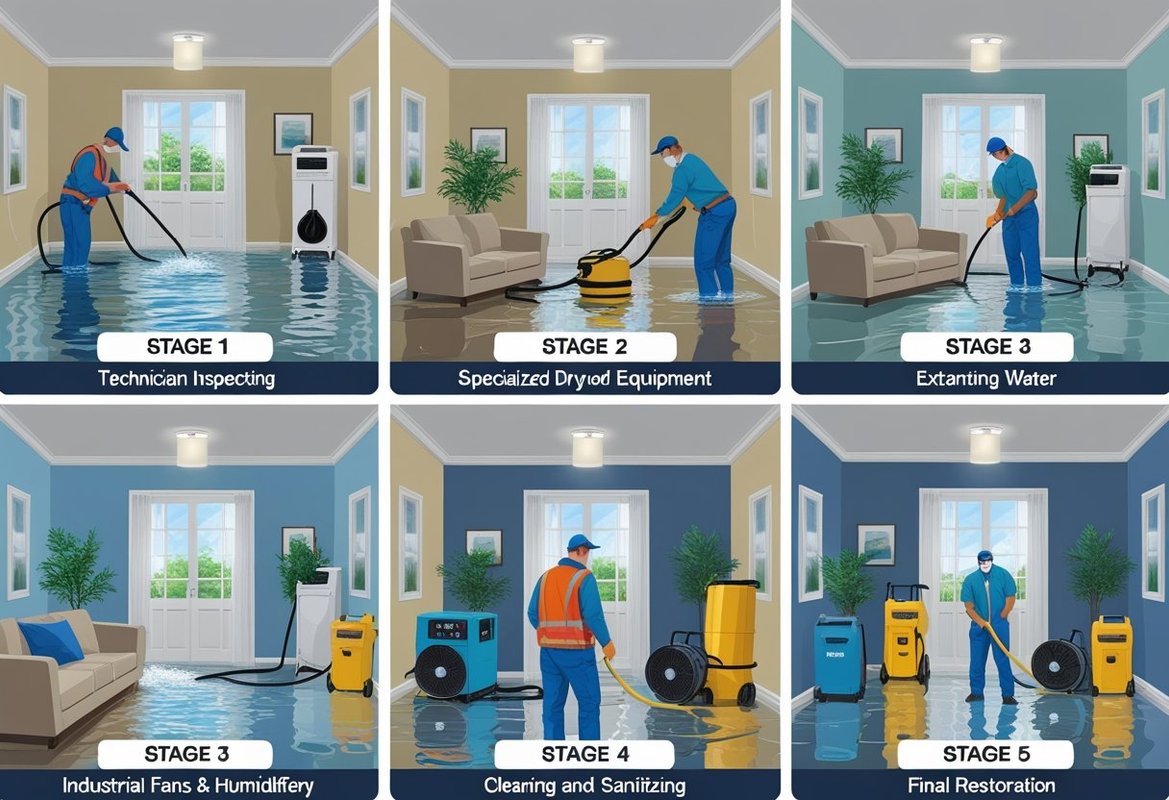
Drying and Dehumidification
After you fix leaks or flood issues, it's time to dry things out. Mold loves damp materials like drywall, carpet, and wood.
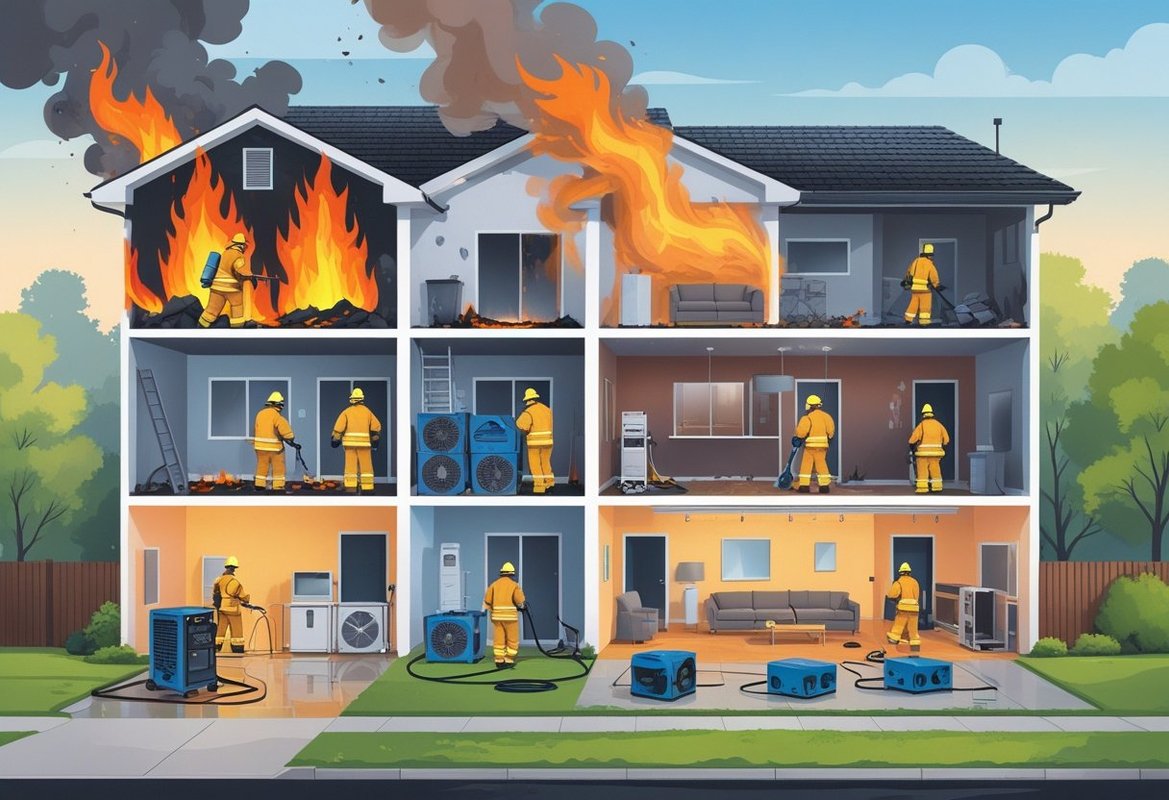
If these stay wet for more than a day or two, mold spreads fast. Pros use industrial fans, dehumidifiers, and heaters to speed up drying.
In floods, they might remove soaked materials that can't be saved. Air circulation is key, but you don't want to blow spores into other rooms.
Keep humidity under 50% indoors. A hygrometer can help you check this and see if dehumidifiers are working.
Basements and crawl spaces in places like Roswell, GA often need extra attention since they're naturally damper. Drying isn't done until both surfaces and the air are balanced.
If you skip this, mold's almost guaranteed to come back.
Preventing Future Moisture Problems
Long-term mold control in homes around Atlanta, GA really comes down to stopping new water issues before they start. Fixing leaks and drying things out works only if you keep the place dry afterward.
Here’s what homeowners in areas like Sandy Springs or Marietta, GA can do:
- Ventilation matters: Use exhaust fans in bathrooms, kitchens, and laundry rooms.
- Control humidity: Run dehumidifiers in damp spots and keep humidity below 50%.
- Seal it up: Caulk around windows, doors, and any plumbing penetrations to keep water out.
- Grade the yard: Make sure the ground slopes away from your foundation so water doesn’t pool up.
Check for moisture issues regularly. Inspect your roof, gutters, and plumbing at least once a year—especially after big storms or floods.
Post-Remediation Steps for Homeowners
After mold remediation in places like Roswell, GA, you’ll want to make sure the job’s really done, fix up any damage, and keep mold from coming back.
Verification and Clearance Testing
Once the cleanup crew finishes, testing confirms if the mold’s truly gone. Independent inspectors usually handle clearance testing—they measure airborne spores and check surfaces for leftover contamination.
Ask for written test results. You’ll want to see spore counts, how they did the sampling, and how indoor levels compare to outside.
If mold levels are still high, more cleaning or better containment might be needed. Don’t skip this step—hidden mold can come back, especially inside walls or under floors. It’s smart to hire a third-party inspector, not the same company that did the remediation.
Restoration and Repairs
Mold cleanup often means tearing out drywall, insulation, or flooring. Once you get the all-clear, it’s time to put things back together.
Typical repairs include:
- Replacing drywall and insulation
- Installing new flooring or trim
- Repainting with mold-resistant paint
- Fixing leaks or plumbing issues
Fix the original moisture problem before you start on cosmetic repairs. If you had a roof leak or foundation crack, deal with that first.
Sometimes, contractors suggest better ventilation in bathrooms or basements. Good airflow keeps humidity down and helps prevent mold. Aim for repairs that are safe and won’t break the bank.
Ongoing Mold Prevention Tips
Even after professional remediation, mold can sneak back if you’re not careful. Staying vigilant is key.
Here’s what helps:
- Keep it dry: Use dehumidifiers or AC to keep humidity under 50%.
- Ventilate: Exhaust fans in wet areas are a must.
- Check often: Look for leaks or dampness in basements, attics, and crawl spaces.
- Fix fast: Don’t let plumbing or roof issues linger.
You might want to put water alarms near appliances or sump pumps. Cleaning damp areas—like shower walls—with mild detergent also helps keep mold away.
Special Considerations in Mold Remediation
Sometimes mold problems in the Atlanta area get complicated—like when spores get into air systems, grow on tricky materials, or affect folks with health issues. Each case needs its own approach.
Mold in HVAC Systems and Air Ducts
If mold gets into your HVAC or ductwork, it can spread spores all over the house. That’s a headache and a health risk.
Pros shut down the system before cleaning. They swap out dirty filters, clean ducts with special gear, and treat everything with approved antimicrobials.
If things get really bad, you may need to replace insulation or duct lining. Regular maintenance—like changing filters and keeping humidity below 60%—helps keep mold out.
Key steps:
- Turn off HVAC during cleanup
- Clean or replace filters and insulation
- Use HEPA vacuums for spores
- Seal leaks to stop moisture
Handling Mold on Different Surfaces
Remediation depends on what’s affected. Porous stuff like drywall, carpet, or ceiling tiles usually has to go. Spores get deep, and cleaning just doesn’t cut it.
Non-porous surfaces—glass, metal, tile—can be scrubbed and disinfected. Semi-porous materials, like wood or concrete, might be cleaned if there’s not much mold. If it’s bad, replacement’s the safer bet.
Cleaning methods vary. HEPA vacuuming, scrubbing with detergent, and using antimicrobials are common. For example, you’d toss a moldy carpet pad, but you can clean a metal vent cover and reuse it.
| Surface Type | Typical Action |
|---|---|
| Drywall | Remove and replace |
| Carpet/Pad | Discard |
| Wood | Clean, sand, or replace |
| Tile/Glass | Scrub and disinfect |
Protecting Vulnerable Individuals
Some folks—like infants, seniors, or people with asthma—are more sensitive to mold. Spores can really mess with their breathing.
During remediation, it’s best if they stay somewhere else until the work’s done. That way, they avoid extra exposure to airborne spores.
Crews often seal off work areas with plastic, run HEPA air scrubbers, and use negative air pressure to keep spores from spreading. Afterward, air quality tests make sure it’s safe for everyone to come back.
Browse certified mold remediation companies in Atlanta to find vetted specialists near you.
Frequently Asked Questions
People in the Atlanta, GA area often have questions about mold remediation. Let’s tackle some of the big ones.
What are the steps involved in professional mold remediation?
First, specialists inspect and find the moisture source and mold extent. They set up barriers to stop spores from spreading.
They remove damaged materials, clean everything with approved products, and use air filters to catch spores. Finally, they dry the area and use treatments to help prevent mold from coming back.
How do I know if I need a professional mold inspection?
If you see mold covering more than 10 square feet, or it’s growing inside walls or keeps coming back, call a pro.
Strong musty smells, unexplained water damage, or health symptoms that might be mold-related are also signs you need an inspection.
What is the typical cost range for mold remediation services?
Costs vary based on area size, materials, and how bad the contamination is.
You’ll usually pay between $1,000 and $6,000 for professional mold remediation in the Atlanta area. If the job involves HVAC systems or is especially large, expect to pay more.
How can I identify Stachybotrys, and what specific remediation does it require?
Stachybotrys, or “black mold,” looks like dark green or black slimy patches when wet. It likes things like drywall, wood, or paper.
Getting rid of it means strict containment, removing affected materials, and deep cleaning with special products. Because of the health risks, you really should let pros handle it.
What should I expect from a mold specialist during the remediation process?
A good specialist will explain what needs doing, outline safety steps, and give you a written plan before starting.
They’ll wear protective gear, set up barriers, and use HEPA filters. After cleanup, they’ll check that the moisture problem’s fixed and provide documentation of the work.
How often should I test for mold after a remediation to ensure it doesn't return?
Test for mold right after remediation to make sure the levels are safe.
If you're in the Atlanta, GA area—maybe places like Decatur or Sandy Springs—and you notice new leaks or that musty smell comes back, it's smart to do follow-up testing.
For homes in Marietta, GA or other moisture-prone spots, a yearly check can help keep mold from sneaking back in.
For a deeper look at your options, see our guide on DIY vs. professional mold removal.
Water Damage Atlanta Editorial Team
Restoration & Home Services Expert
We help Atlanta homeowners recover from water damage with trusted advice and local resources.